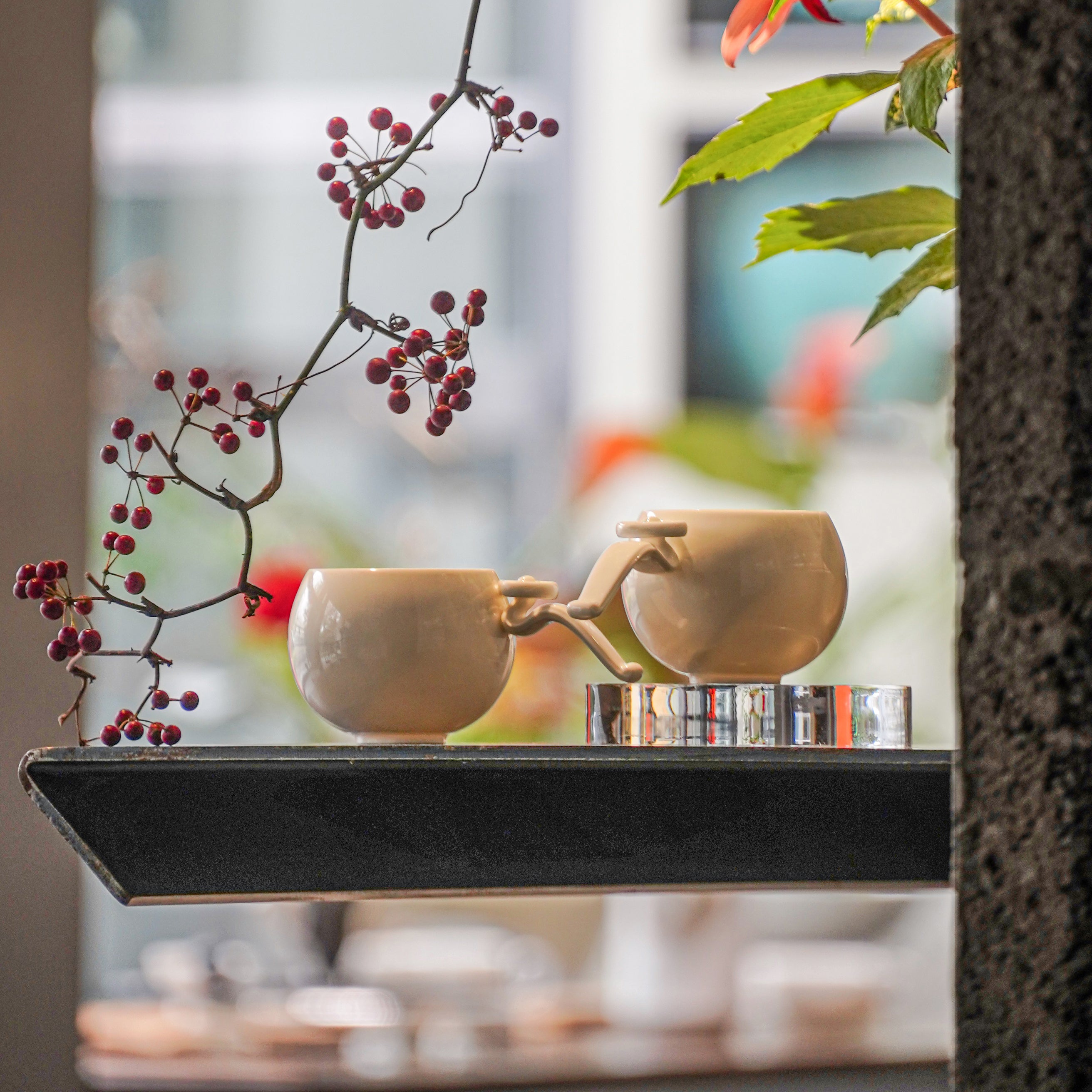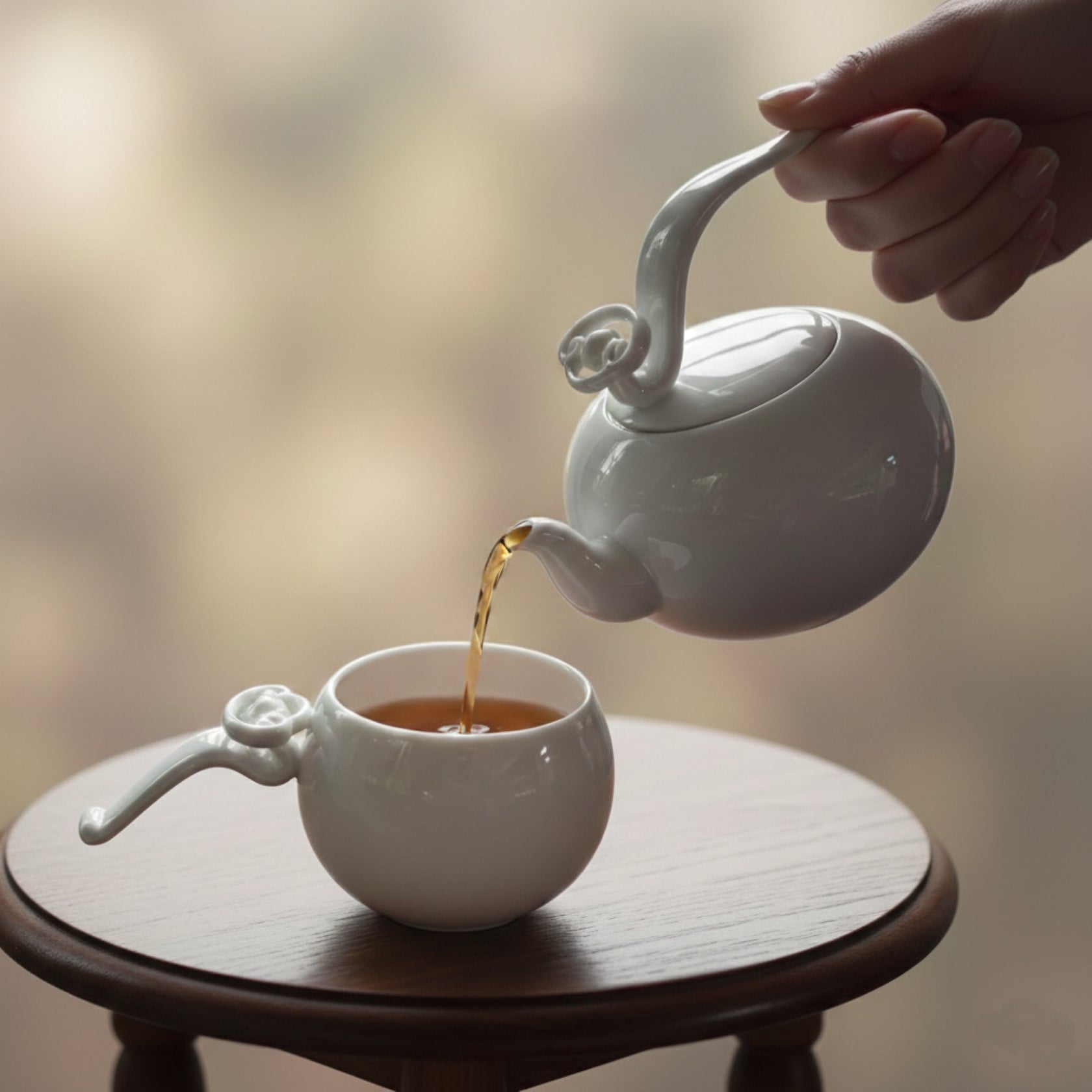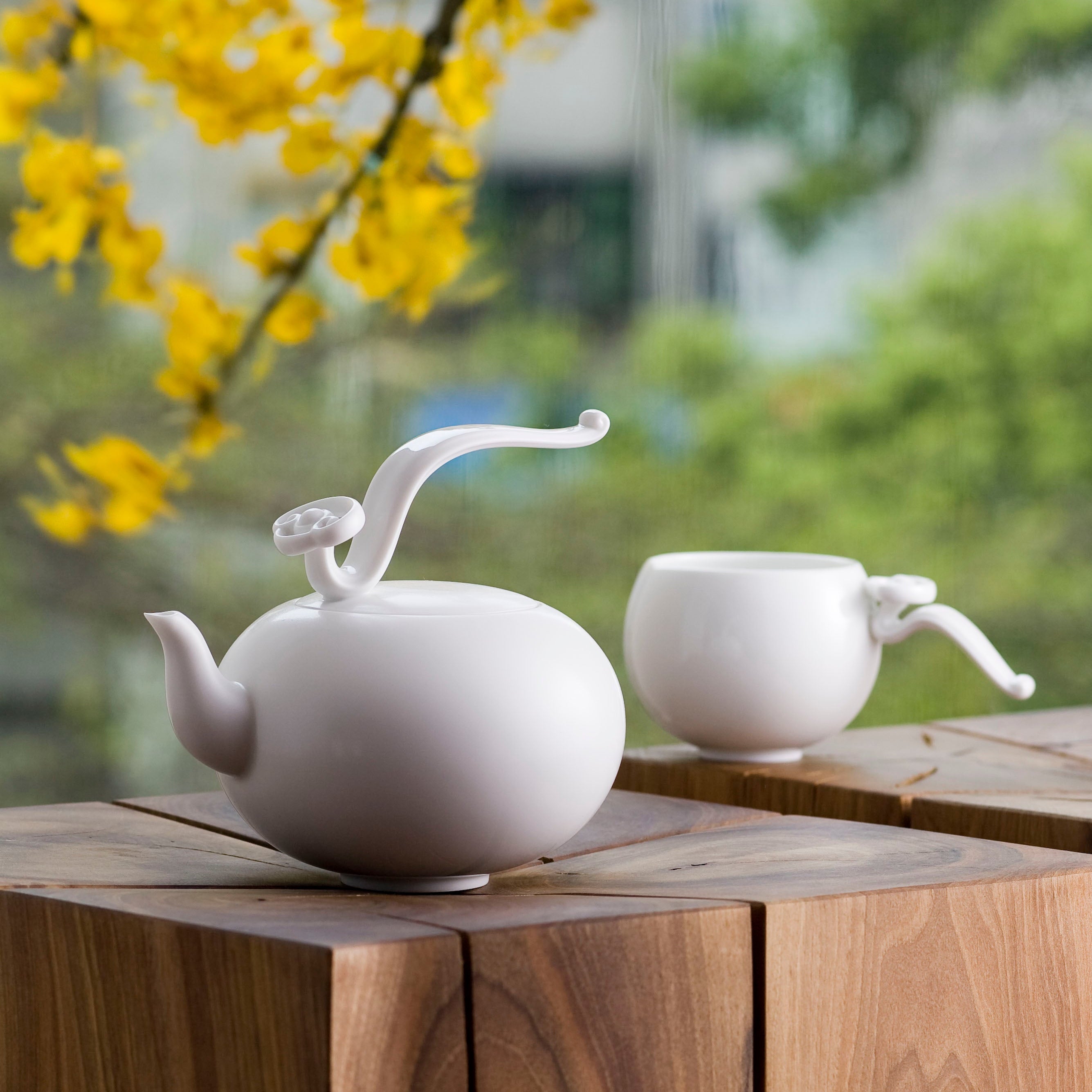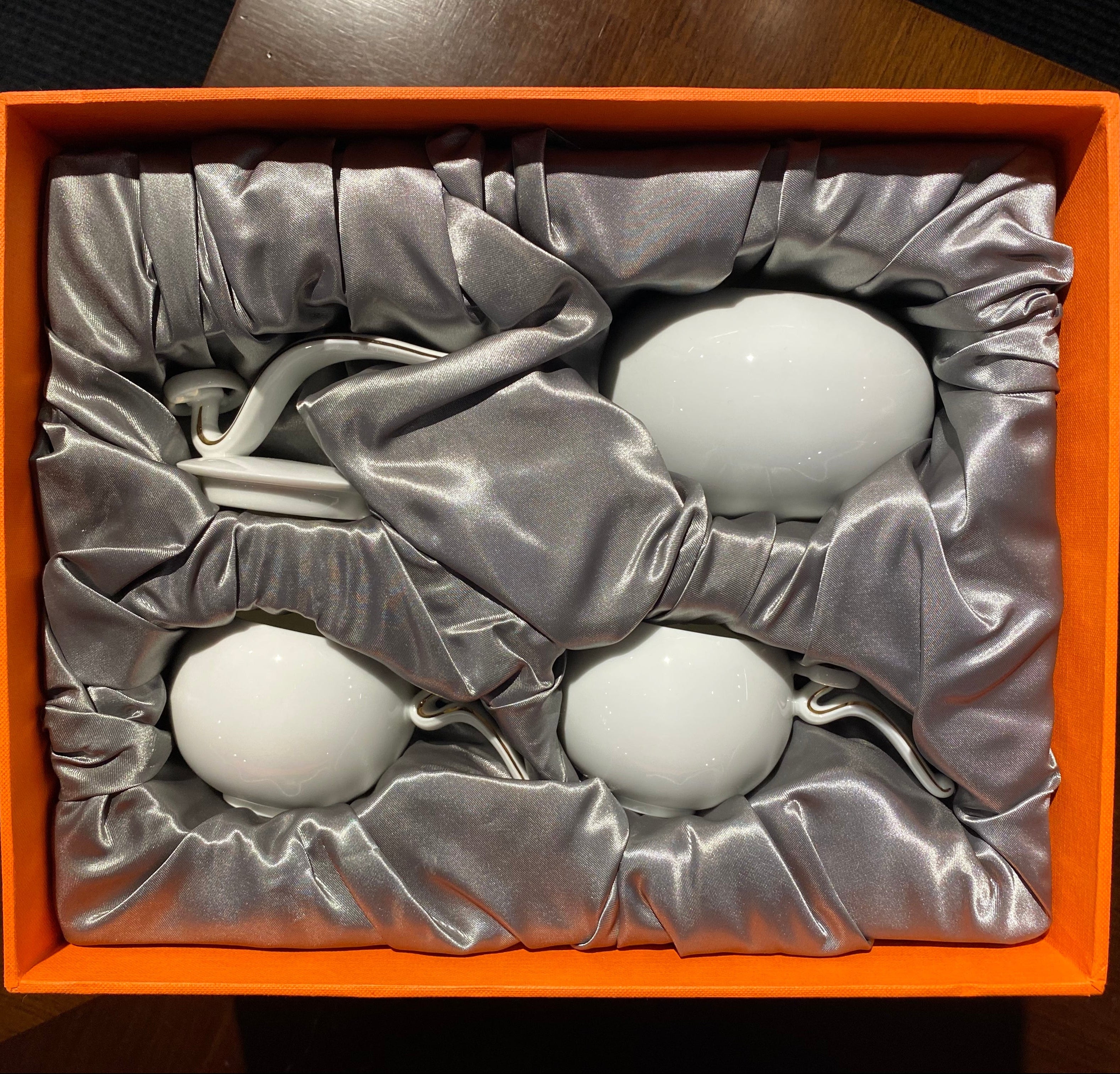

This essay records Heinrich Wang’s design thinking behind Flying High and Free. Through the integration of handle, lid, and form, the work explores how structure and rhythm can create a state of mental freedom—transforming tea drinking into a poetic transition between order, movement, and inner calm.
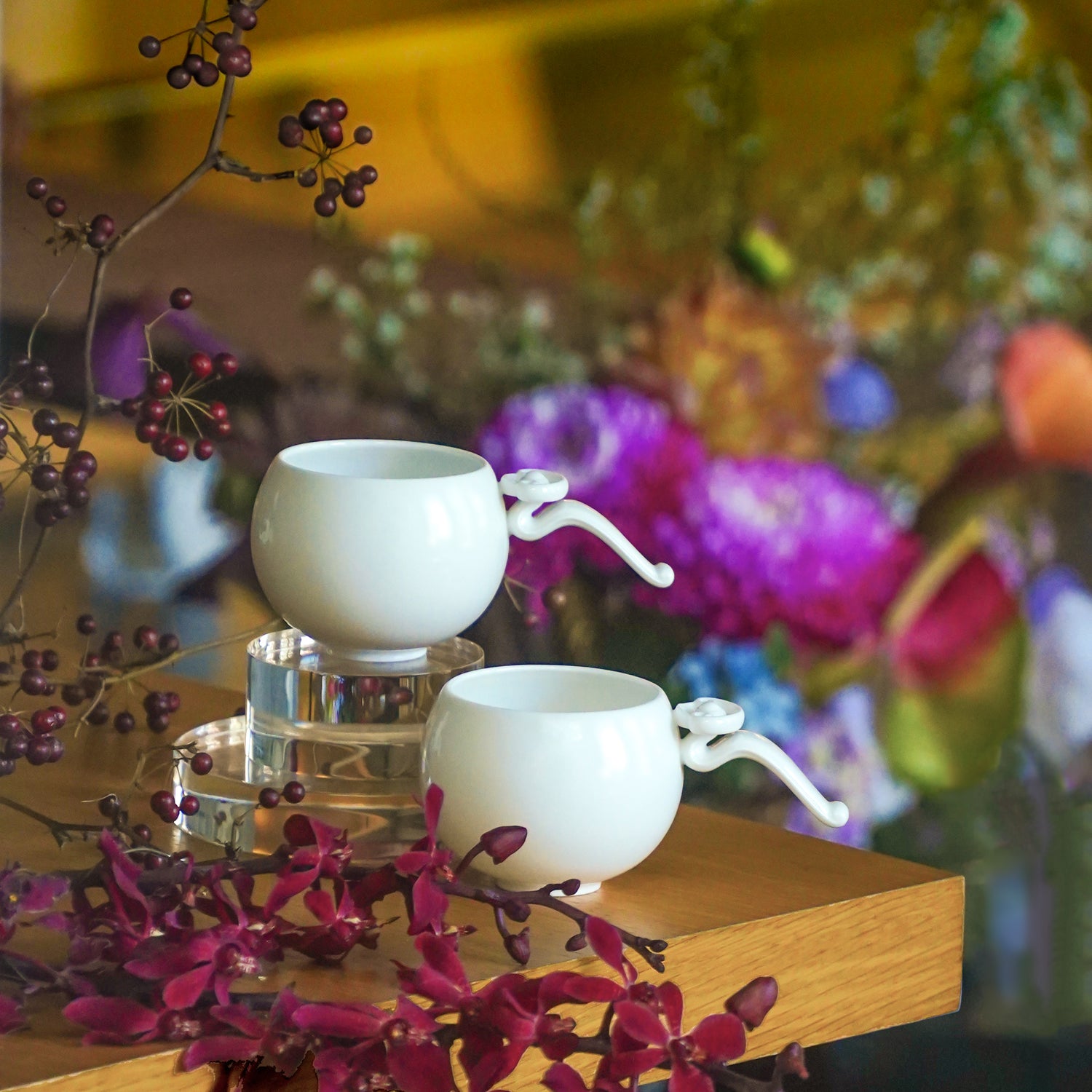
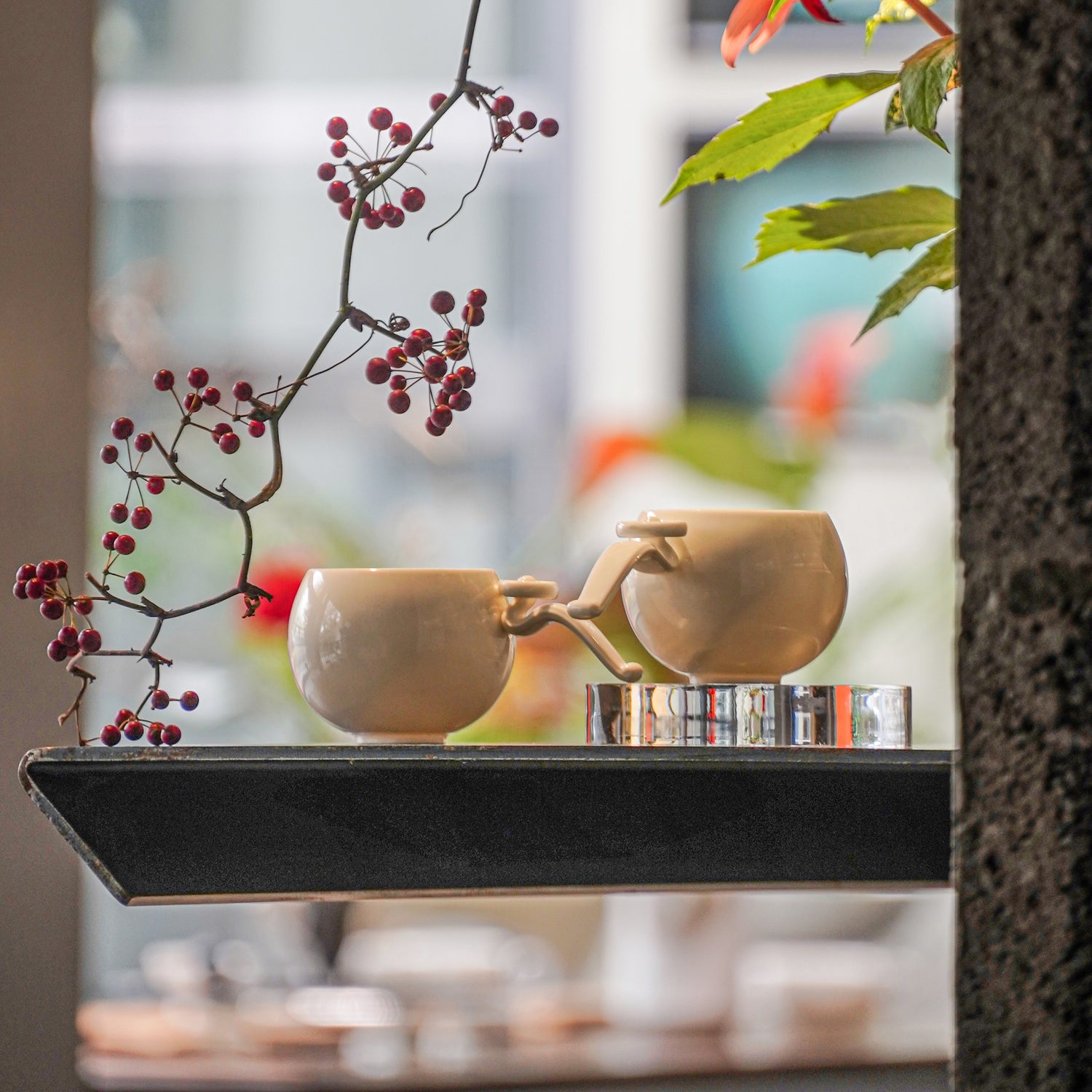
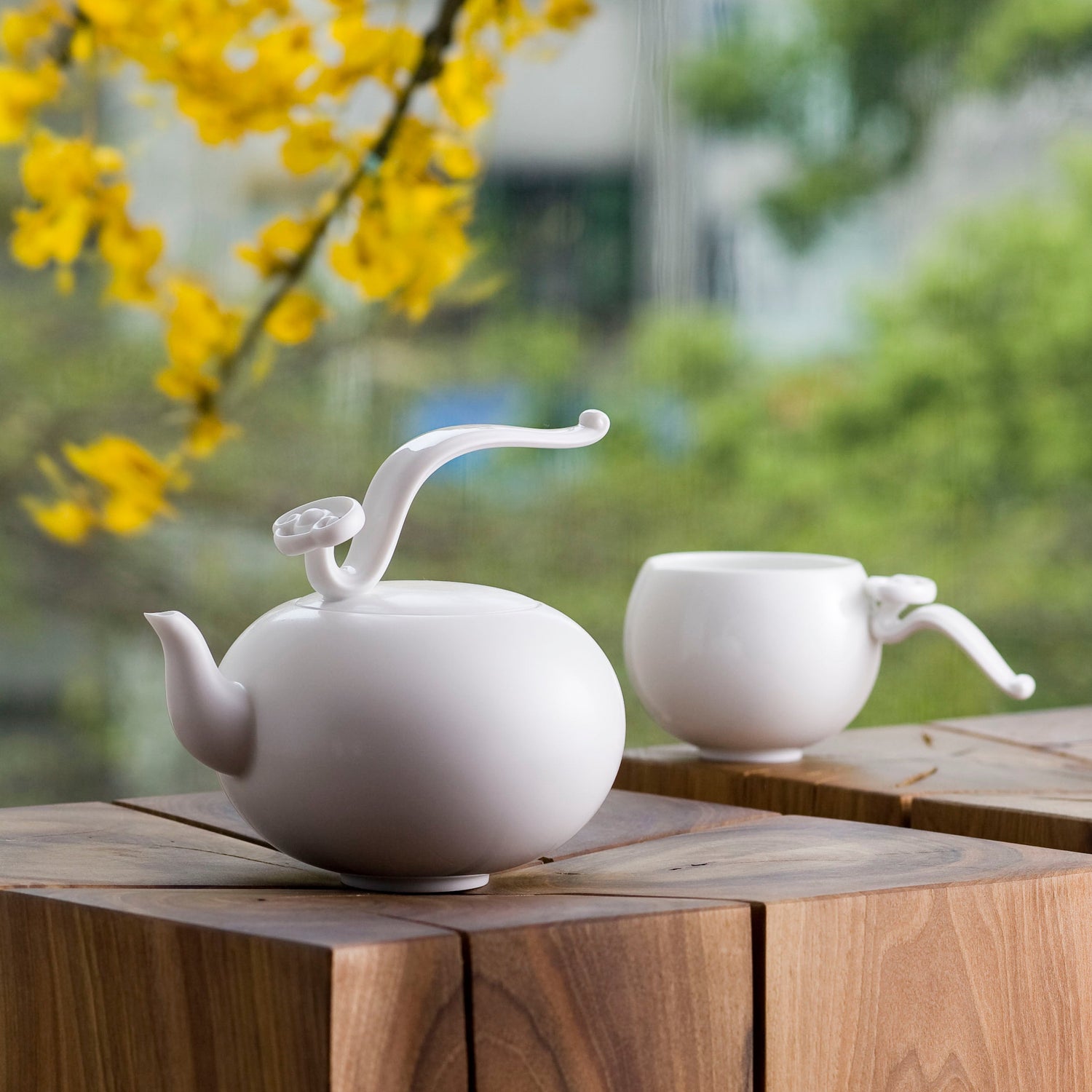
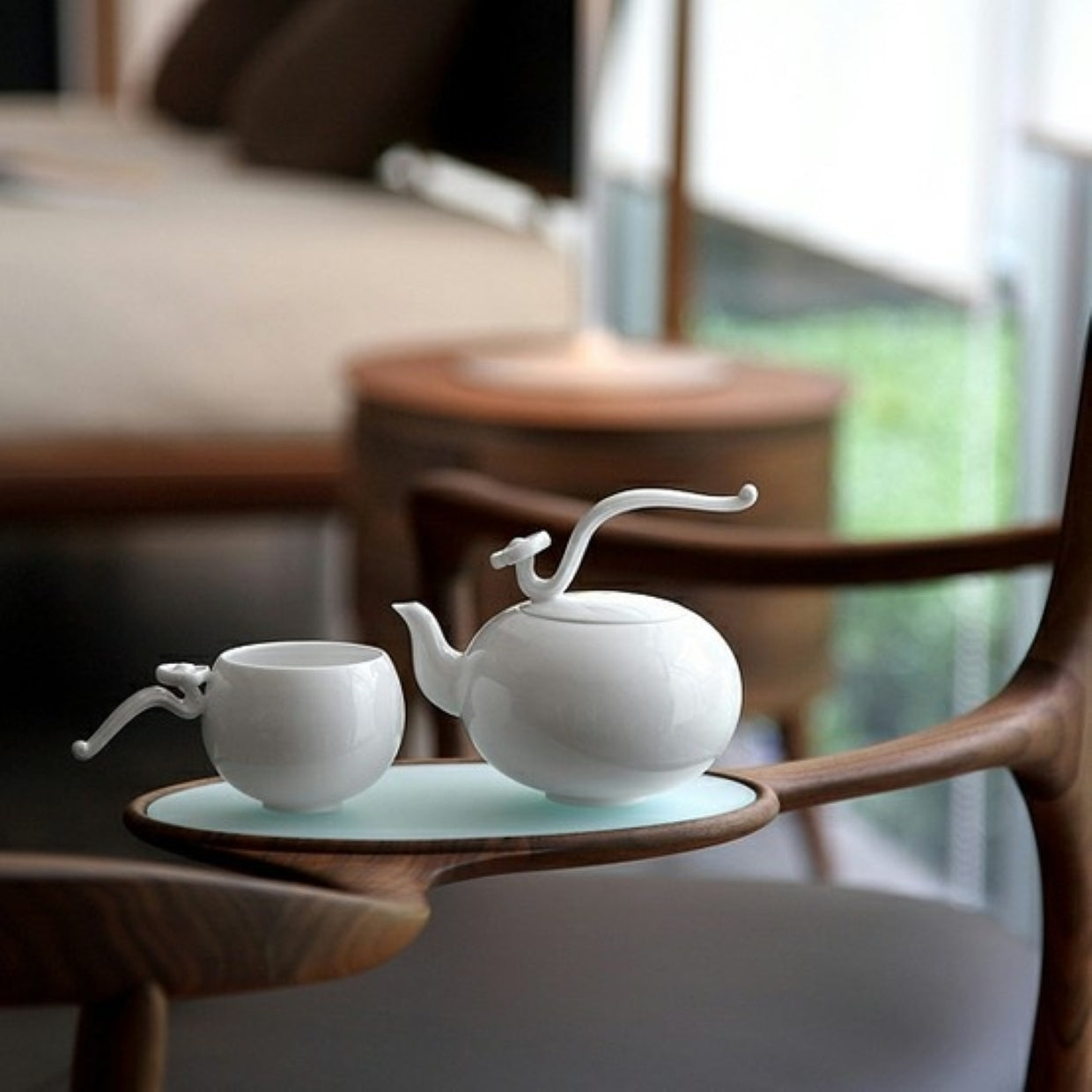
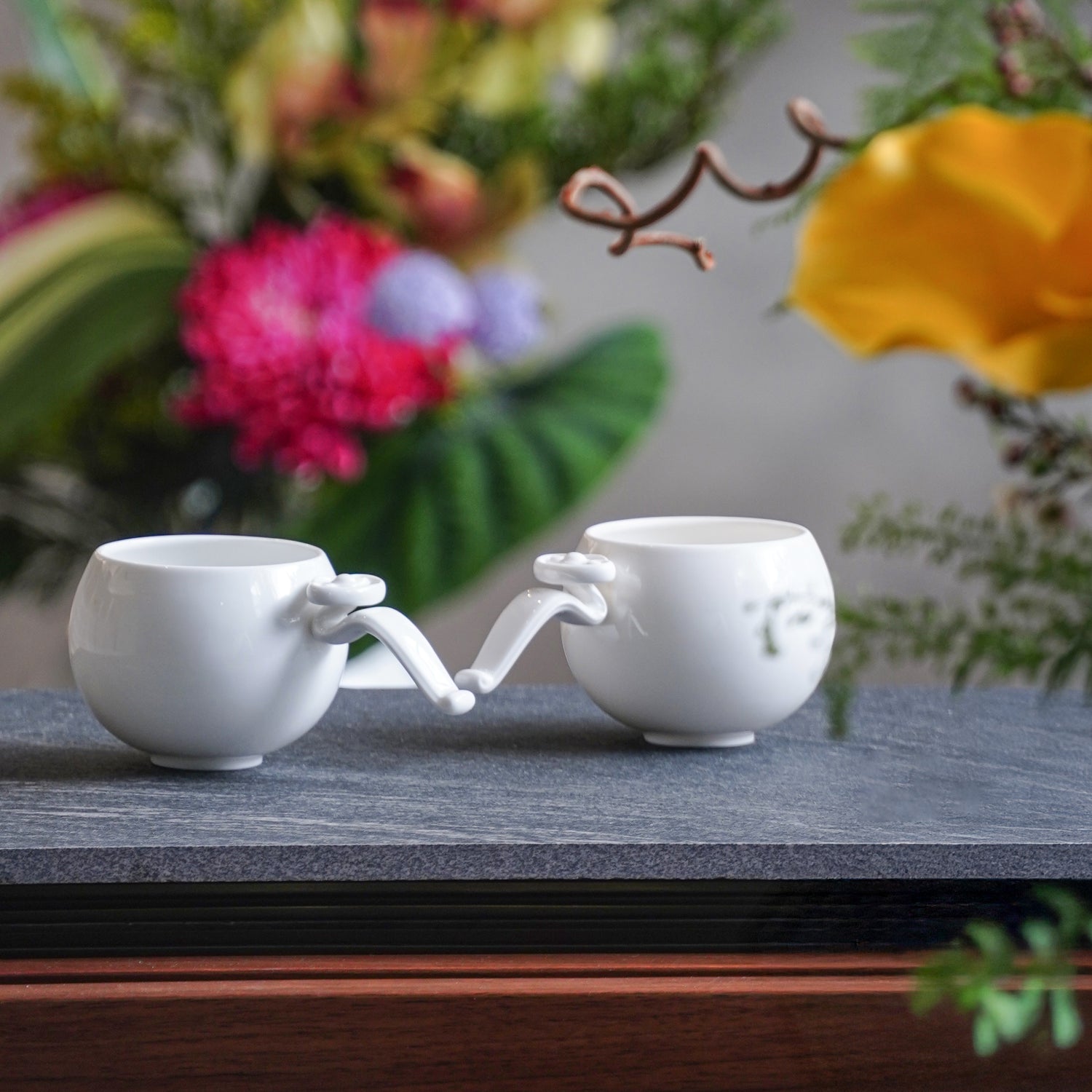
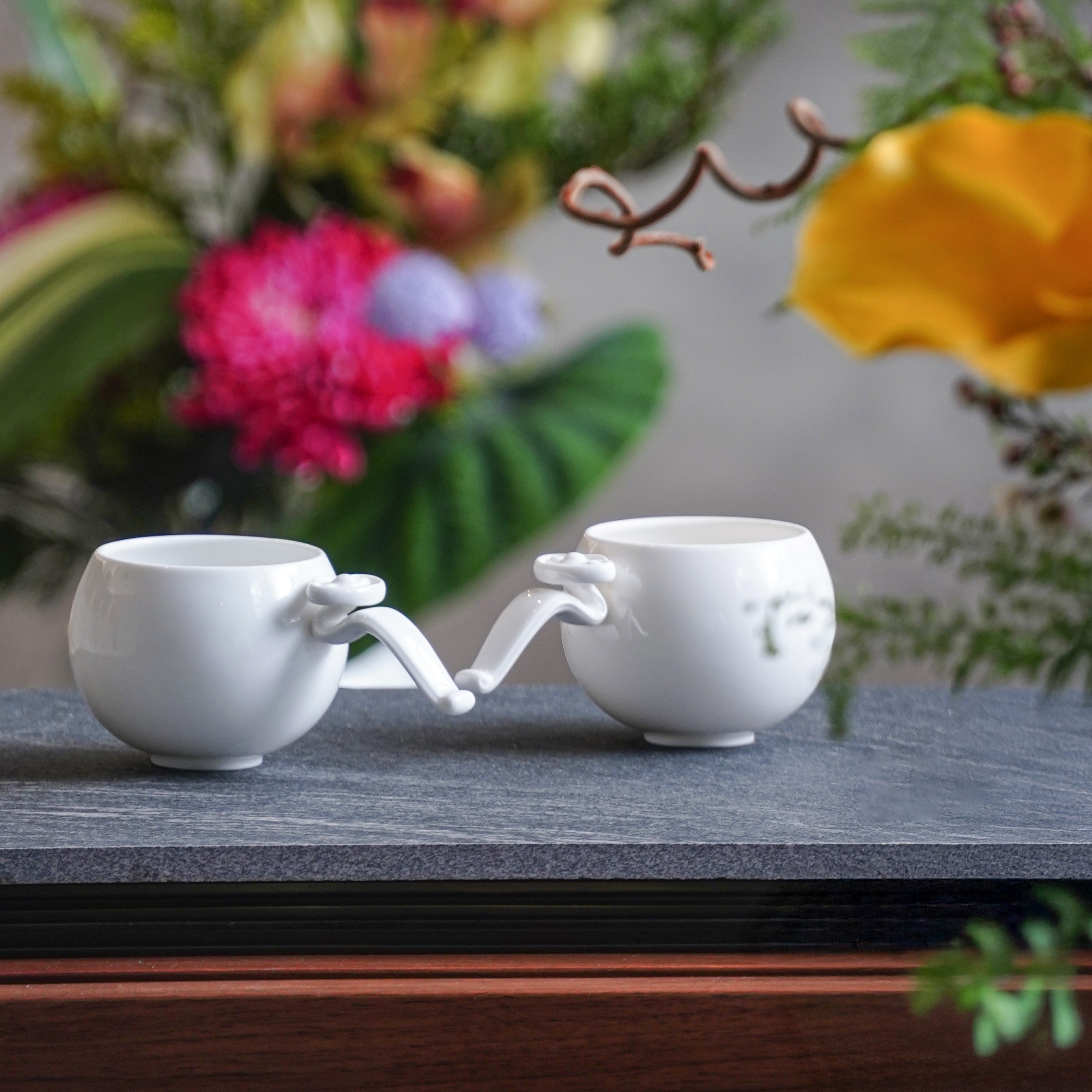
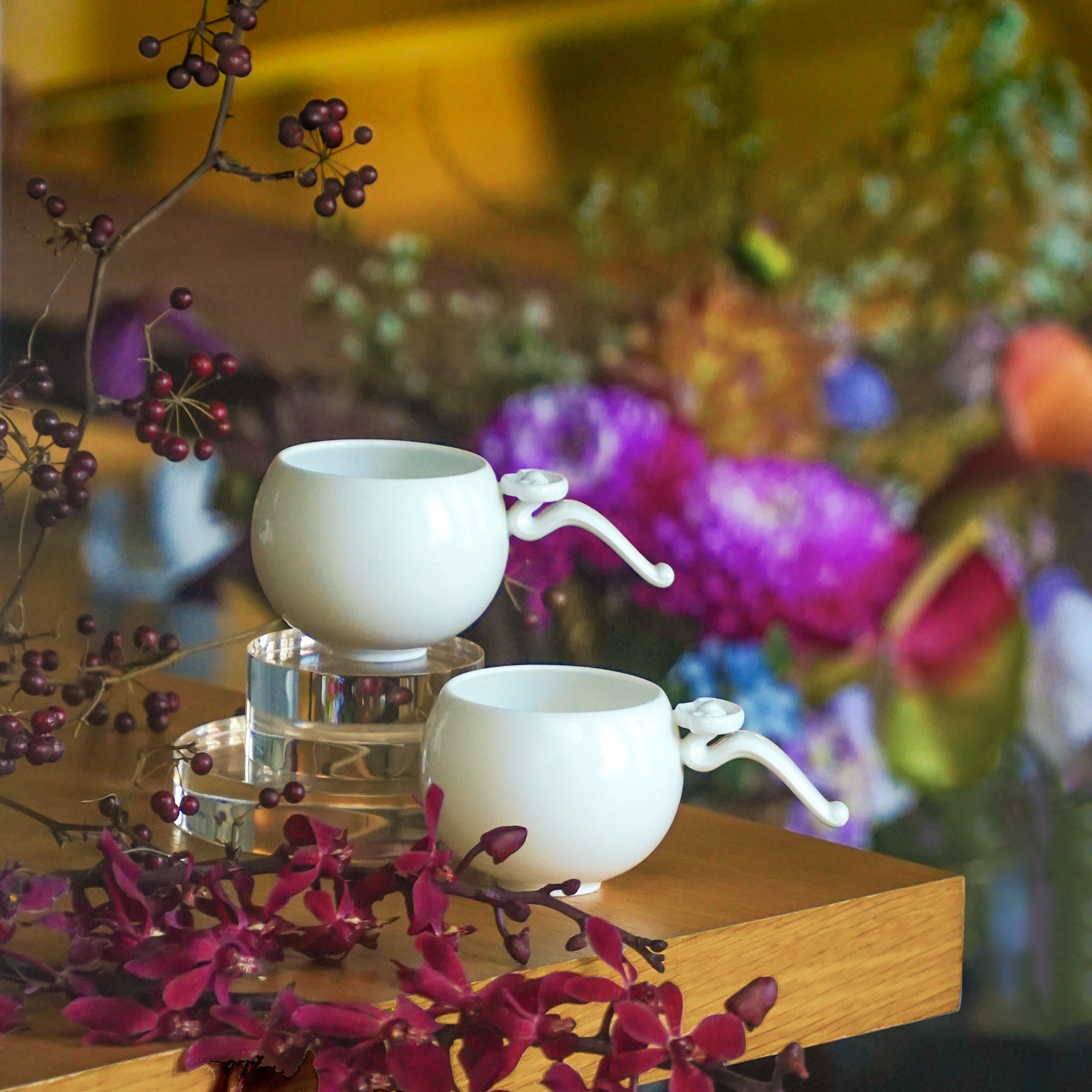
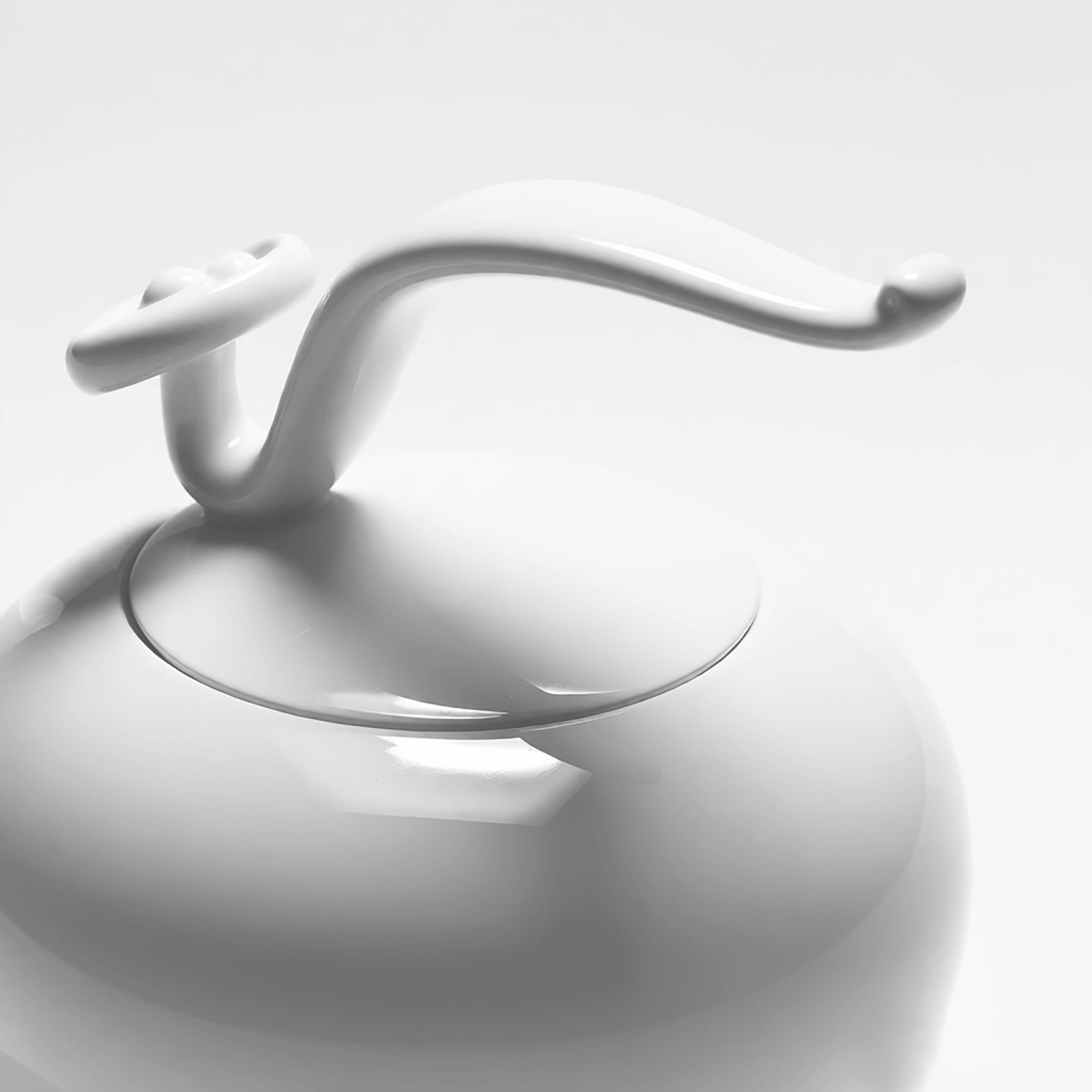
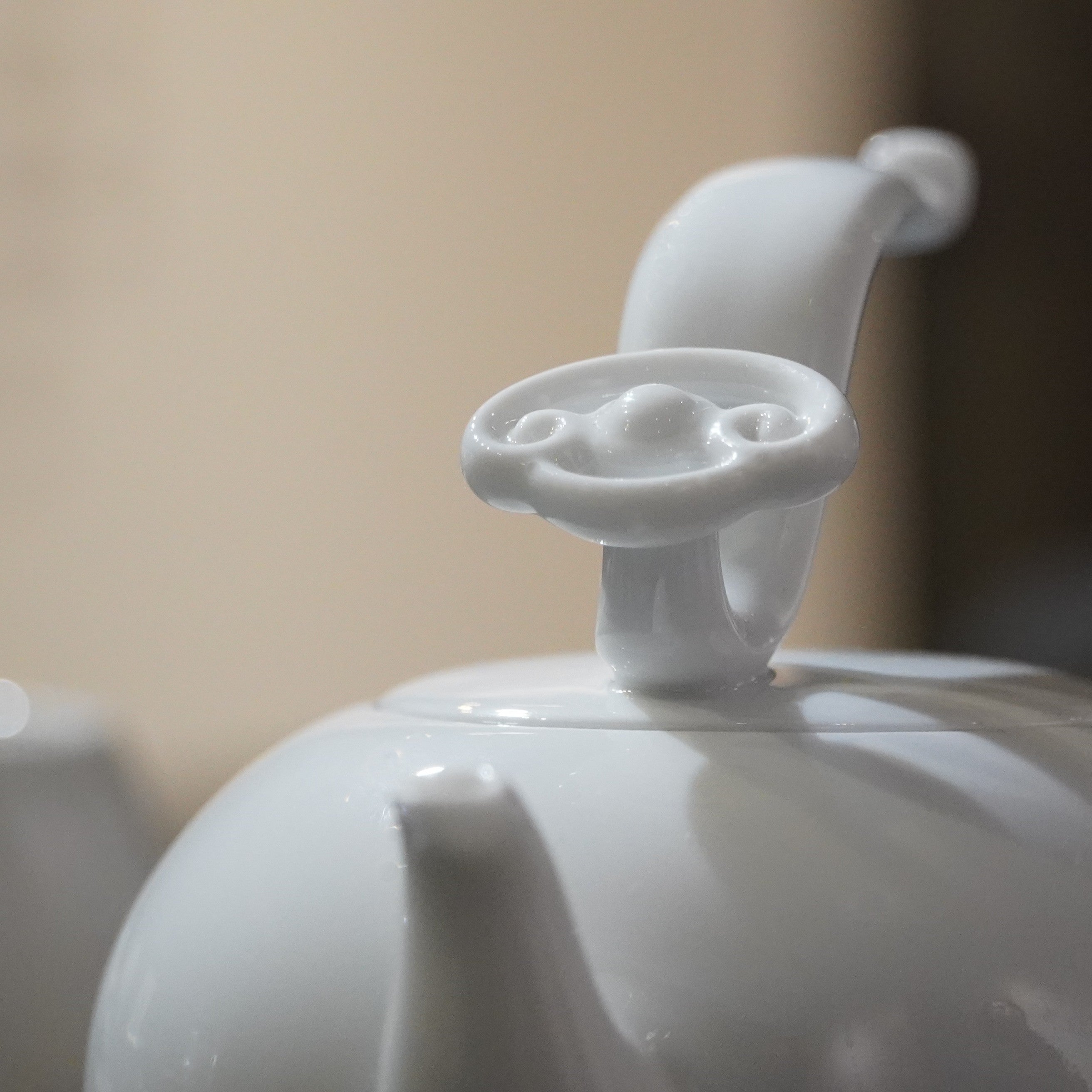
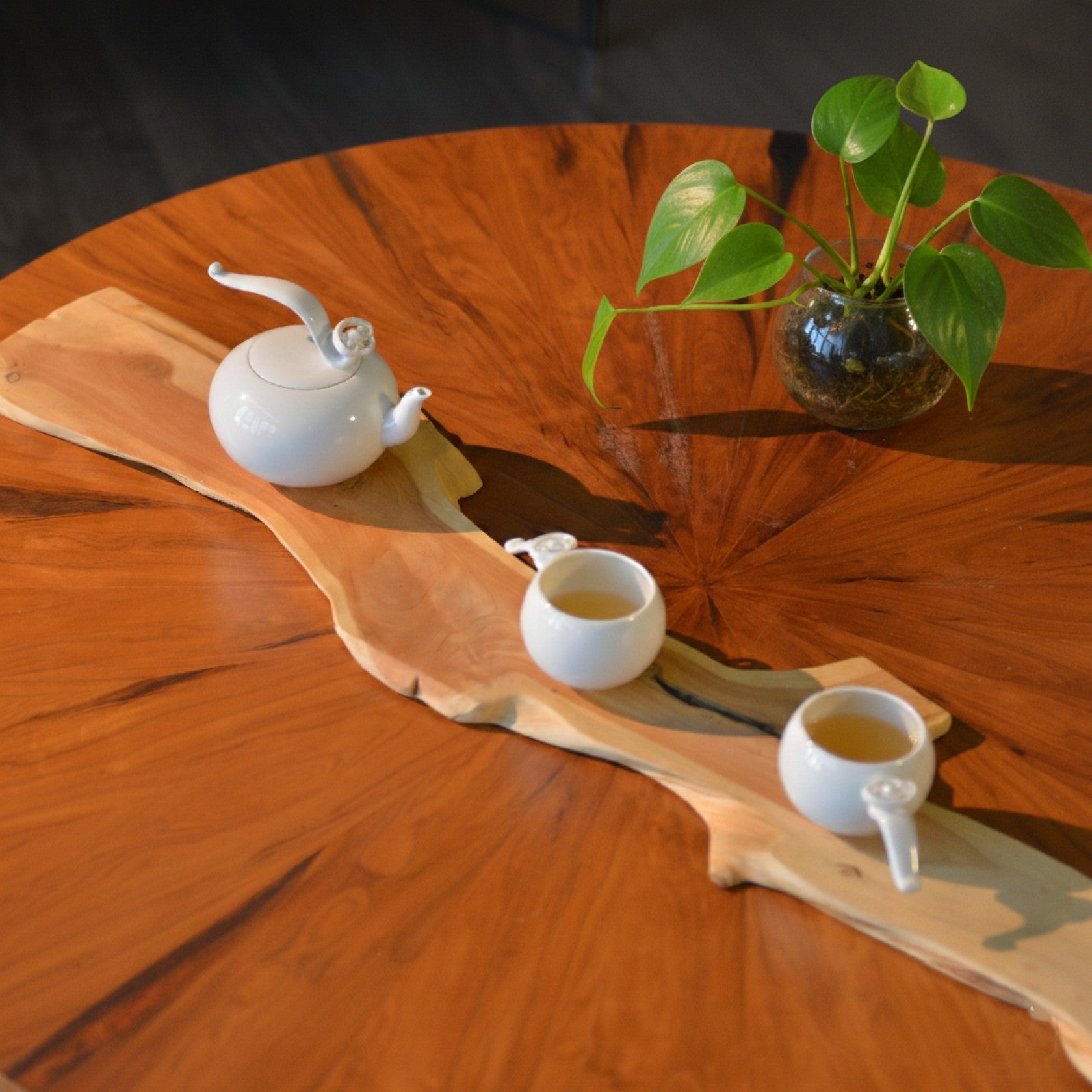
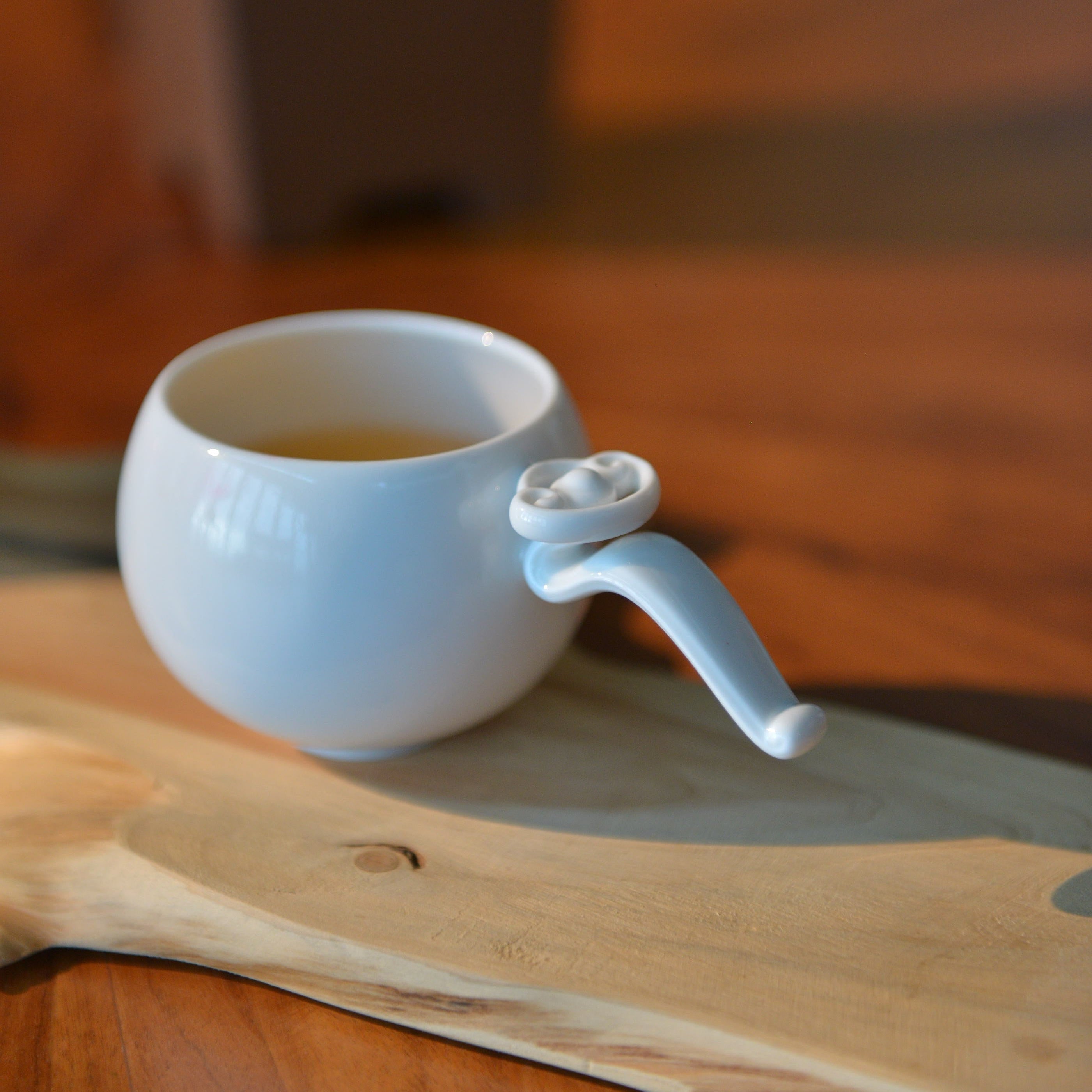
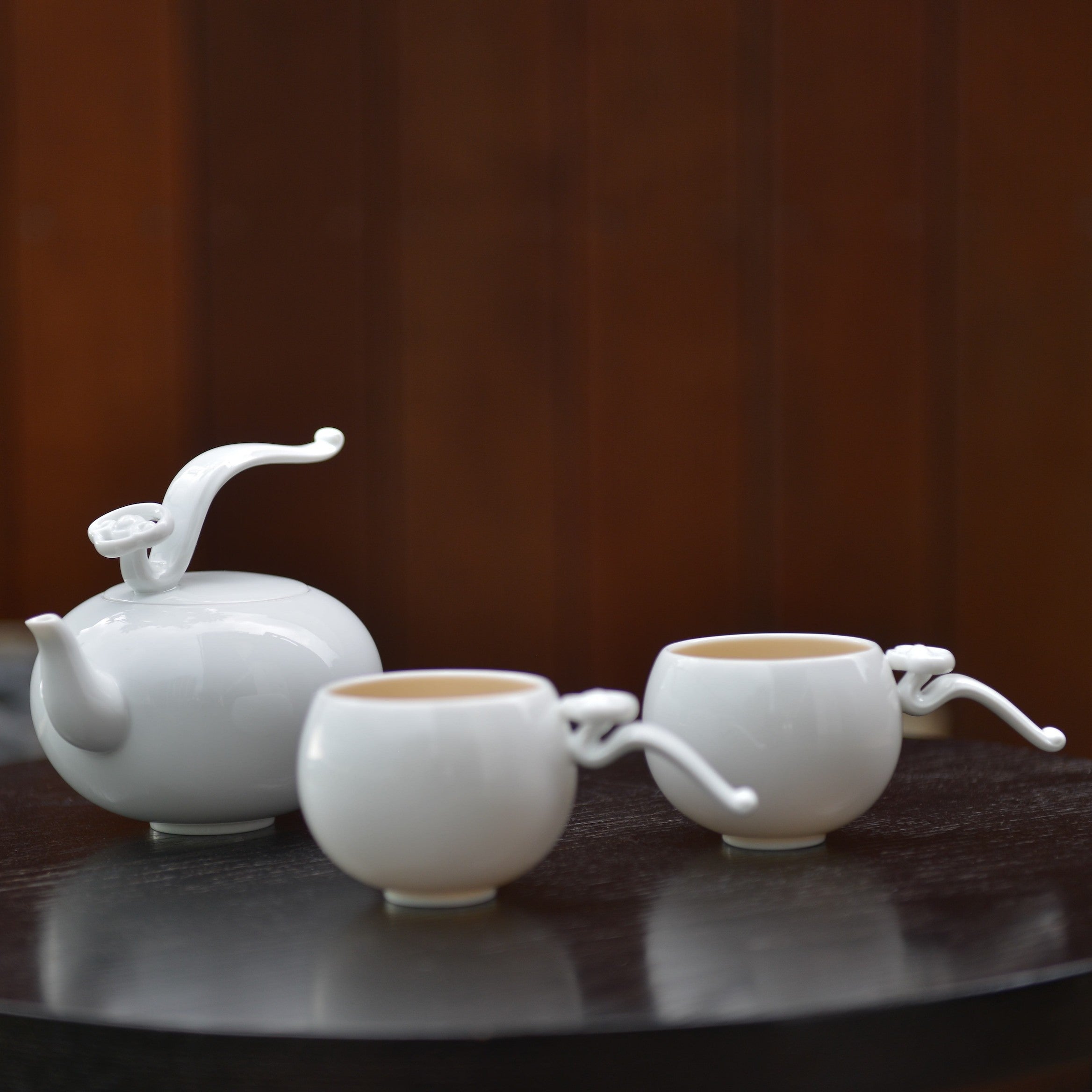
Flying High and Free is a poetic vessel that seeks a state of “the mind moving in harmony with its surroundings” within the rhythm of contemporary life. Through refined structure and flowing lines, the tea set transforms from a functional object into a medium of emotion and spirit. The lid, knob, and handle are formed in a single continuous gesture; the auspicious ruyi motif is reimagined as a line in flight—curving, joyful, and rhythmically unfolding through space. This composed arc is not only a formal breakthrough, but also a symbol of state of mind: maintaining freedom and elegance amid order and busyness, as expressed in the design statement, “After design and planning, flying high and free—without obstruction, able to accelerate at any time.”
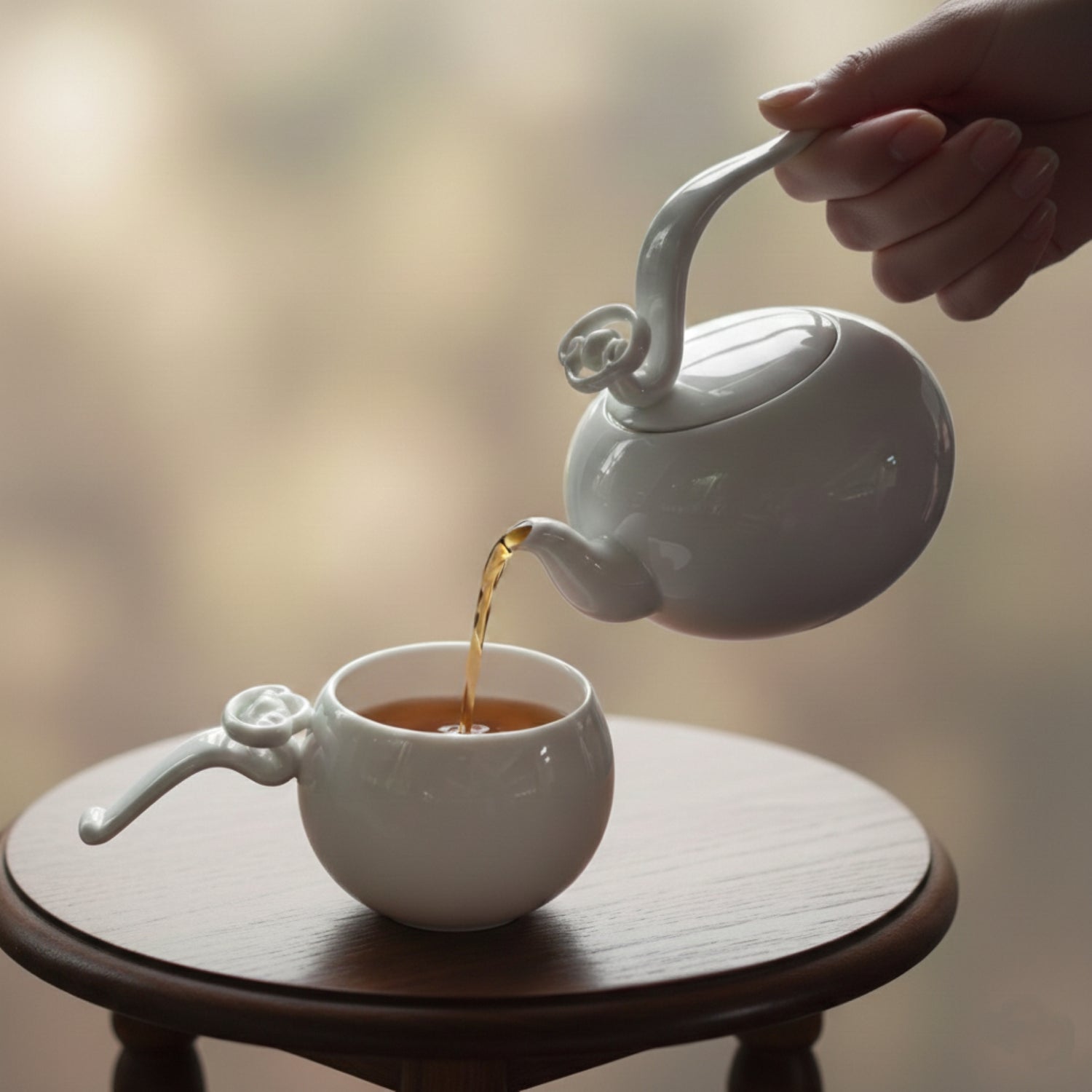
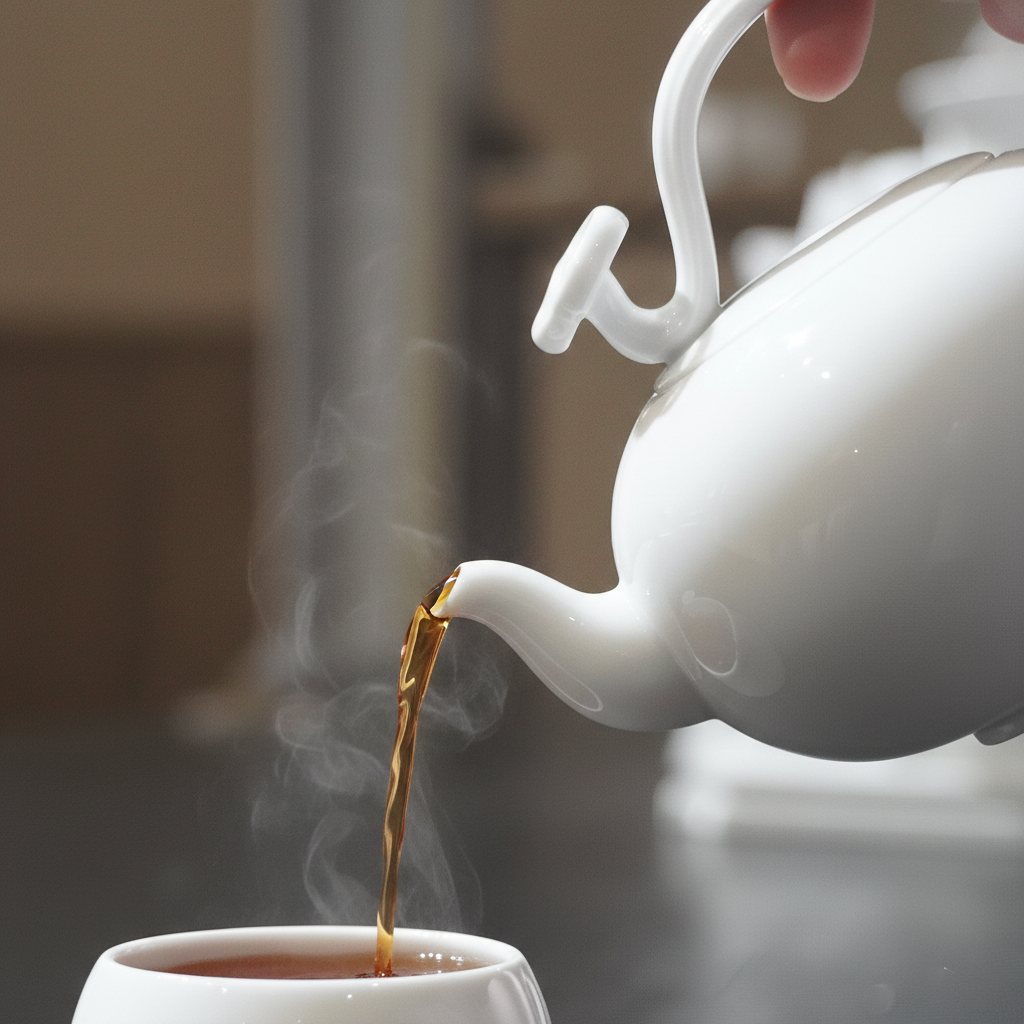
The rounded yet airy body of the teapot resembles a condensation of qi, gathering inner balance and rhythm within its form. As tea is poured, the warmth awakens the vessel’s breath, allowing form and energy to circulate between hand and heart. This reflects the core idea of “Vessel and Measure (Qi · Du)”—that within form resides attitude, and that structure and rhythm together constitute an aesthetic order of living. The work does not flaunt technique; instead, through restraint and intentional blankness, it invites the drinker to experience a sense of unhurried time and clarified awareness within a single cup of tea.
The upward lift of the handle and the forward extension of the spout create a spatial tension akin to a heterotopia—a place that belongs neither to classical convention nor to everyday neutrality. In this way, the act of drinking tea becomes a transitional ritual, suspended between reality and ideal. When the fingers trace the ruyi curve, the mind follows, lifting away from the density of urban life into a moment of self-contained ease. Such a vessel is not merely a container for tea, but a dwelling place for the contemporary spirit, allowing the act of drinking to become a practice of self-tuning.
Through a language of rhythm that approaches the musical, Flying High and Free interweaves form and emotion: the teapot body serves as the steady low register, while the handle becomes the rising melody. Together they compose a silent piece of music. Tea drinking is no longer only a sensory experience of taste, but an elevation of the spirit—an instance where object and self merge, revealing the wisdom of “measuring life through vessels, and seeing the heart through measure.” In this way, the tea ceremony ceases to be a reenactment of tradition, and instead emerges as a modern poetics of freedom, rhythm, and spiritual height.