

當百年建築遇見當代瓷器|王俠軍《新・典》於上海和平飯店開幕
2026年9月9日,當代瓷器藝術家王俠軍《新・典》於上海和平飯店正式啟幕。當具有雕塑性的當代瓷器走進百年建築,一場關於傳統、創新與未來經典的對話就此展開。透過開幕現場與《雙羊祥尊》《春風》《開泰》《大吉大利》等代表作品,認識王俠軍如何以當代造型重新詮釋東方文化。
A vessel for blessings passed across generations
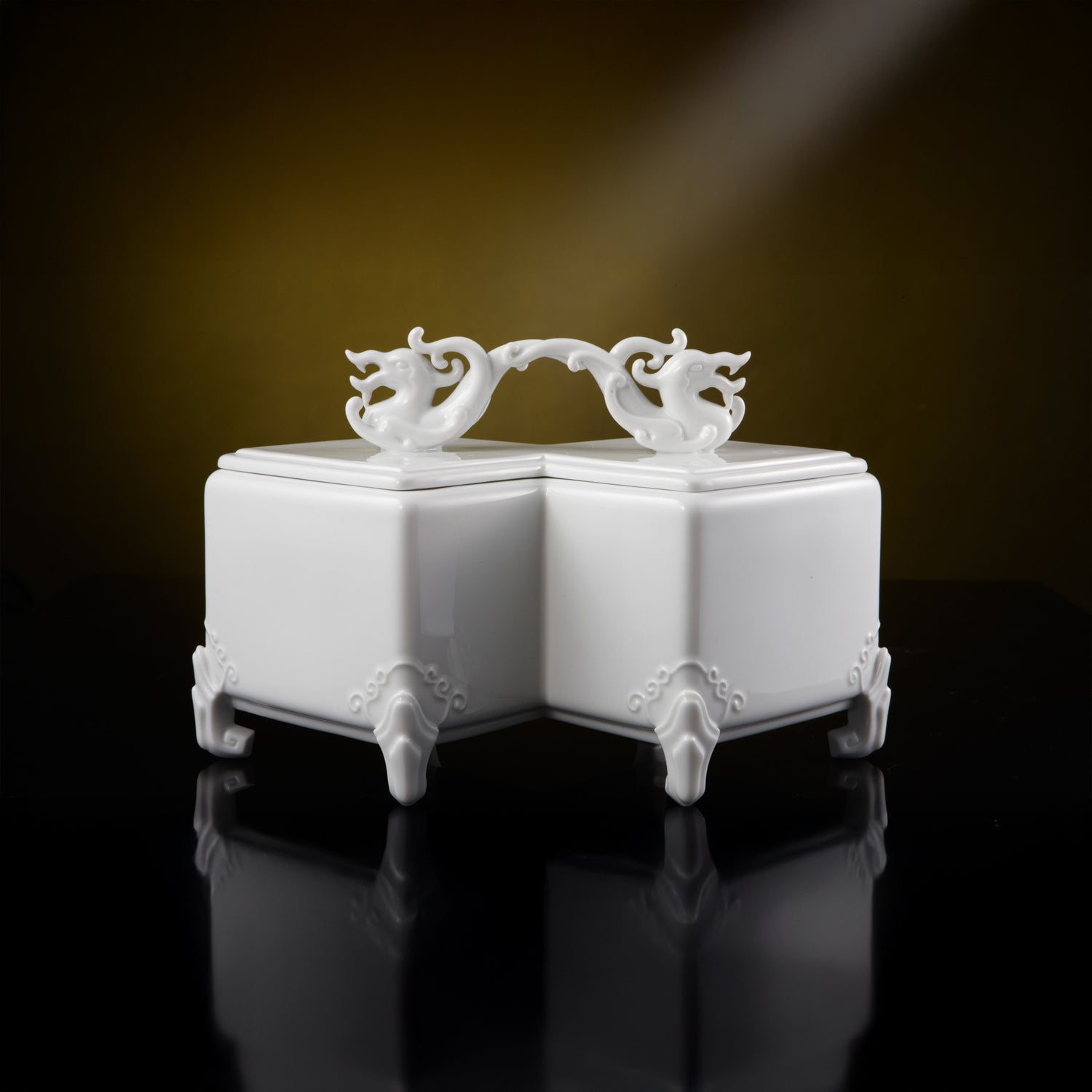
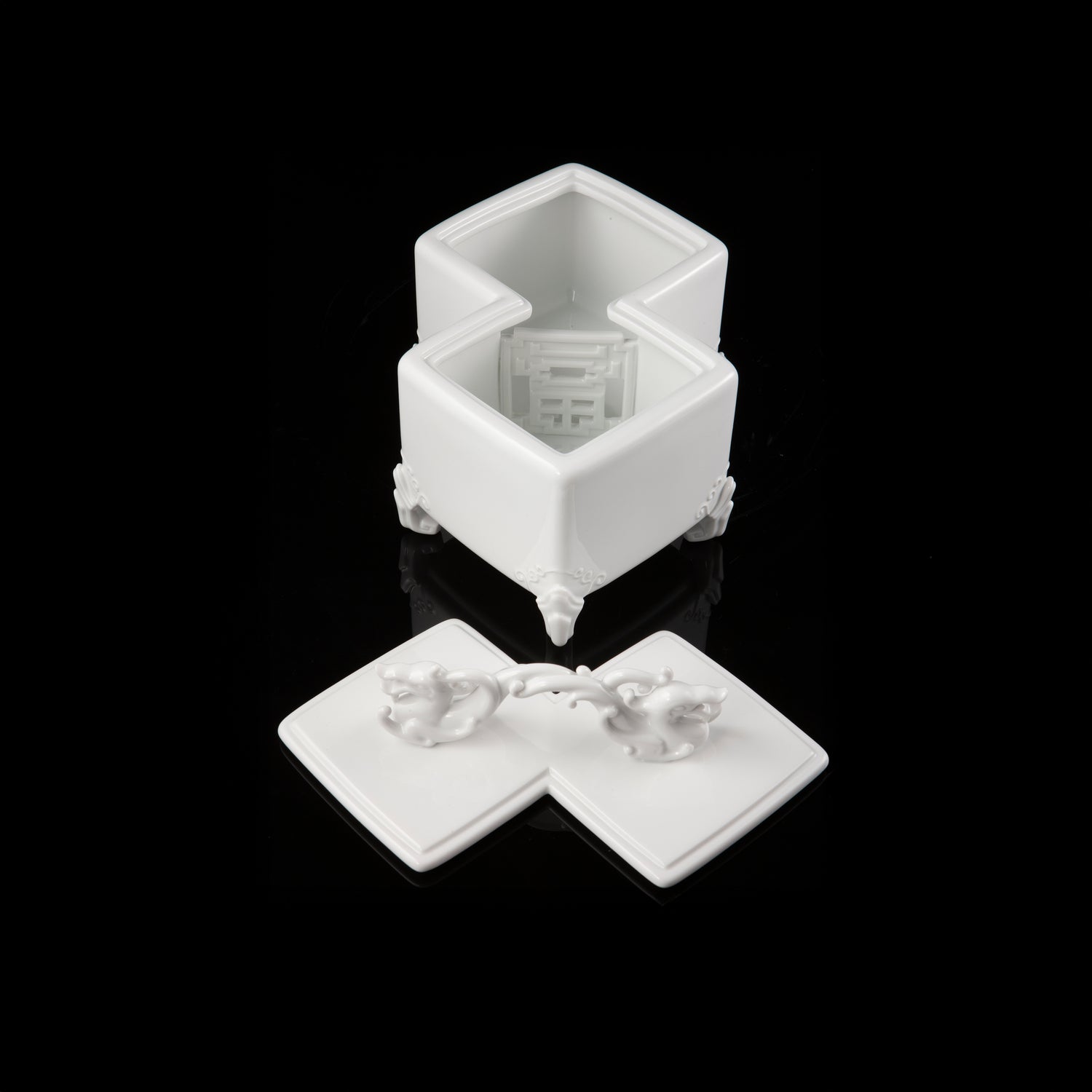
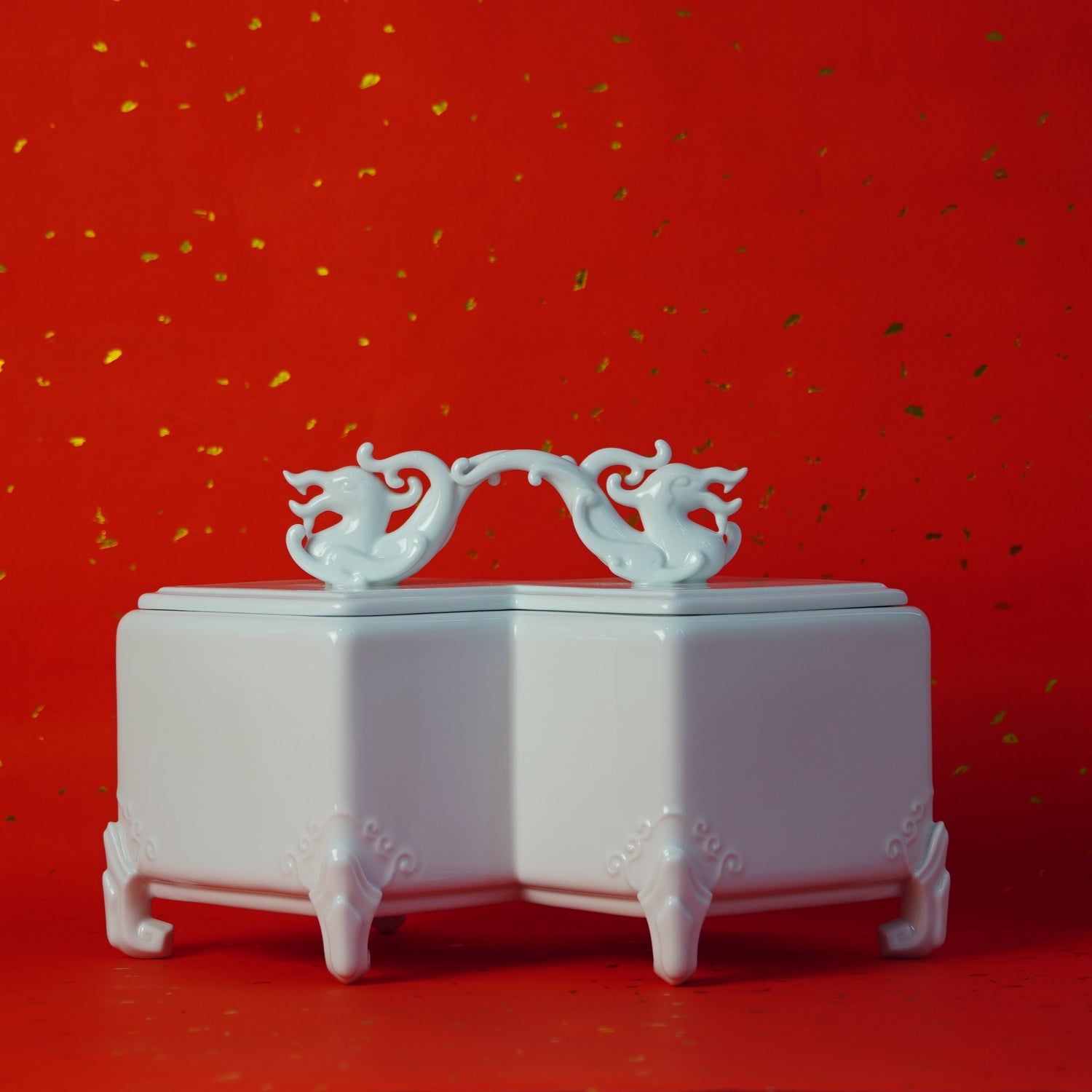
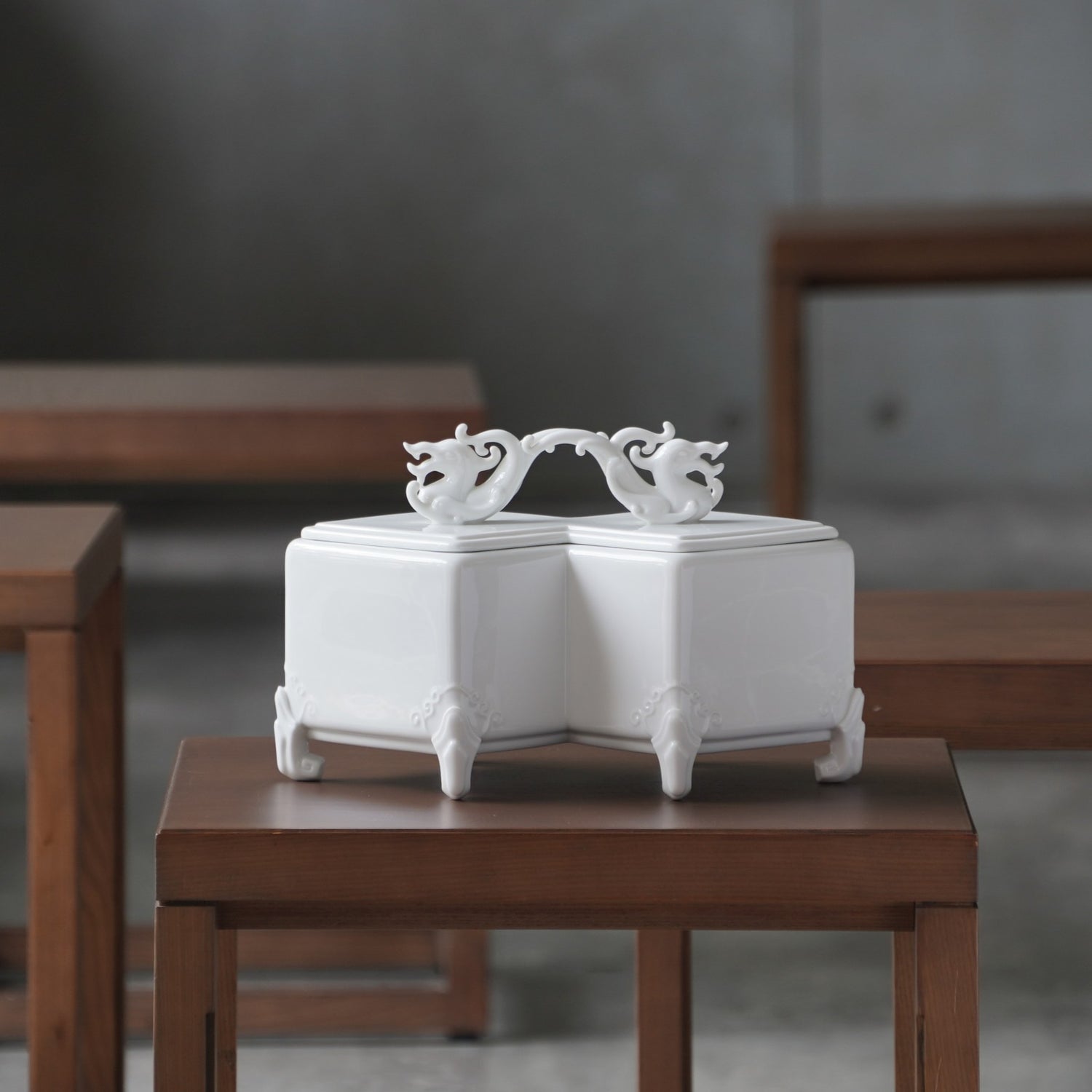
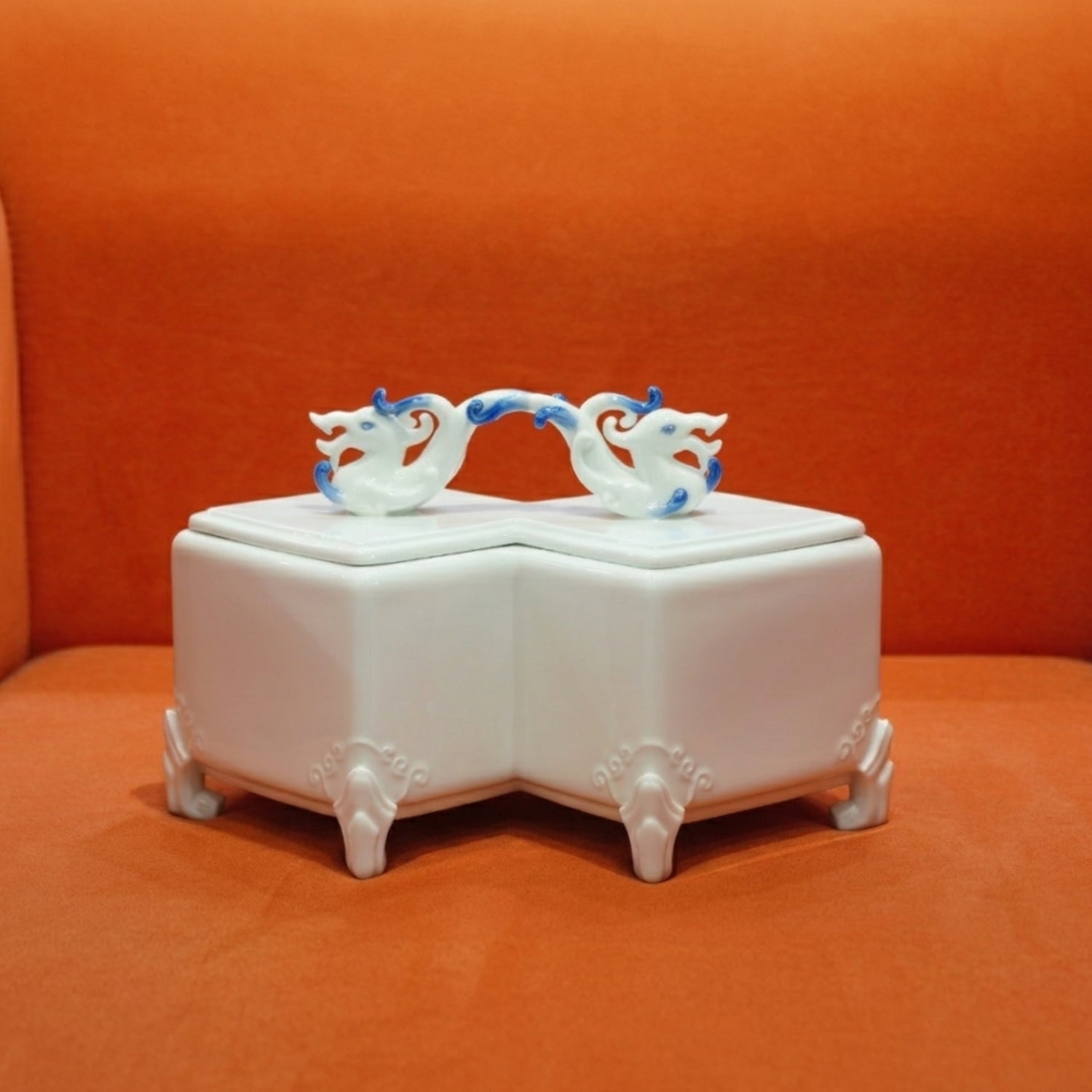
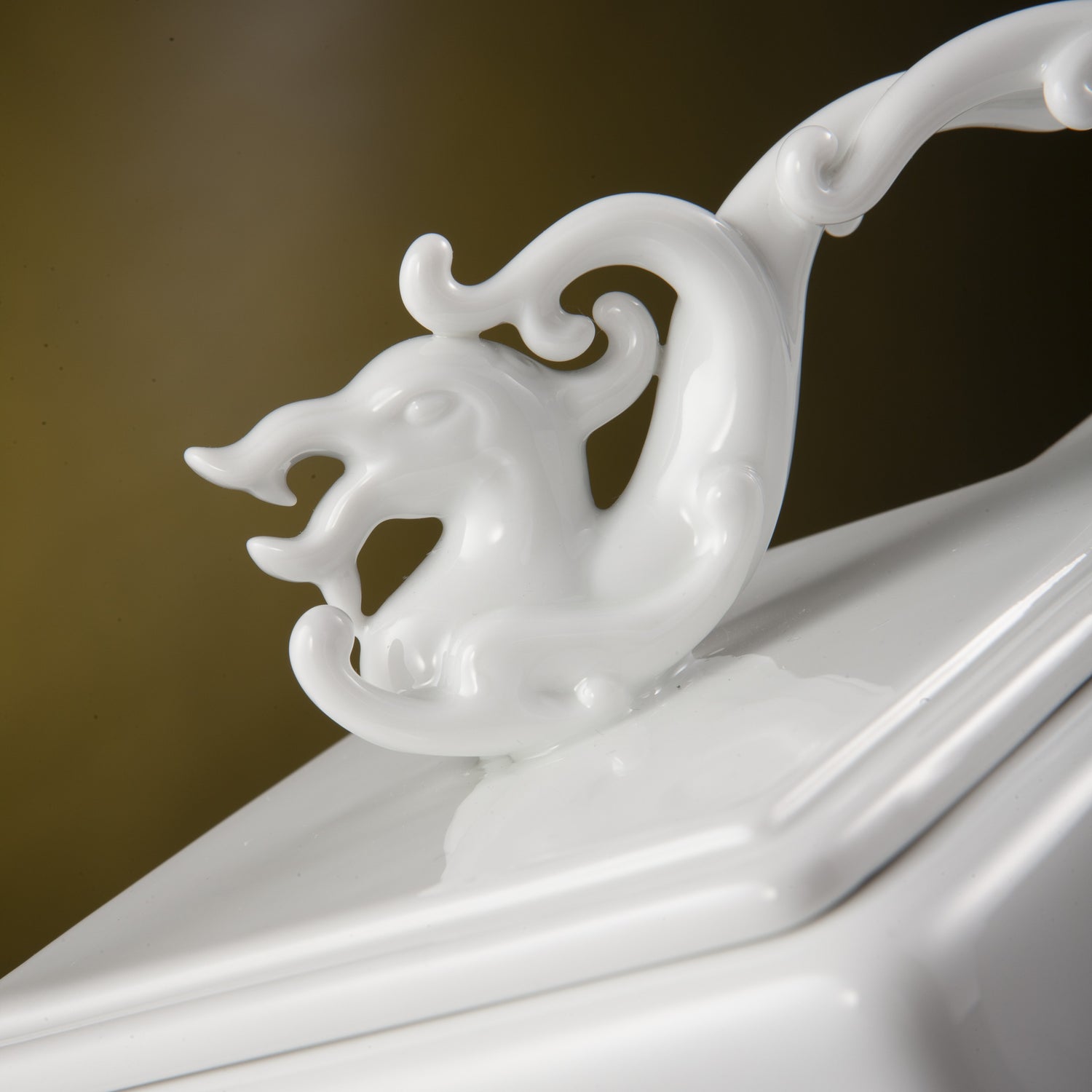
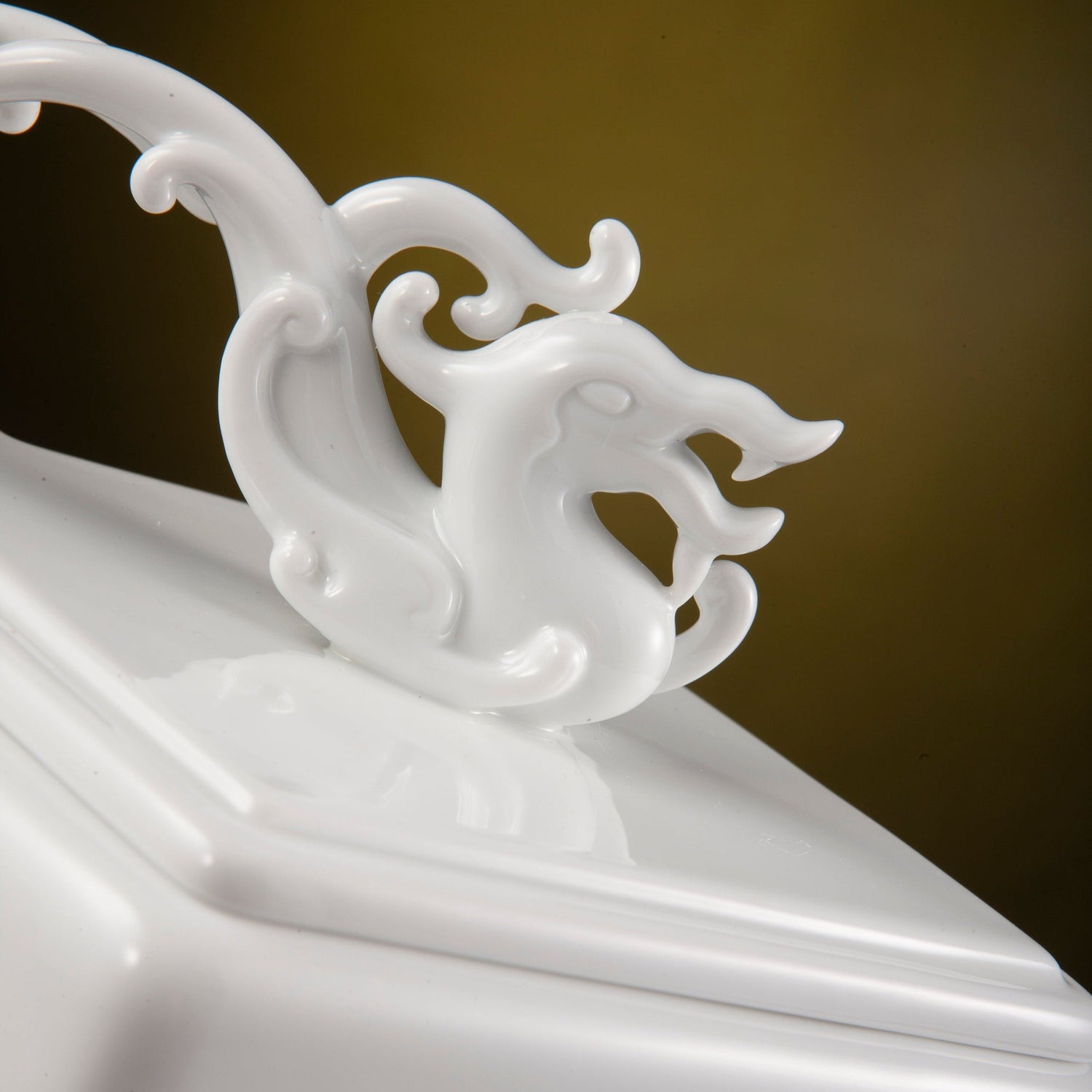
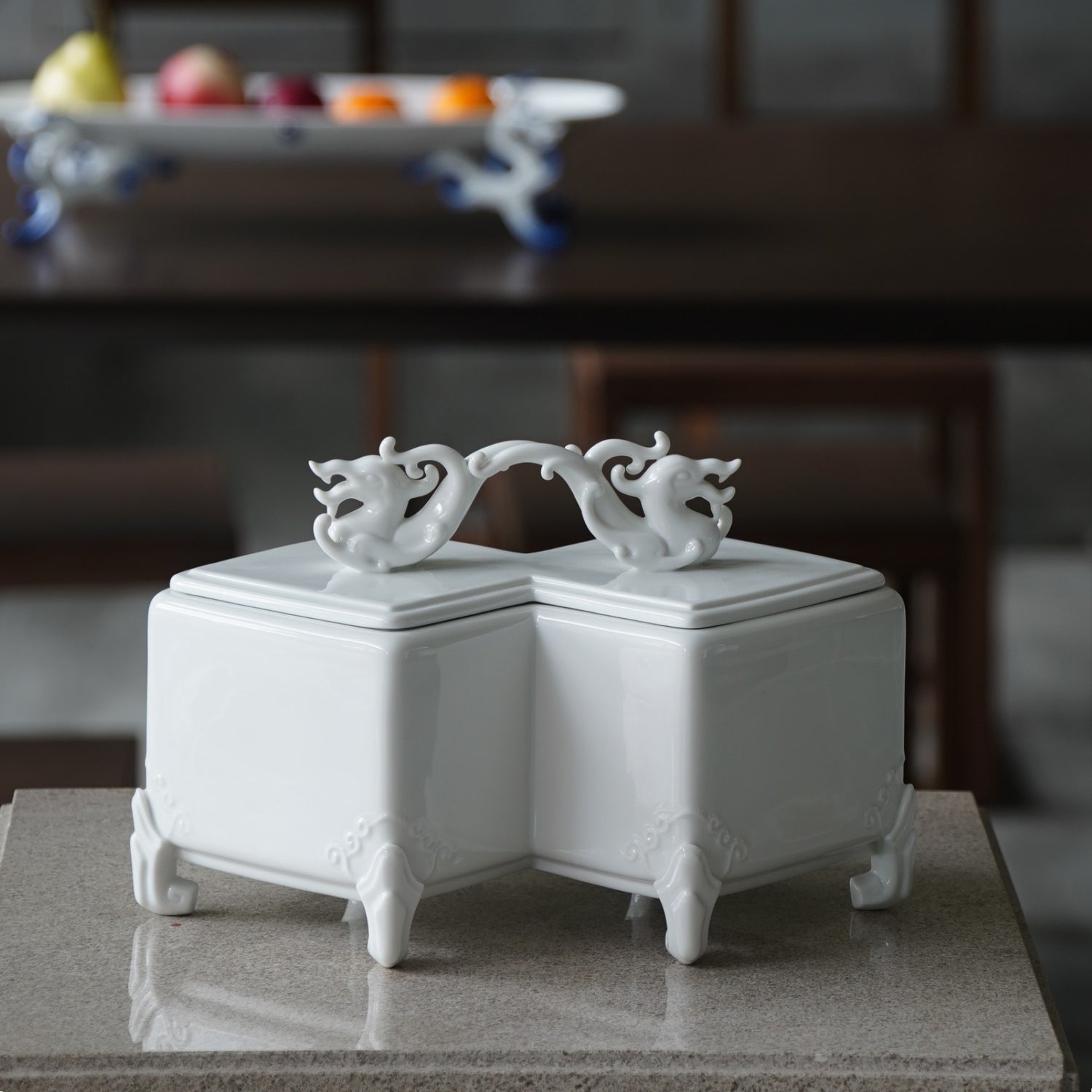
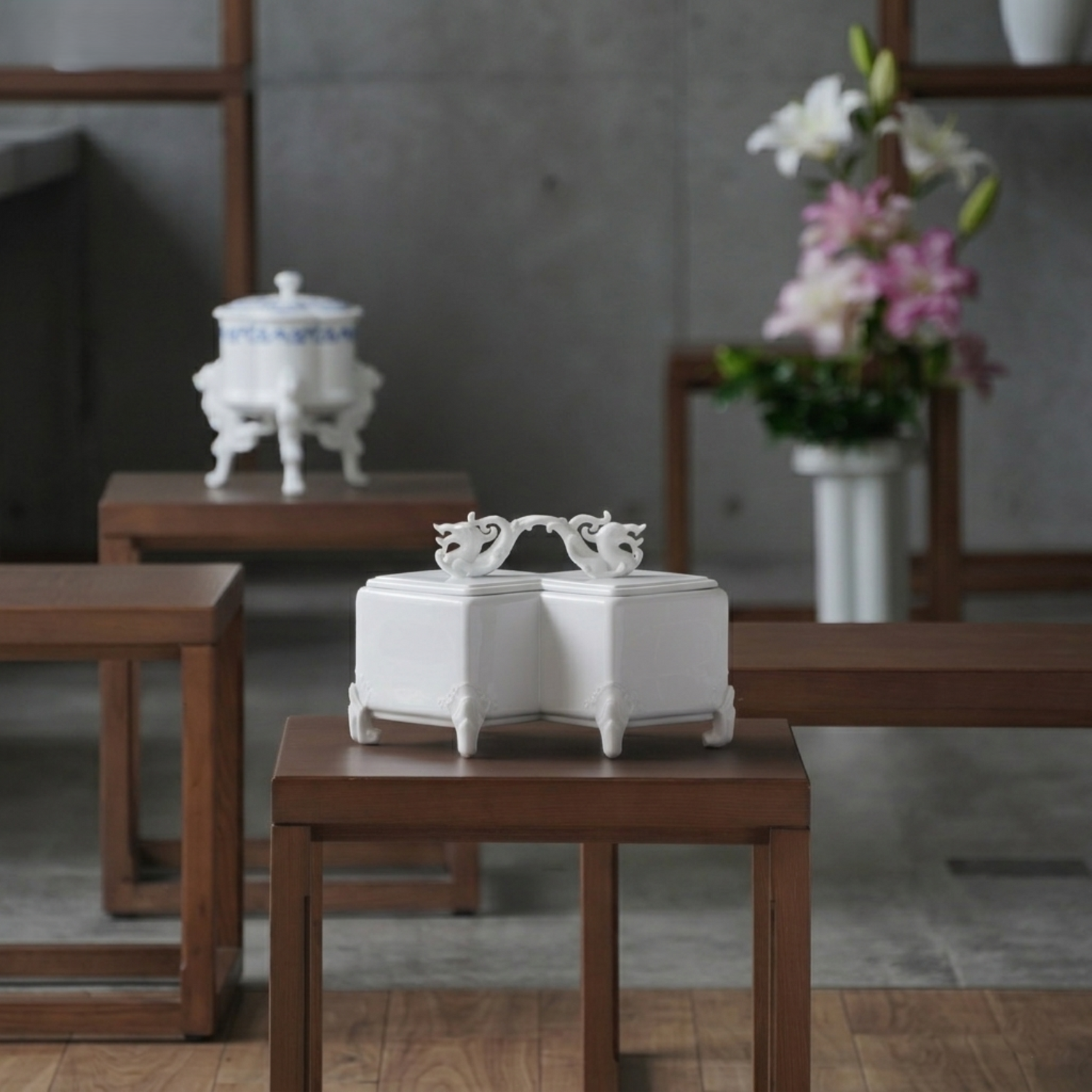
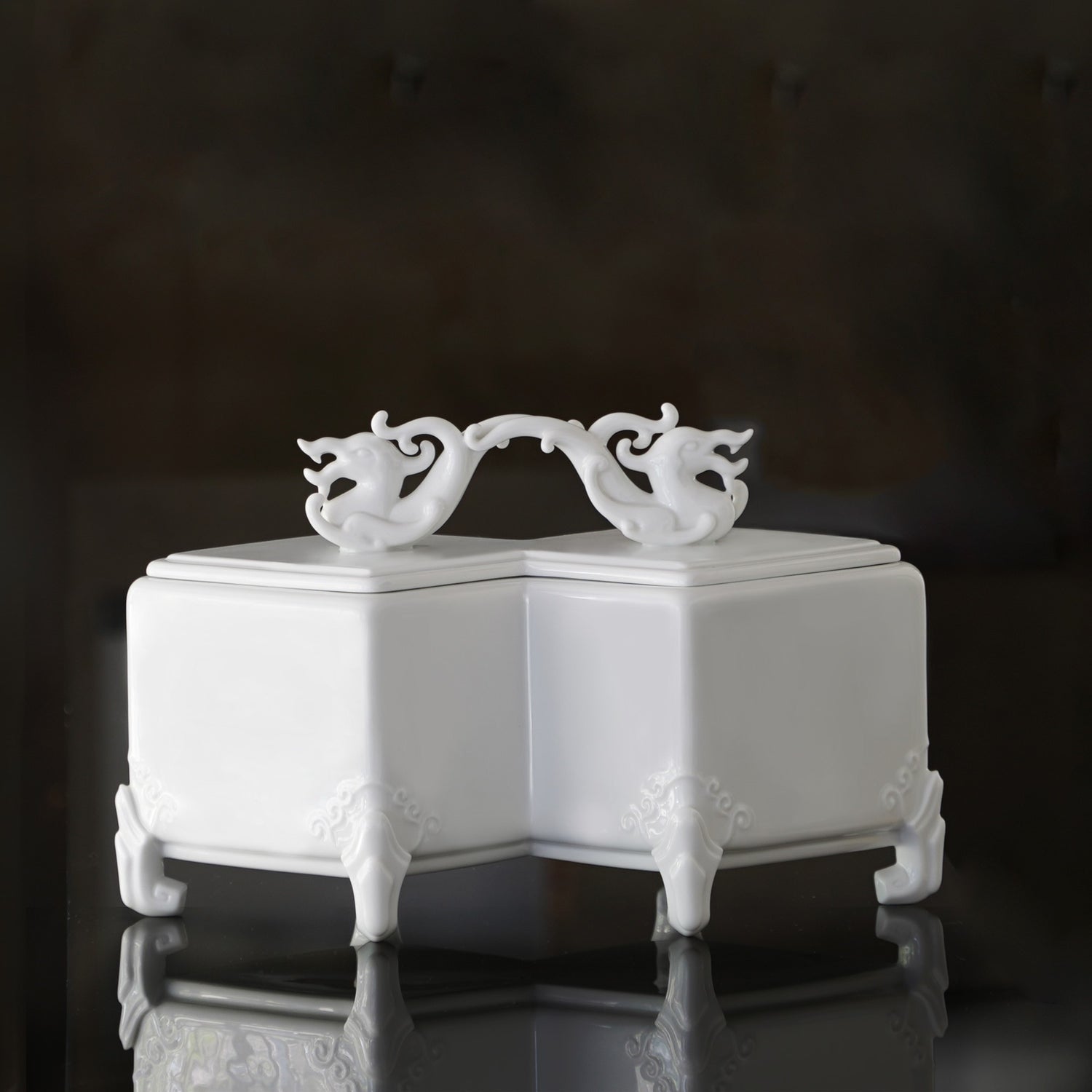
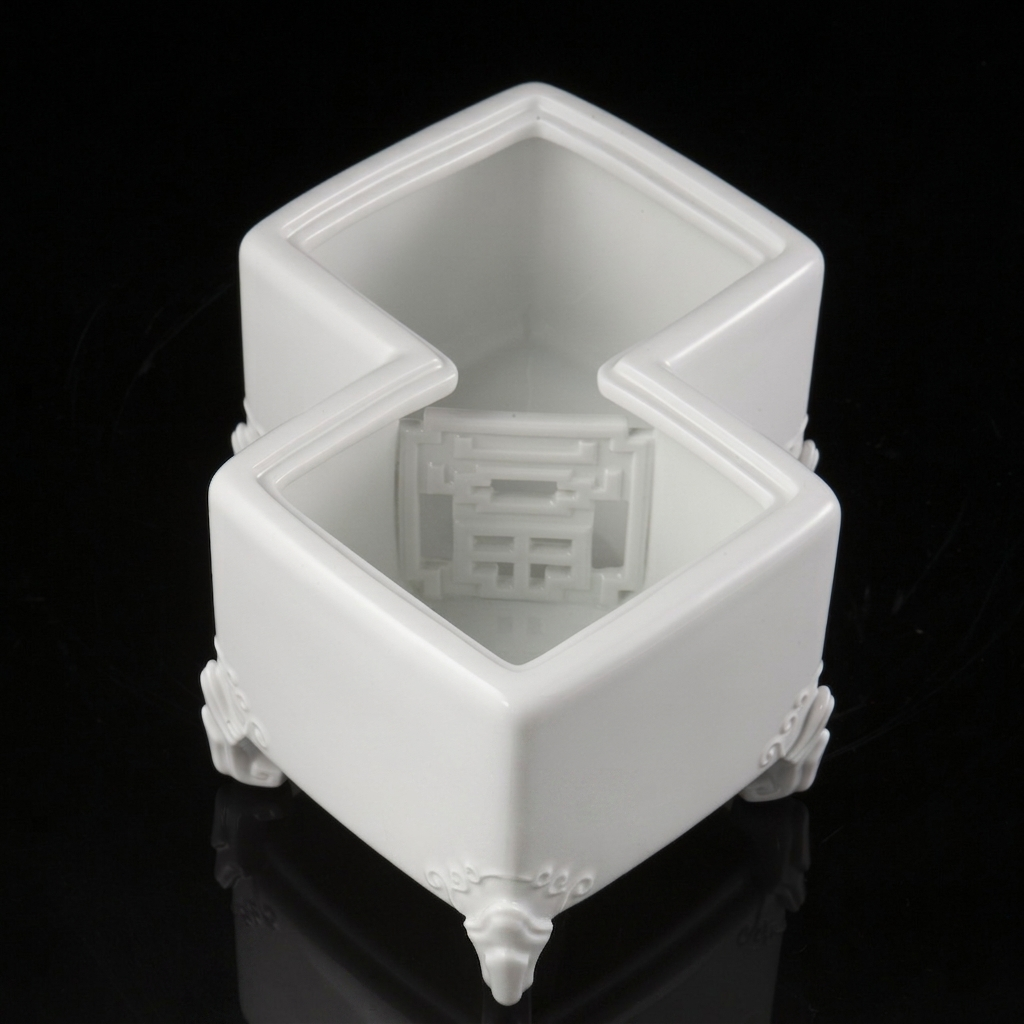
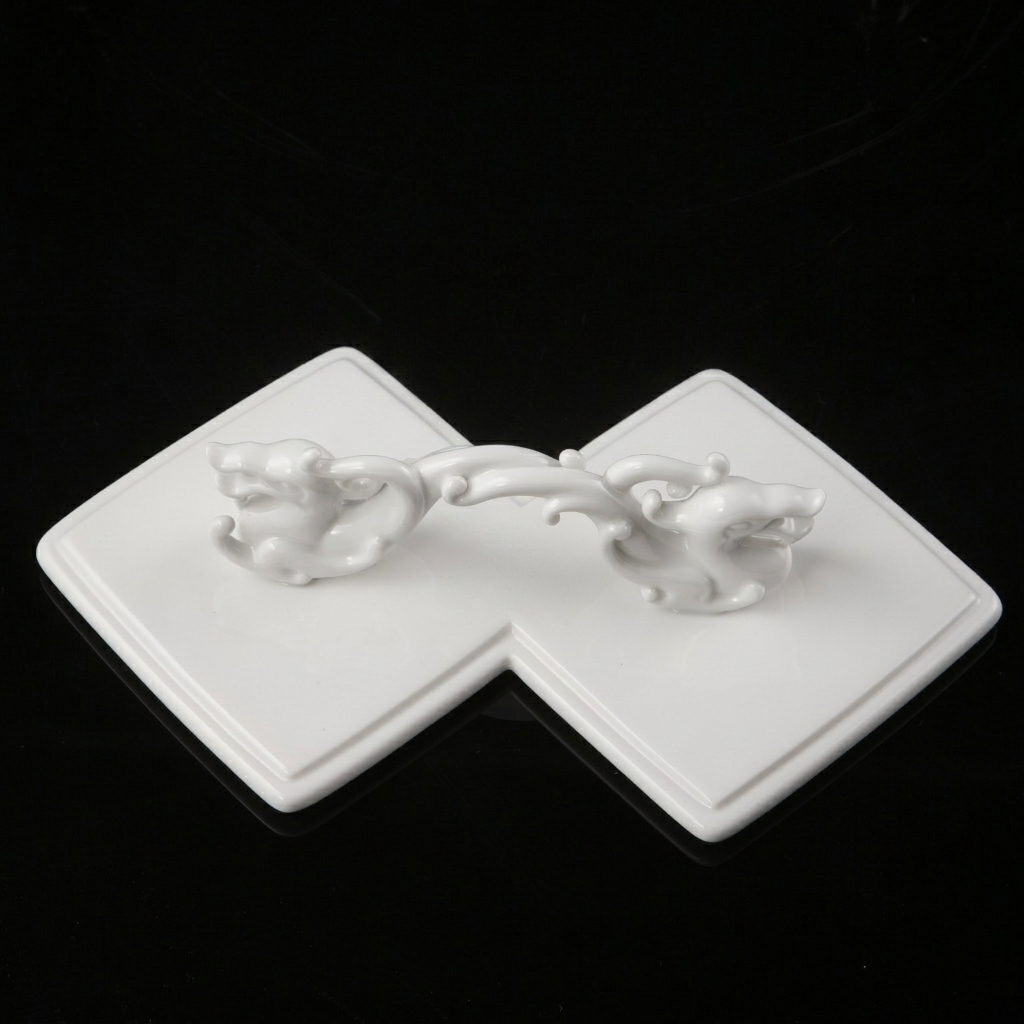
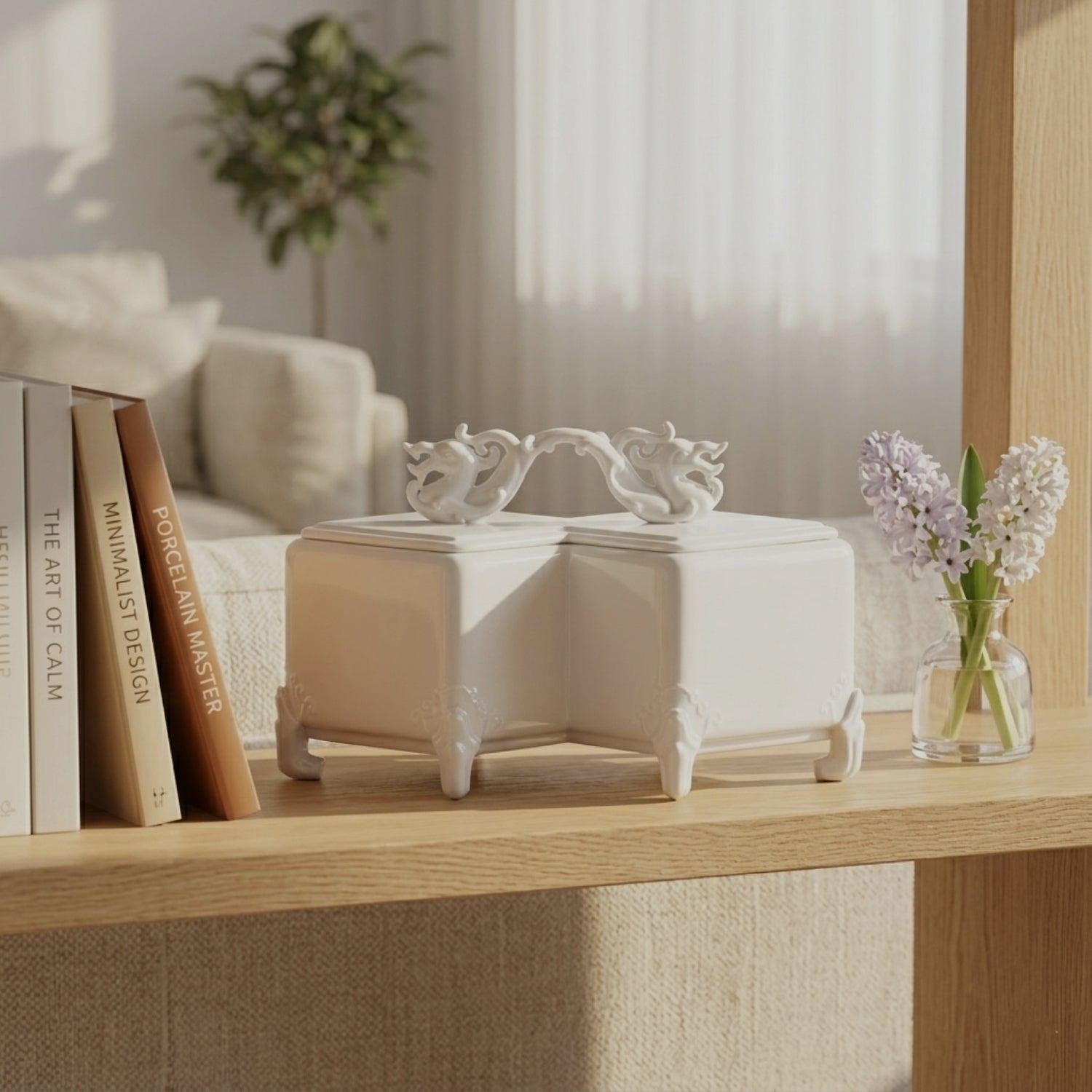
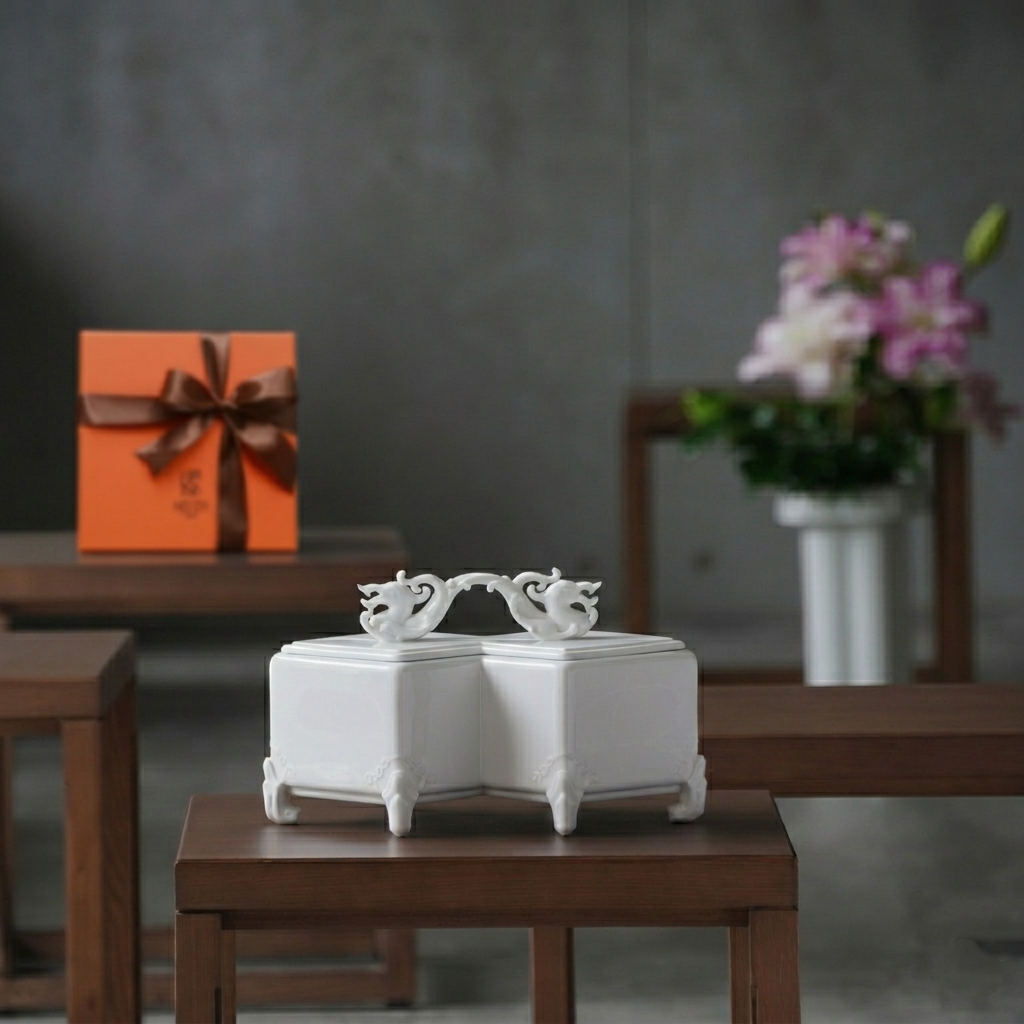
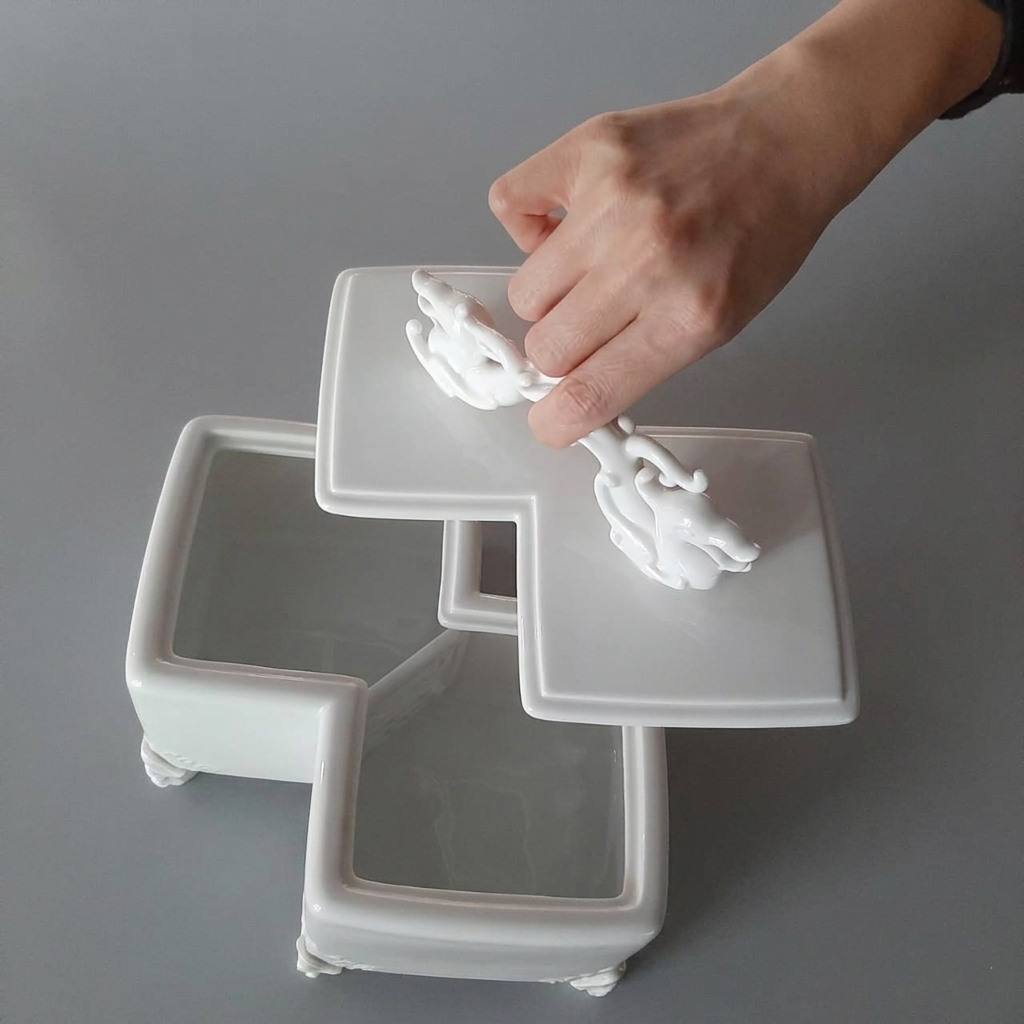
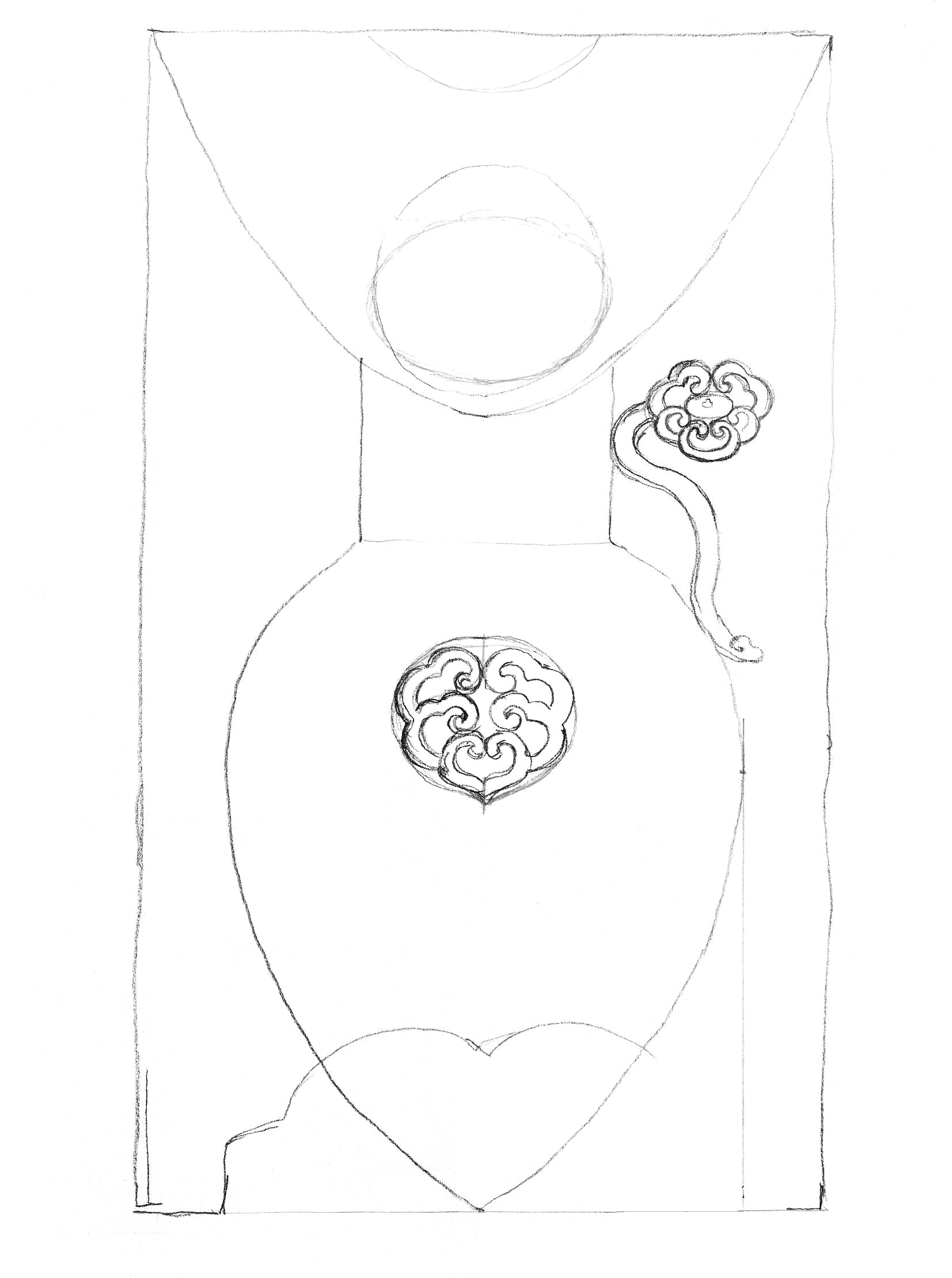
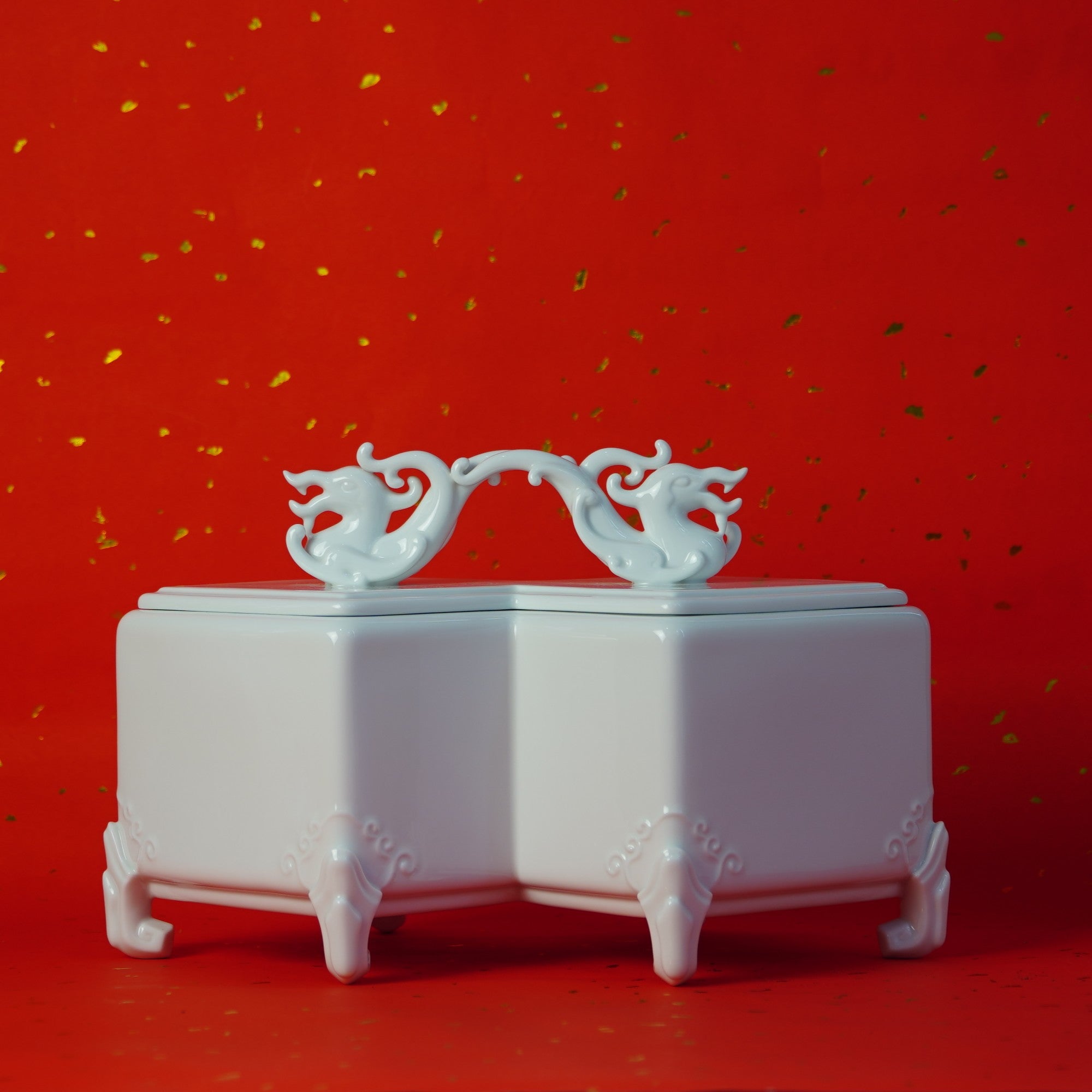
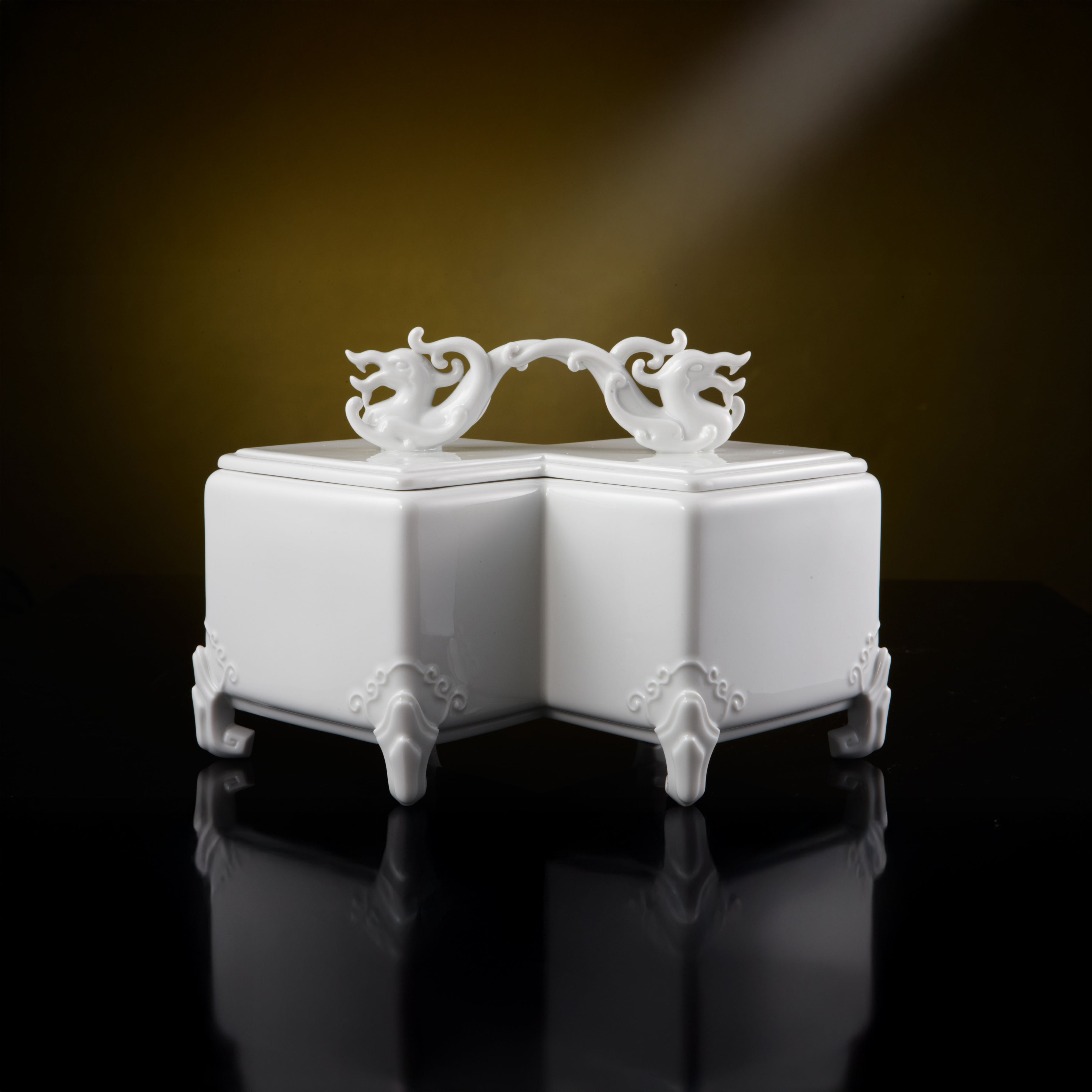
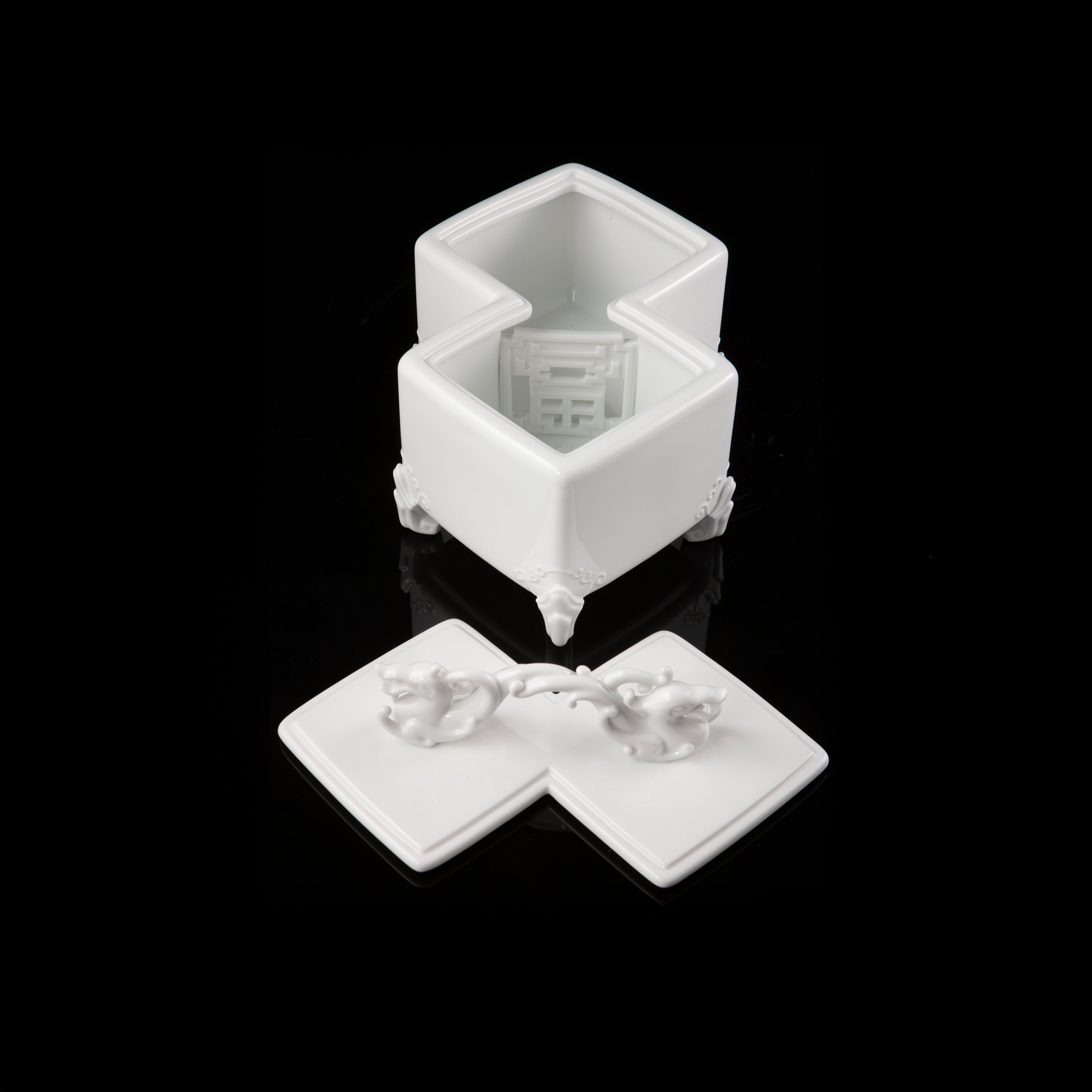
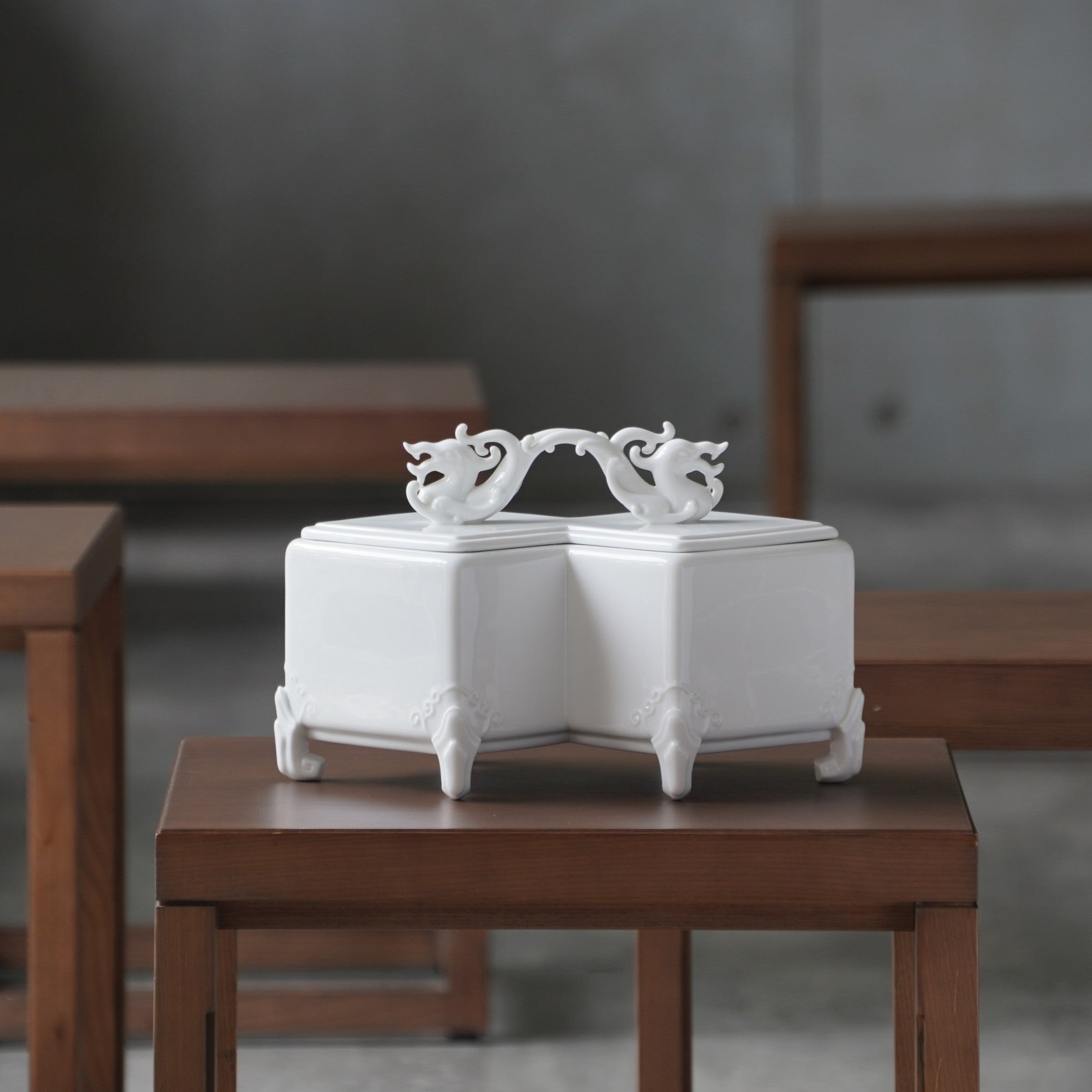
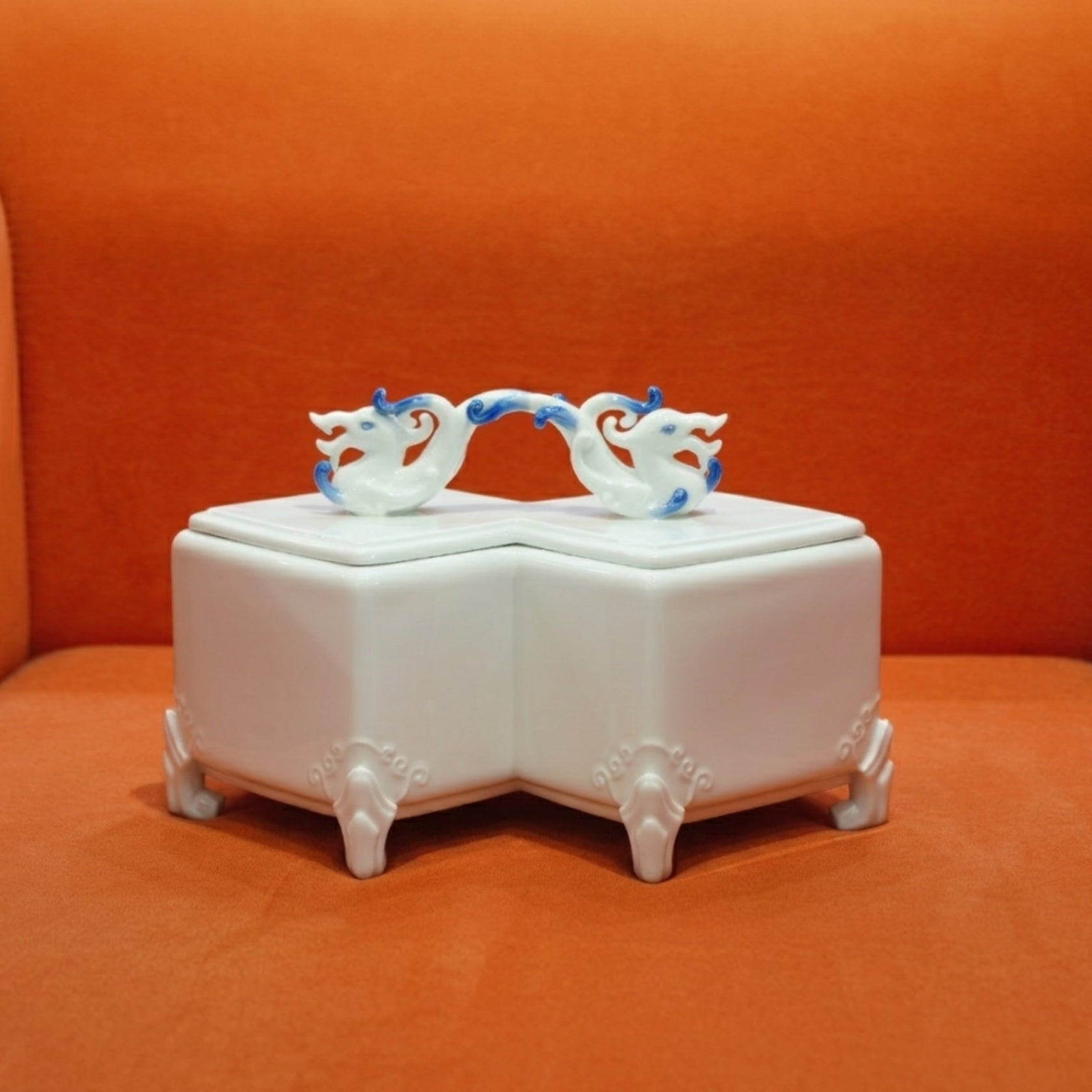
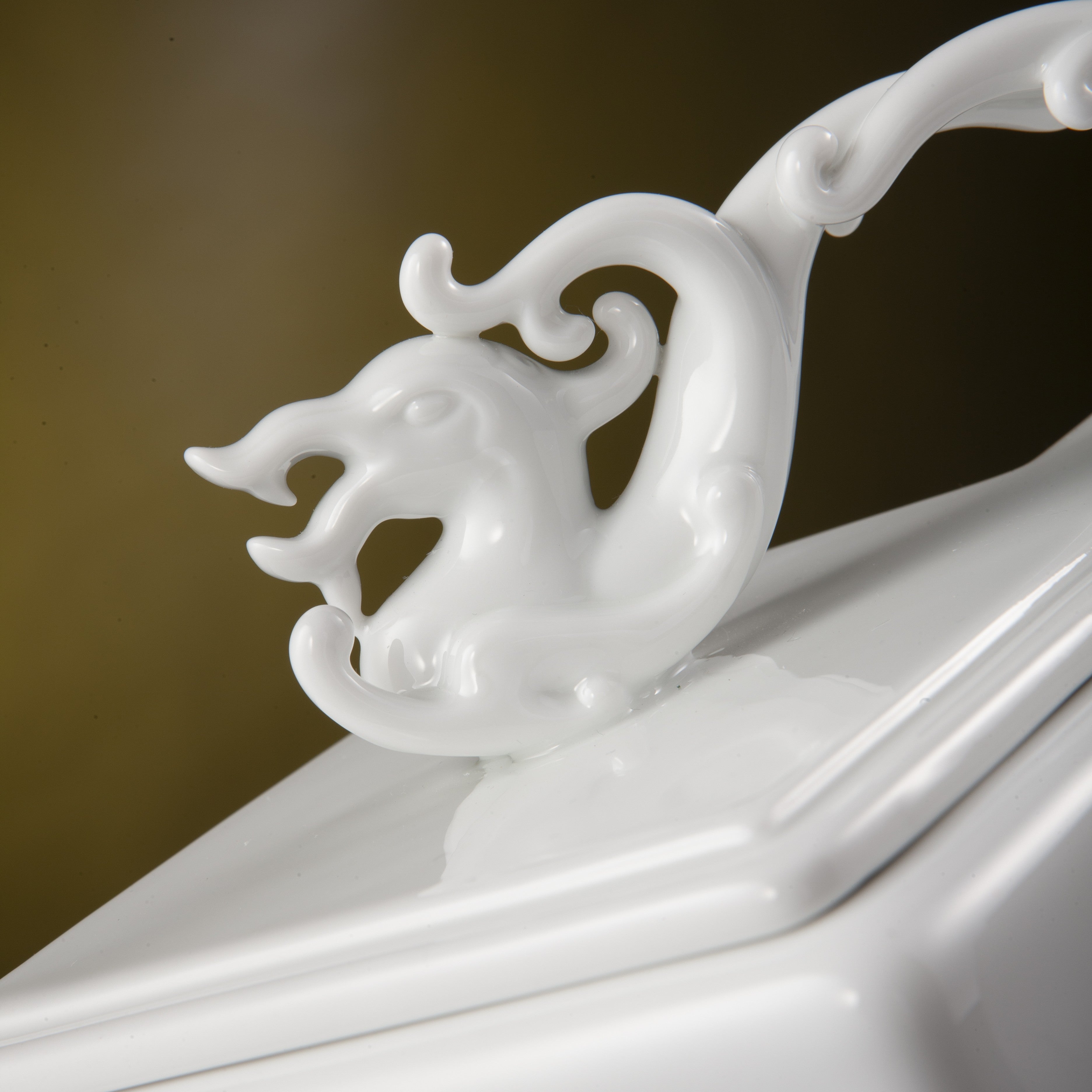
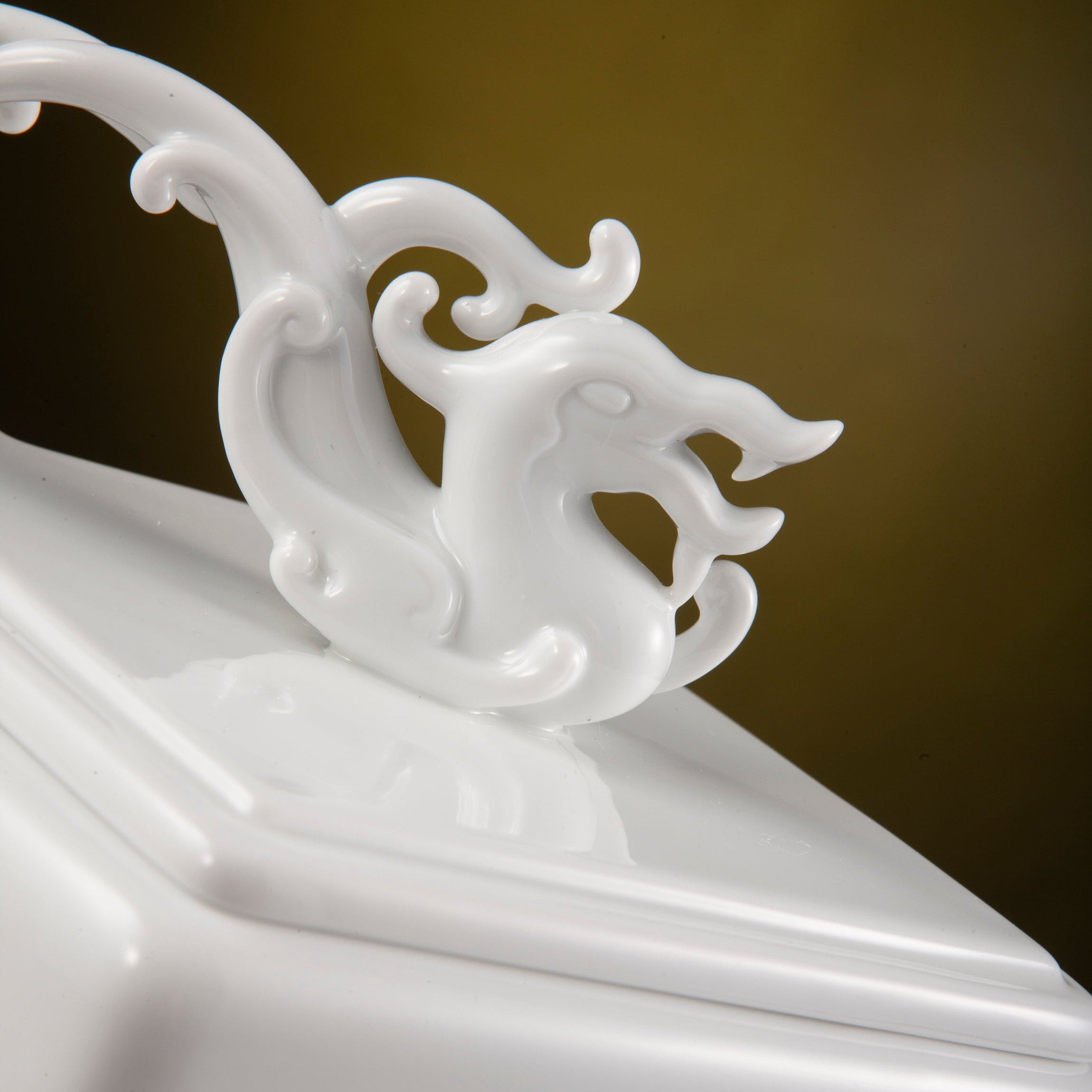
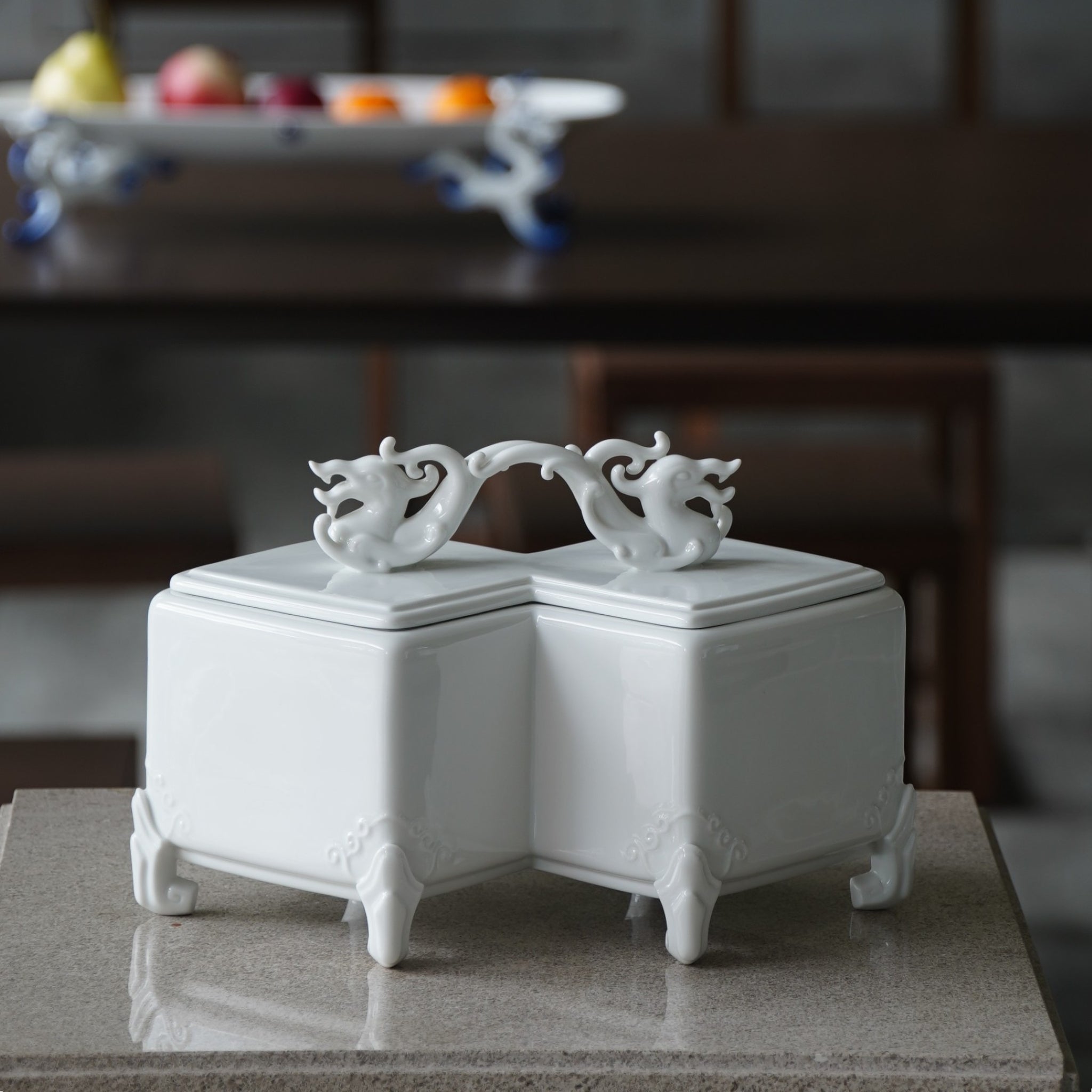
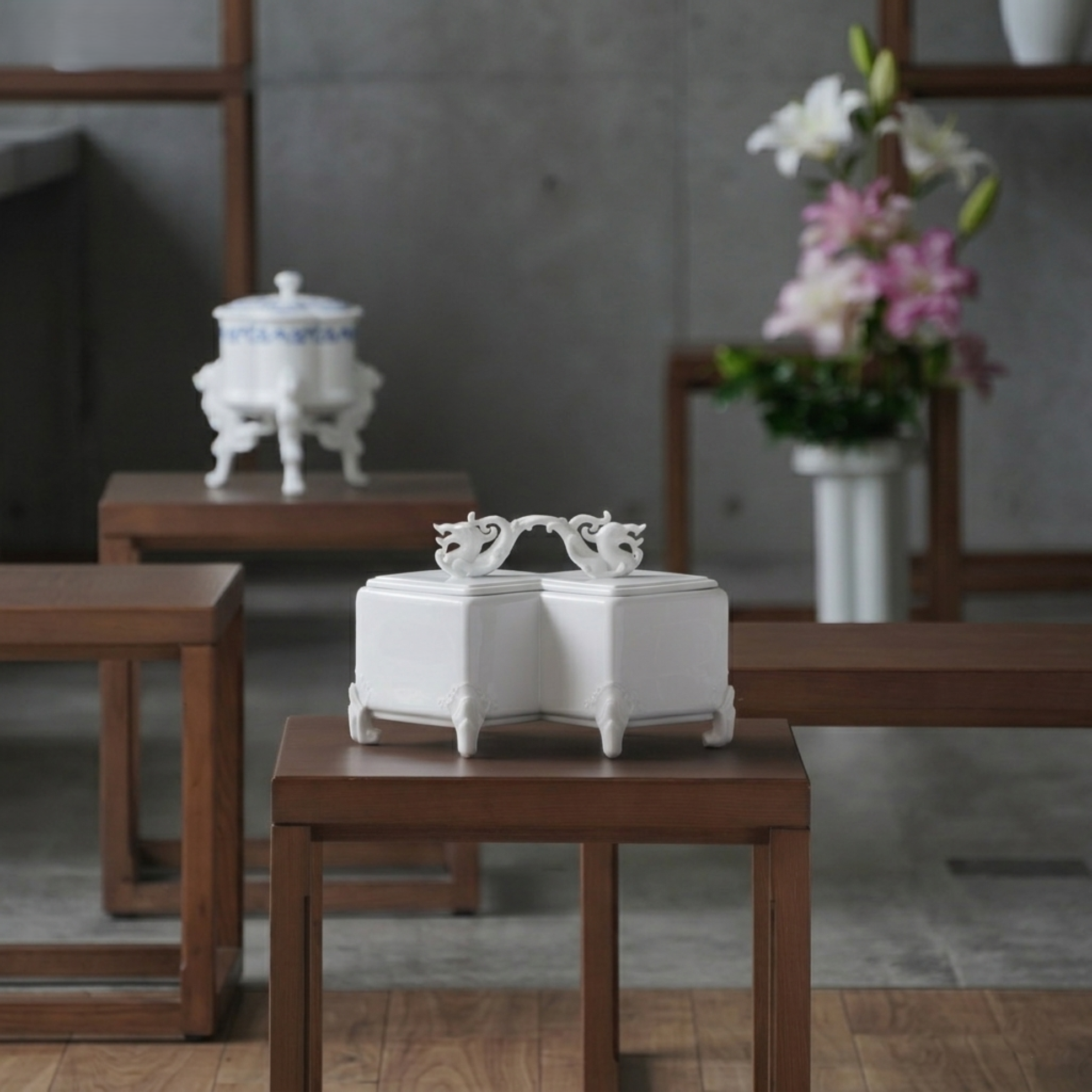
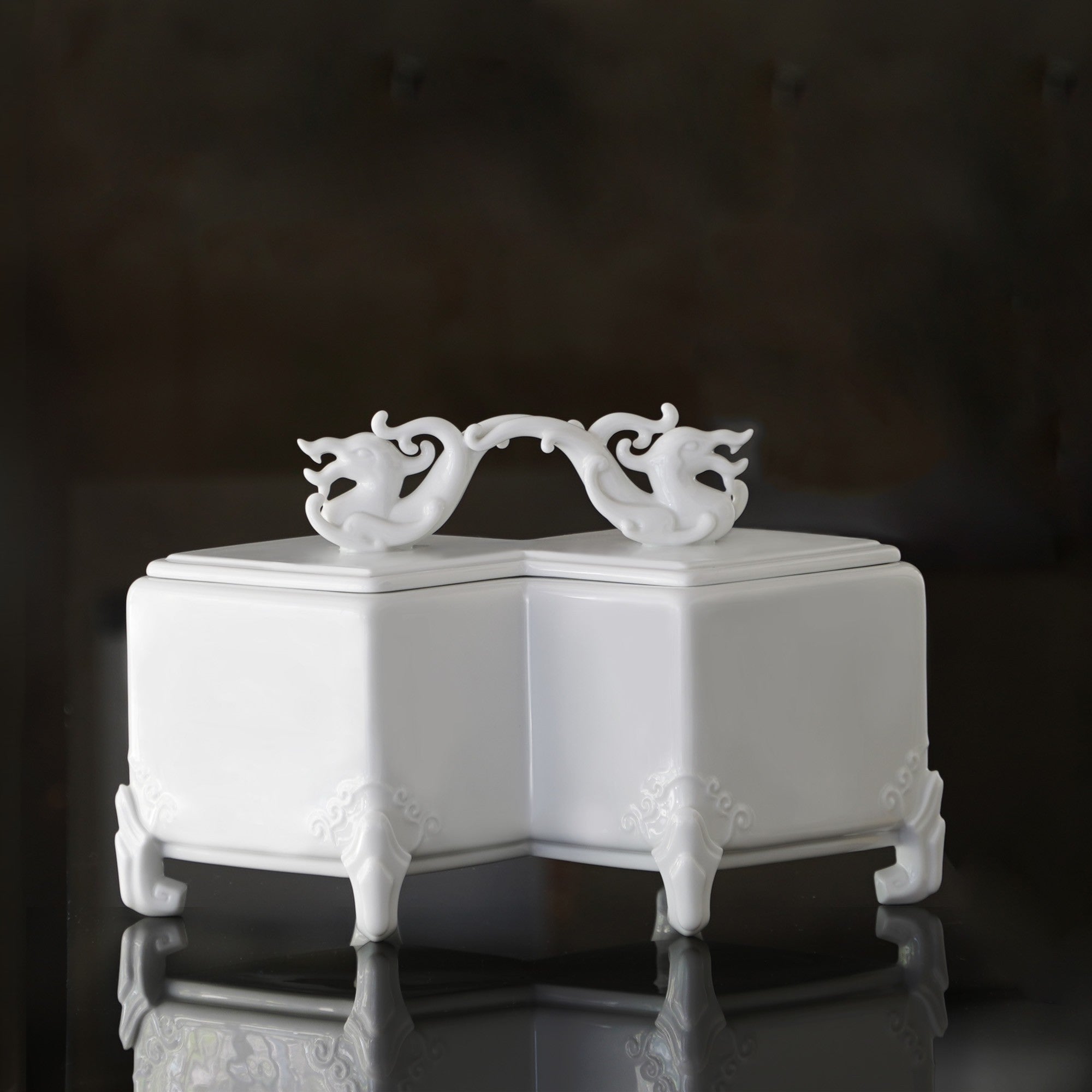
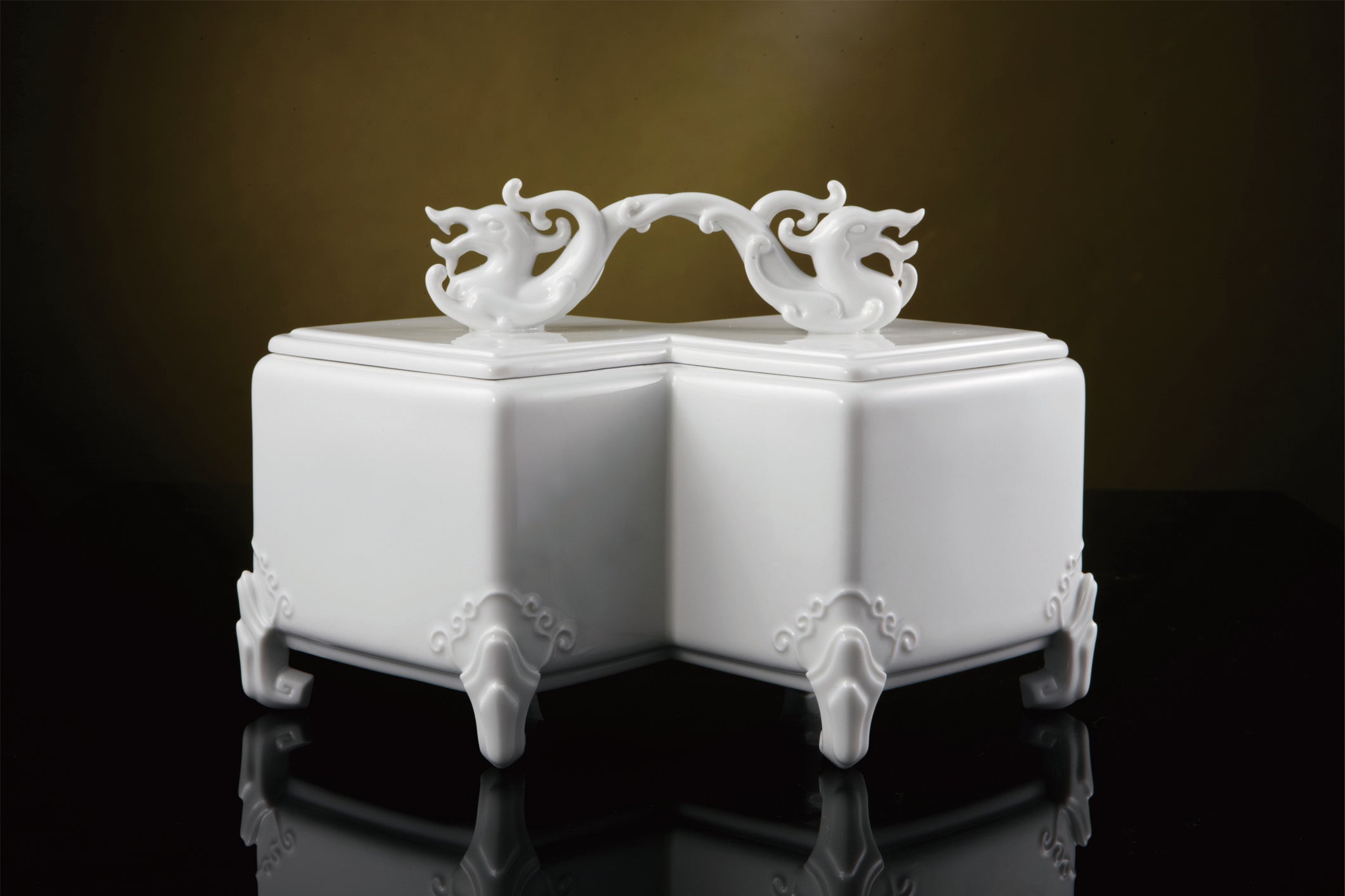
Glory Across Directions is a limited edition work from NewChi Porcelain's Heirloom Series — 333 pieces worldwide. Two square boxes intersect at 45 degrees to form eight faces; six feet stand firm below; twin dragons arch across the lid; and at the heart of the piece, a latticed character for "wealth" stands quietly between the two chambers. Designed by Heinrich Wang with the Confucian vision of family legacy at its core, this is not simply a gift. It is a vessel for everything a family wishes to pass down.
此作品為八方新氣限量創作,因製程極為繁複,僅保留少量典藏名額。
若您希望更深入了解作品細節、創作寓意或收藏方式,歡迎與我們聯繫,
我們將由專人為您說明,並提供一對一協助。
填寫洽詢後,我們將提供:
・作品的細節照片與不同角度
・創作背景與象徵意義深入說明
・收藏建議與空間擺放諮詢
・當前收藏名額與交期說明
Designed by contemporary white porcelain artist Heinrich Wang, each piece embodies Eastern philosophy and contemporary form.
Transforming life philosophy into functional art, conveying a Zen-inspired modern aesthetic.
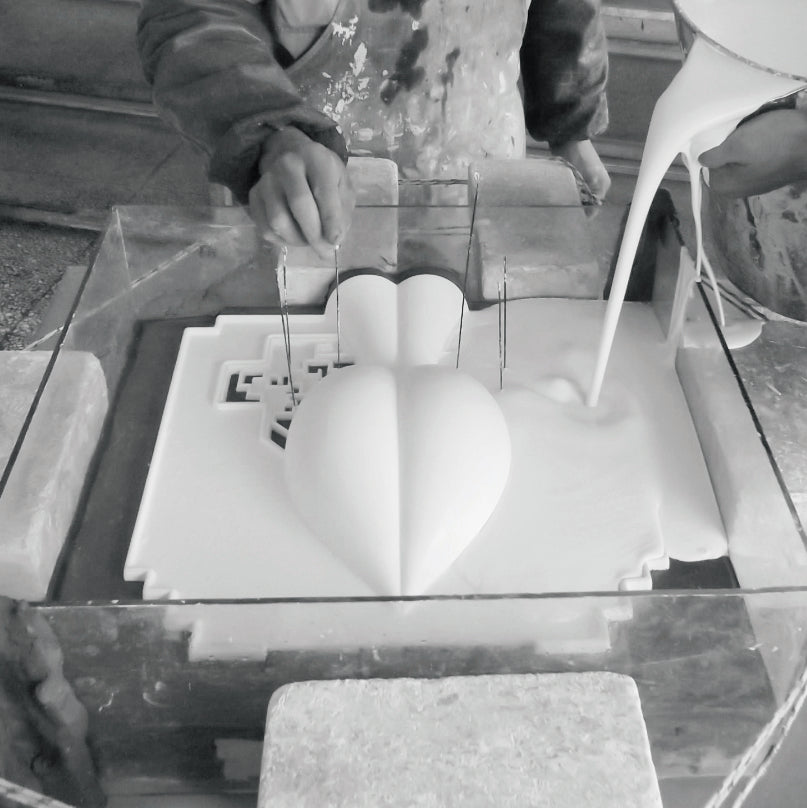
Crafted with a transparent glaze technique, revealing the pure beauty of porcelain’s natural white after firing.
Only human hands can convey their warmth — every NewChi Porcelain piece is handmade, embracing the challenges of fine porcelain craftsmanship.
Perfect for important festivals, greetings to elders, corporate gifting, and art collections — conveying taste and blessings. If you would like a handwritten all-occasion card, please note your request in the remarks field at checkout.
For custom wooden or acrylic bases, please contact customer service.

A family heirloom, from the first generation
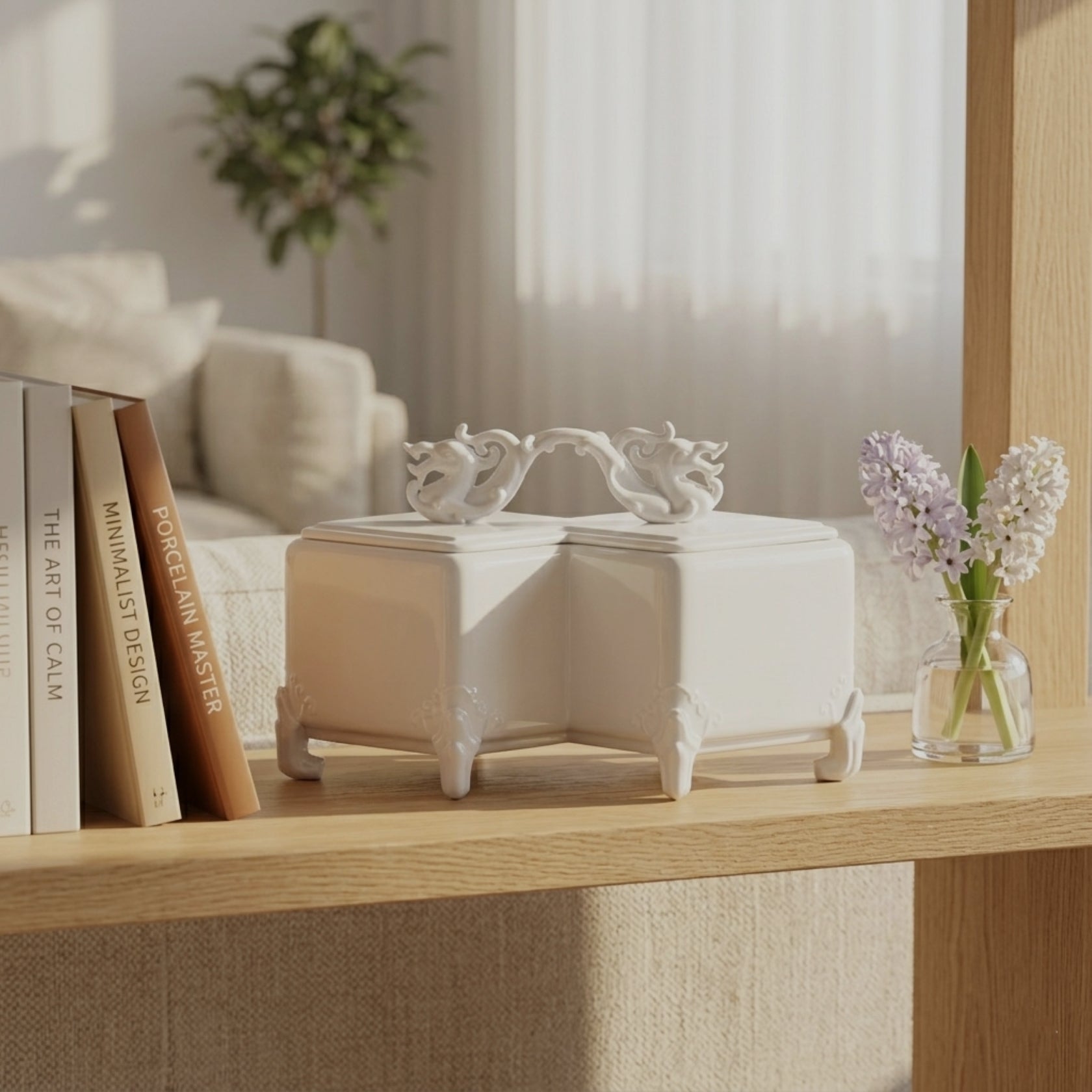
Glory Across Directions is designed to be passed down. Placed in the most considered space of the home, it becomes a presence that speaks across decades — the dragons still arching, the 富 (wealth) character still waiting inside, the six feet still standing. Each generation that lives alongside it receives something the previous generation intended.

A gift for a senior of significance
For parents, grandparents, or a mentor whose influence has shaped a life — Glory Across Directions carries the kind of cultural weight that a standard gift cannot reach. Appropriate for the Double Ninth Festival, a significant birthday, a retirement of consequence, or any occasion that deserves to be marked with permanence.

High-level corporate presentation
A limited edition work from a named artist series, in a gift box: appropriate for institutional anniversaries, board-level presentations, or the acknowledgment of a partnership that has lasted long enough to deserve the language of legacy.
Design Concept
Occasions or Usage
Ideal For
Dimension
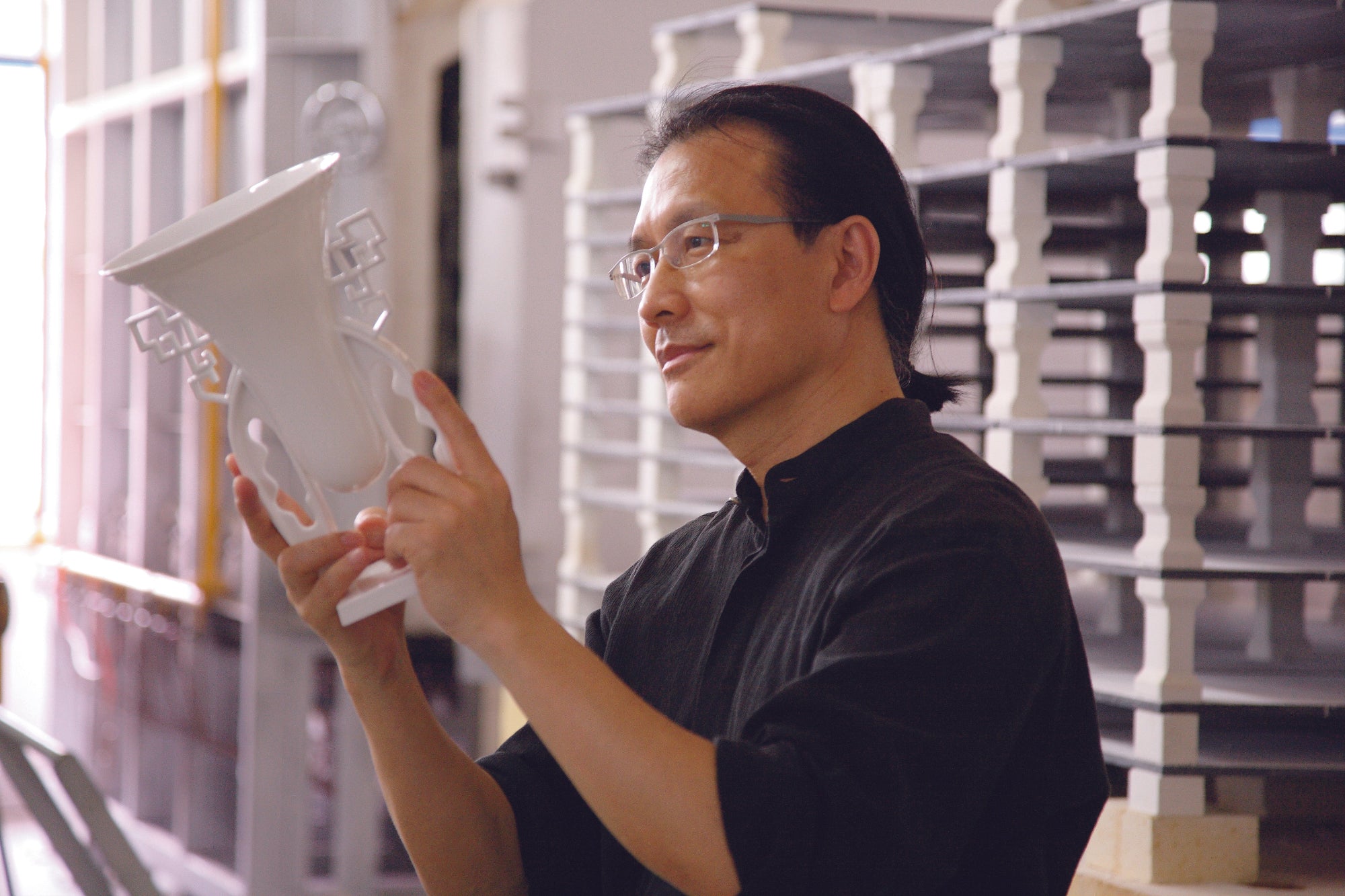
Heinrich Wang, founder of NewChi Porcelain and Tittot, is one of Taiwan’s most representative contemporary artists in white porcelain and liuli glass. Renowned for infusing philosophy and poetry into object design, his works have been exhibited at the National Museum of History in Taiwan, the Taiwan Craft Research and Development Institute, and the Triennale di Milano, earning recognition from collectors worldwide. Every porcelain piece is personally overseen by Wang, offering an aesthetic choice that unites artistry, cultural depth, and practical function.
2026年9月9日,當代瓷器藝術家王俠軍《新・典》於上海和平飯店正式啟幕。當具有雕塑性的當代瓷器走進百年建築,一場關於傳統、創新與未來經典的對話就此展開。透過開幕現場與《雙羊祥尊》《春風》《開泰》《大吉大利》等代表作品,認識王俠軍如何以當代造型重新詮釋東方文化。

From September 9 to October 8, 2026, NewChi presents The New, The Classic, Heinrich Wang’s porcelain art exhibition at Fairmont Peace Hotel Shanghai—a dialogue between contemporary white porcelain and a...