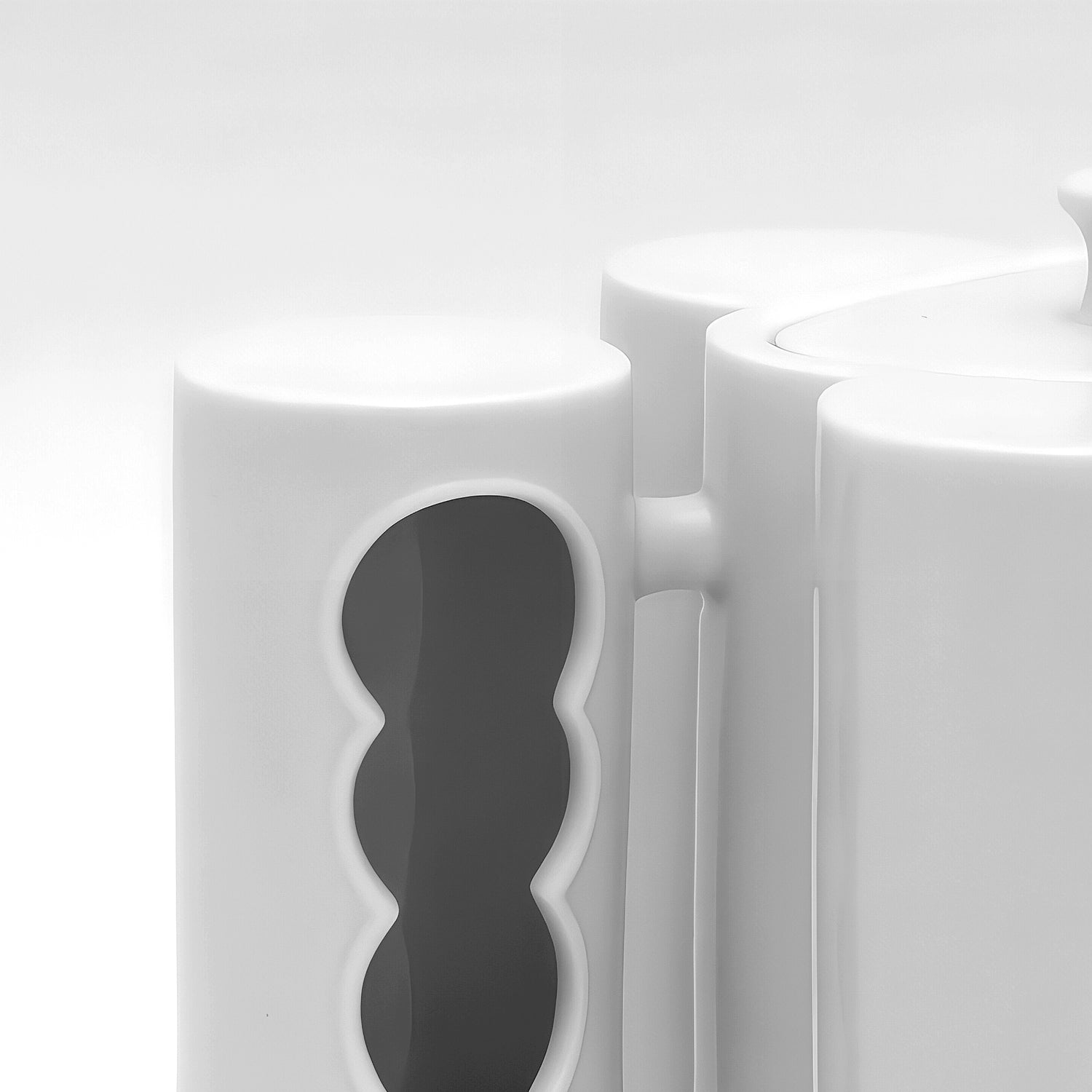
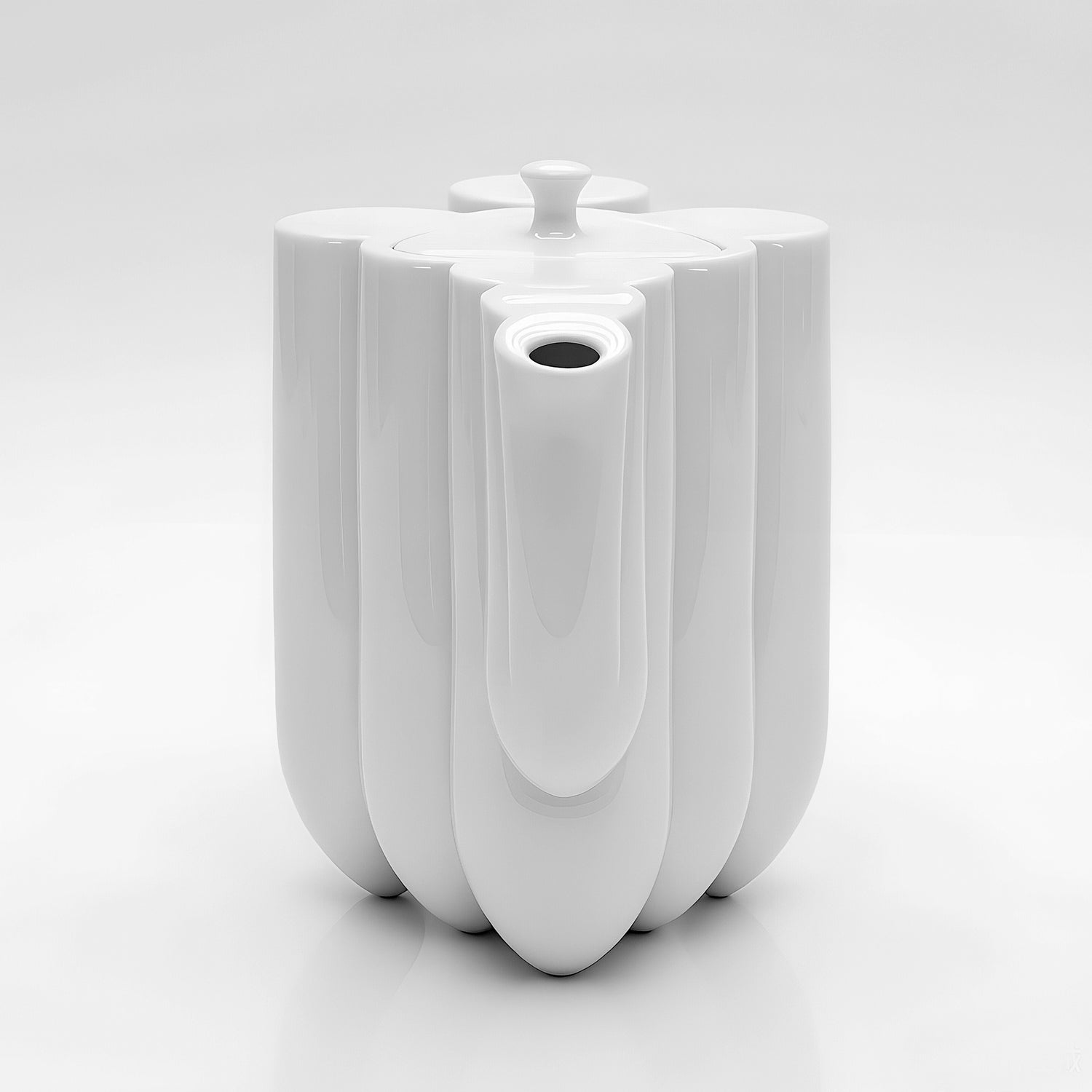
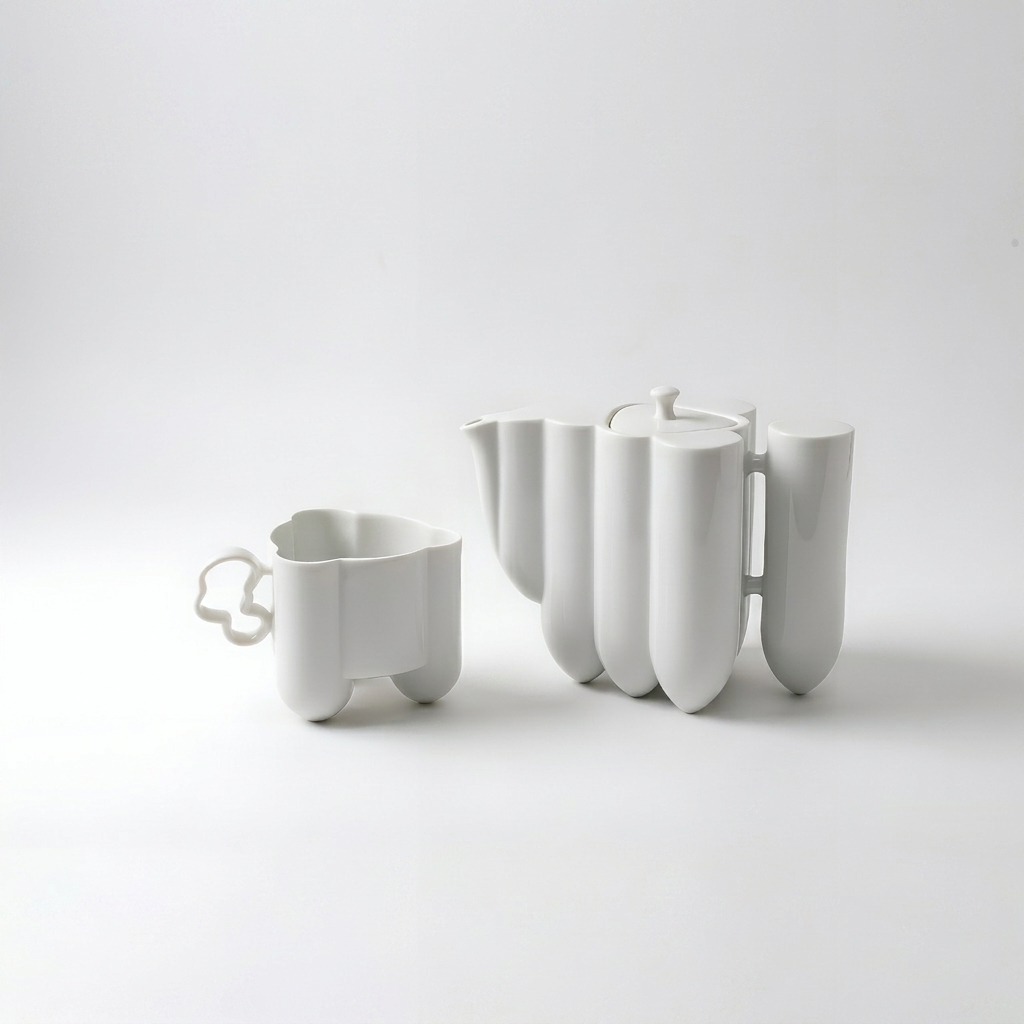
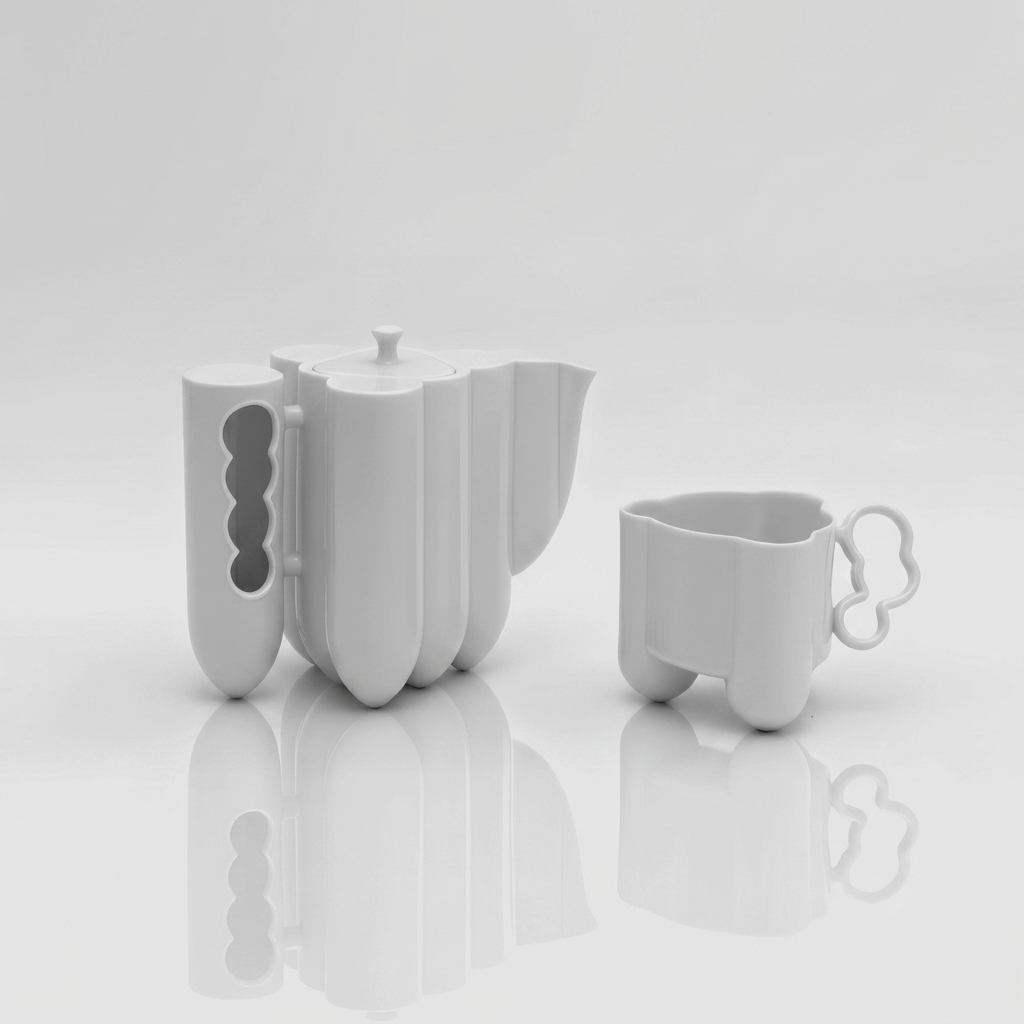
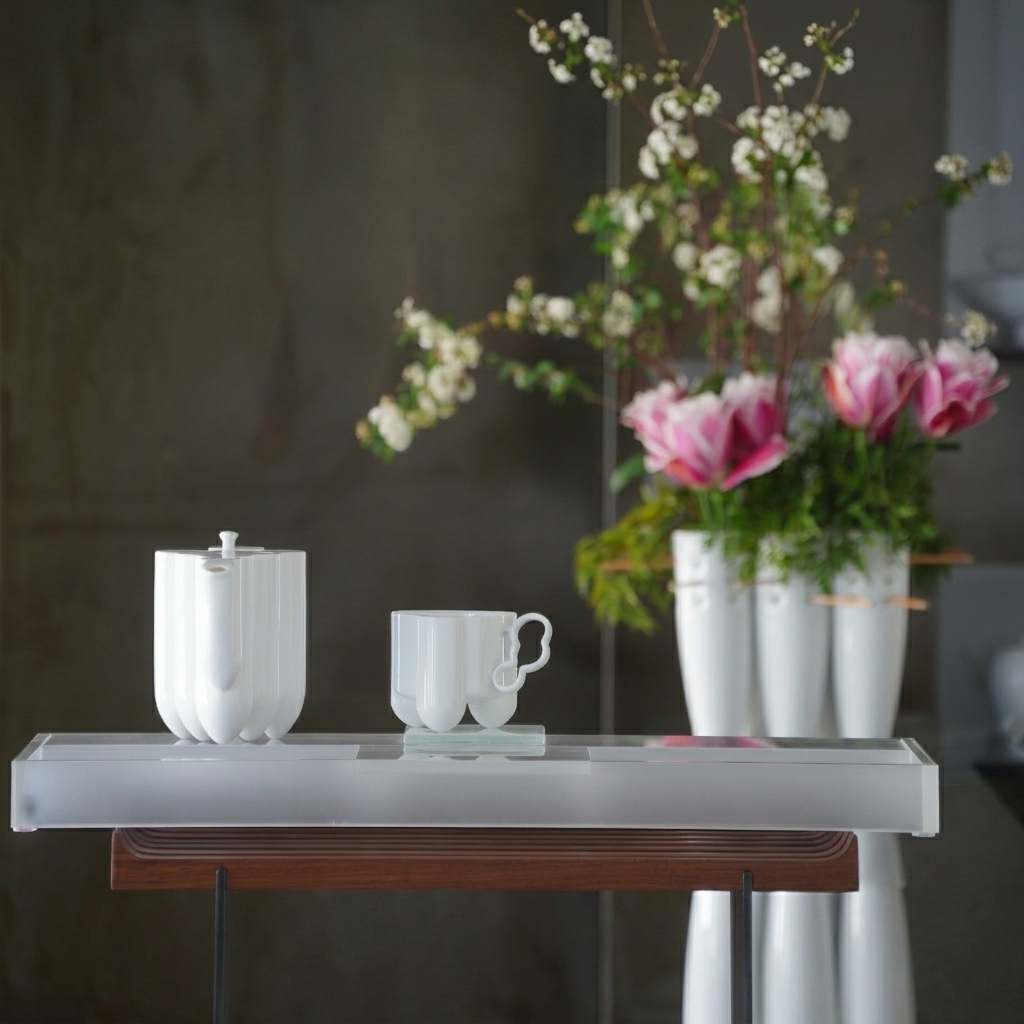
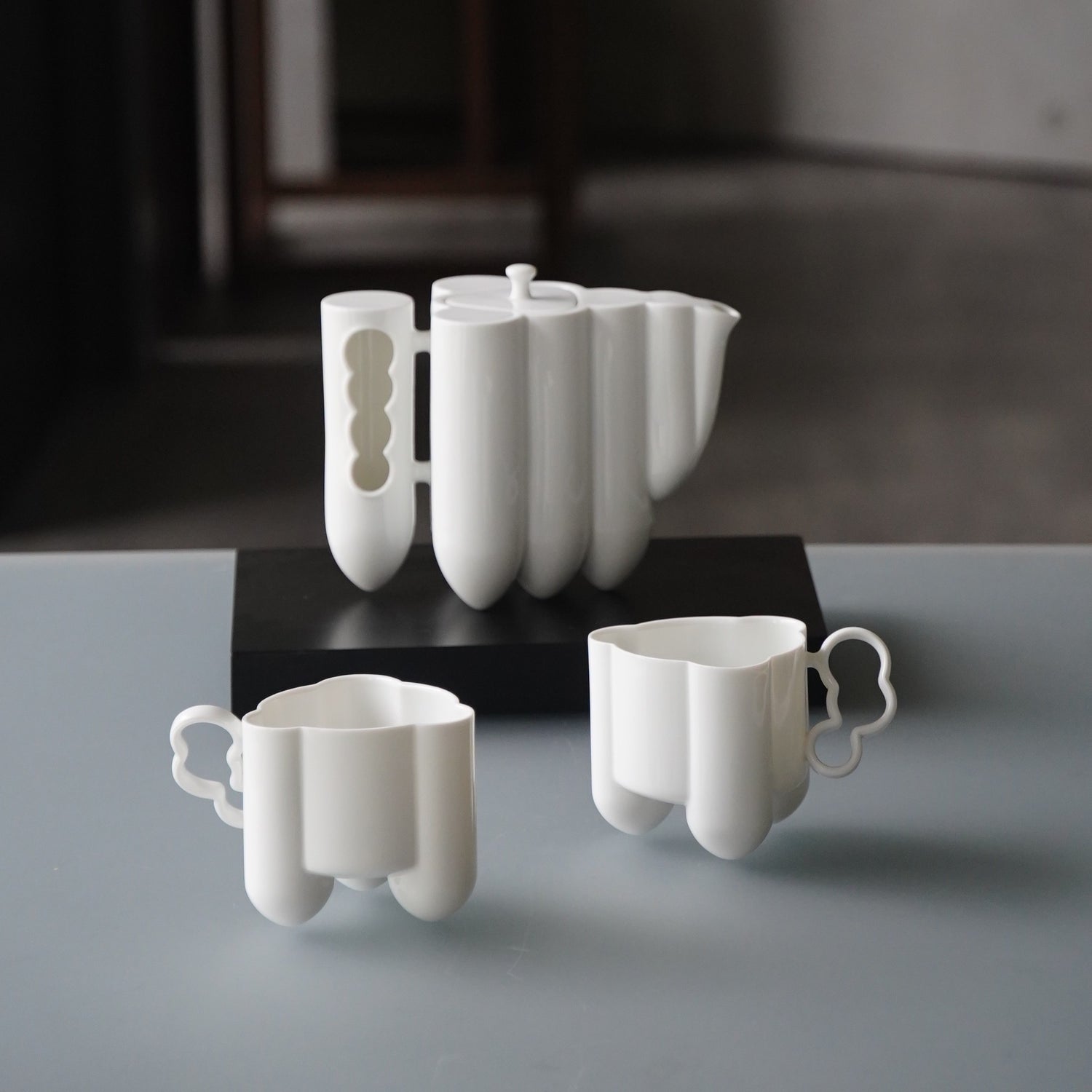
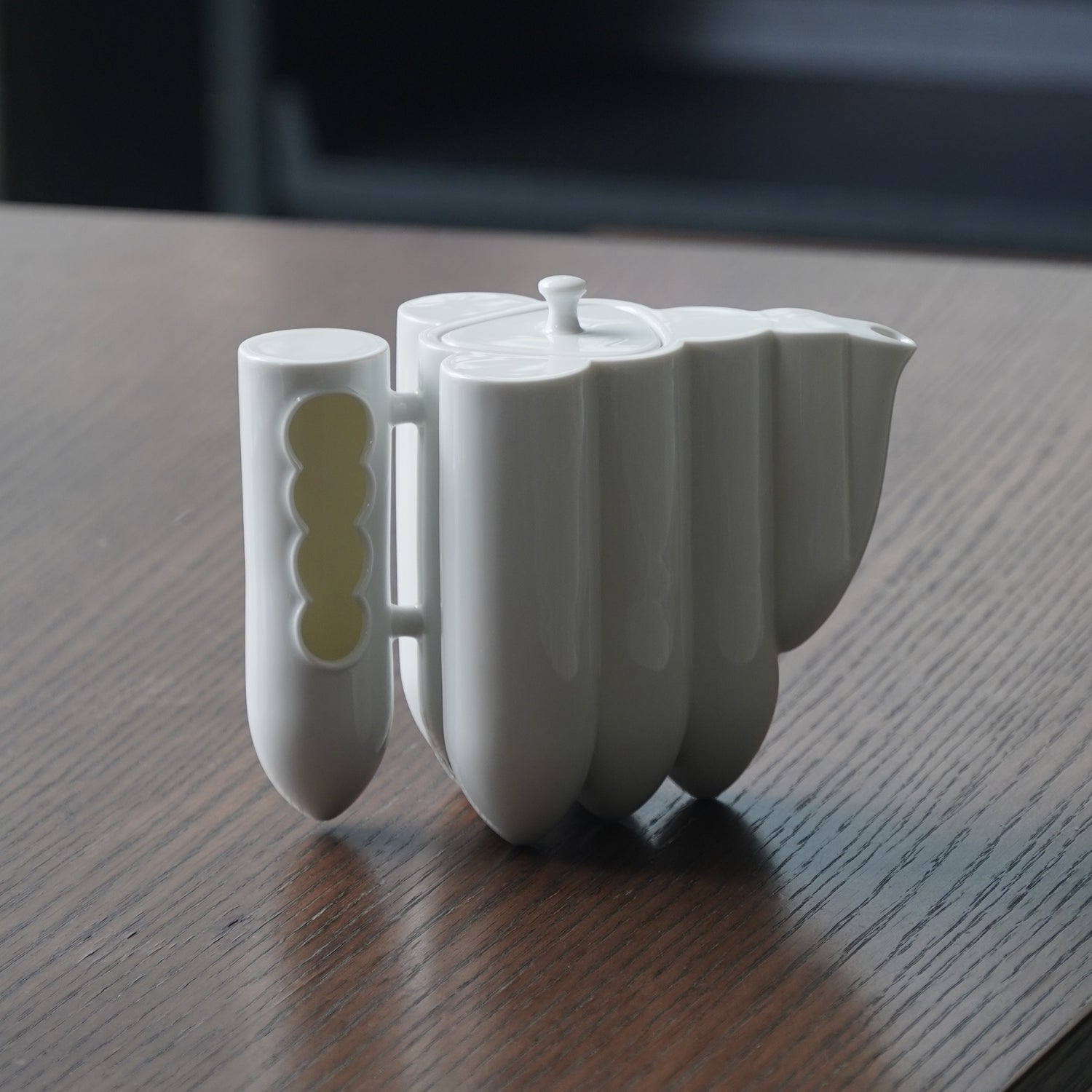
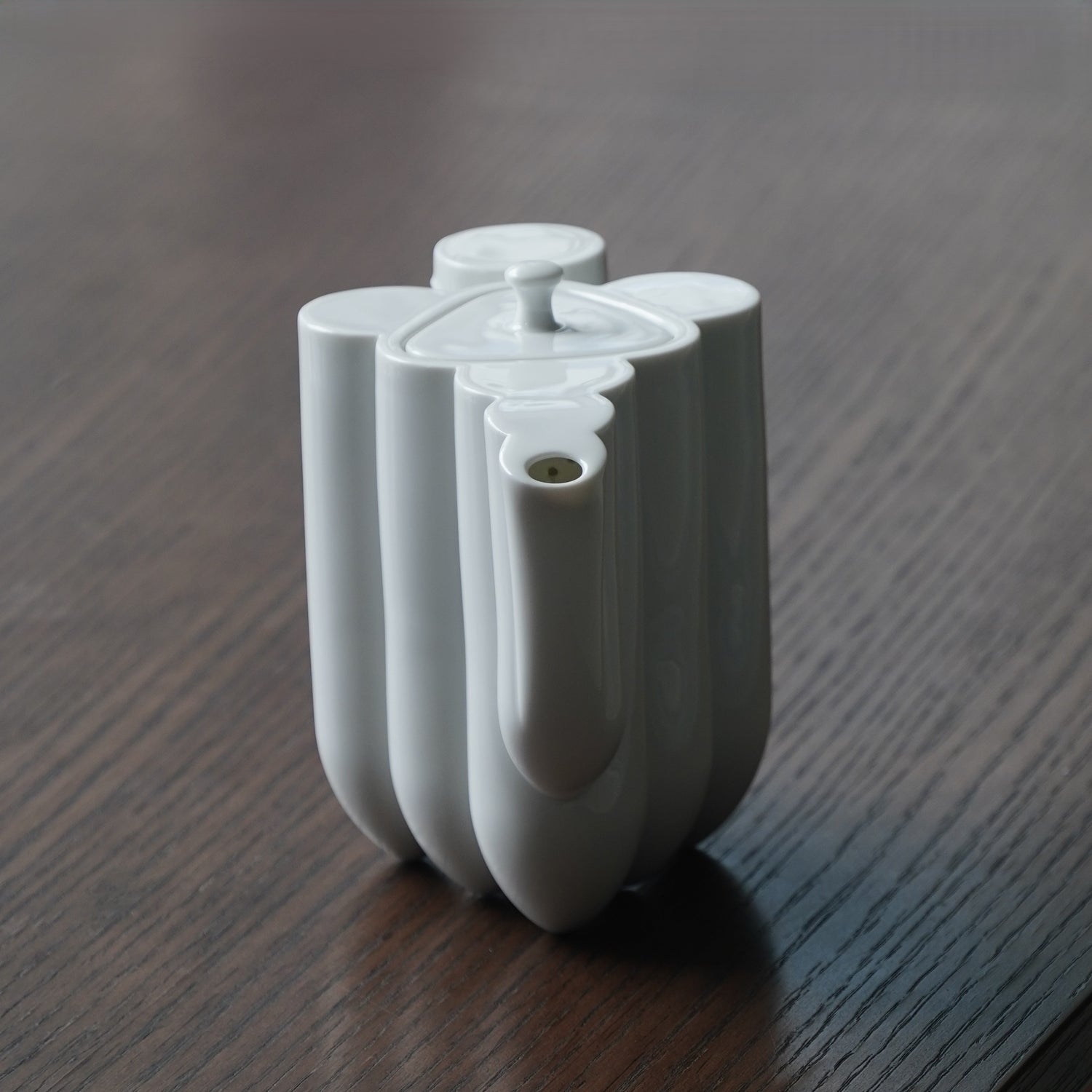
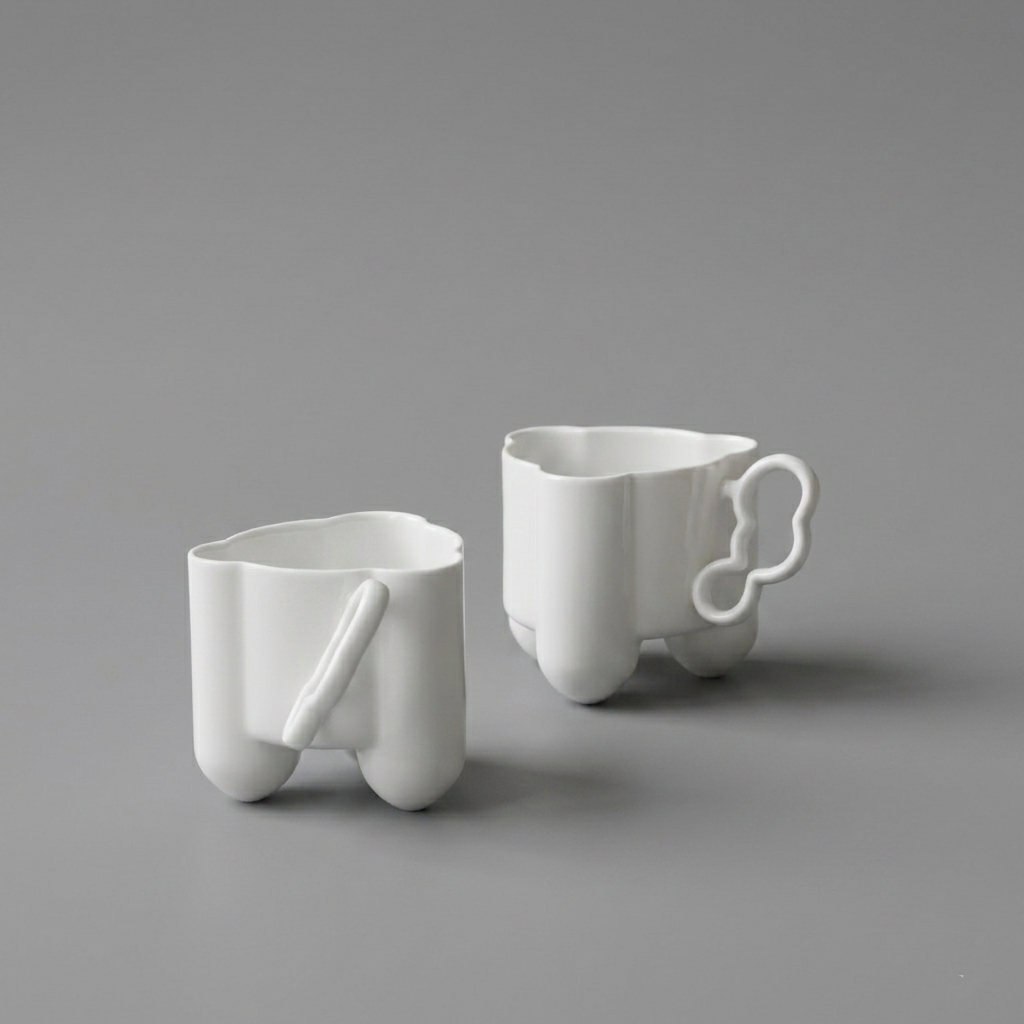
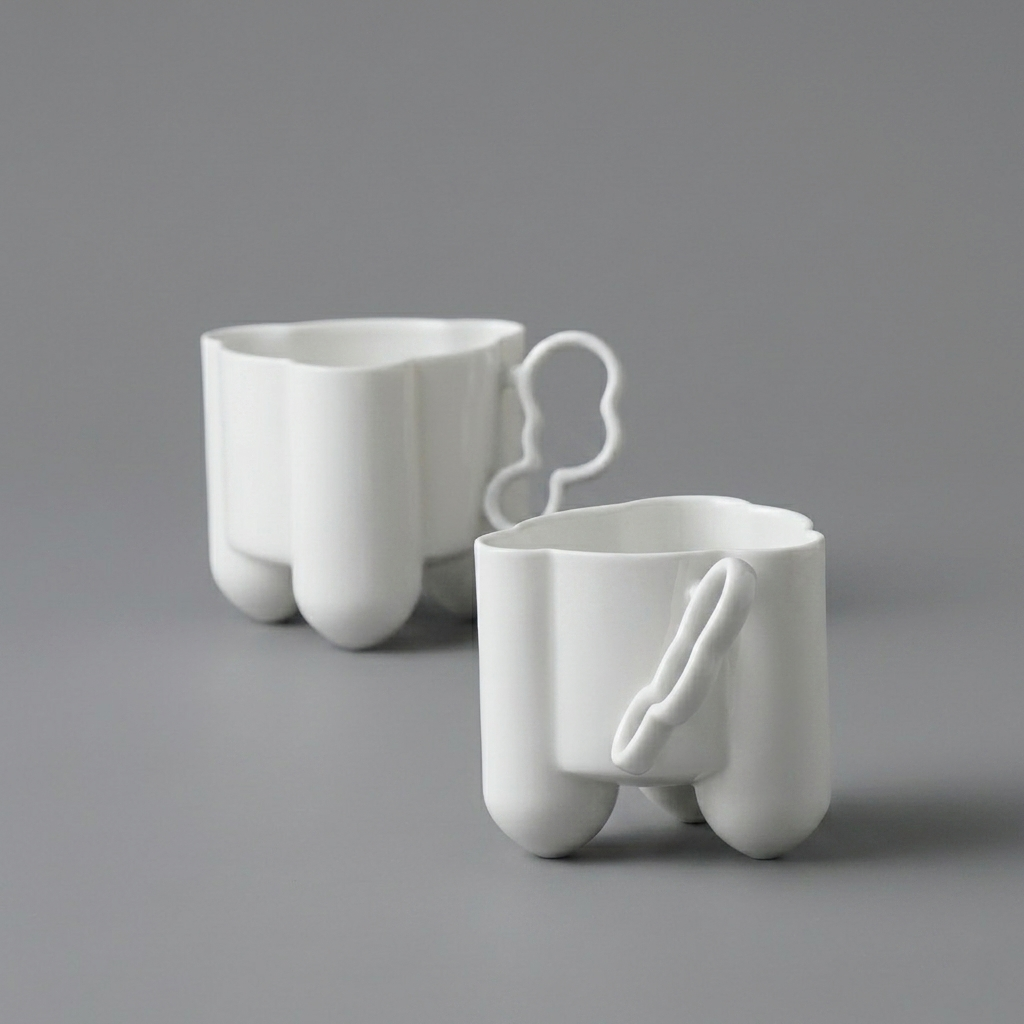
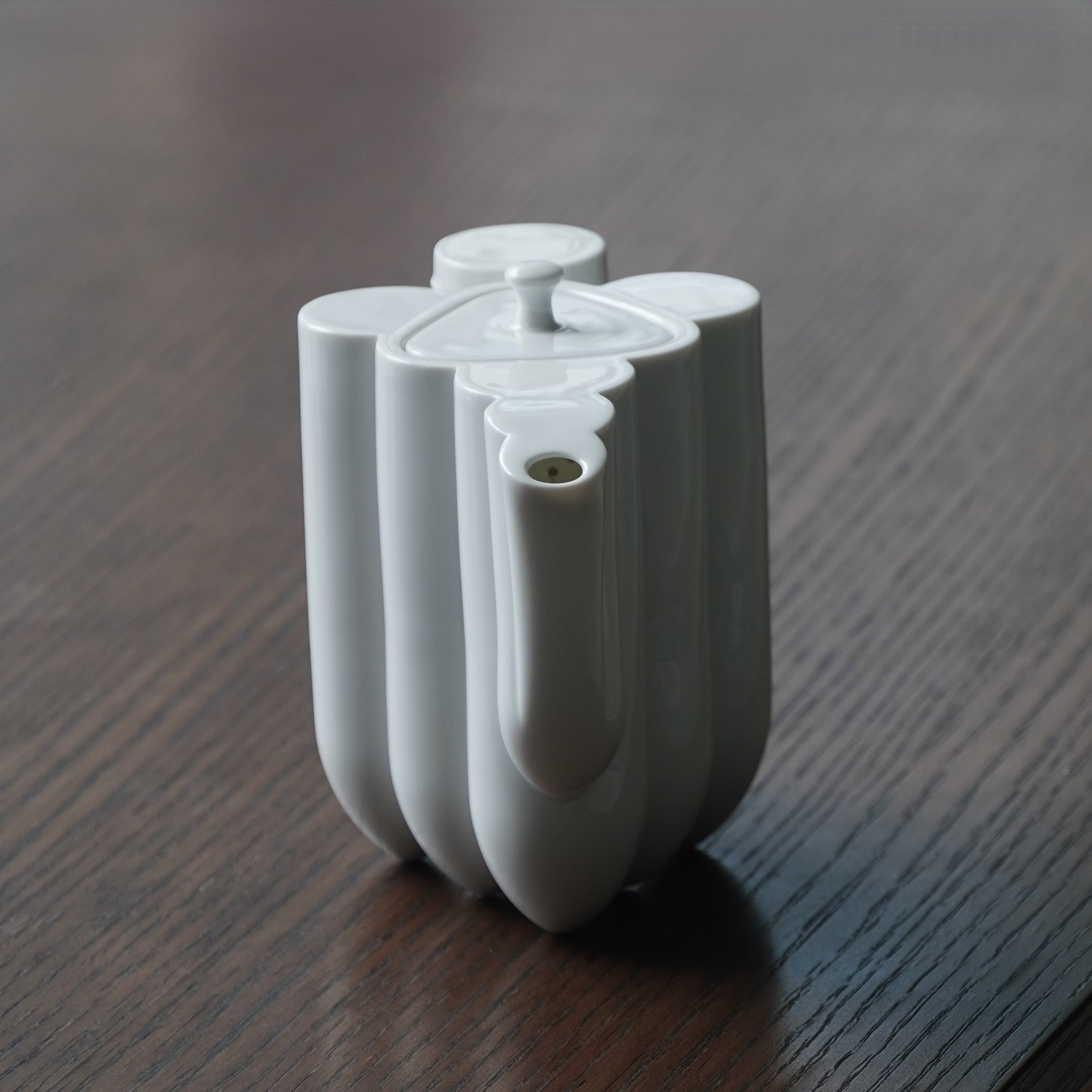
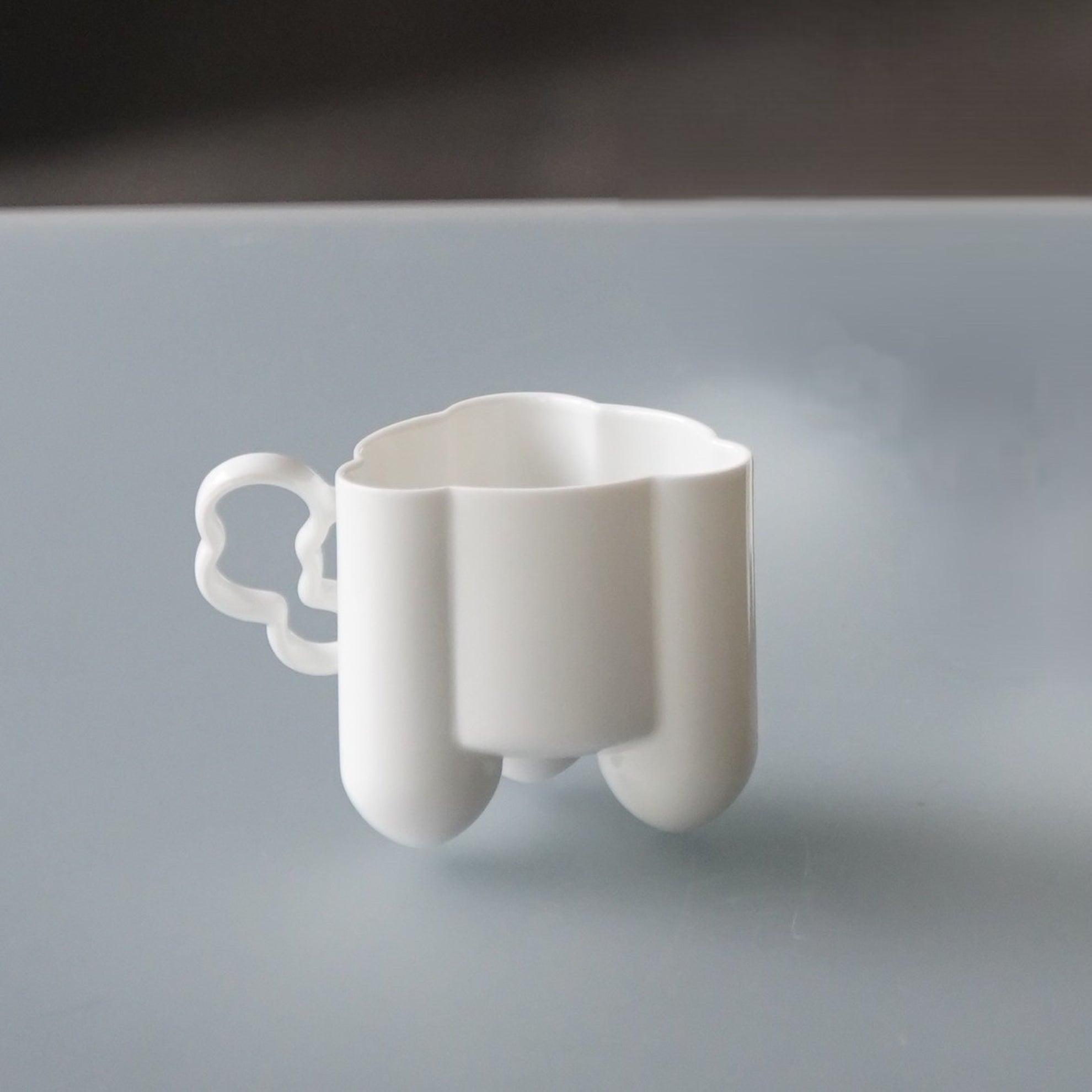
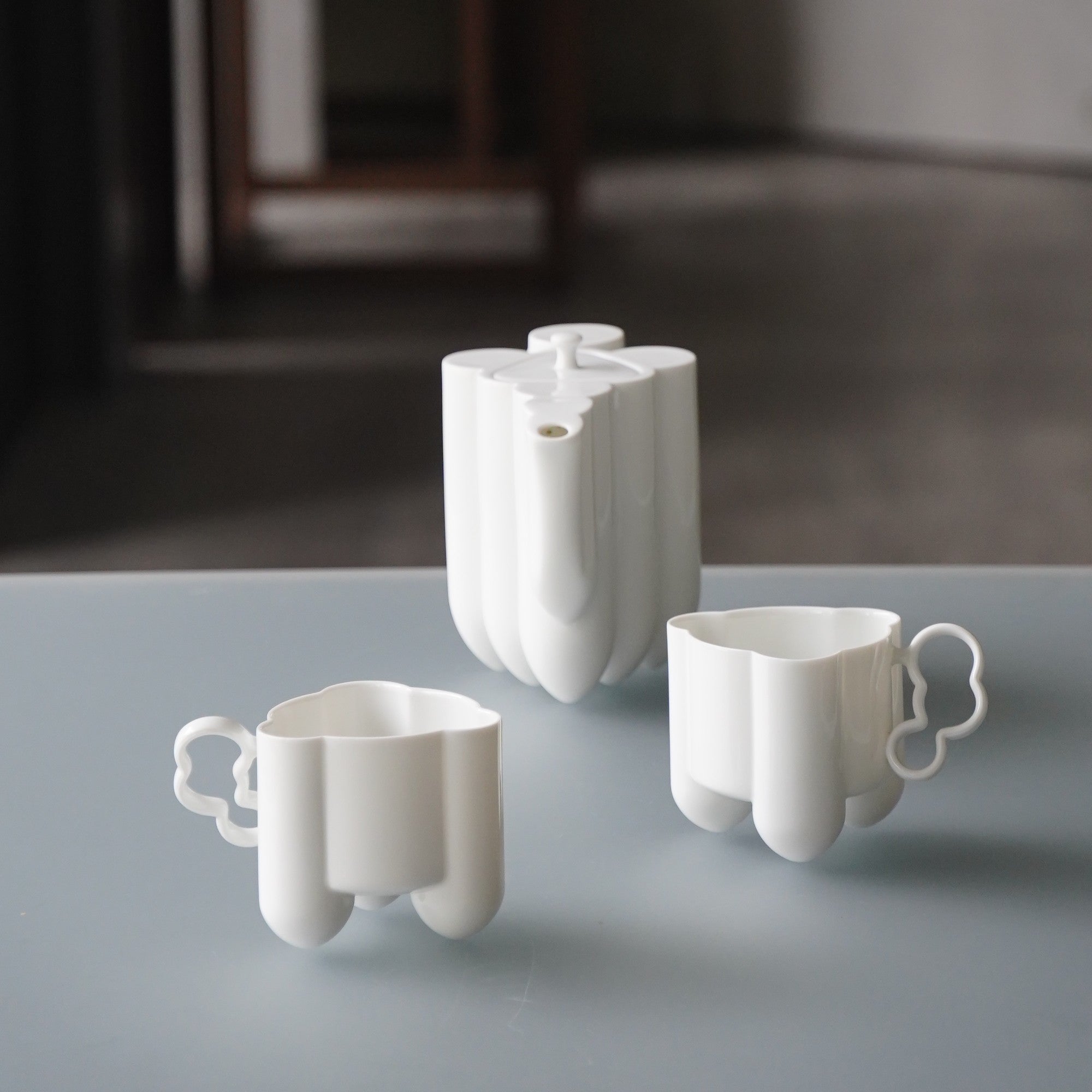
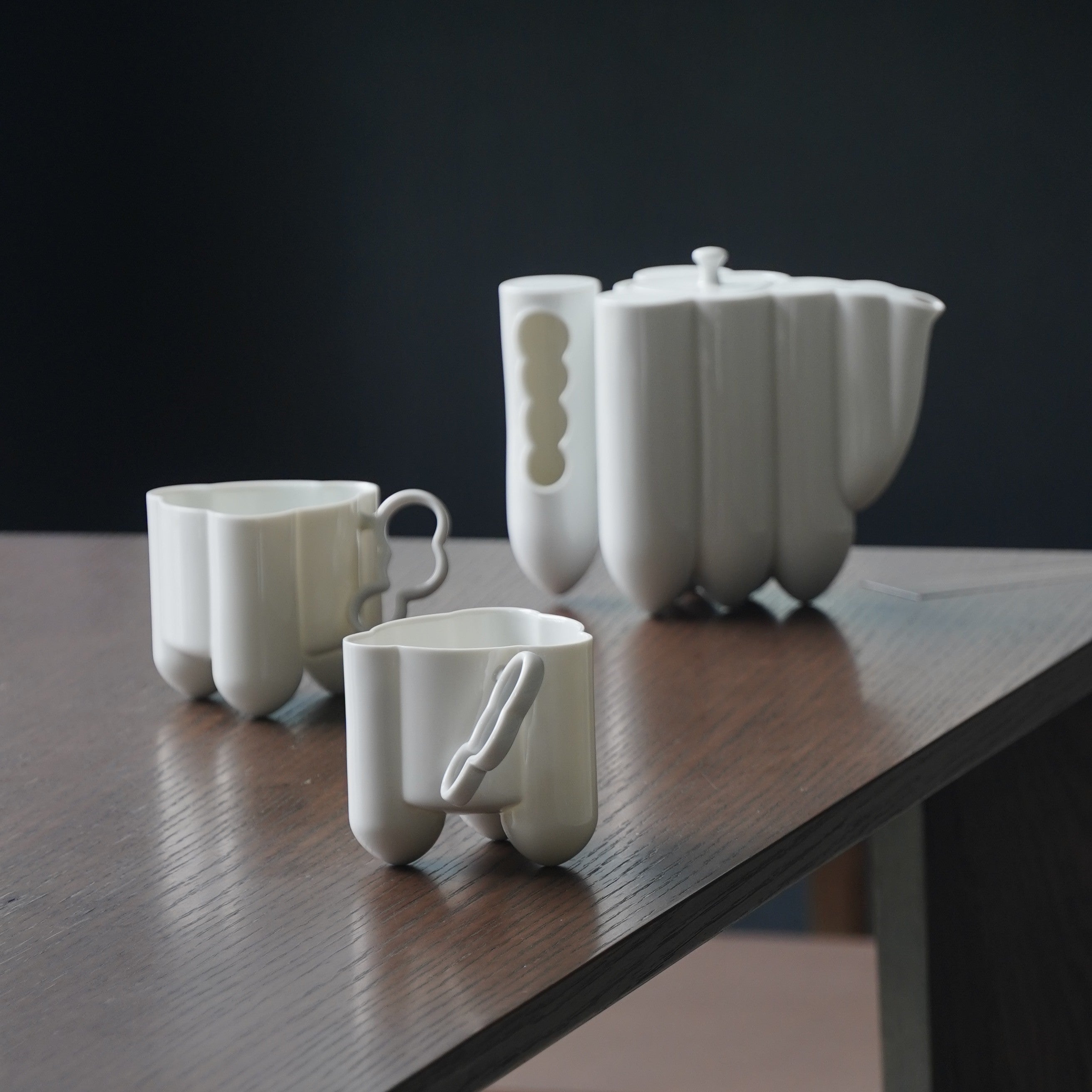
Nine pillars — translating time into order
In Chinese cultural tradition, the number nine (jiǔ, 九) carries a weight that goes well beyond arithmetic. It is the highest single digit — the point at which counting reaches its natural ceiling before beginning again — and has been associated for millennia with completeness, the ultimate, and the enduring. The Emperor of China was surrounded by nine: the Forbidden City was built with 9,999 rooms; imperial robes were embroidered with nine dragons; offerings were arranged in multiples of nine. In the Chinese language, jiǔ (九, nine) is a homophone of jiǔ (久, lasting, enduring) — the two characters share a sound, and that sonic overlap carries meaning: nine is not just complete, it is permanent.
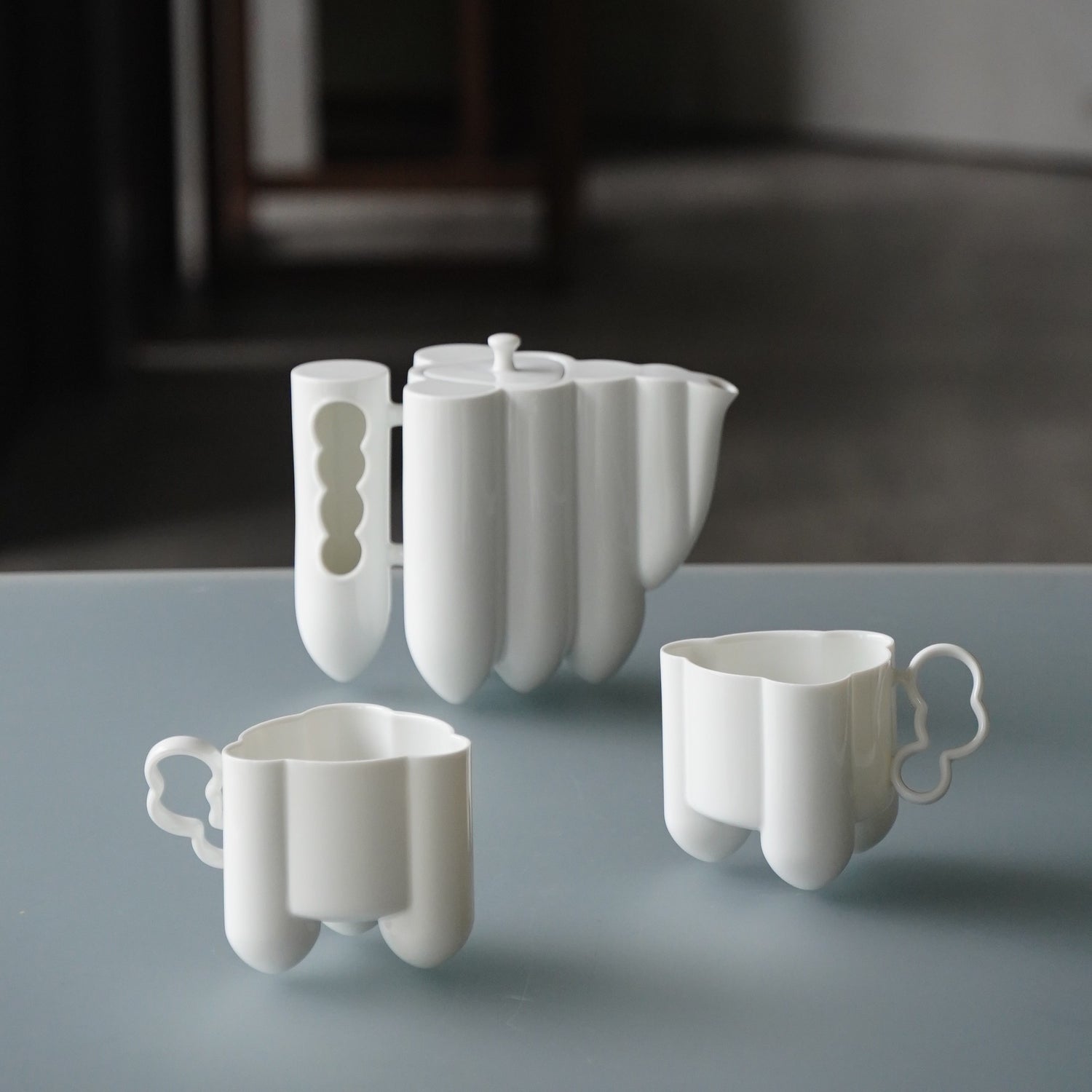
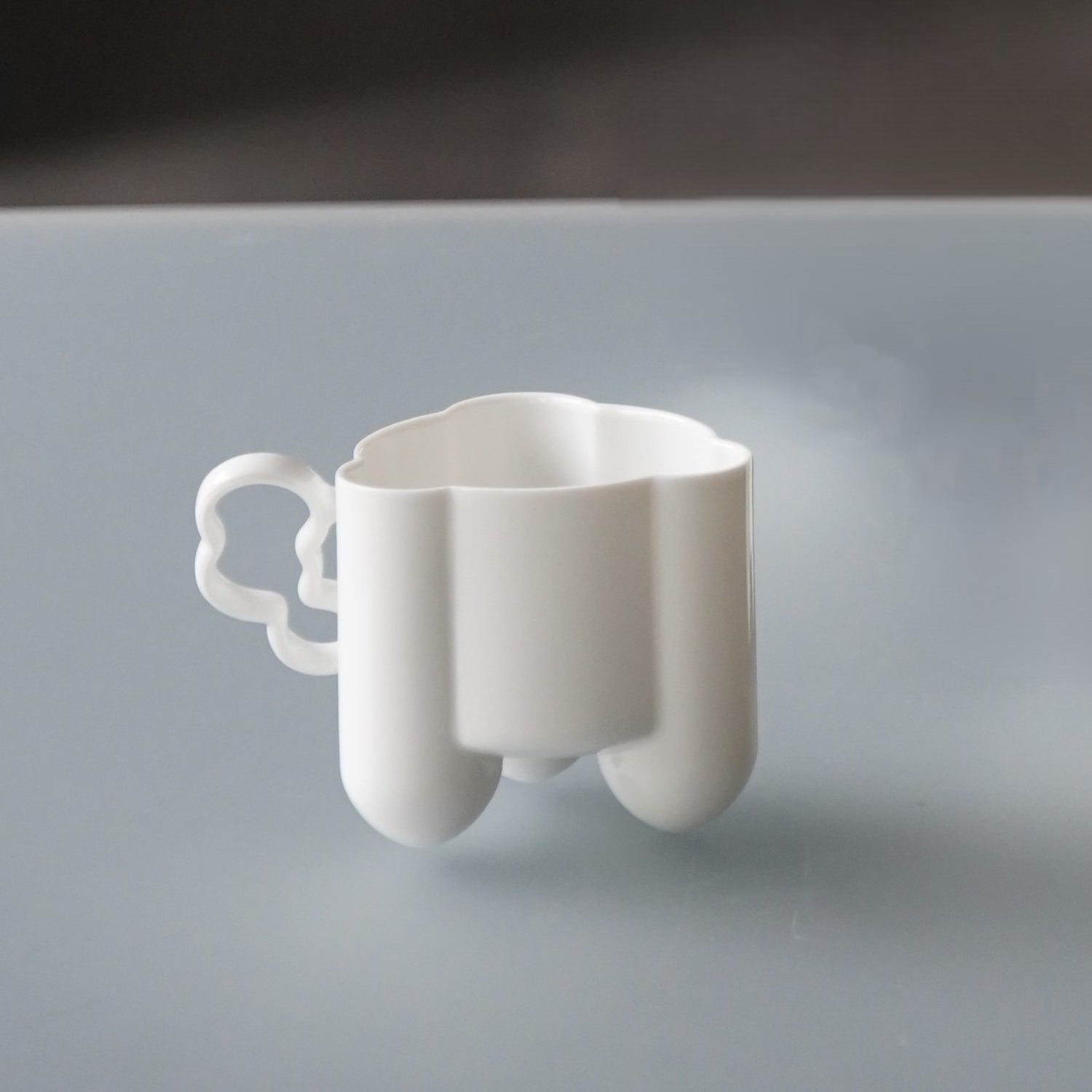
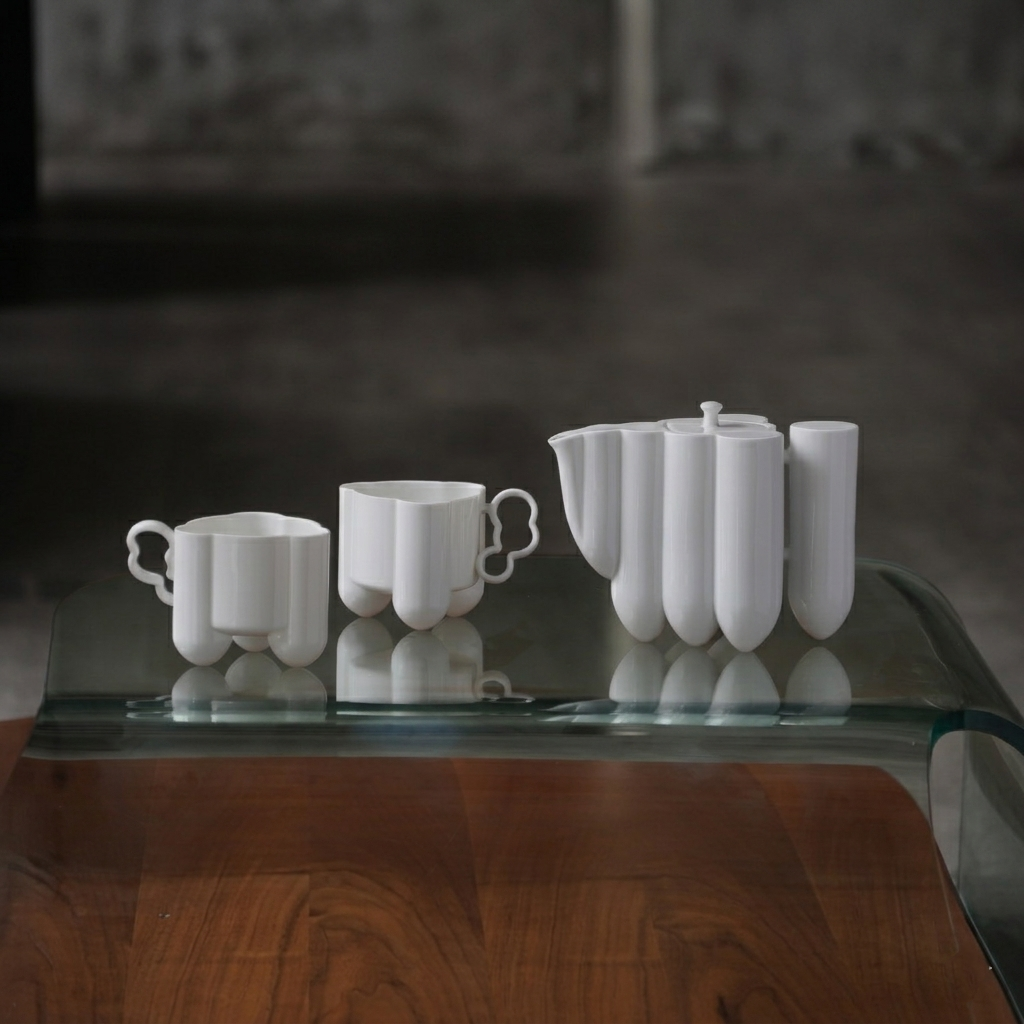
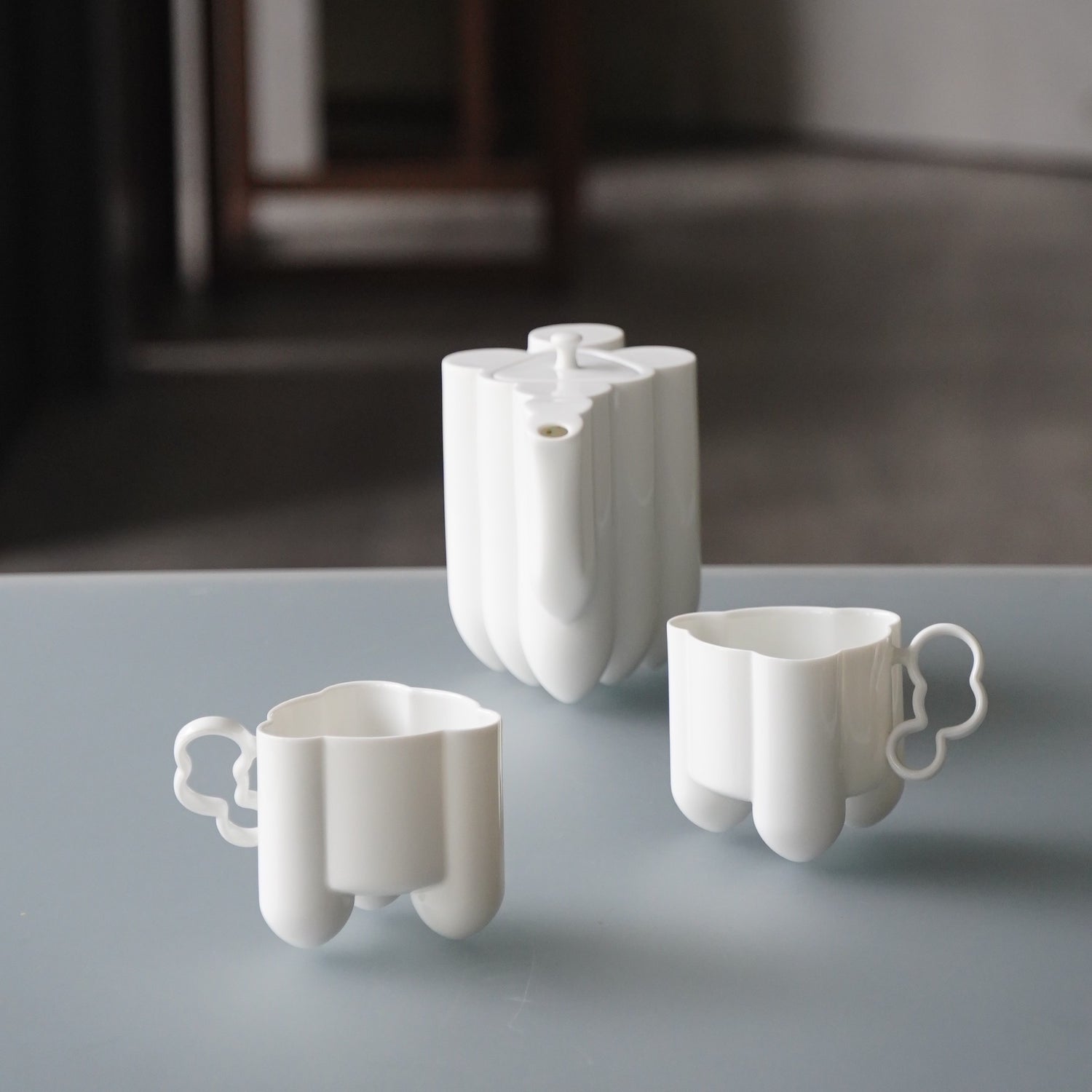
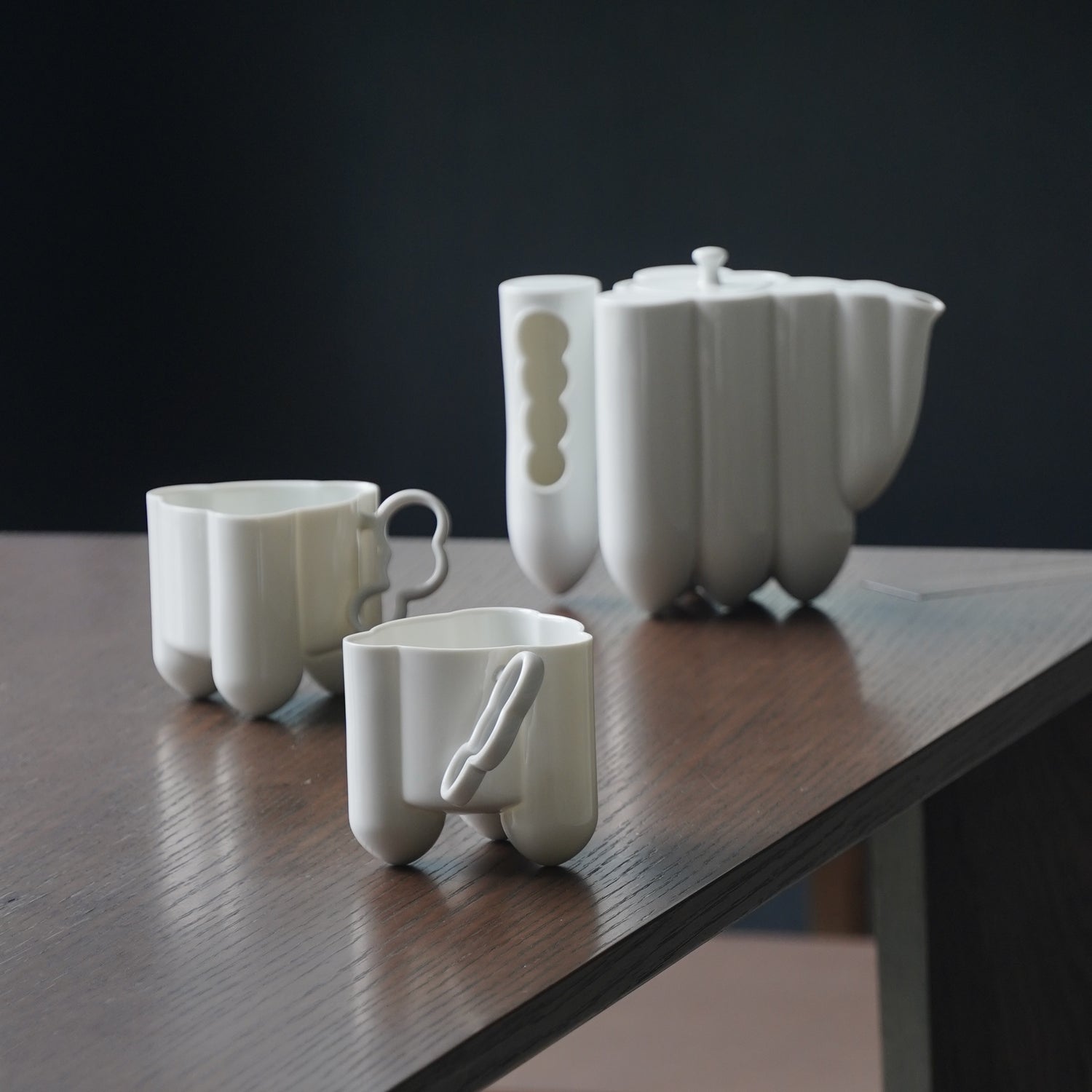
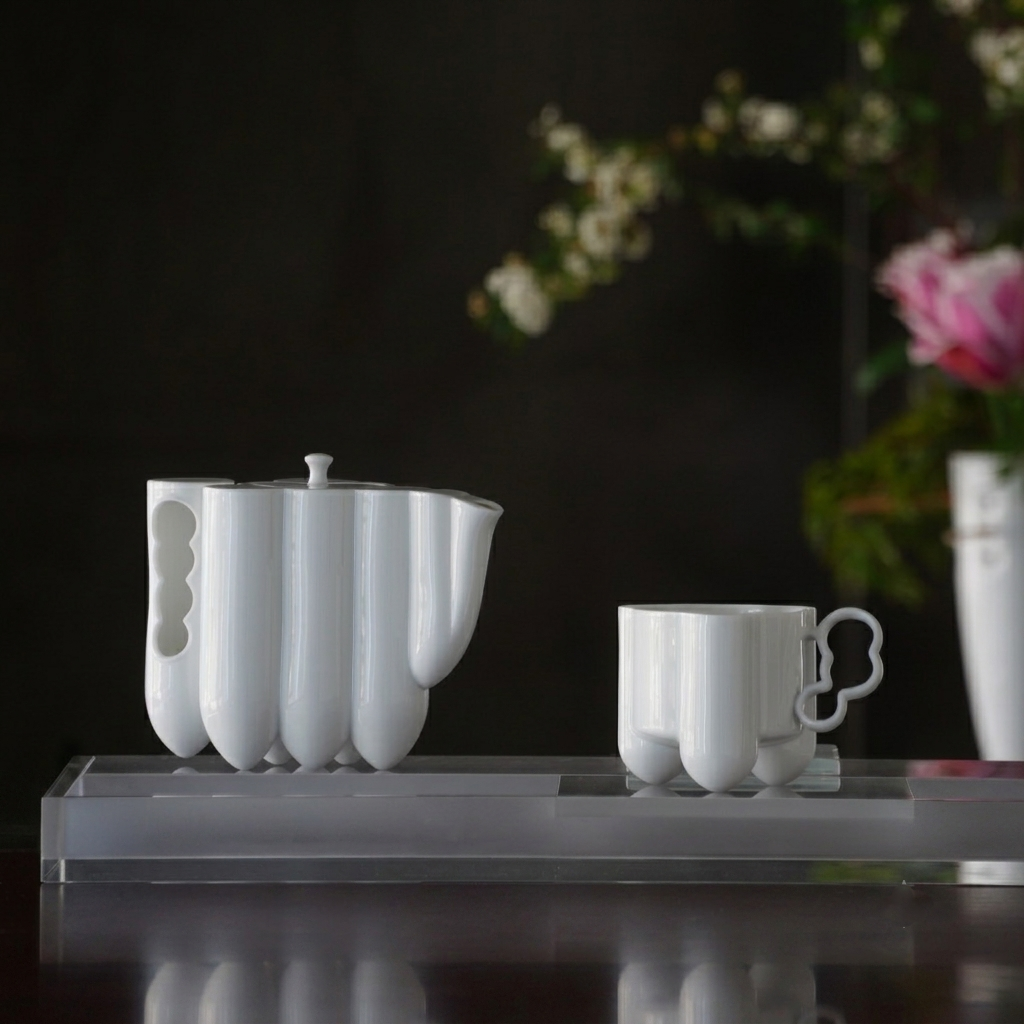
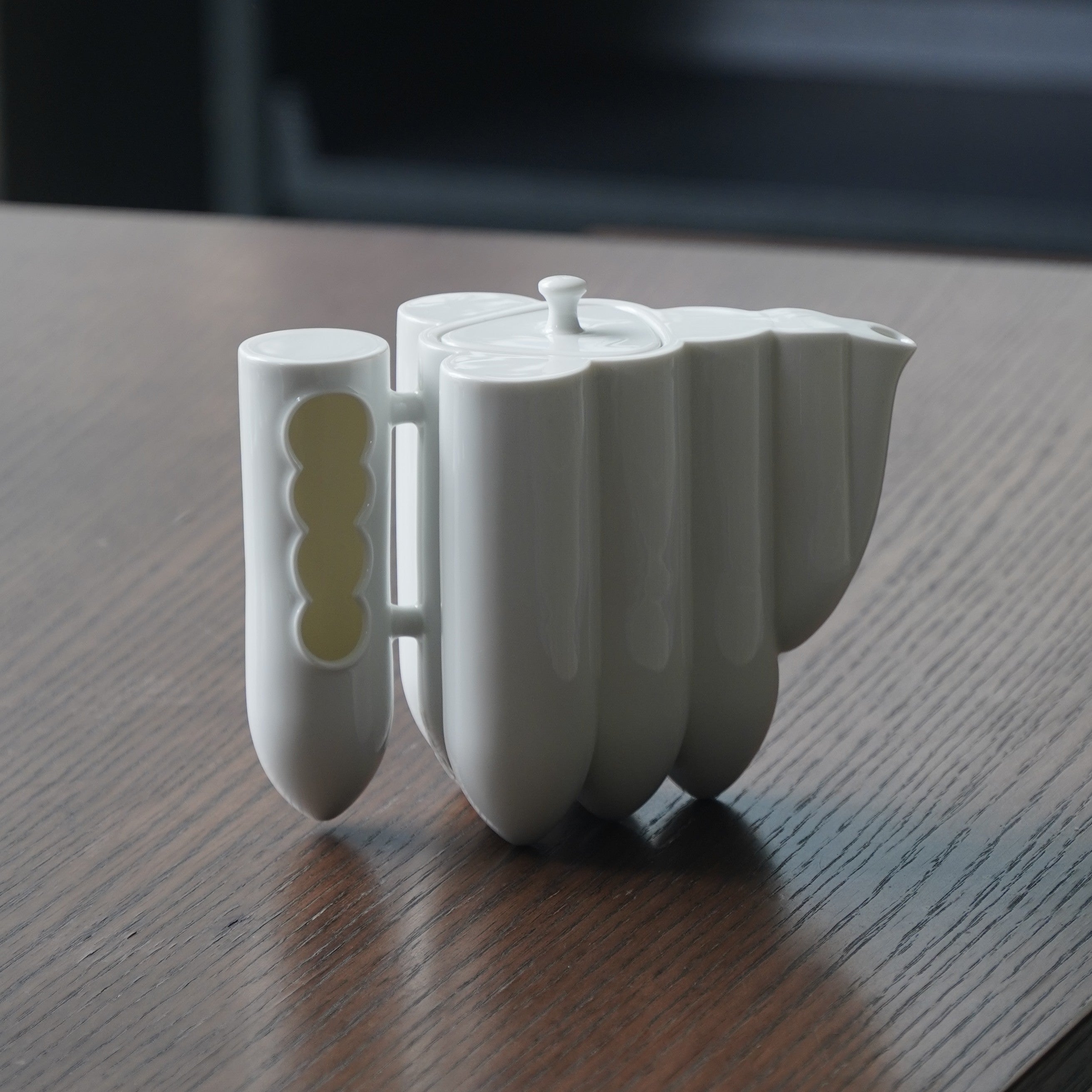
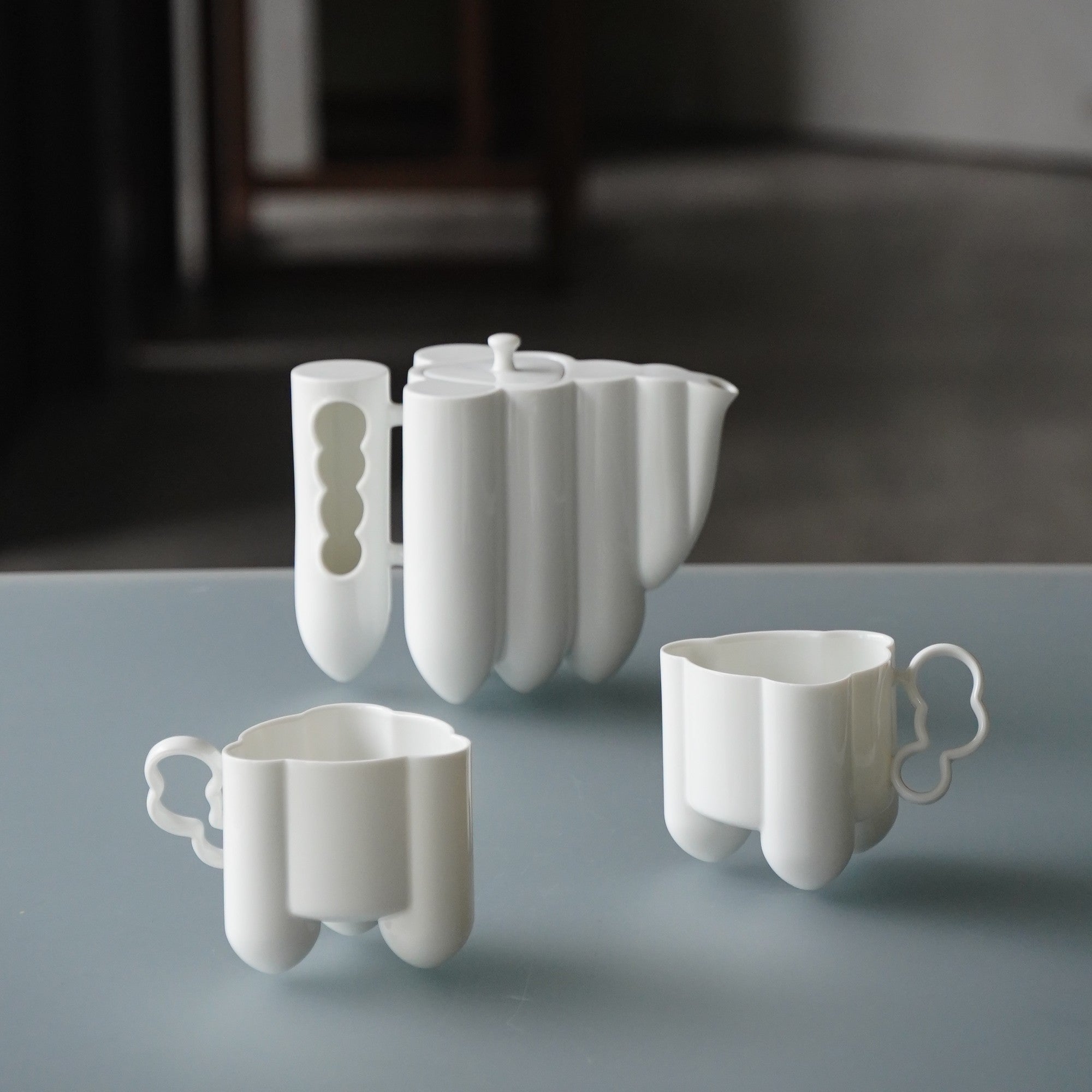
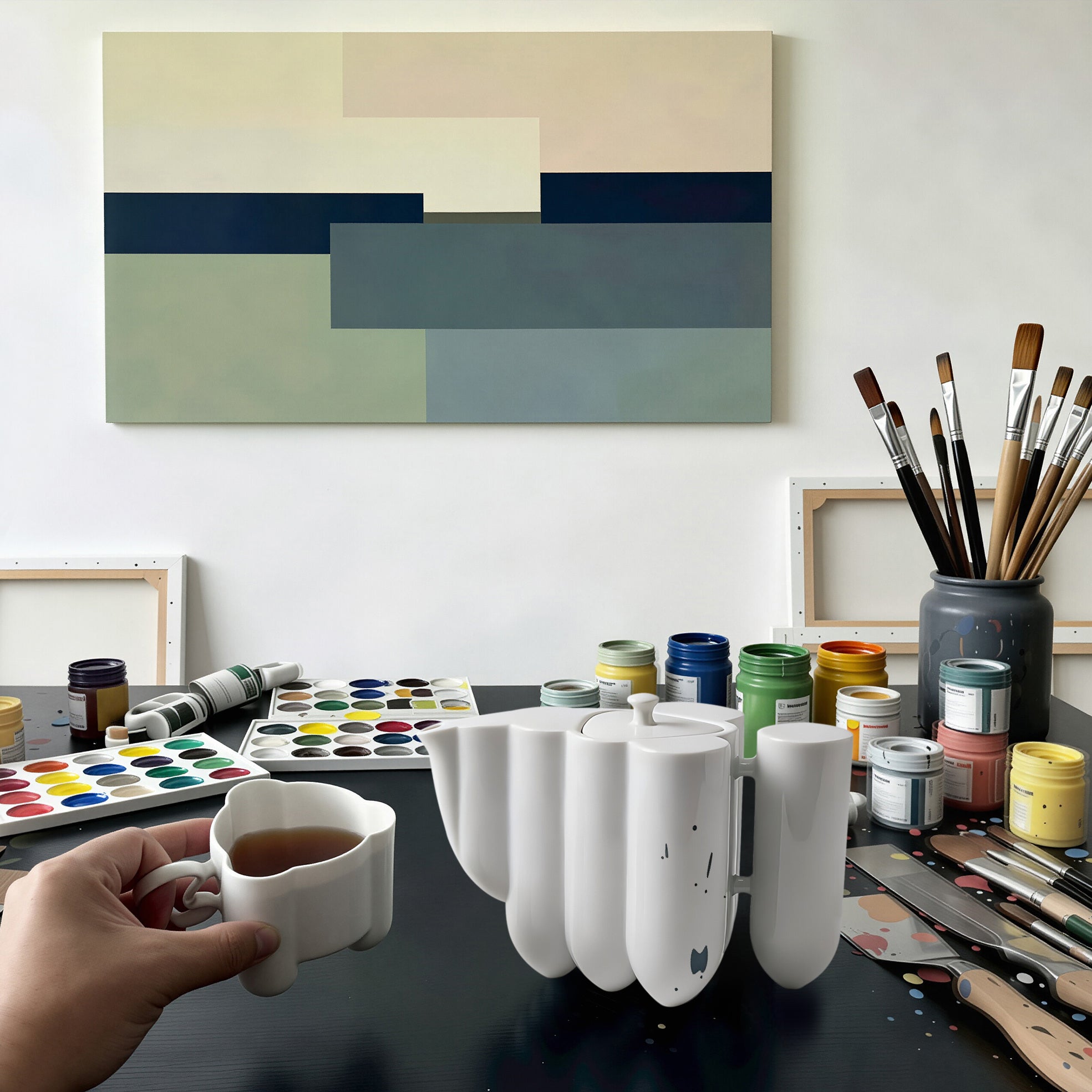
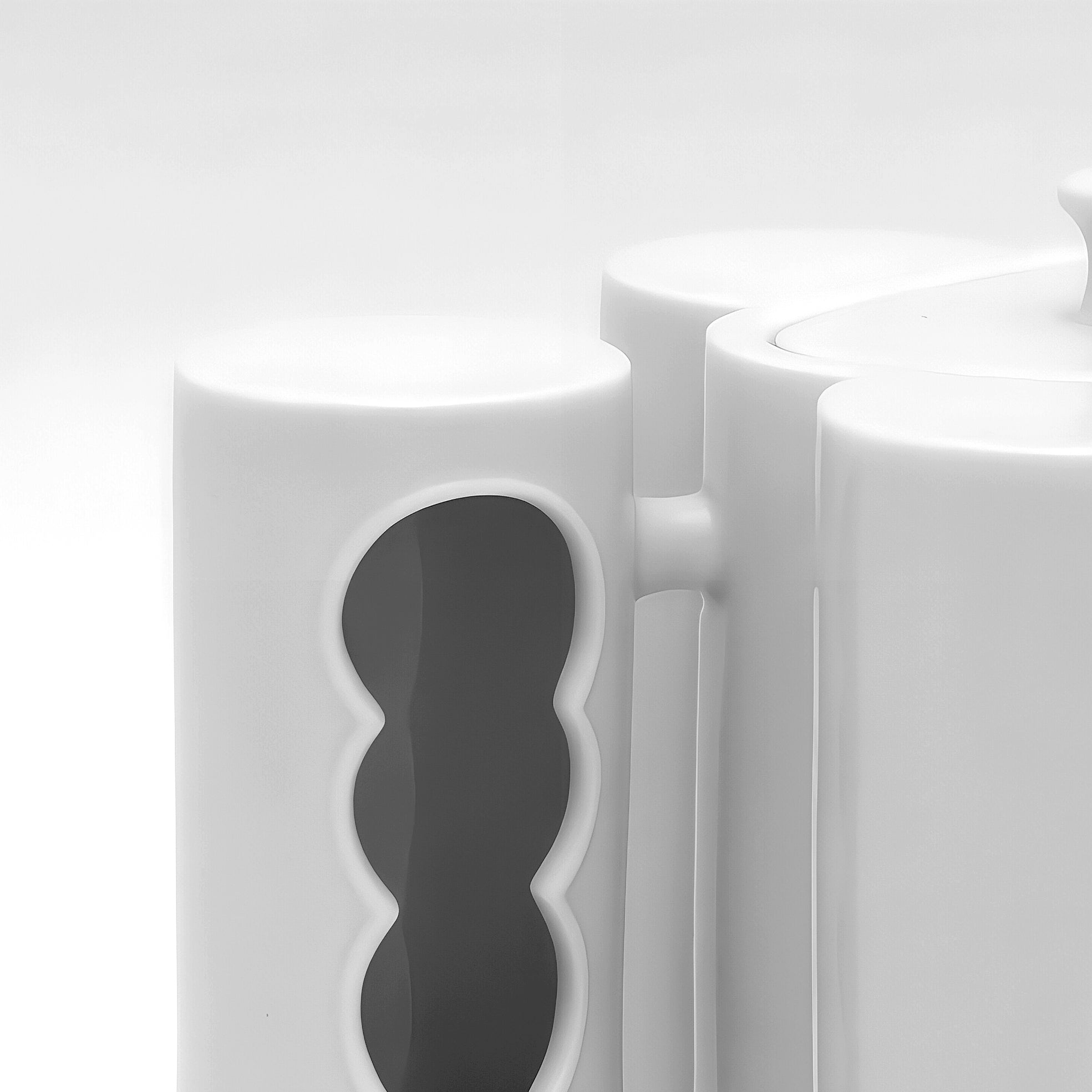
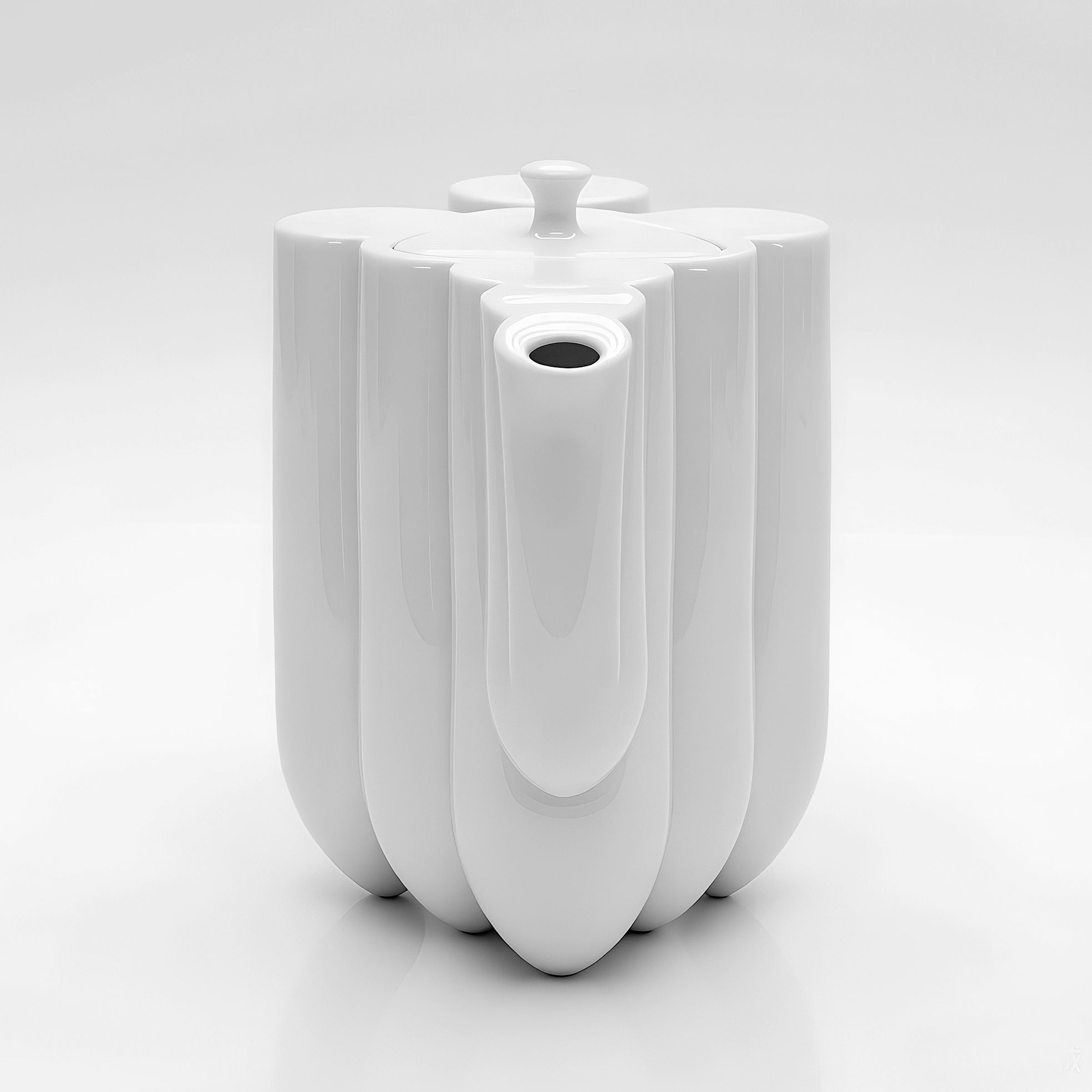
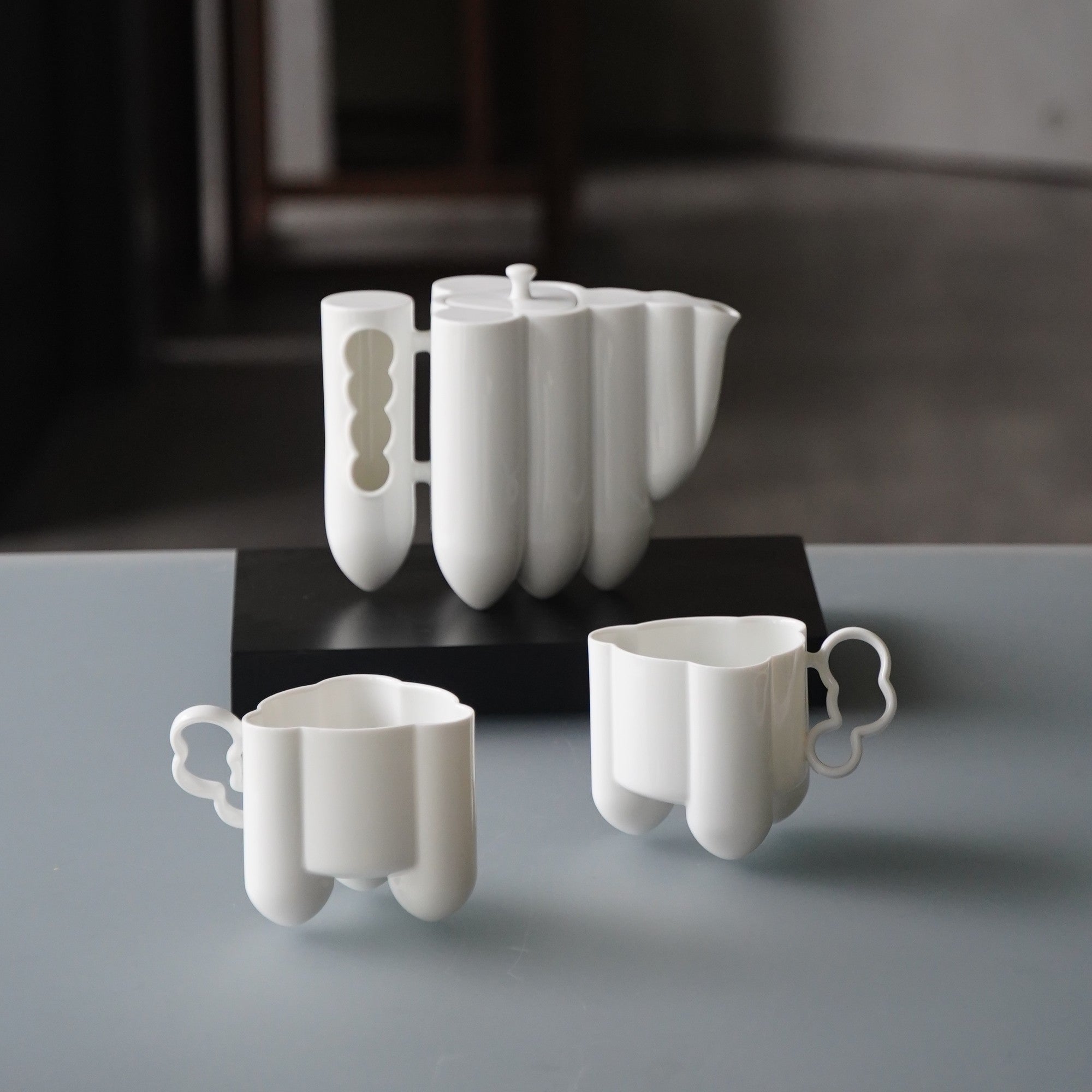
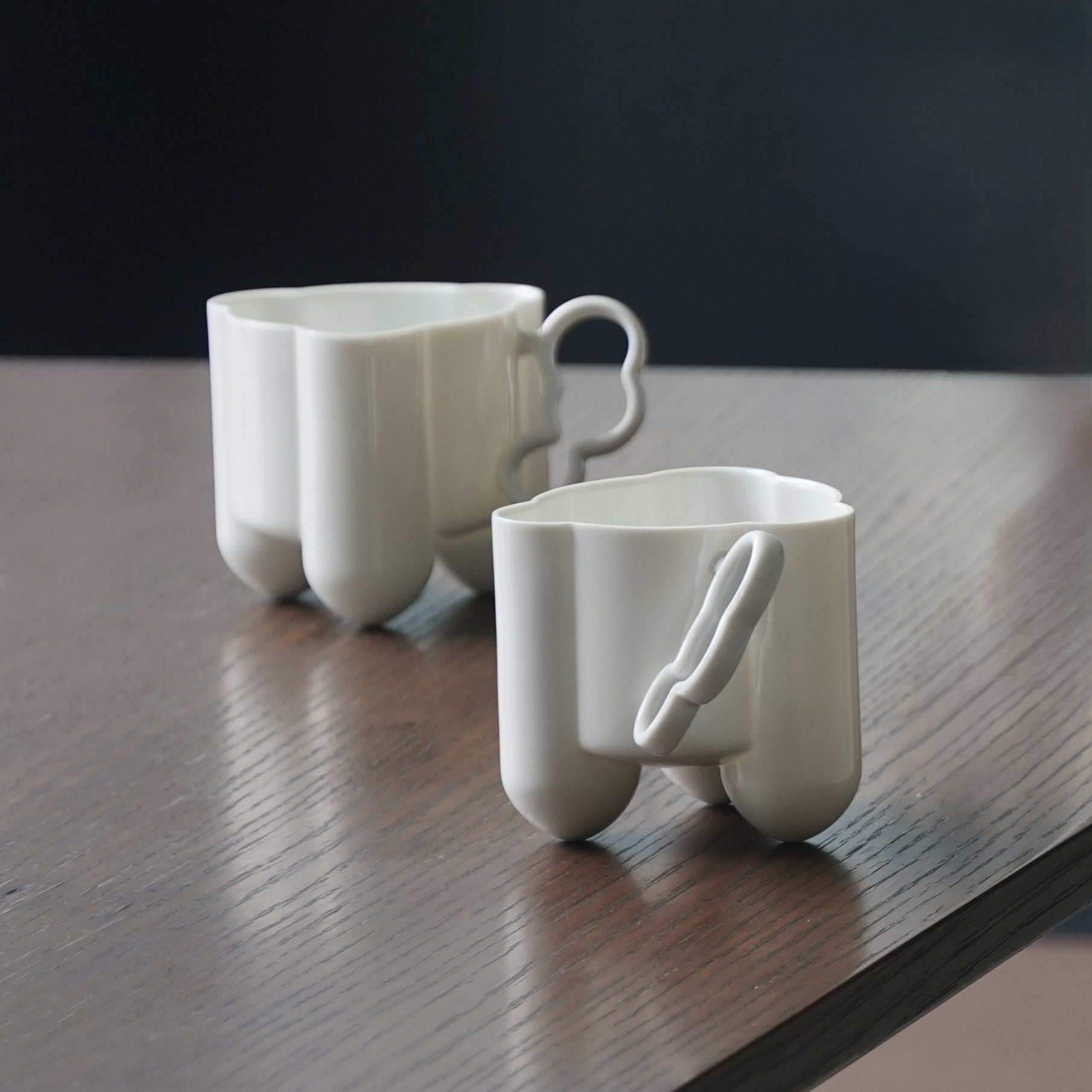
Heinrich Wang placed nine pillars at the heart of Timeless Grace. Each one echoes this cultural resonance — nine interdependent columns, each supporting the others, together forming something that is more than the sum of its parts. The teapot does not just contain tea. It contains time.
Reason builds poetry
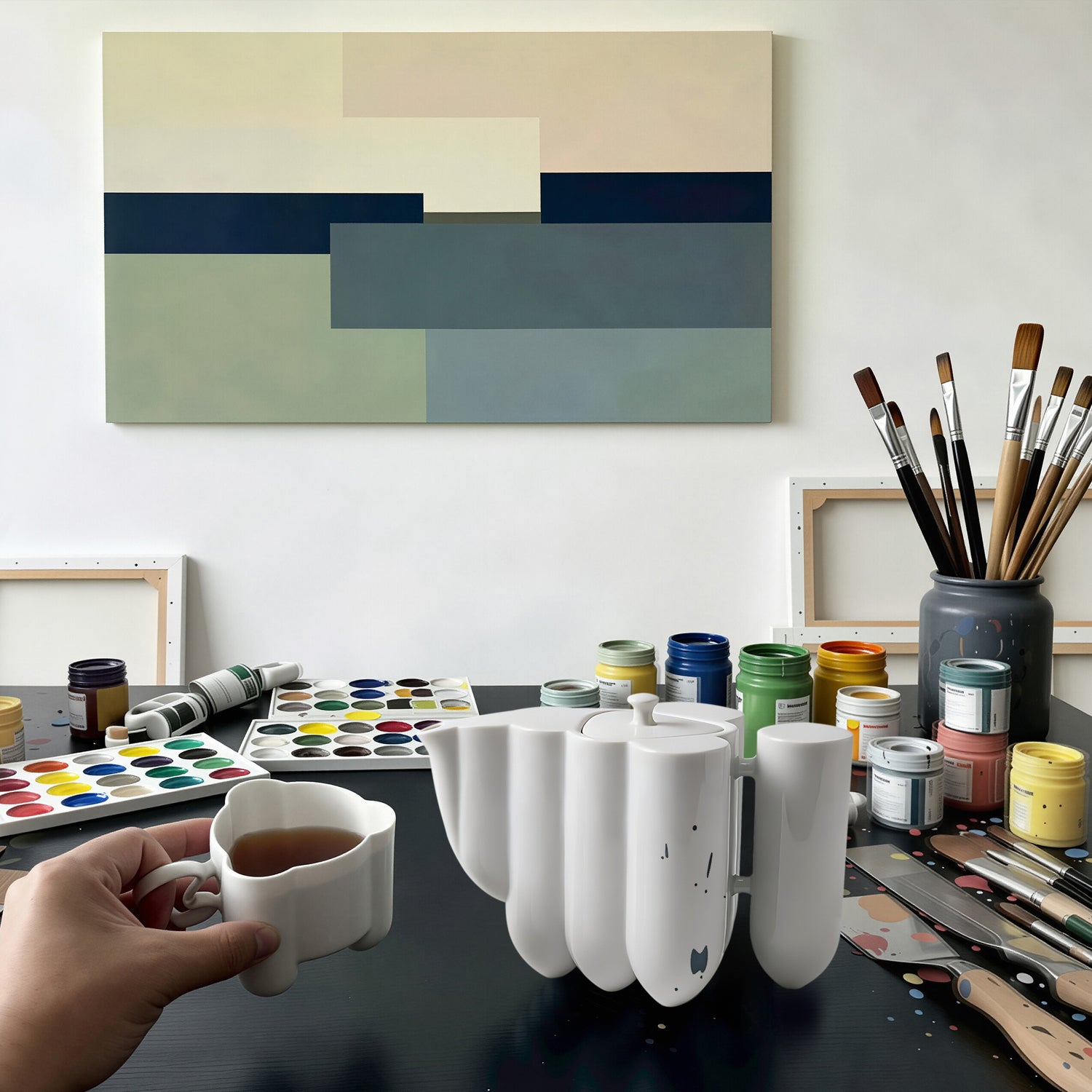
An unfamiliar form dismantles habit. Within the order of the geometry, the restless pace of urban life finds somewhere to settle.
Light becomes part of the object
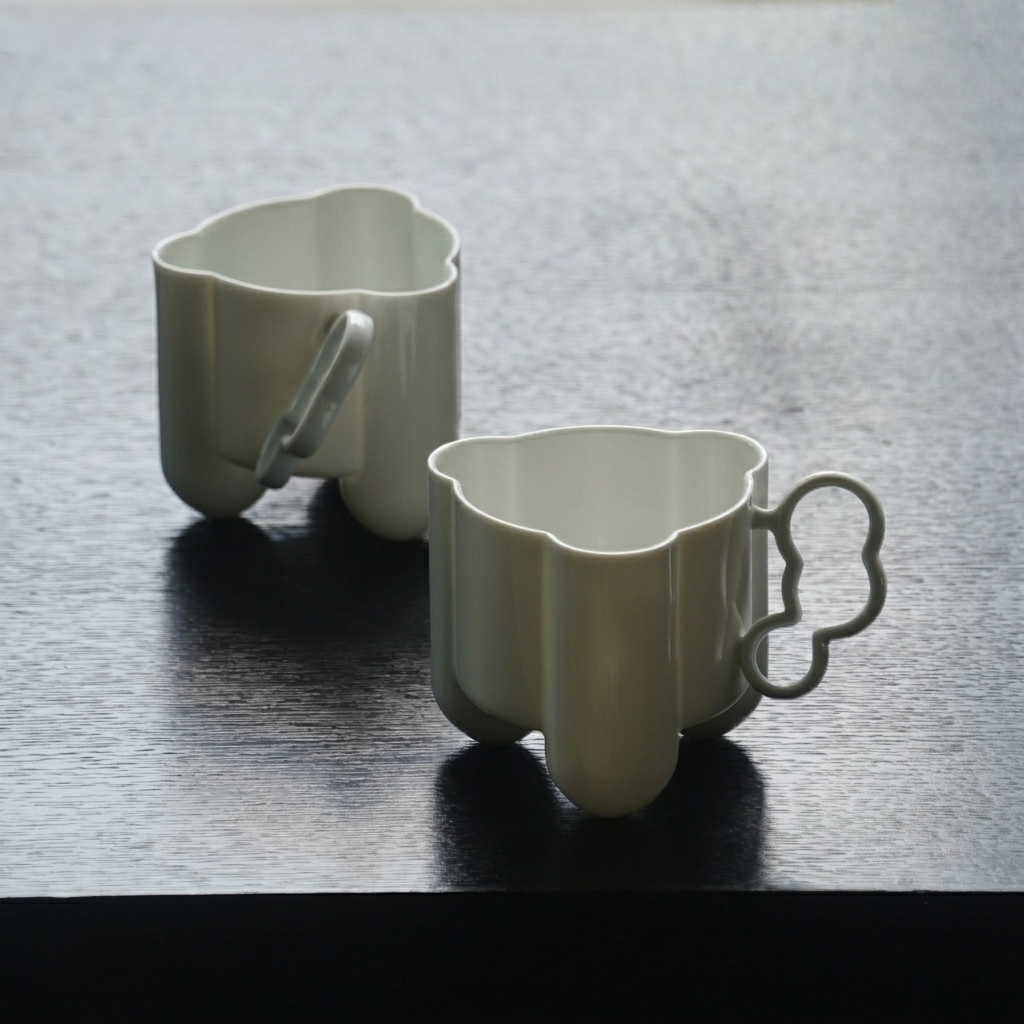
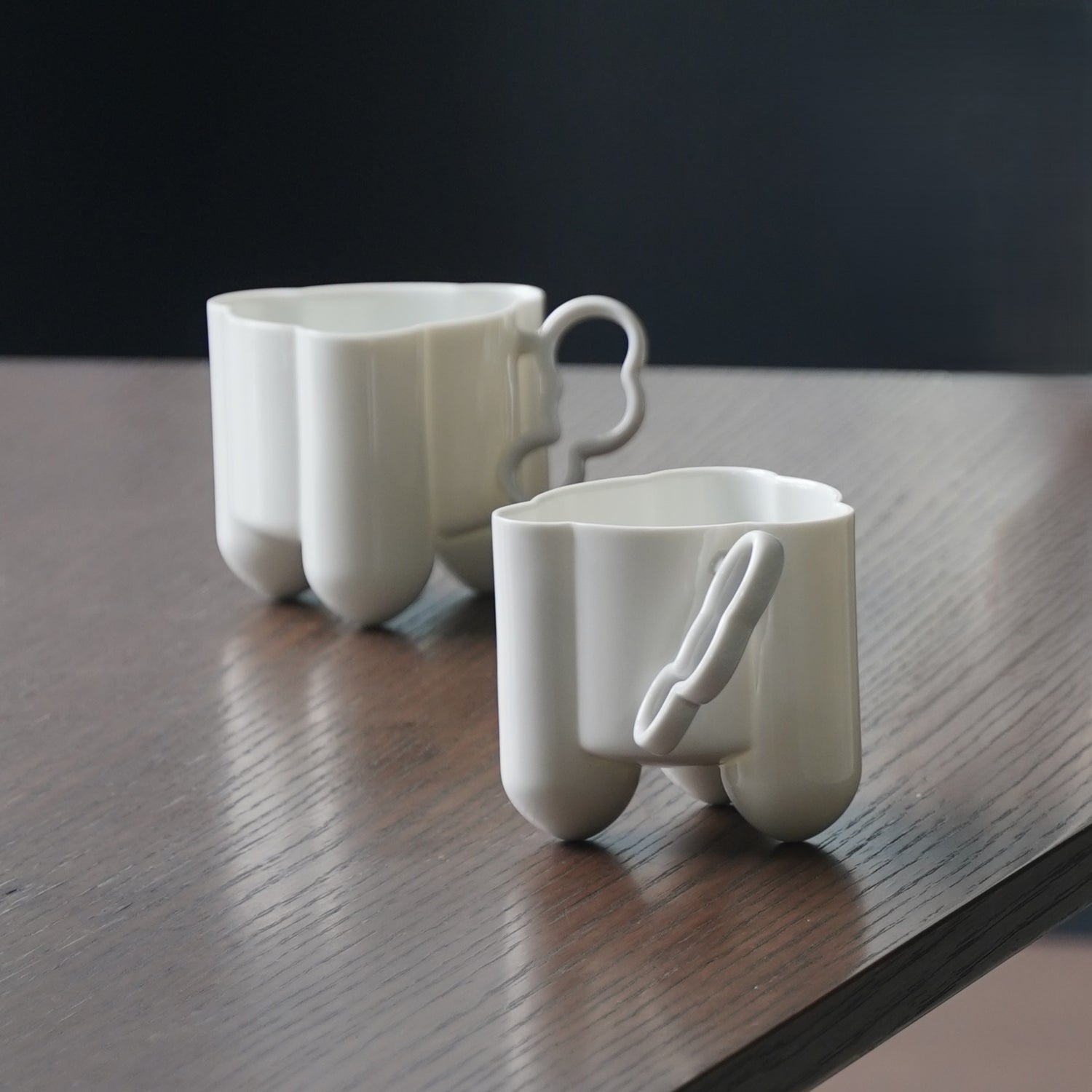
The convex and concave surfaces of the white porcelain move with the light, giving a monochrome object a quality of time — the piece shifts through the hours without changing at all.
From the senses to qì dù
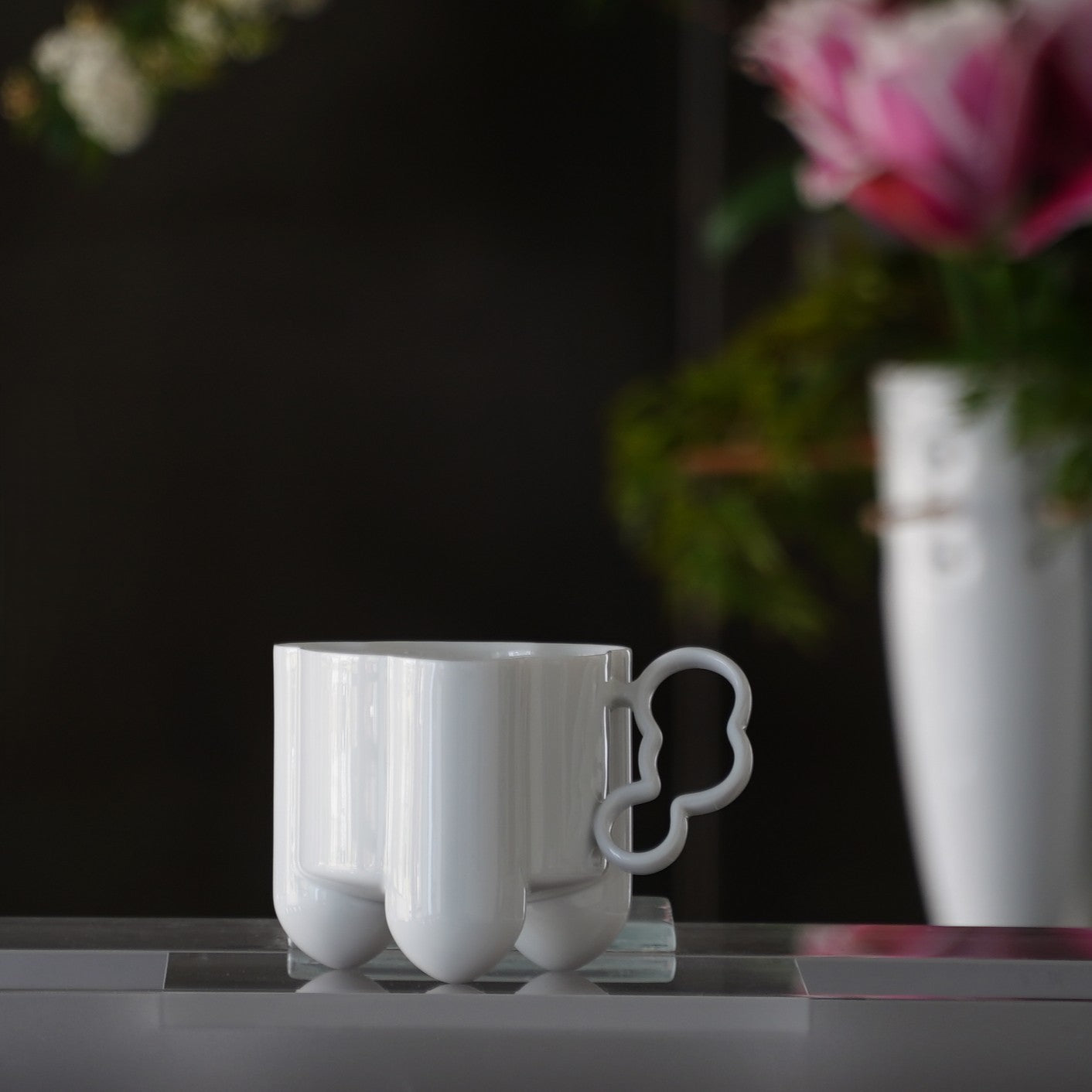
Timeless Grace responds to the pace of modern life. In an era of information overload and fragmented time, an object can become an anchor for the mind — a moment of stillness in which, briefly, one returns to oneself.