



A Father's Character and Legacy: A Tribute to the One Who Steers the Family Forward
A father's love runs as deep as the sea, and as warm as the rising sun. His whole life may well have been spent bringing "daybreak" to his family —...


Every time you lift the cup, a practice in letting go of weight
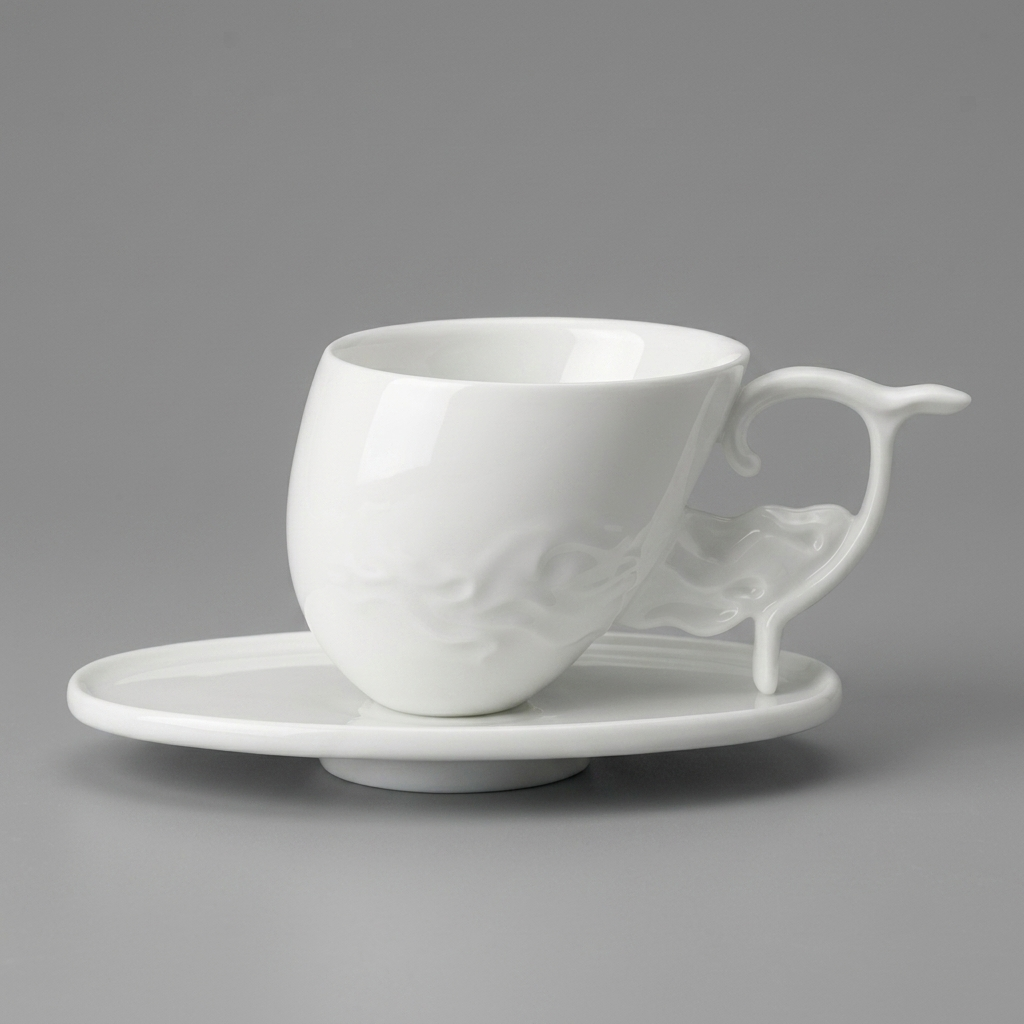
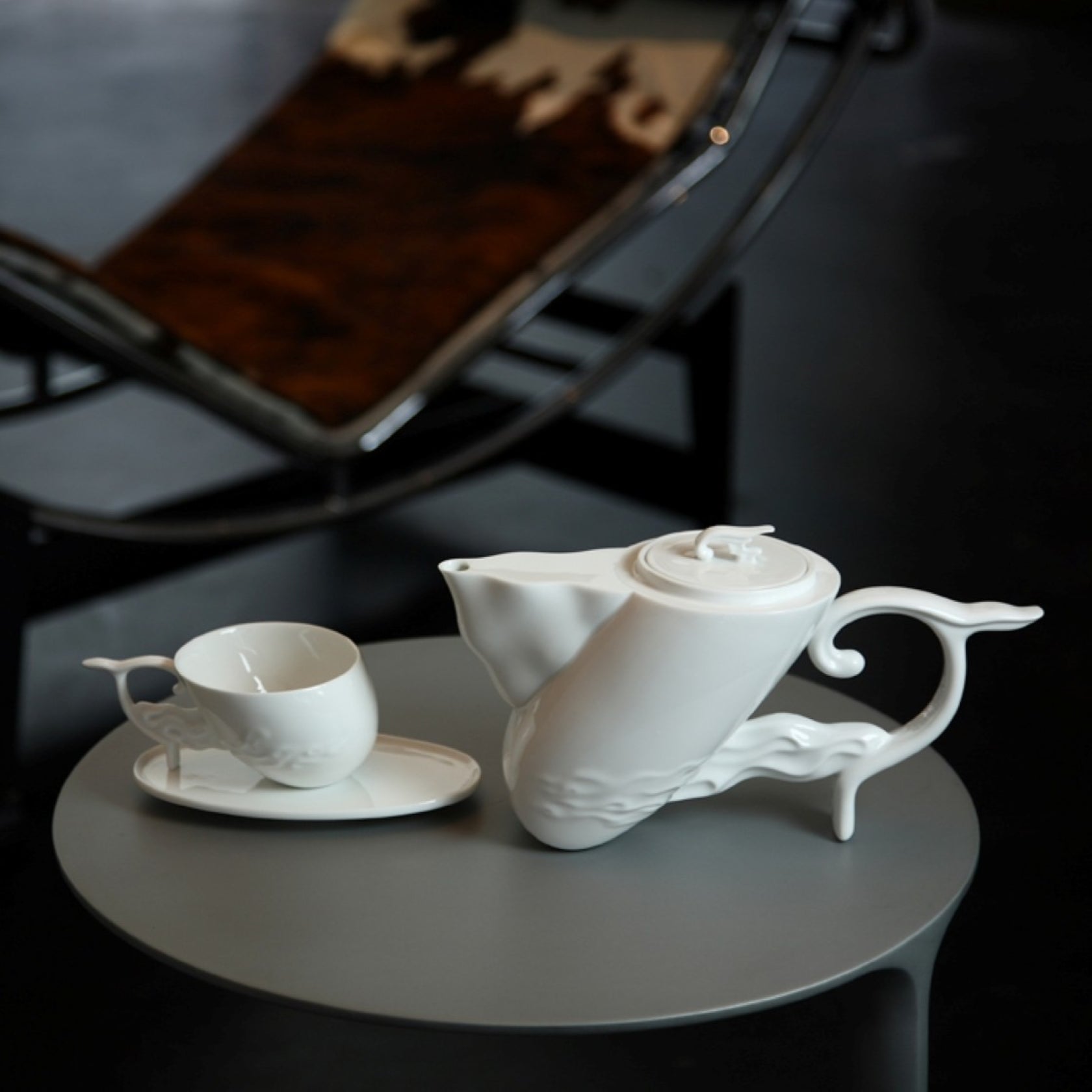
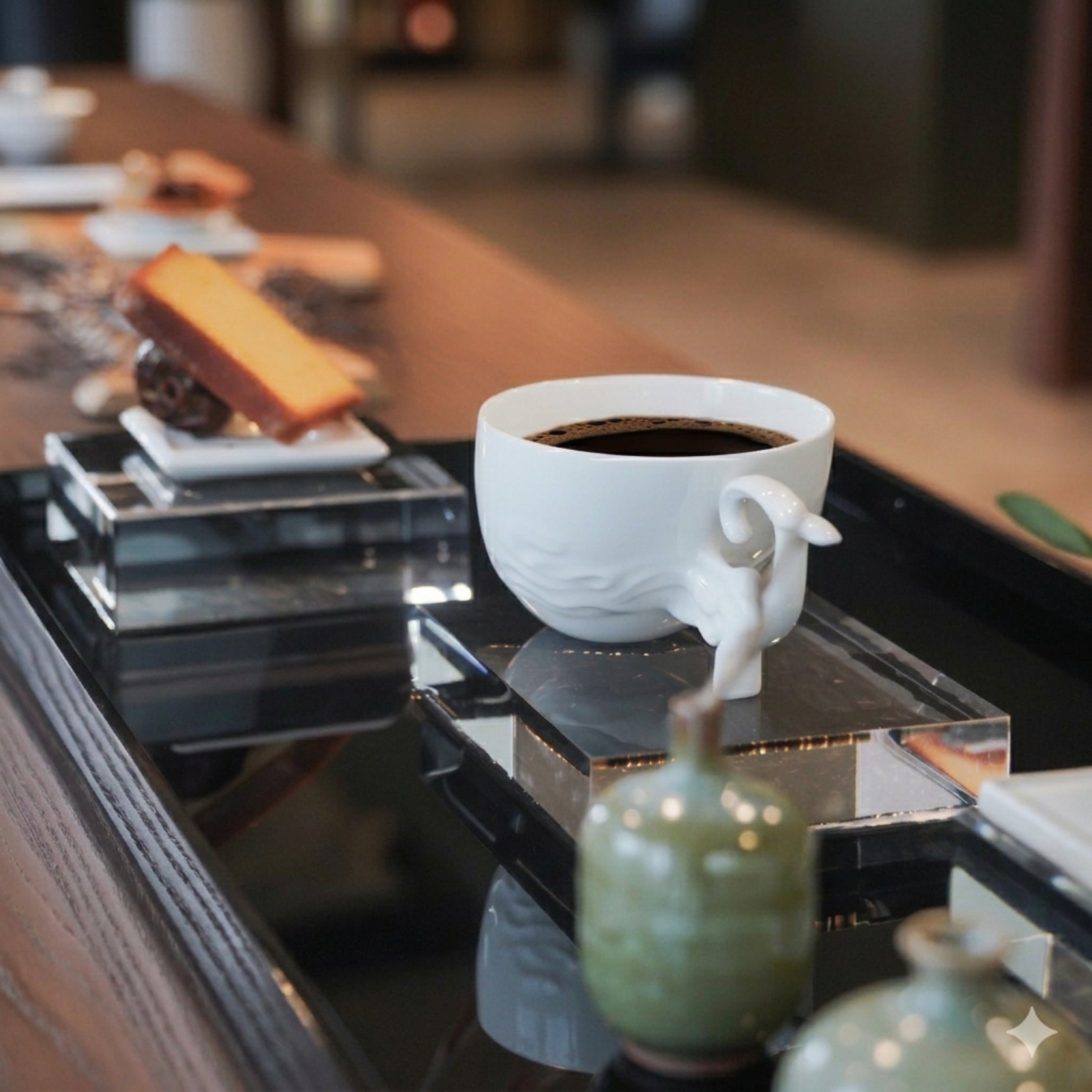
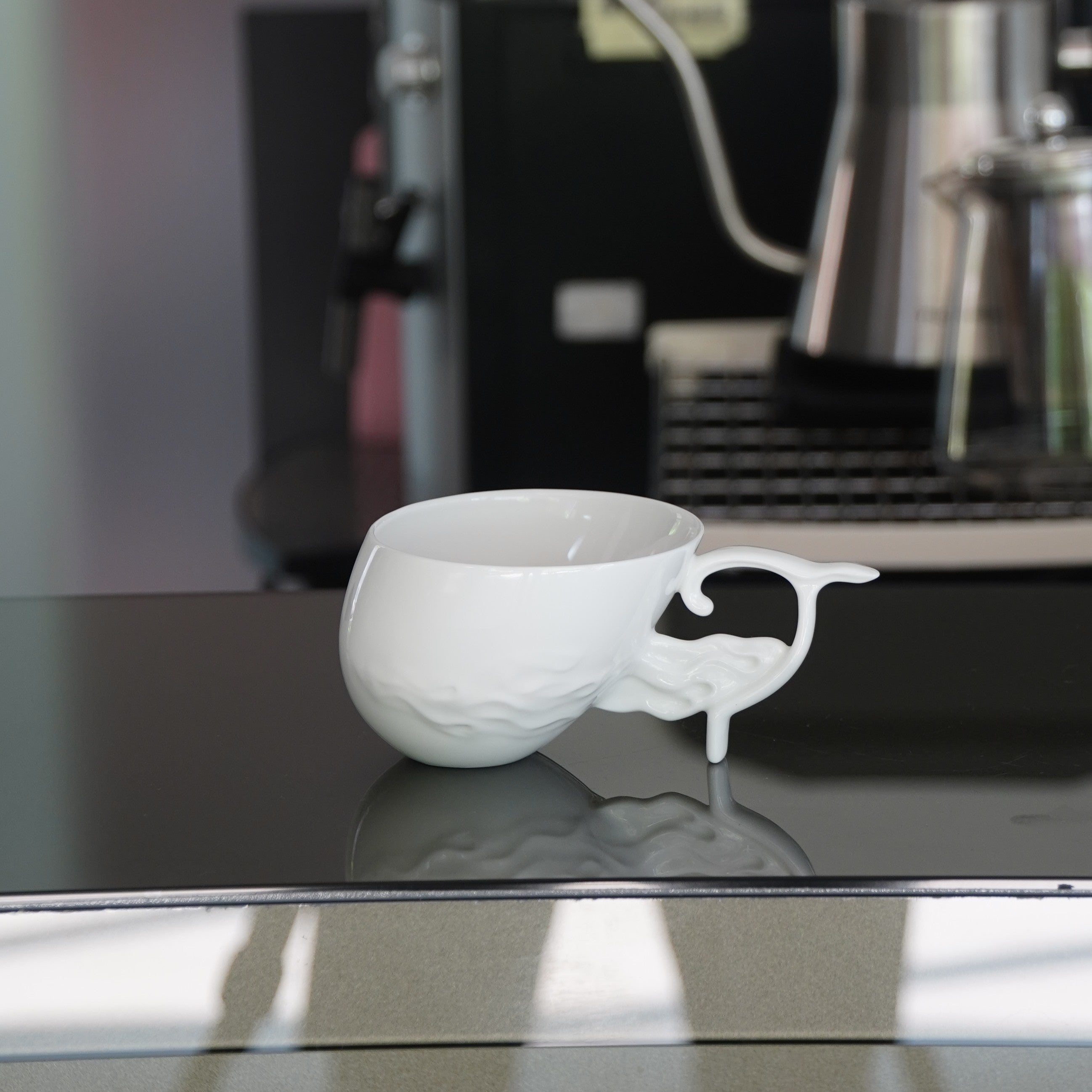
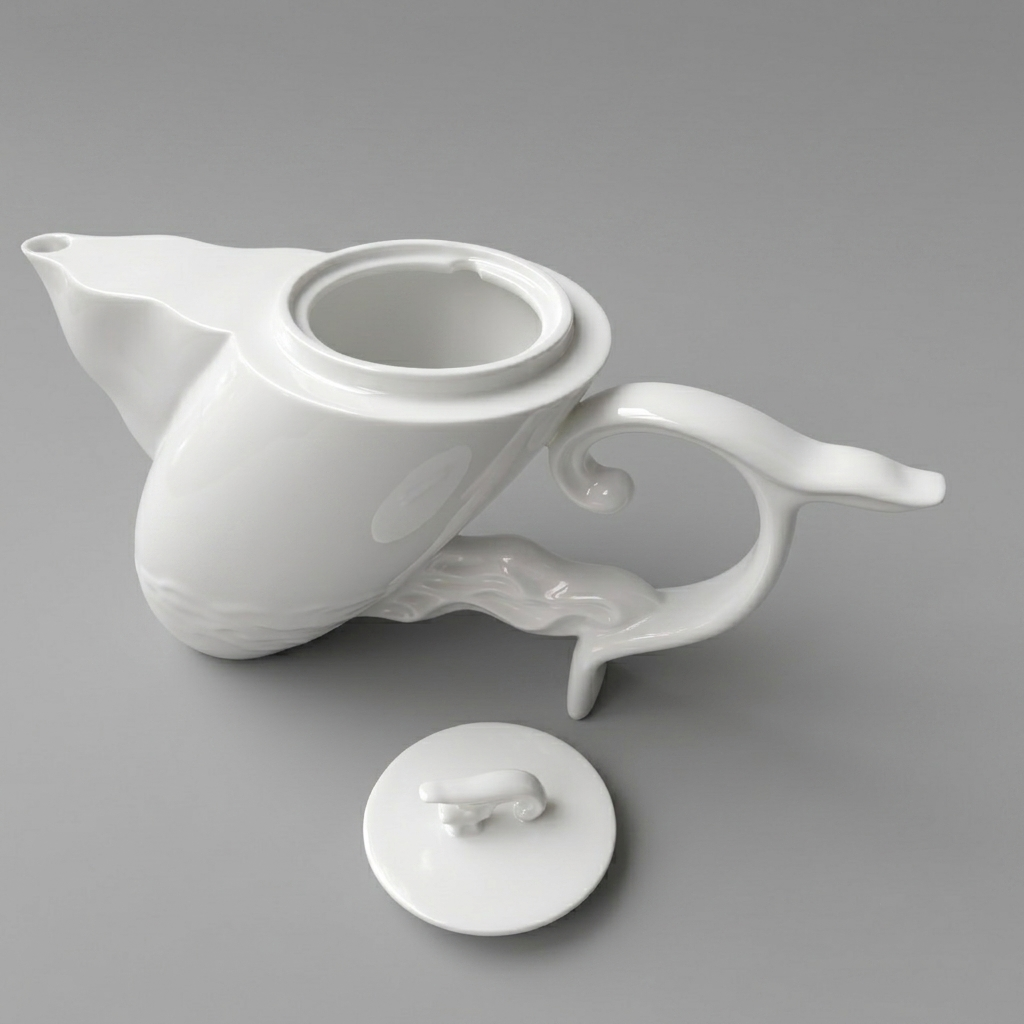
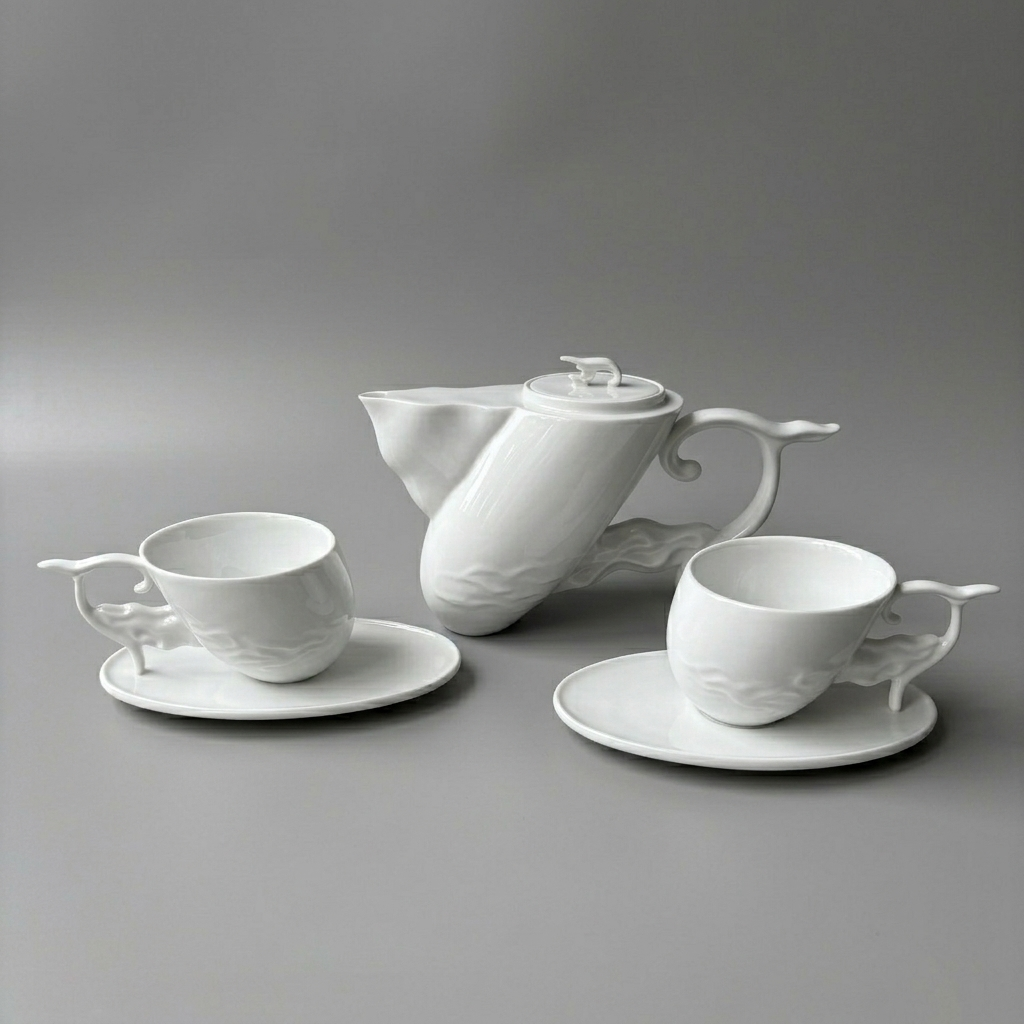
Dancing with the Wind describes the movement of wind through a gently tilted cup body and flowing lines. When the fingers close around the handle and the cup is lifted along its angle, it is as though the weight of the day lifts with it — a moment of release, ease, and lightness. From the pace of the city to the stillness of an afternoon cup of tea: Dancing with the Wind is an invitation to return to ease.
Couldn't load pickup availability
Contemporary White Porcelain Craft · Fired at 1300°C
Designed by contemporary white porcelain artist Heinrich Wang, each piece embodies Eastern philosophy and contemporary form.
Transforming life philosophy into functional art, conveying a Zen-inspired modern aesthetic.
Crafted with a transparent glaze technique, revealing the pure beauty of porcelain’s natural white after firing.
Only human hands can convey their warmth — every NewChi Porcelain piece is handmade, embracing the challenges of fine porcelain craftsmanship.
Perfect for important festivals, greetings to elders, corporate gifting, and art collections — conveying taste and blessings. If you would like a handwritten all-occasion card, please note your request in the remarks field at checkout.
For custom wooden or acrylic bases, please contact customer service.
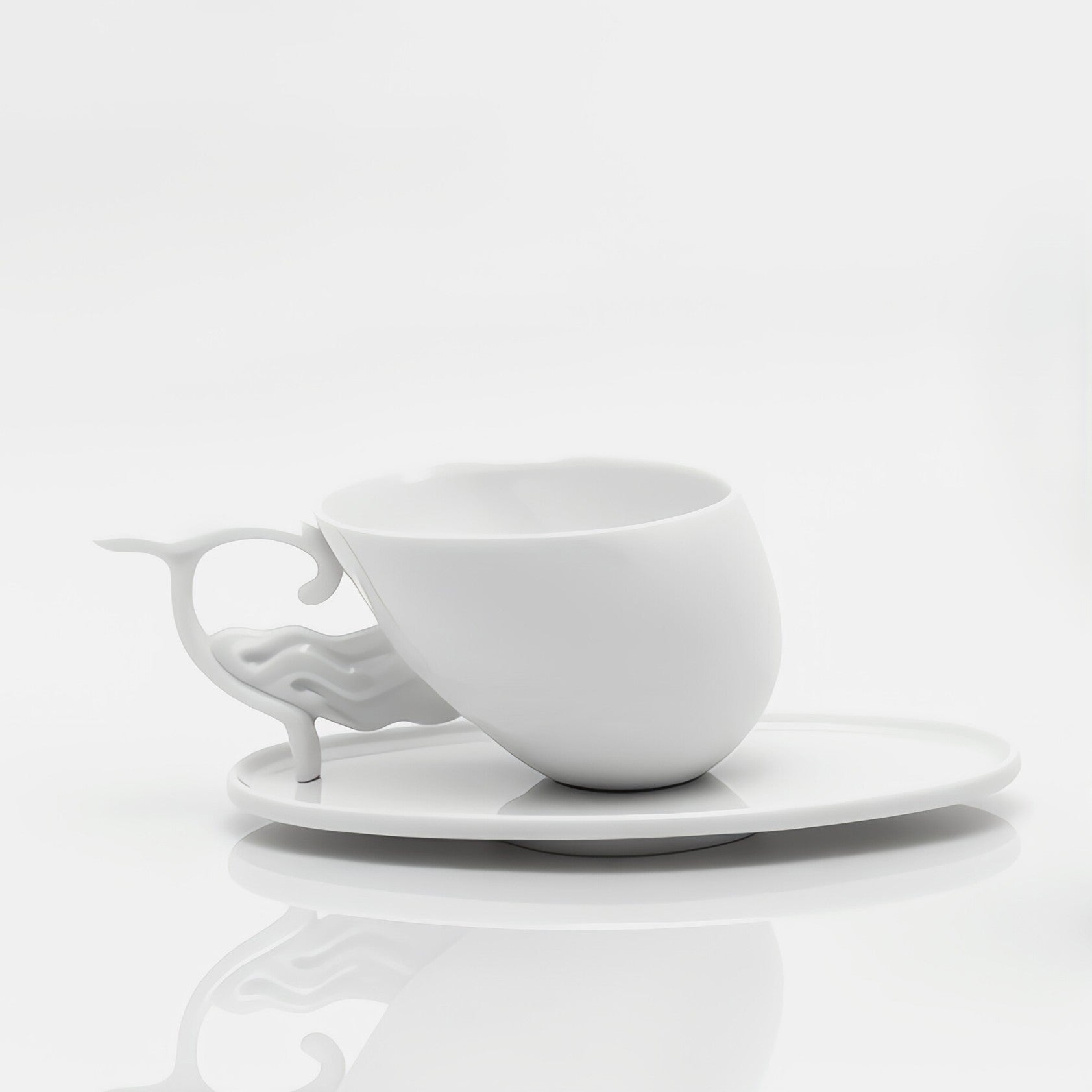
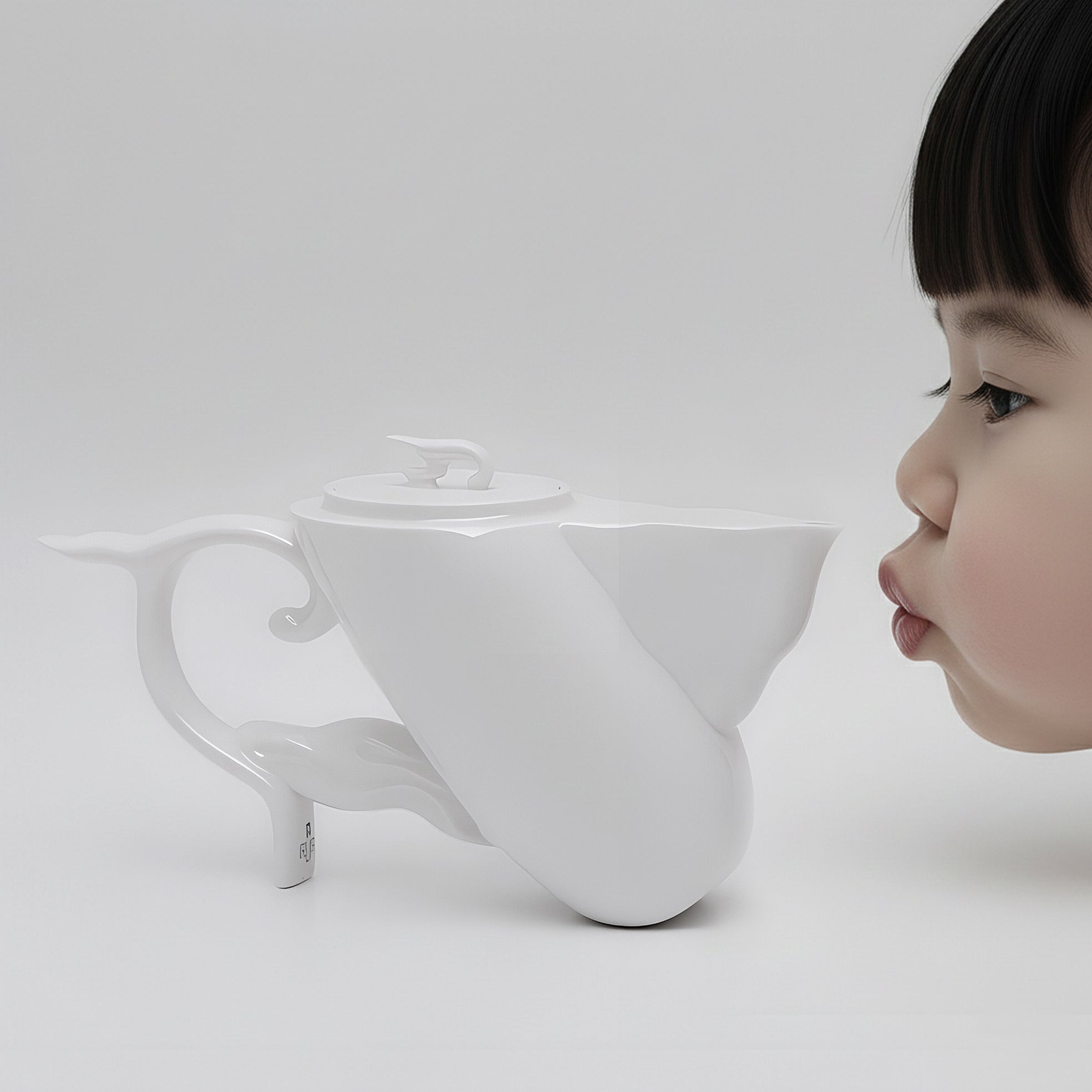

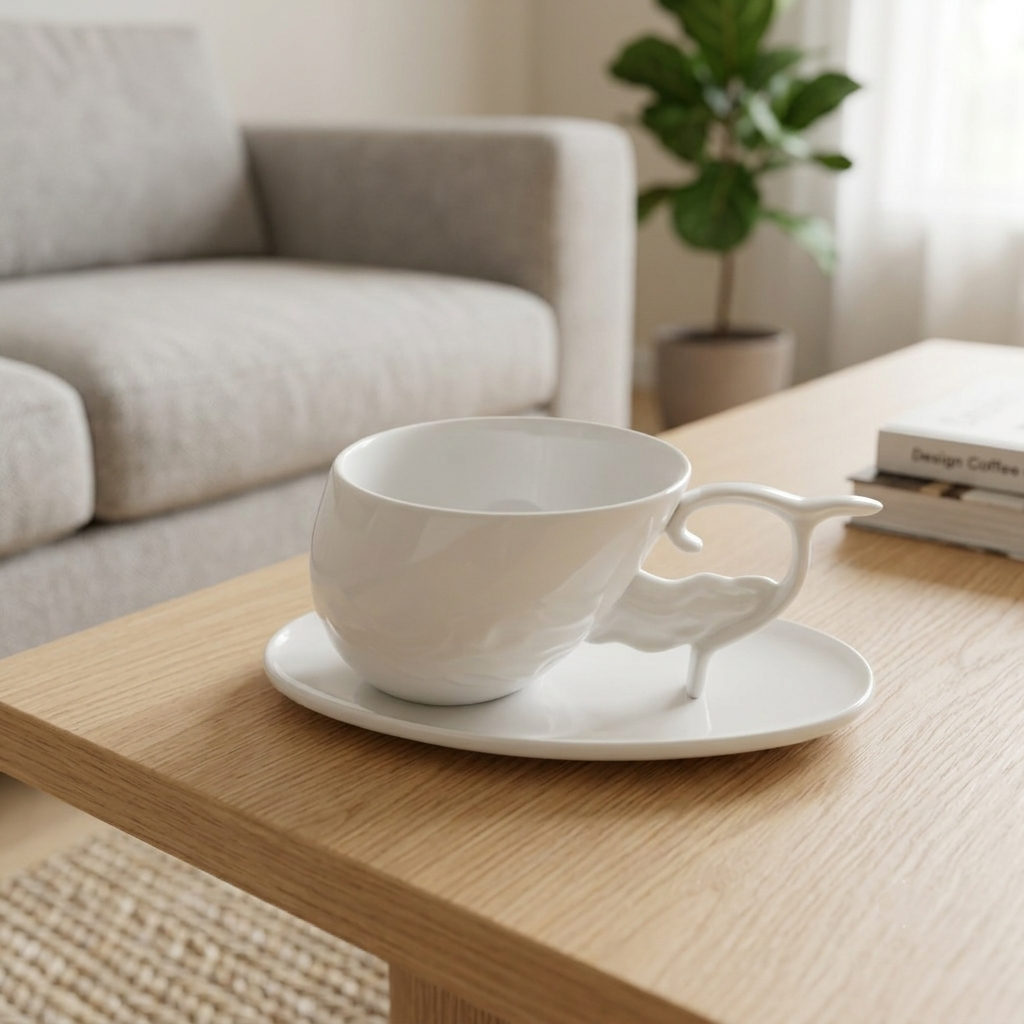
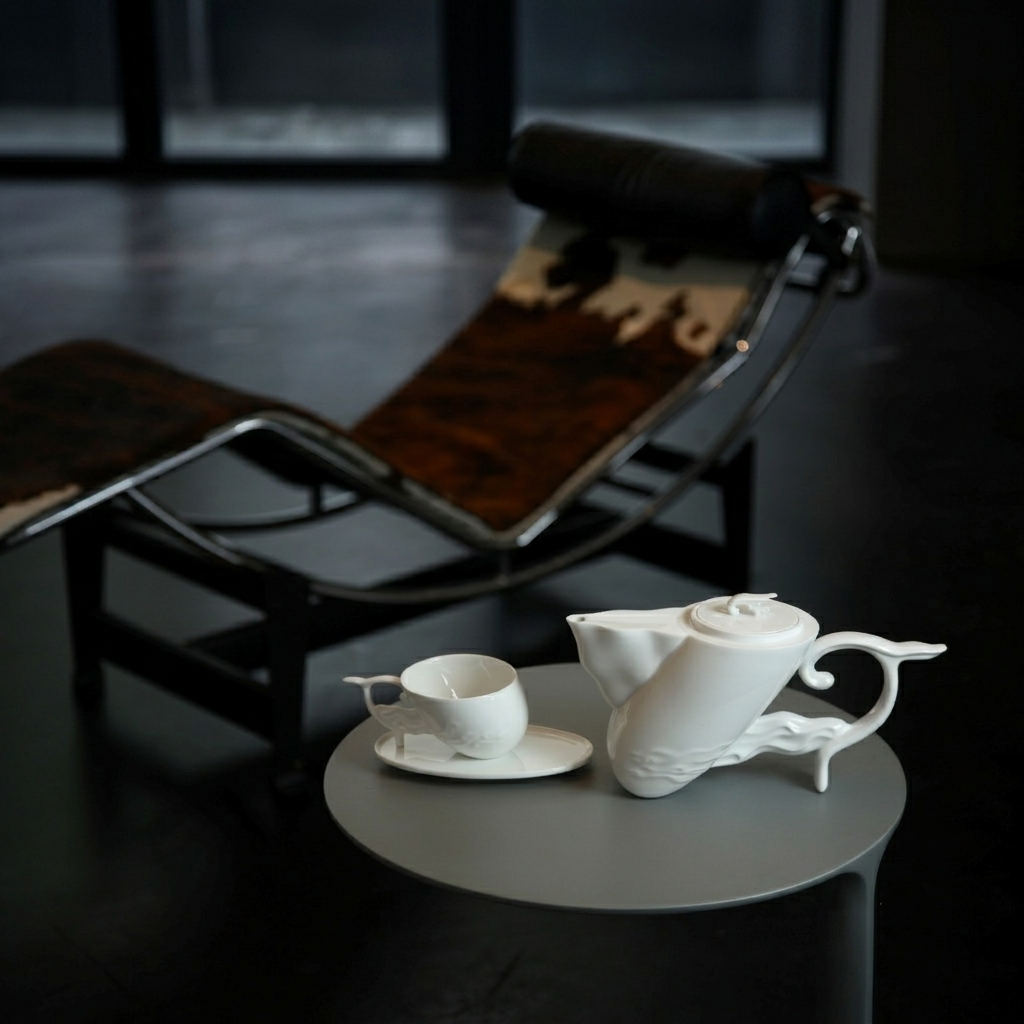
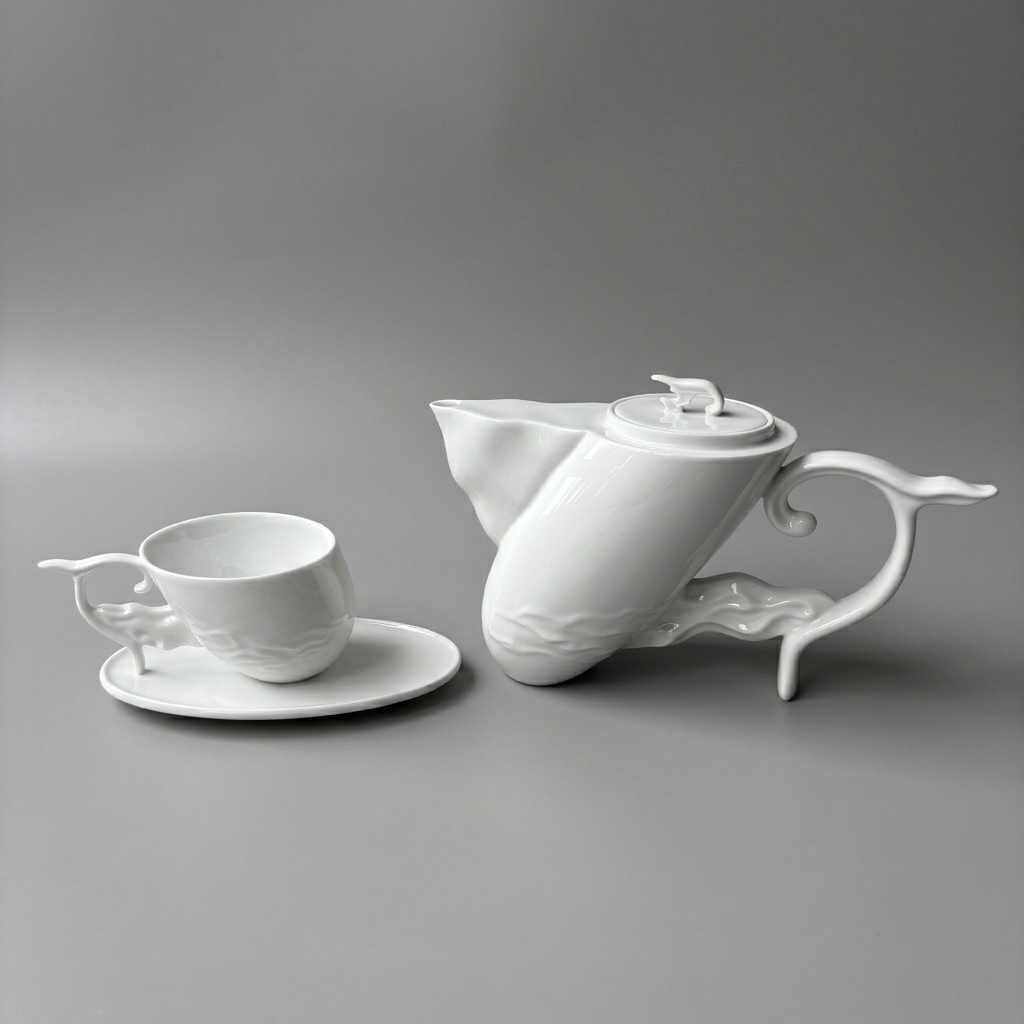
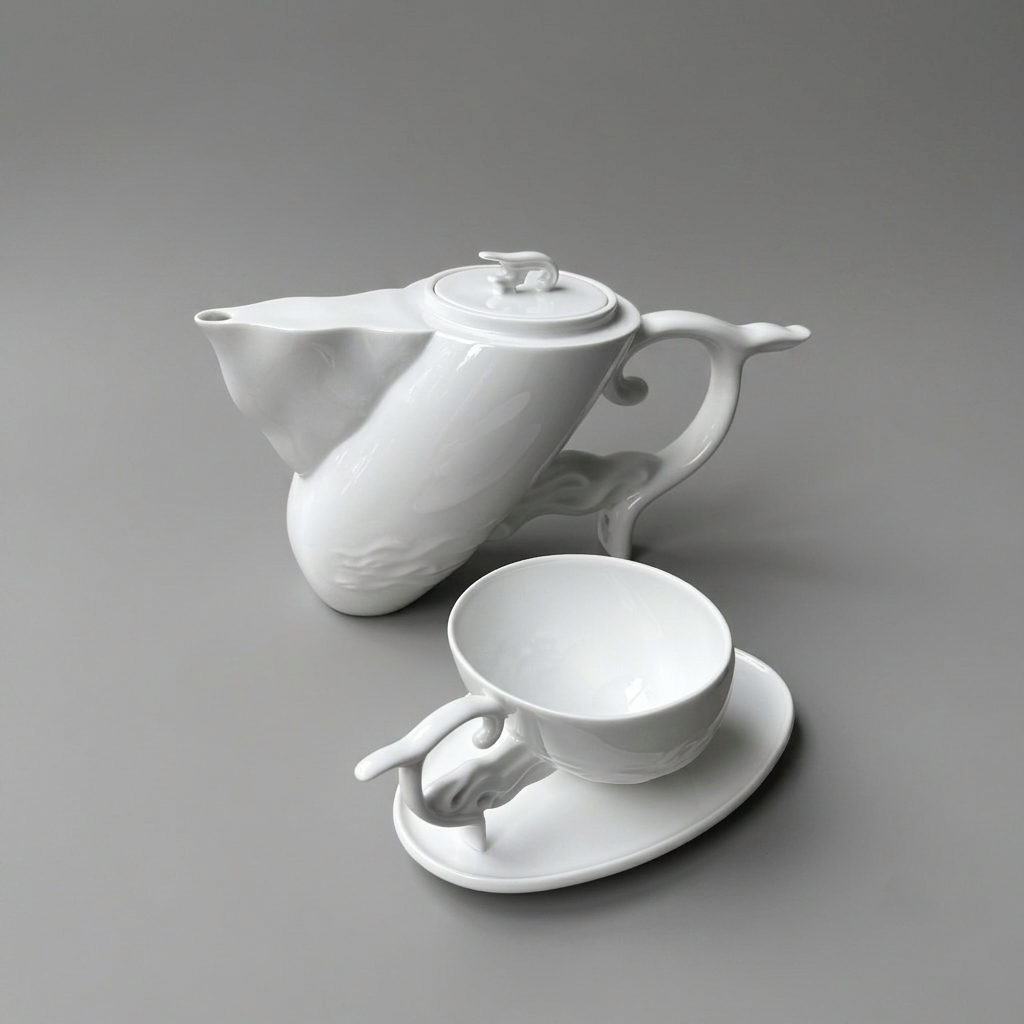
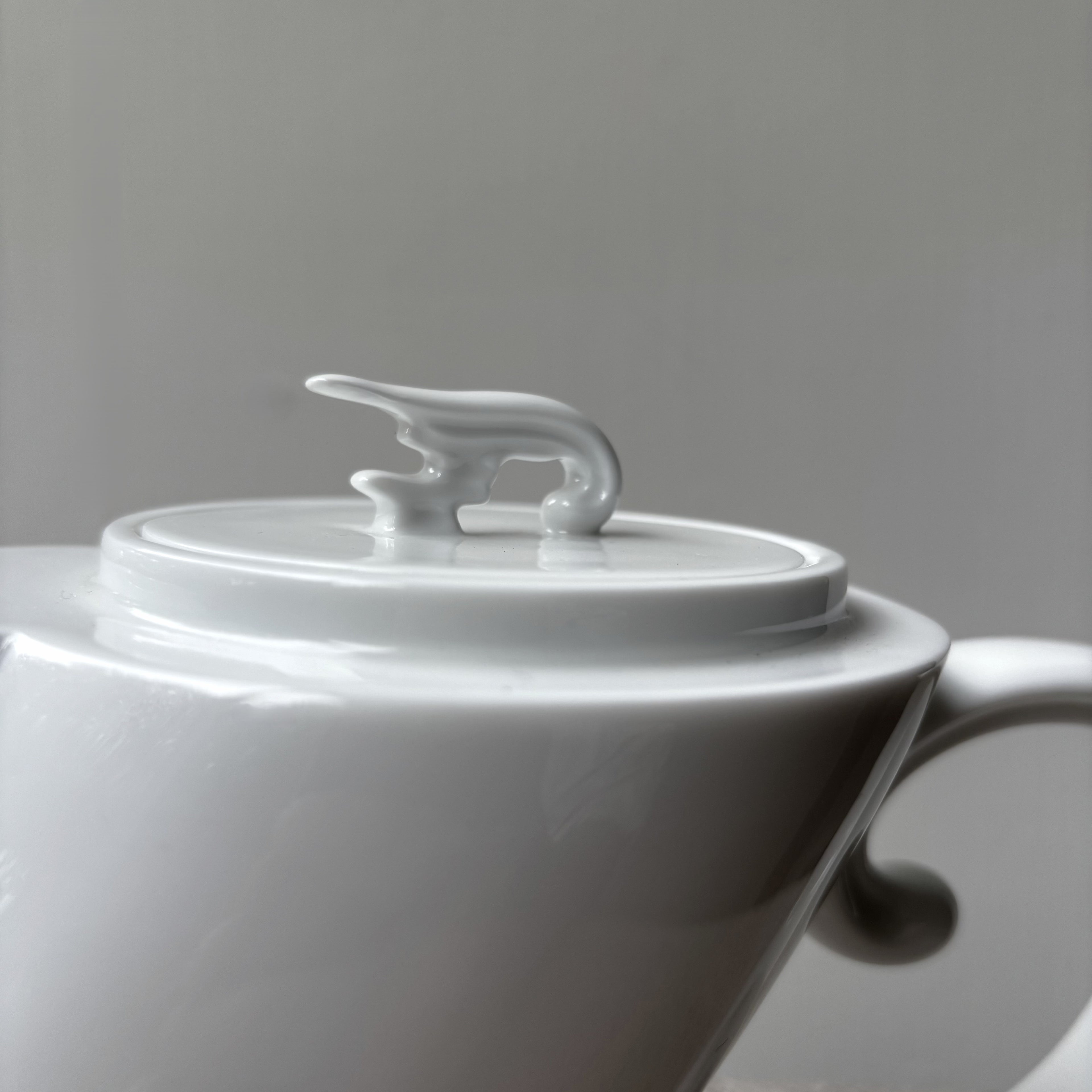
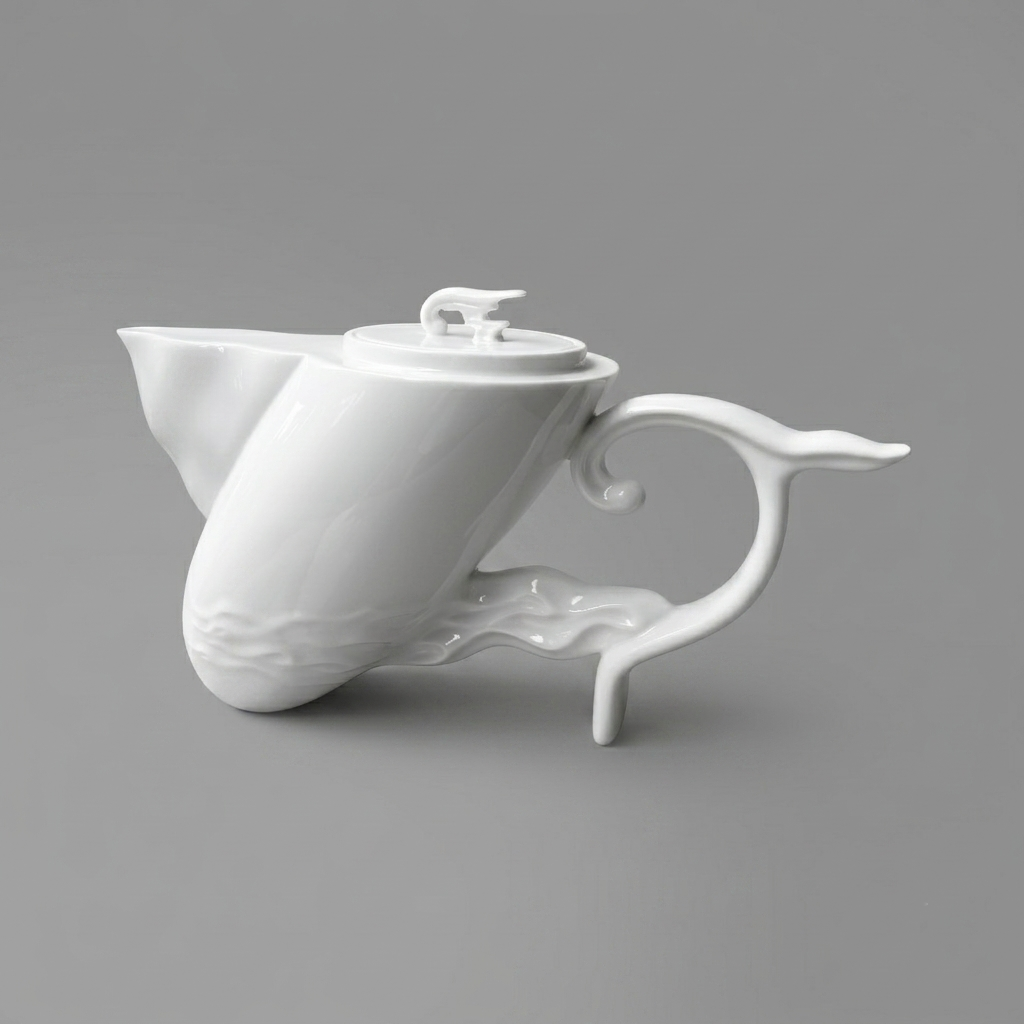
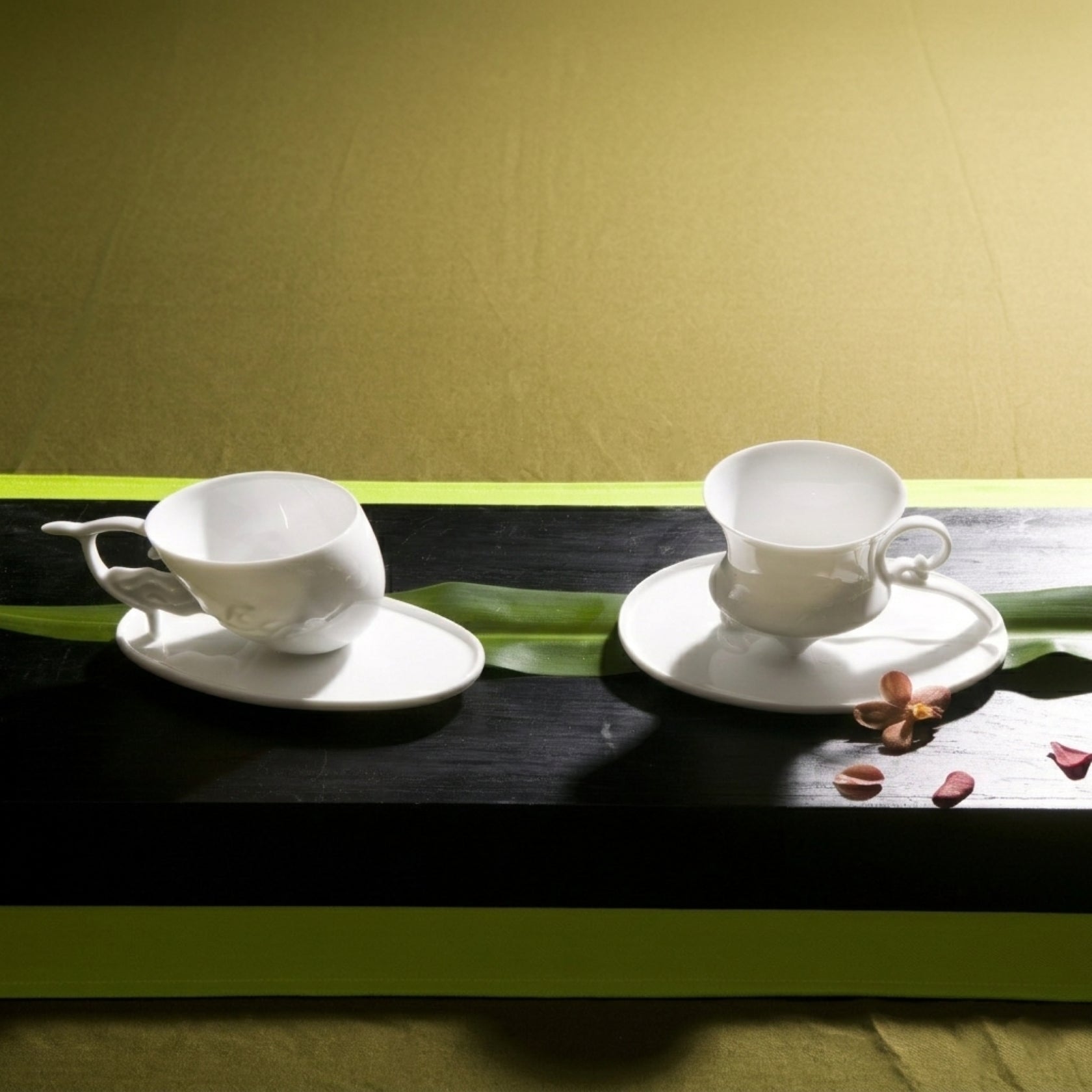
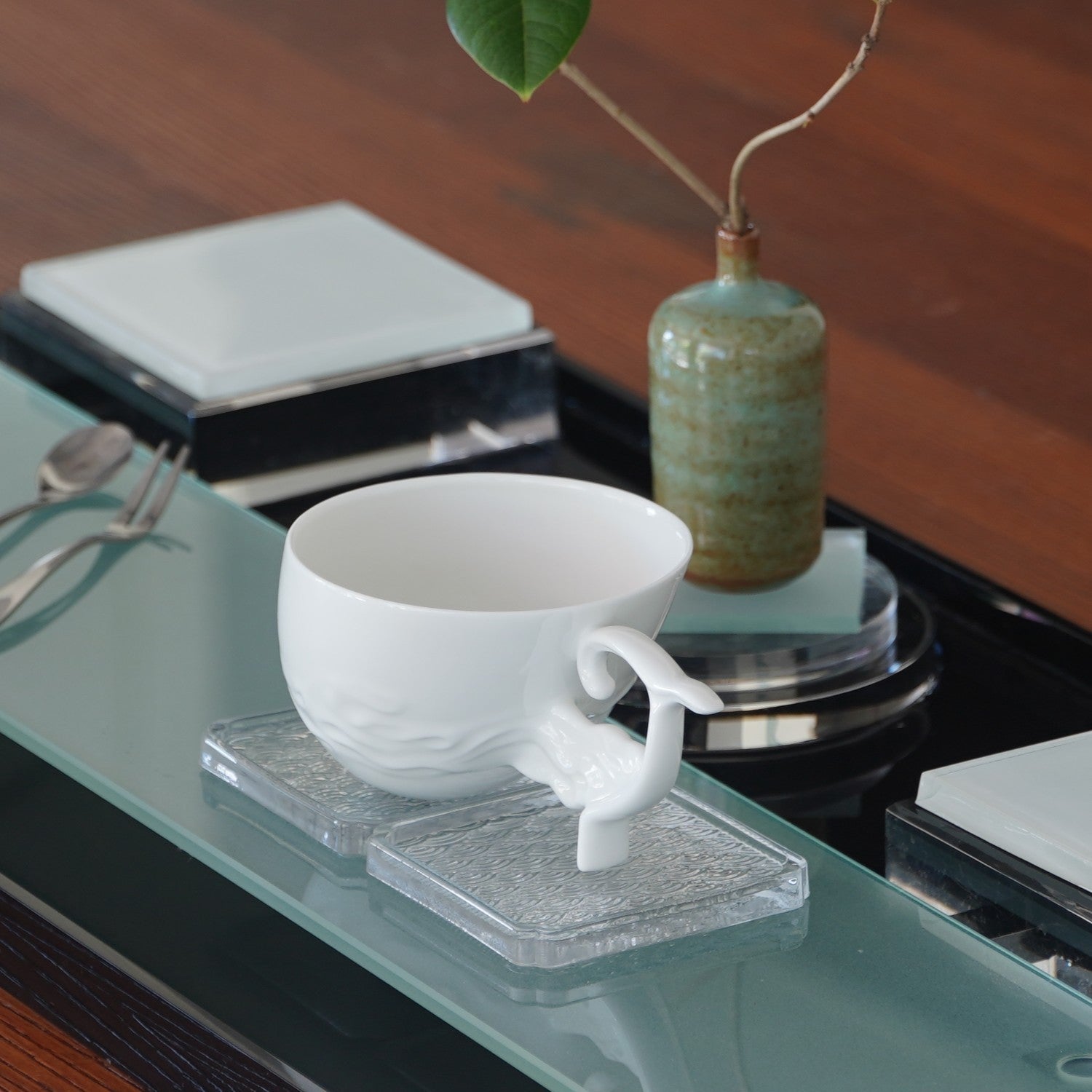

A moment of stillness in a busy life
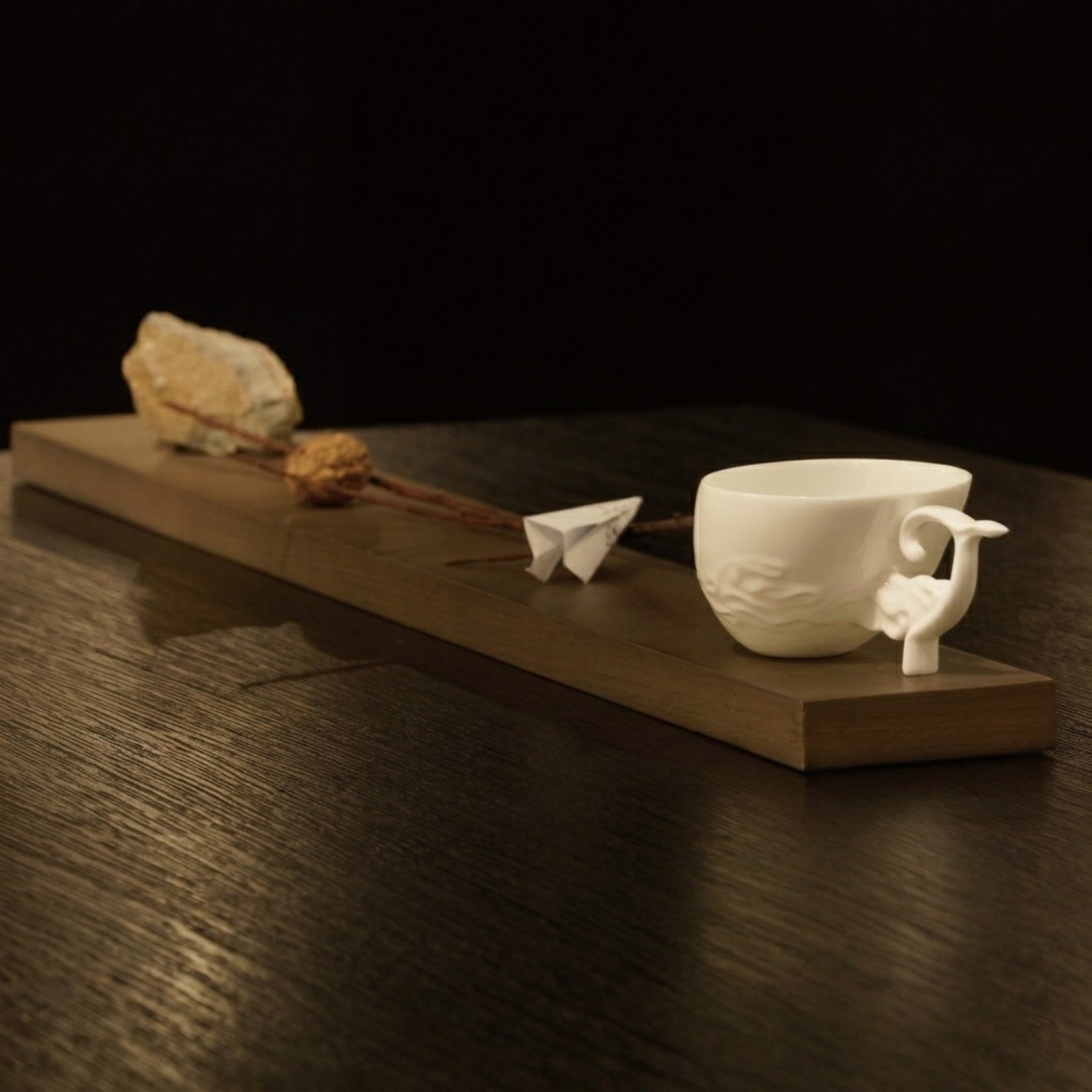
Heinrich Wang writes: "Dancing with the Wind — through the time and space of tea, slipping naturally into the ease of open sky." When the city's pace quickens the heartbeat, lifting the tilted cup, the hand adjusts naturally along the angle, the body steps slightly away from its habits, and the mind is carried toward the place where kites fly — the feeling of clear sky in every direction, happening in the time it takes to drink one cup of tea.

Tea with someone worth the time
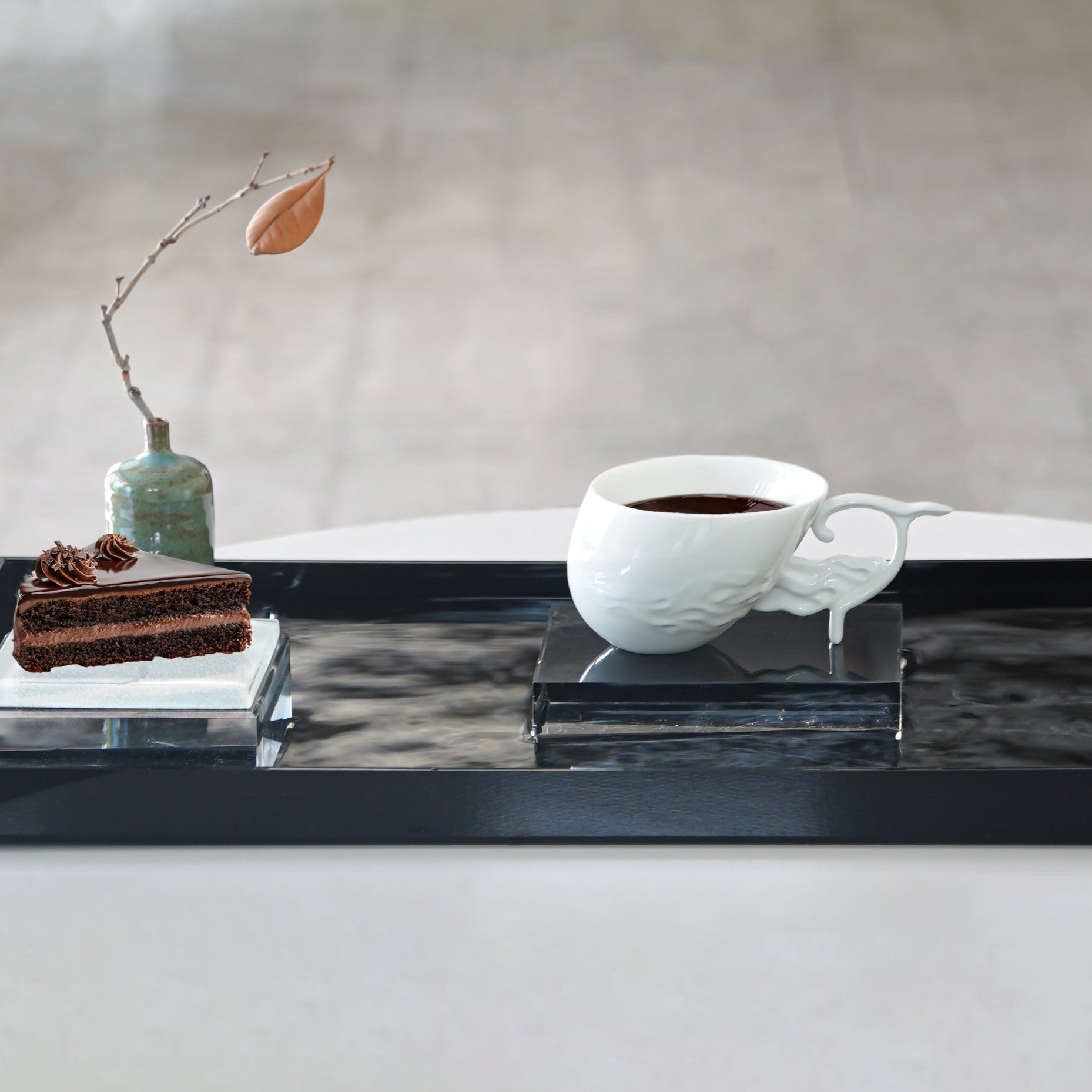
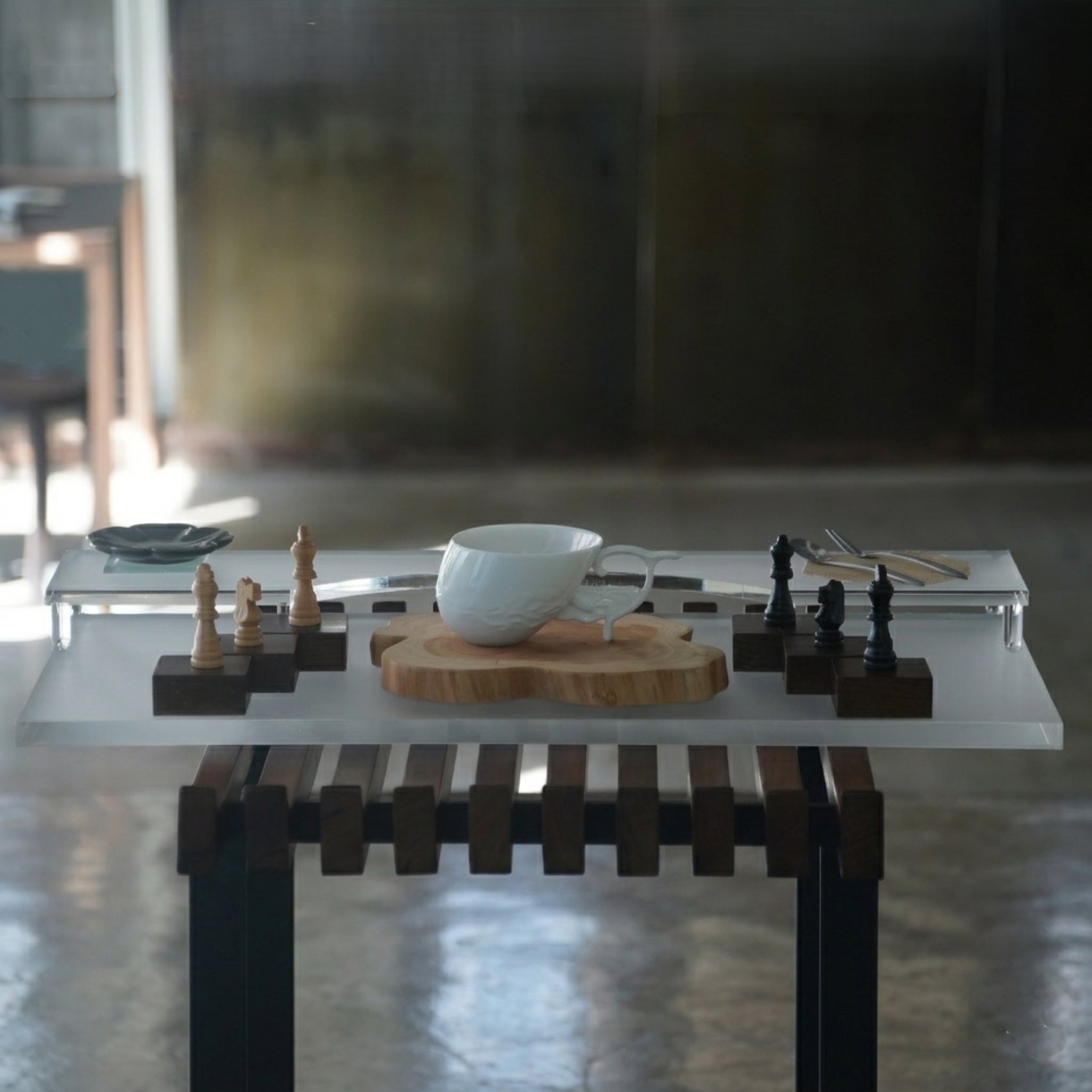
"Let every sip release the spirit like the wind — sweet, free, boundless, unstoppable." Dancing with the Wind on the table gives the whole occasion a sense of motion and poetry. Two people seated across from each other, within the imagery of the wind, find the conversation lightens too.

In the study or tea room — a sculpture in motion
At rest on the table, the tilted silhouette of the pot and cup is a white porcelain sculpture full of dynamic energy — the posture of the wind, held still in that single tilted moment, forever.
Design Concept
Occasions or Usage
Ideal For
Dimension
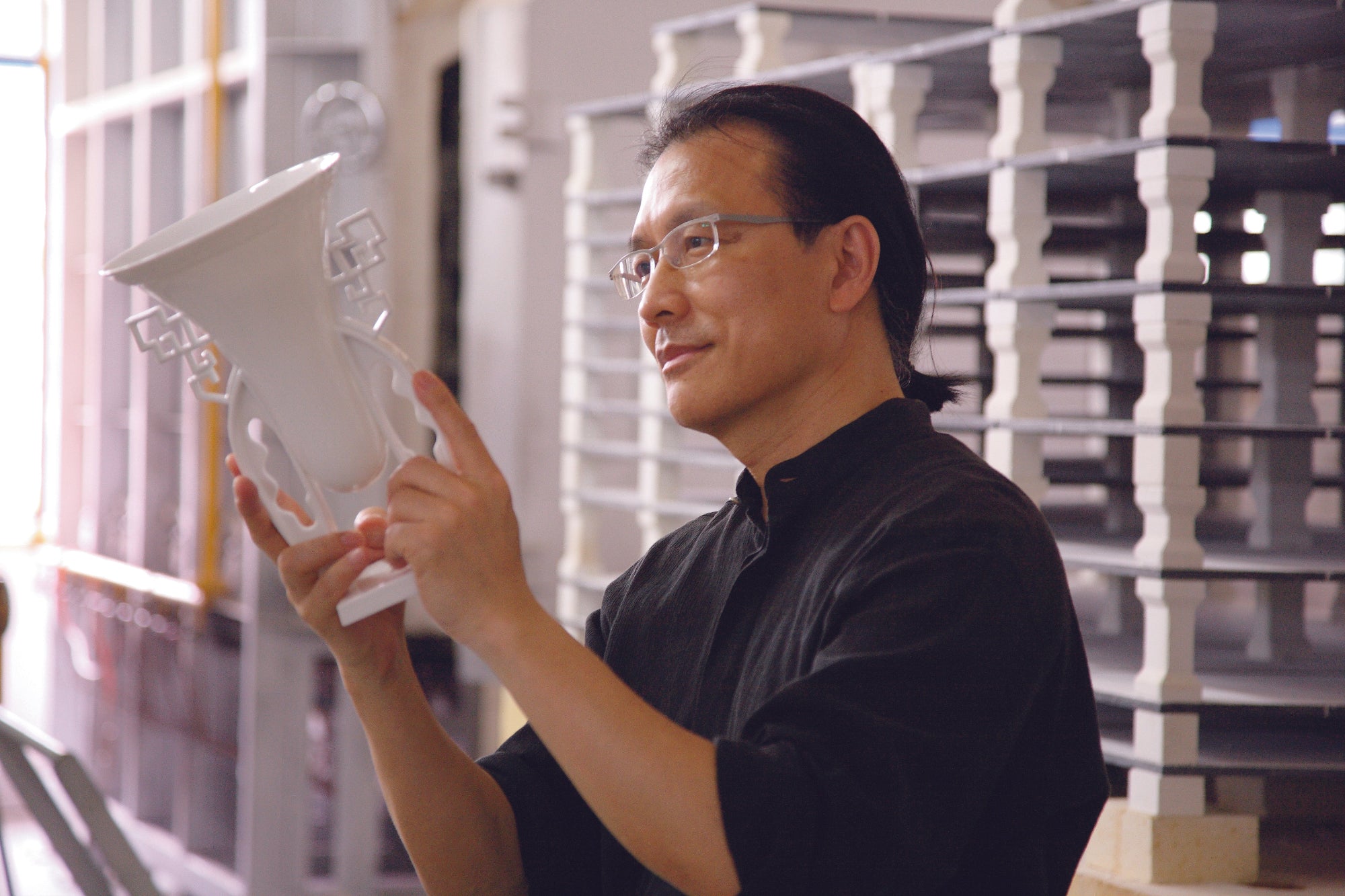
Heinrich Wang, founder of NewChi Porcelain and Tittot, is one of Taiwan’s most representative contemporary artists in white porcelain and liuli glass. Renowned for infusing philosophy and poetry into object design, his works have been exhibited at the National Museum of History in Taiwan, the Taiwan Craft Research and Development Institute, and the Triennale di Milano, earning recognition from collectors worldwide. Every porcelain piece is personally overseen by Wang, offering an aesthetic choice that unites artistry, cultural depth, and practical function.
A father's love runs as deep as the sea, and as warm as the rising sun. His whole life may well have been spent bringing "daybreak" to his family —...

What do you give a father who has spent a lifetime quietly giving? This Father's Day, NewChi presents four porcelain works — Dawn Rising, By the Measure of the Sea,...