Skip to product information
1 of 13

In Bloom | Palace Museum × NewChi Tea Set

Blooming lilies in porcelain celebrate life’s joyful growth.

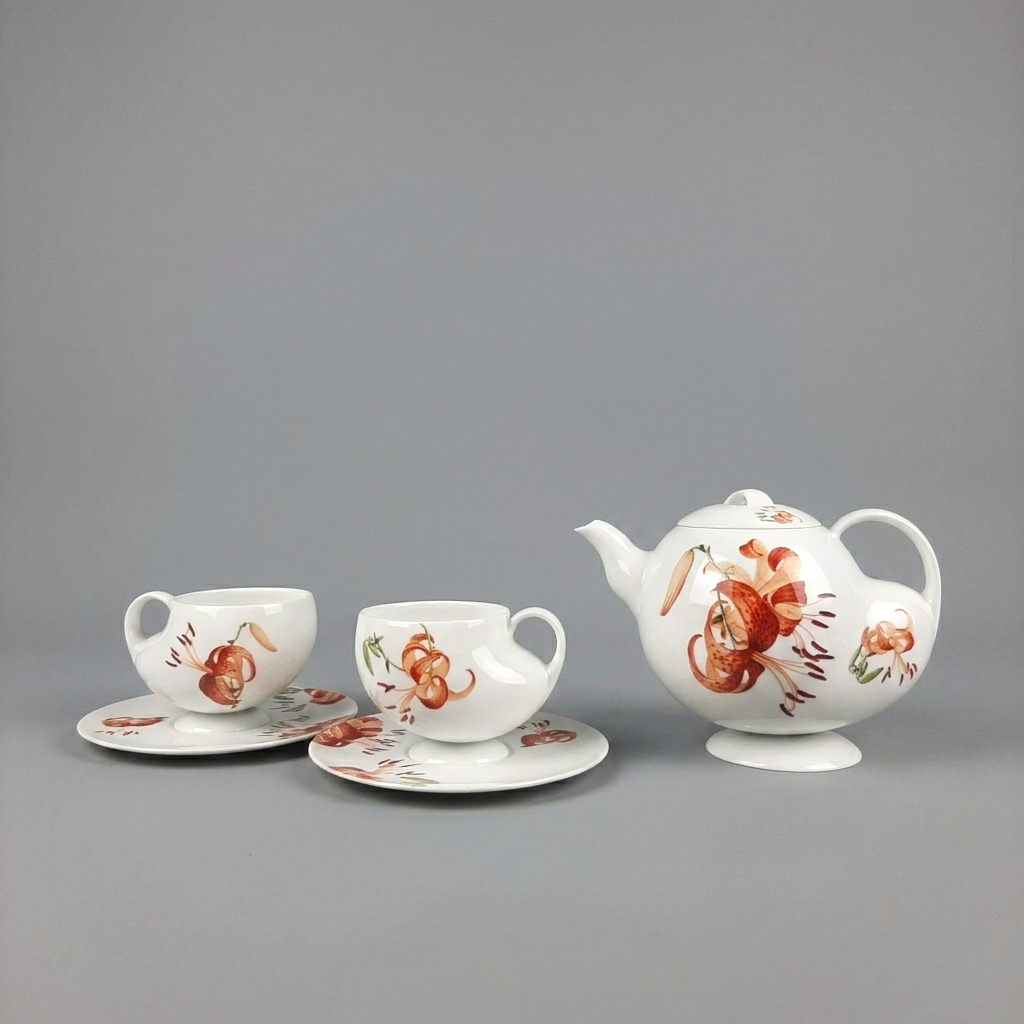
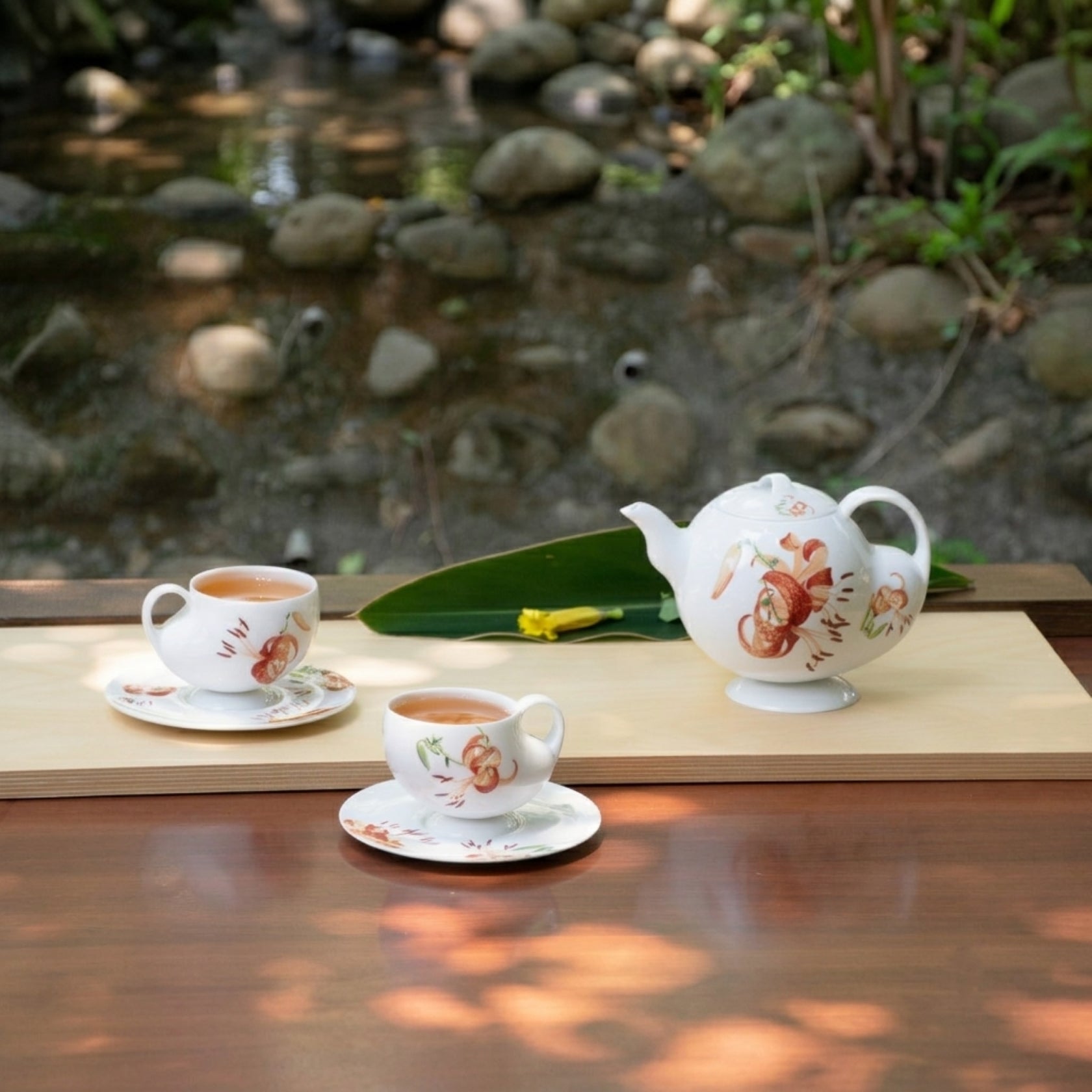
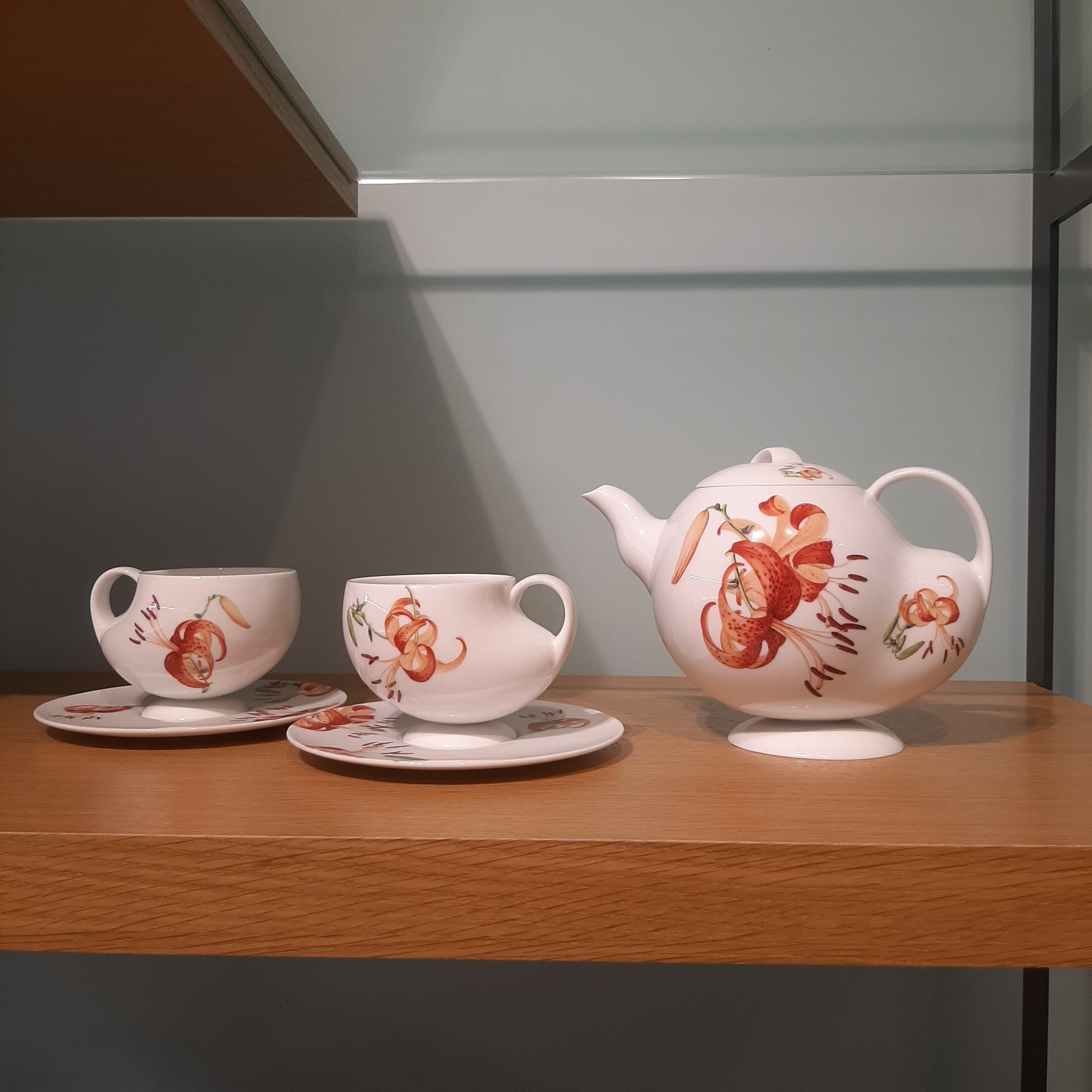
In Bloom is one of the defining works in the Palace Museum's Qīng Xiāng (清香) series. Heinrich Wang drew inspiration from the blooming lilies of Qing dynasty court painter Giuseppe Castiglione (郎世寧), reinterpreting imperial florals in the language of contemporary white porcelain. Rather than placing the floral motifs on a flat surface, In Bloom allows the flowers to grow naturally along the full, cloud-like curves of the vessel — enacting the joy and energy of life reaching upward into bloom.


Options
Regular price
$52,800.00 TWD
Regular price
Sale price
$52,800.00 TWD
Tax included. Shipping calculated at checkout.

Contemporary White Porcelain Craft · Fired at 1300°C

Designed by Taiwanese artist Heinrich Wang

Designed by contemporary white porcelain artist Heinrich Wang, each piece embodies Eastern philosophy and contemporary form.

Discover more

Transforming life philosophy into functional art, conveying a Zen-inspired modern aesthetic.

Transparent-glazed pure white porcelain | Hand crafted

Crafted with a transparent glaze technique, revealing the pure beauty of porcelain’s natural white after firing.

Learn more


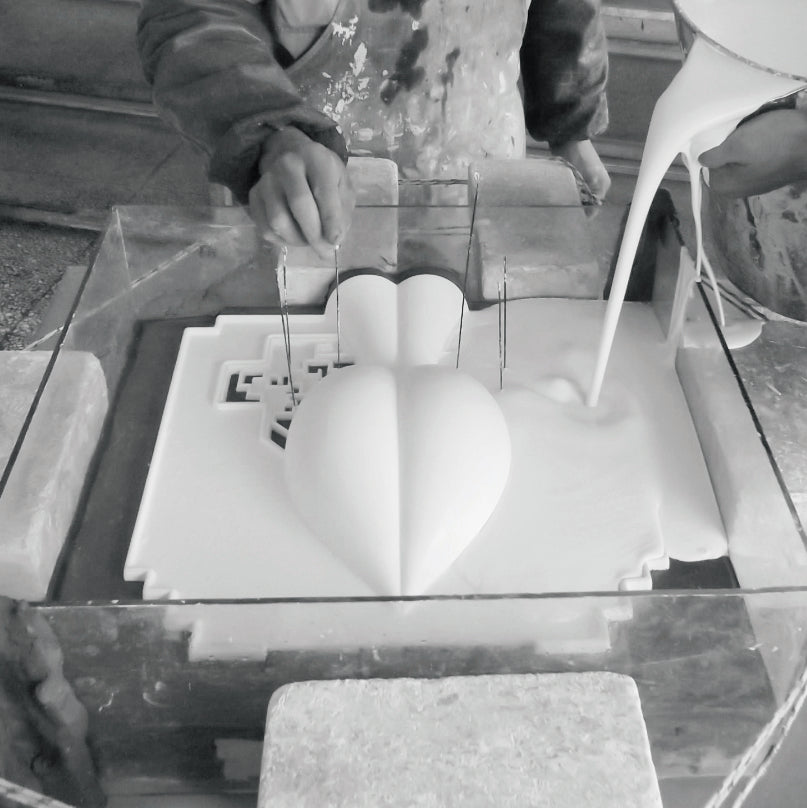
Only human hands can convey their warmth — every NewChi Porcelain piece is handmade, embracing the challenges of fine porcelain craftsmanship.

Learn more

Gift Box & All-Occasion Card

Perfect for important festivals, greetings to elders, corporate gifting, and art collections — conveying taste and blessings. If you would like a handwritten all-occasion card, please note your request in the remarks field at checkout.

Learn more


For custom wooden or acrylic bases, please contact customer service.

Learn more

  • Hurry, only 5 items left in stock!
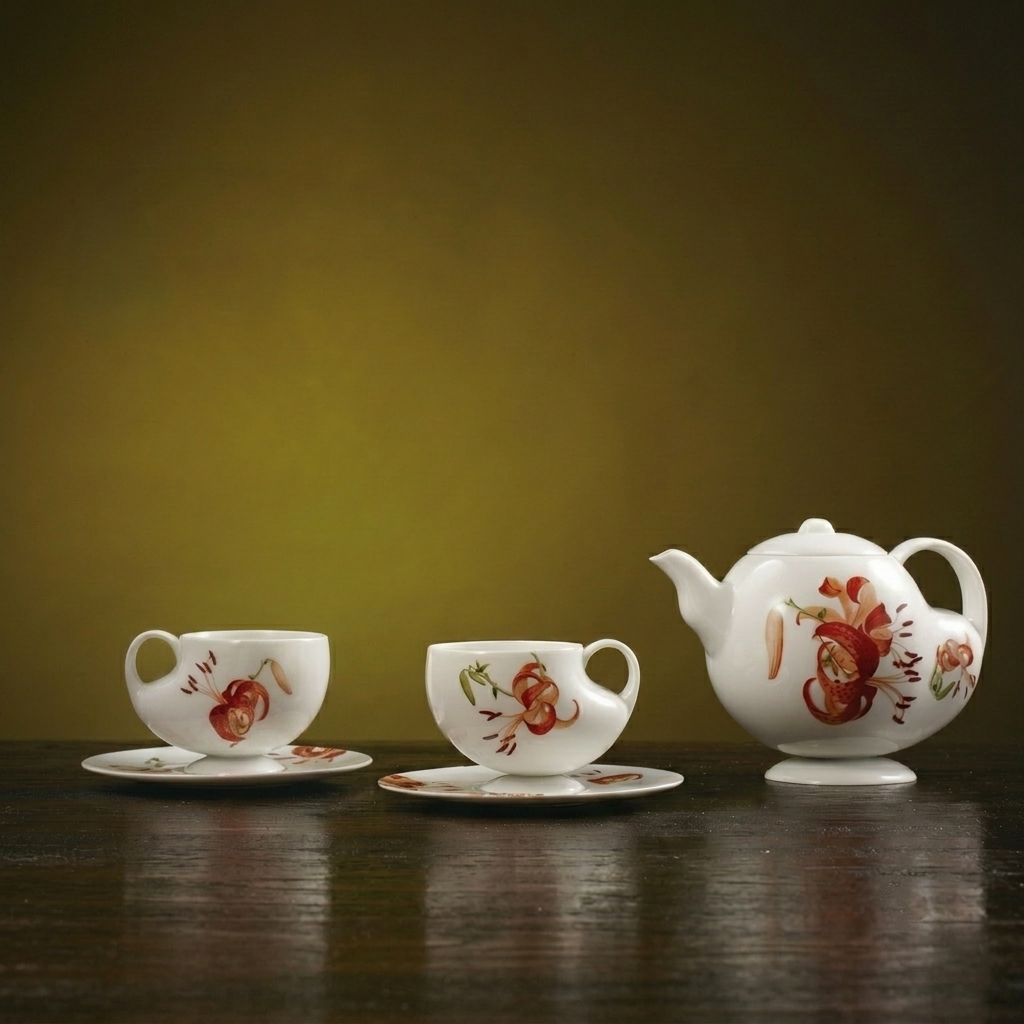
青春 In Bloom porcelain tea set for two, featuring blooming lily motifs and rounded contemporary porcelain forms
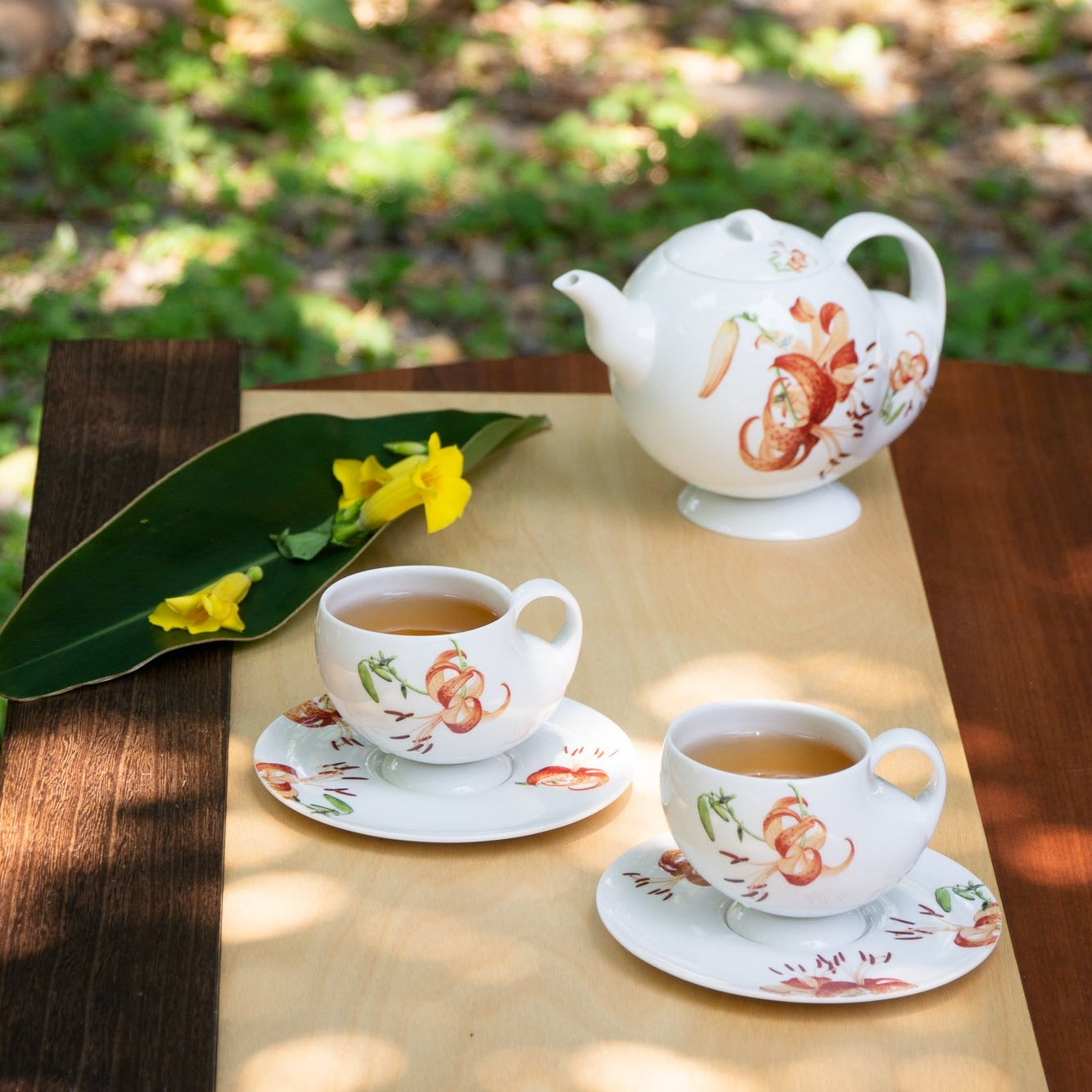
青春 In Bloom 百合白瓷茶具組,白瓷茶壺與茶杯於戶外自然光下展示,展現百合花盛放的生命力
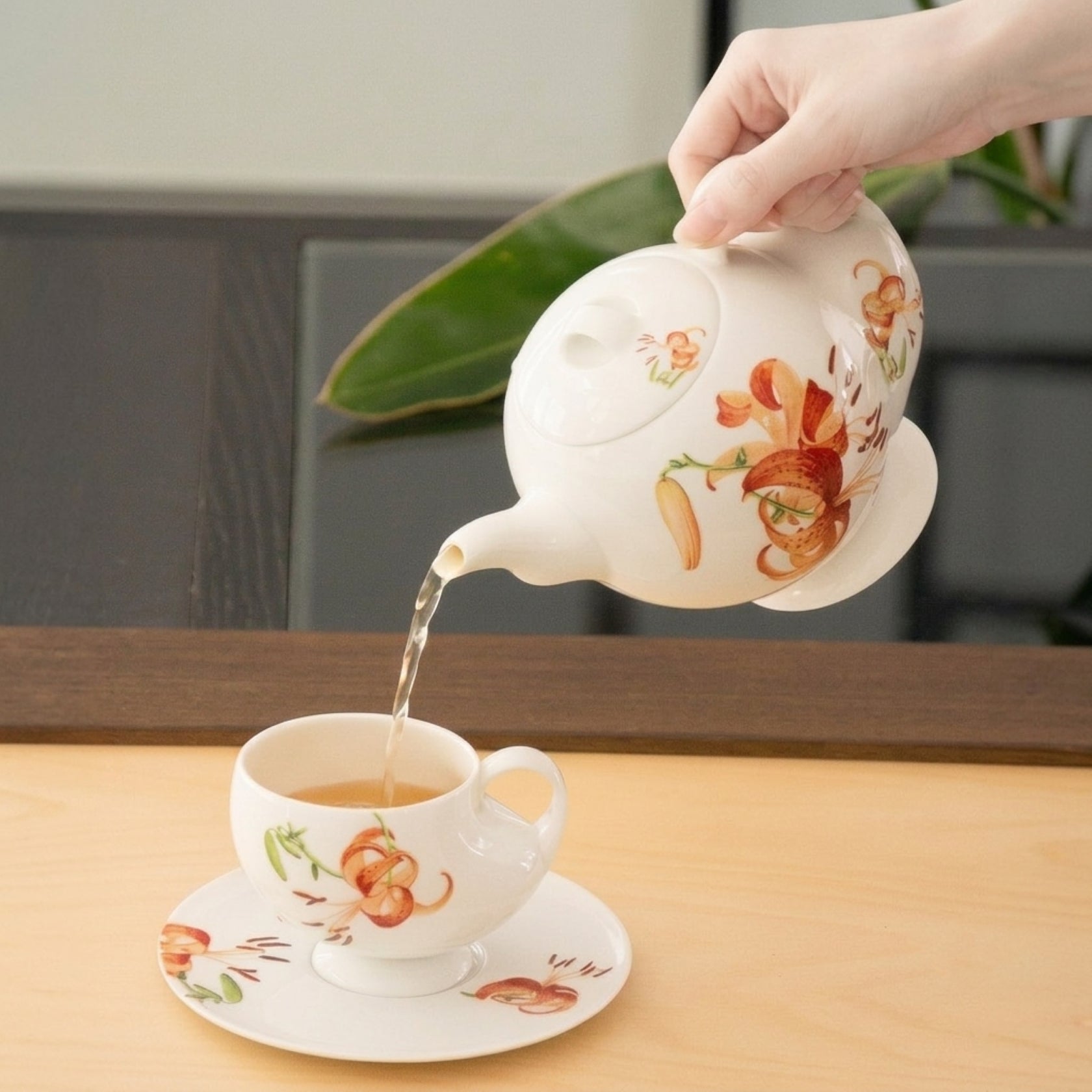
青春 In Bloom 百合白瓷茶壺倒茶畫面,展現故宮清香系列花卉設計
青春 In Bloom 百合白瓷茶壺側面,百合花圖騰隨器型綻放延伸
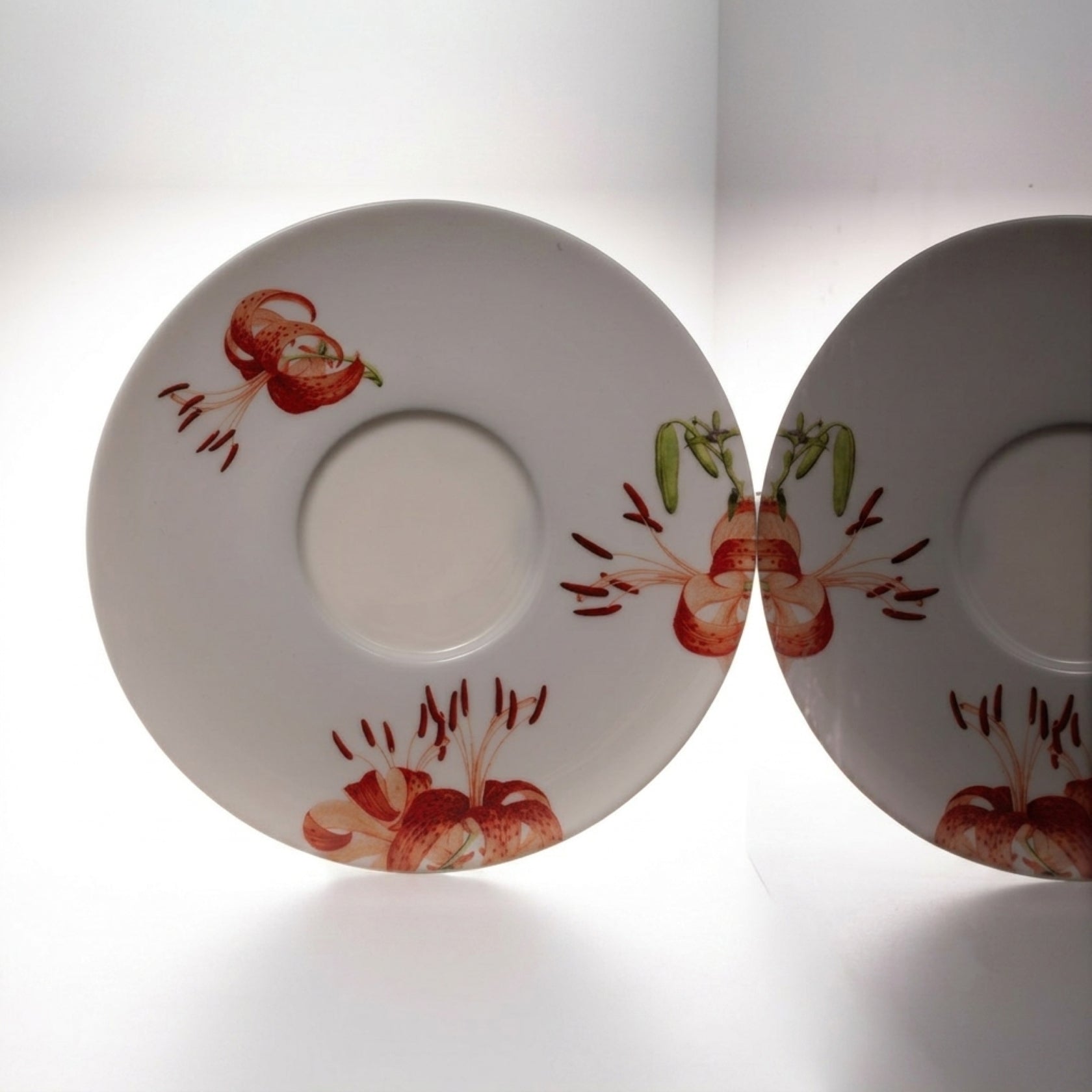
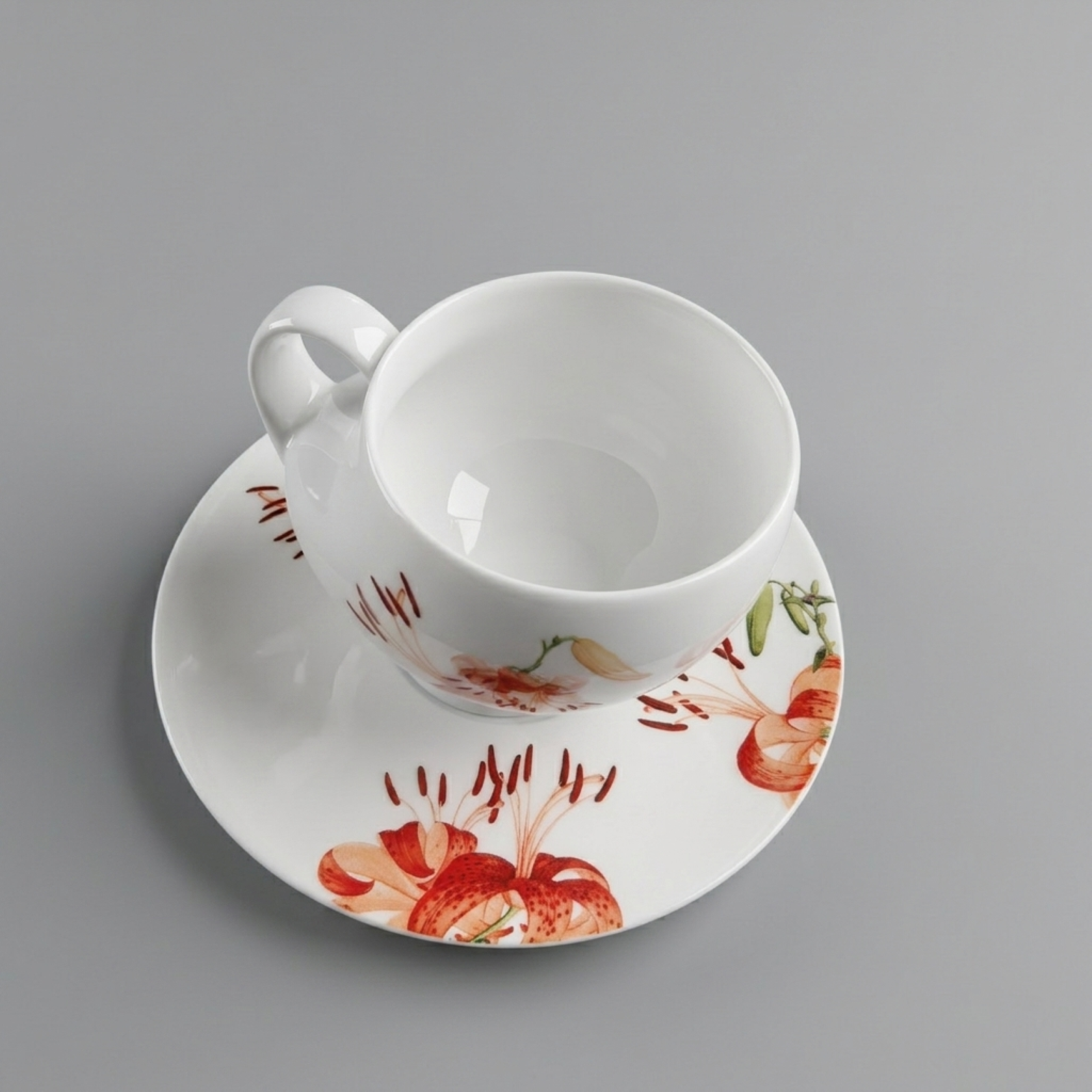
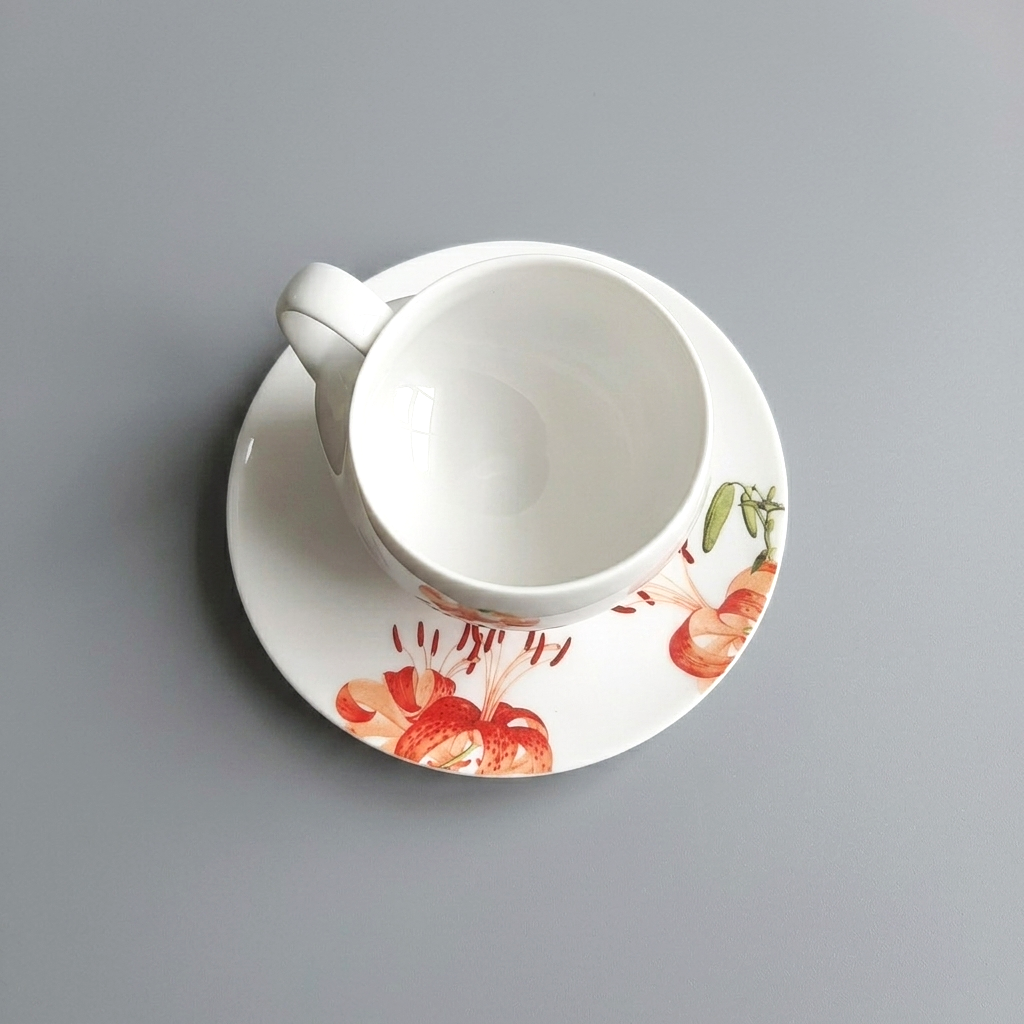
青春 In Bloom porcelain saucers featuring blooming lily artwork wrapped around the circular form, contemporary porcelain design by NewChi
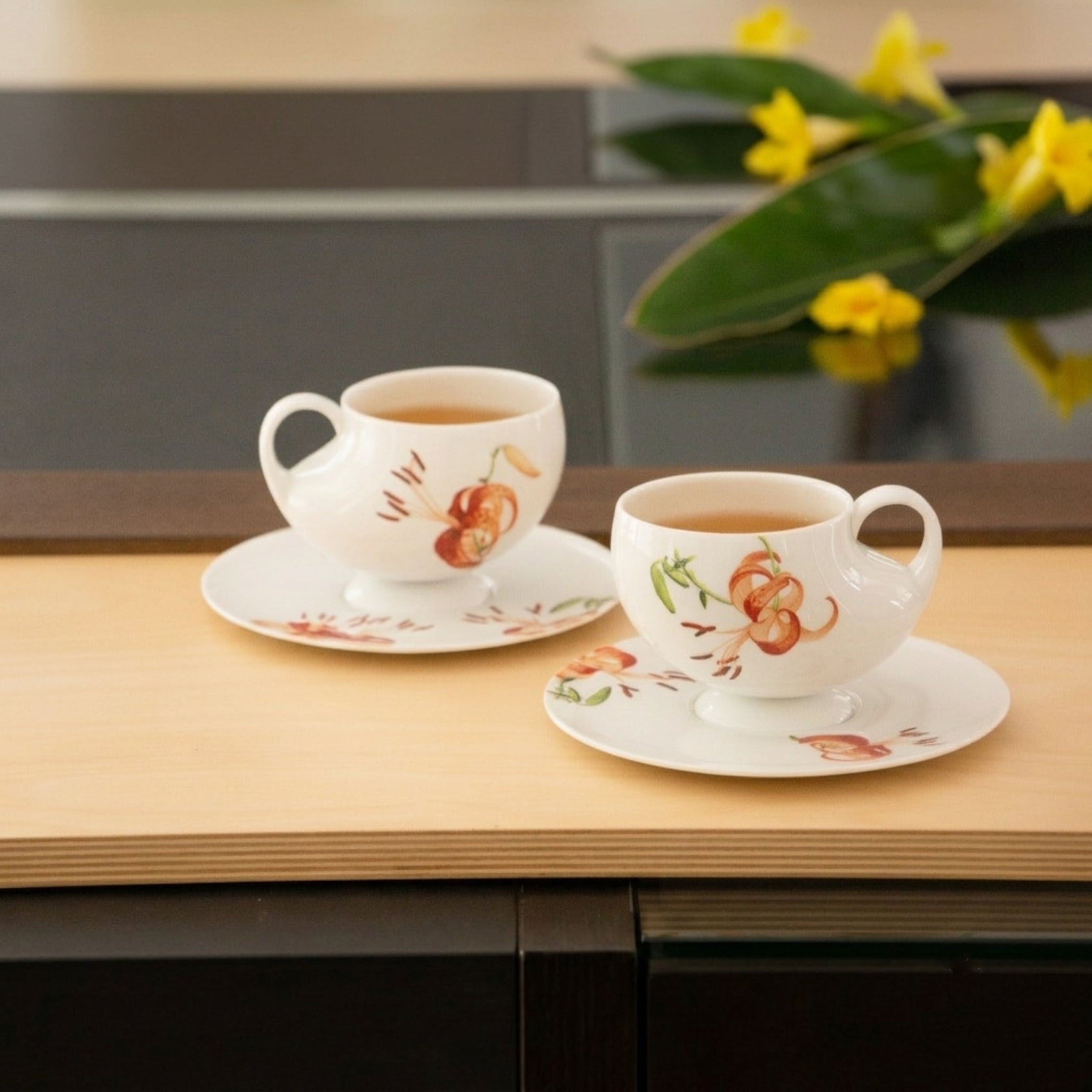
青春 In Bloom porcelain cup and saucer featuring blooming lily motifs that flow across the curved porcelain surface
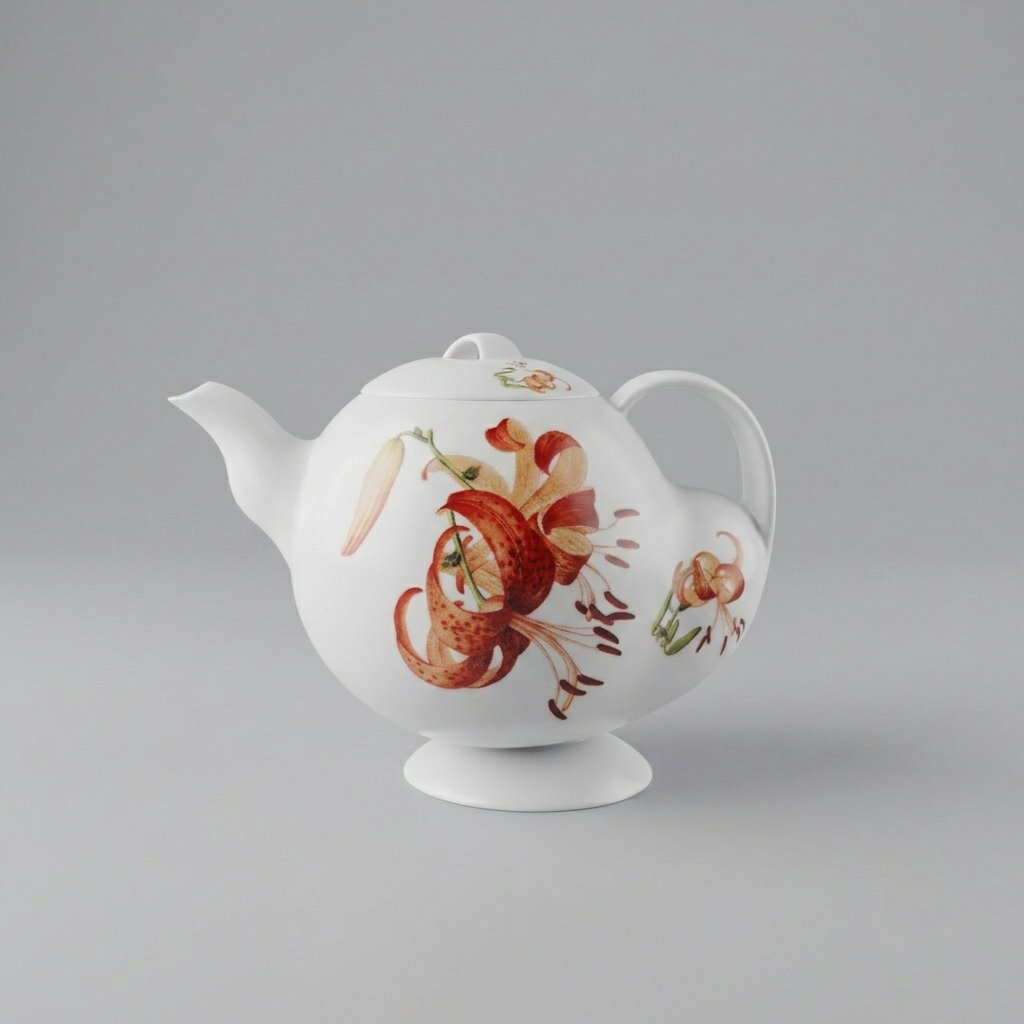
青春 In Bloom porcelain teapot side profile, blooming lily decoration wrapping around the rounded vessel form
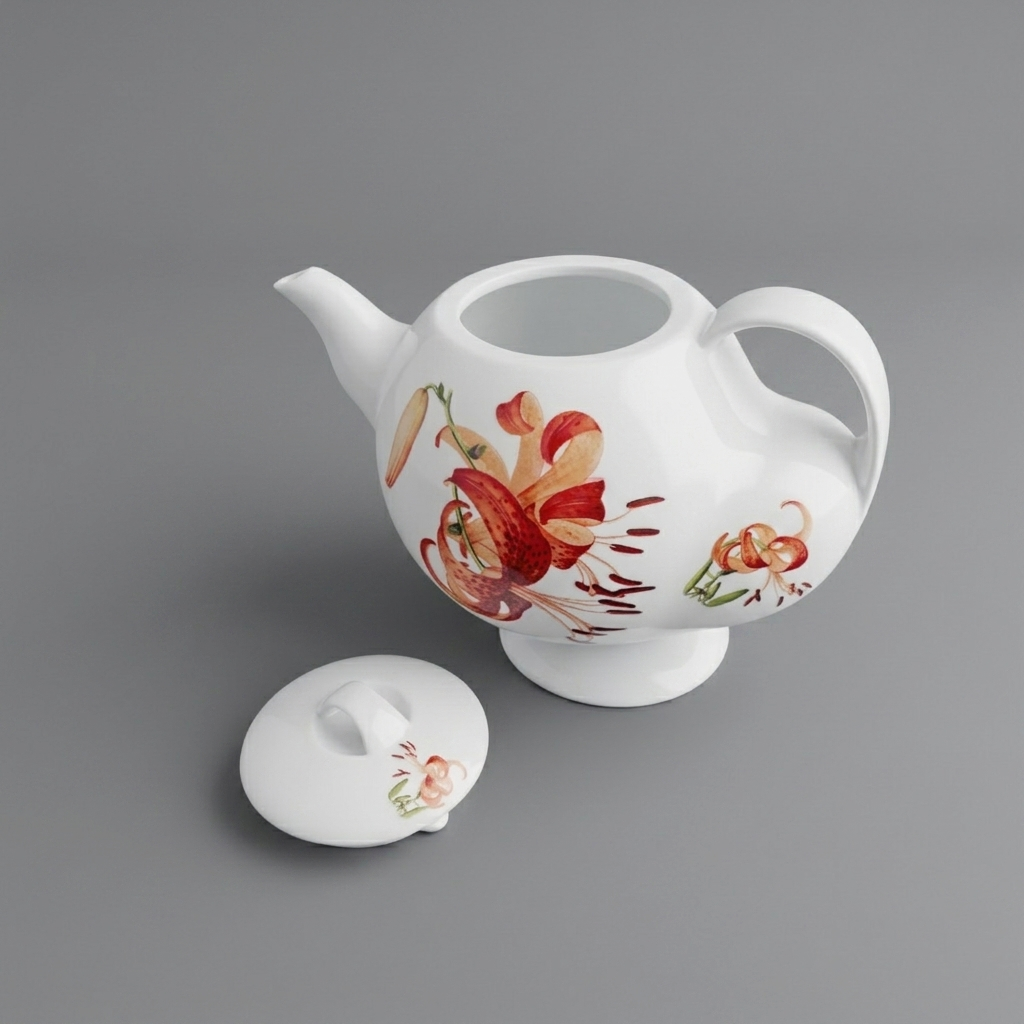
青春 In Bloom porcelain teapot with lid, detailed floral artwork inspired by Giuseppe Castiglione’s lily paintings
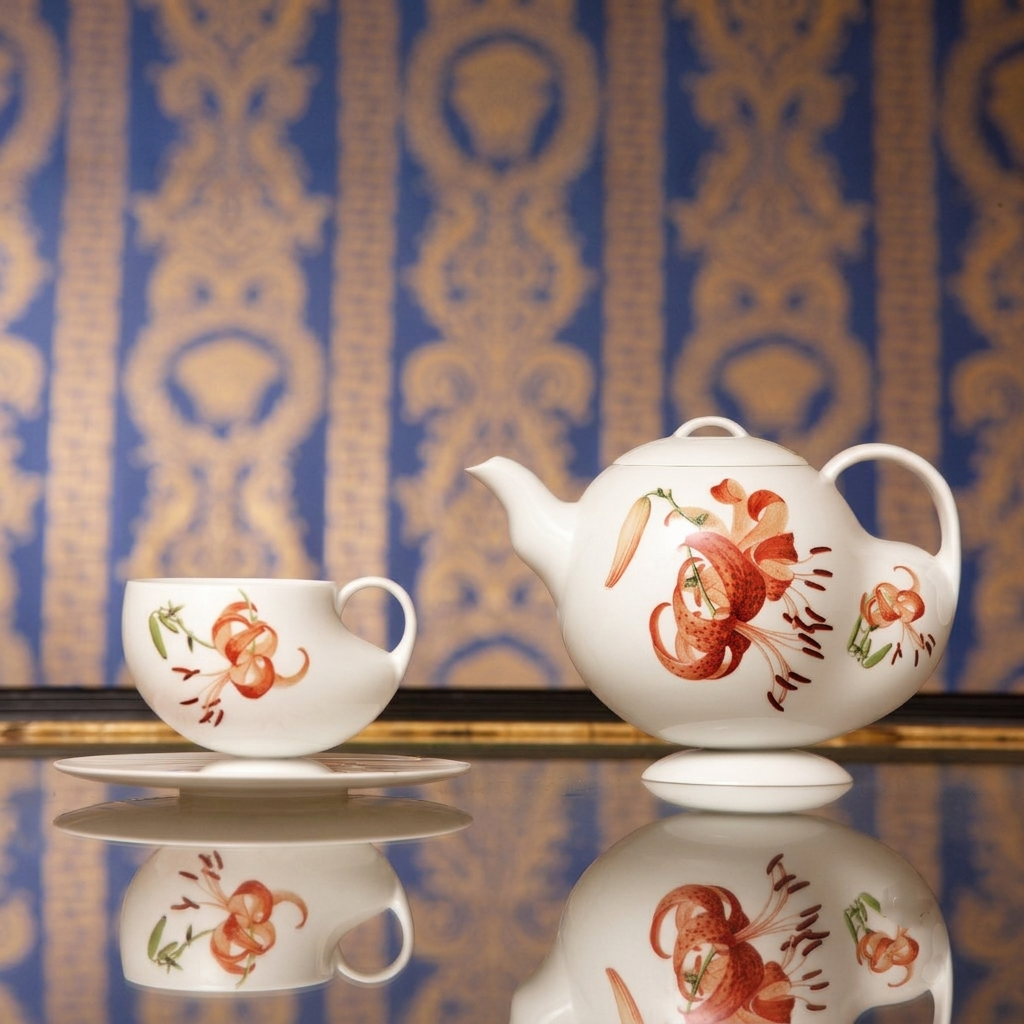
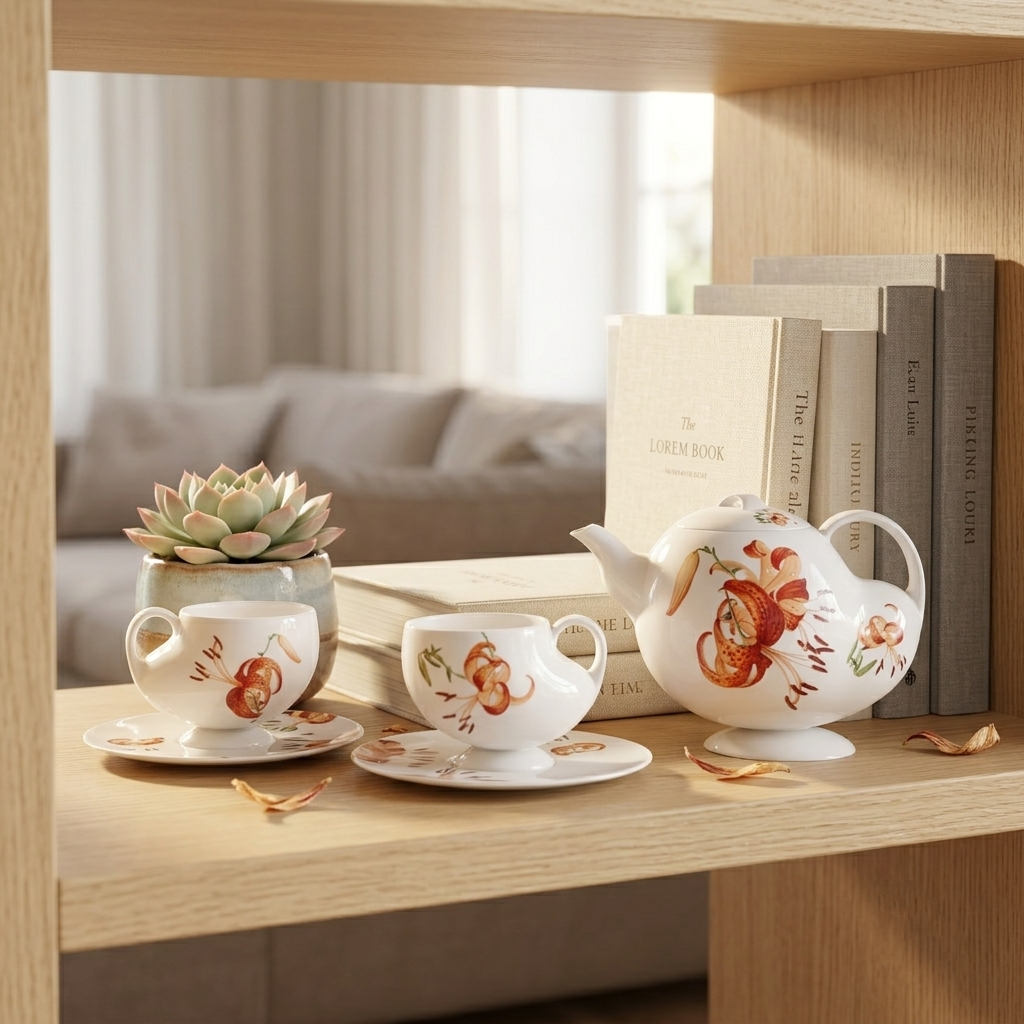
青春 In Bloom porcelain tea set photographed against a decorative interior backdrop, showcasing floral patterns inspired by Giuseppe Castiglione
青春 Top view of In Bloom porcelain cup and saucer, showing lily blossom composition integrated with the circular form
青春 In Bloom porcelain teapot with lid, detailed floral artwork inspired by Giuseppe Castiglione’s lily paintings
八方新氣 故宮聯名 青春 In Bloom porcelain teapot side profile, blooming lily decoration wrapping around the rounded vessel form
八方新氣 故宮聯名 青春 In Bloom porcelain saucers featuring blooming lily artwork wrapped around the circular form, contemporary porcelain design by NewChi
青春 In Bloom 百合白瓷茶具組,白瓷茶壺與茶杯於戶外自然光下展示,展現百合花盛放的生命力

Why In Bloom | Why This Set

Palace collection, reborn in white porcelain

The lily motifs from Castiglione's Lily and Peony Entwined have been deconstructed and recomposed by Heinrich Wang, finding new life on the refined, open forms of contemporary NewChi Porcelain.

The flowers wrap around the vessel — not on a flat surface

The lily motifs follow the rounded curves of the teapot and cup bodies, composed in three dimensions — turn the teapot and each angle reveals a different scene, immersive and layered, near and far at once.

The vessel form is the intention

The full, rounded teapot and cup bodies float like clouds — a direct correspondence with Heinrich Wang's words: "Drifting up to the clouds, the spirit of youth unfolds." The ardor of the motifs, the lightness of the form: the truest image of what it means to be in bloom.

Old fashion, new classic

NewChi Porcelain × National Palace Museum — Qing dynasty imperial motifs translated onto contemporary white porcelain, "transforming the grand elegance of the imperial court into a breath of fresh, refined fragrance for daily life."

188 pieces worldwide

The teapot is a global limited edition of 188 pieces, each with an individual edition number, available only as part of the complete teapot and two cup-saucer set. The cup-saucer pair is available separately without quantity limit.

Usage Scenarios

  • 青春 In Bloom 百合白瓷茶壺倒茶畫面,展現故宮清香系列花卉設計

    Brewing flower tea · a double immersion of sight and fragrance

    When brewing flower tea, the lilies on the vessel seem to unfurl alongside the leaves themselves. Floral fragrance, tea fragrance, and the beauty of the object converge — making the act of brewing tea a process of watching life bloom.

  • 青春 In Bloom 百合白瓷茶壺側面,百合花圖騰隨器型綻放延伸

    Sharing time with close friends

    Lilies of every size encircle the teapot and cups — like the warm, genuine moments of gathering with those who matter, natural and sincere.

  • 青春 In Bloom 百合白瓷茶具組,白瓷茶壺與茶杯於戶外自然光下展示,展現百合花盛放的生命力

    Collecting a radiant moment in life

    Whether graduation, promotion, a new home, or a new chapter: In Bloom carries the wish for what lies ahead, and the image of life at its most beautiful opening.

青春 In Bloom porcelain tea set photographed against a decorative interior backdrop, showcasing floral patterns inspired by Giuseppe Castiglione

Design Detail

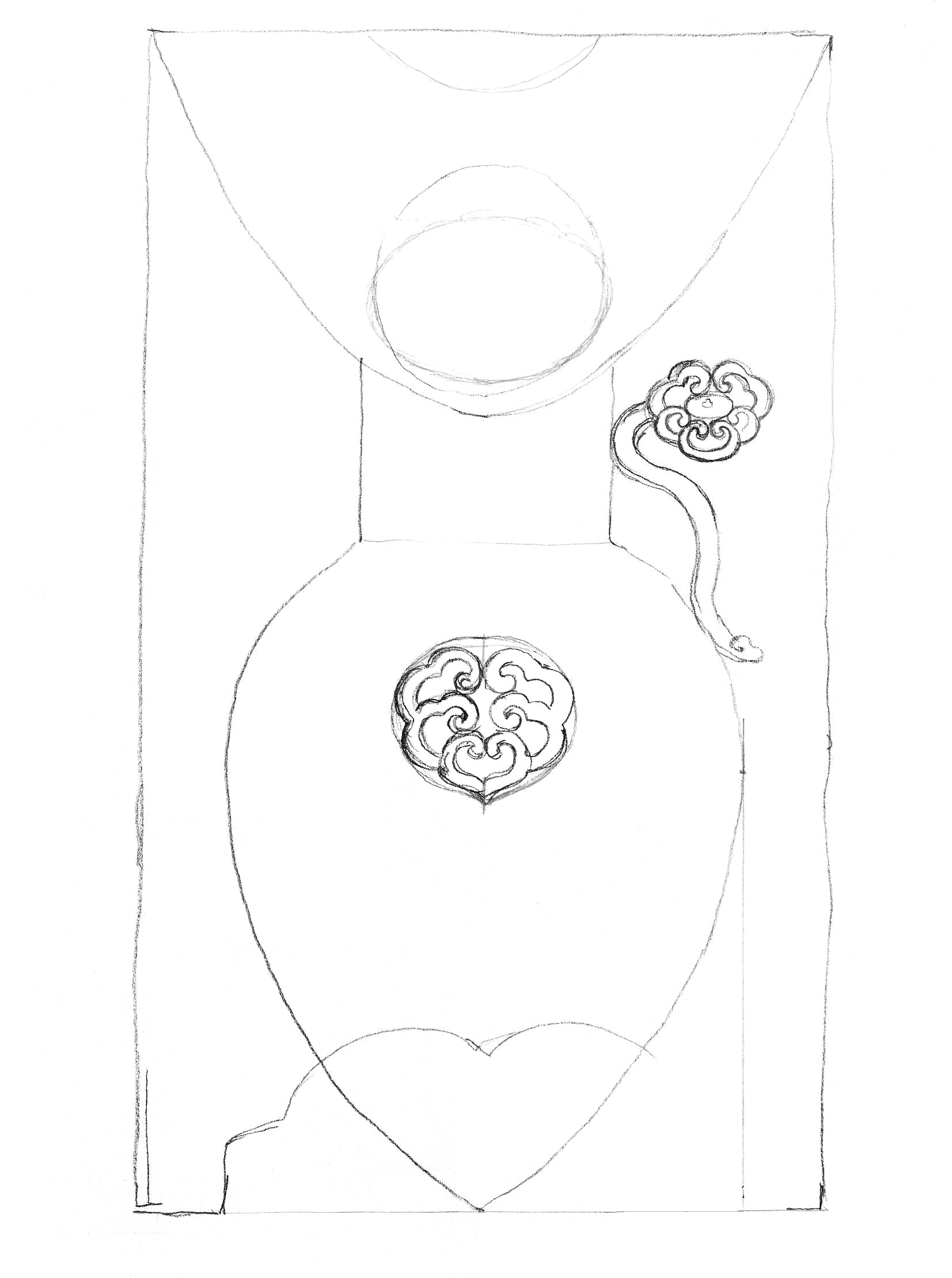
The flowers follow the rounded curves of the teapot and cup bodies — lilies of different sizes rising and falling along the arc of the form, recomposed in three-dimensional space. From the front, one scene; turn the teapot, and another reveals itself. Walk around it completely, and you discover the full stage Heinrich Wang has set for this "wild, radiant drama of youth." The vessel is no longer a surface that carries the motifs — it is the space in which they grow. The roundness of the teapot is the ground from which the flowers encircle; the lilies' fullness gives the teapot the rhythm of something alive.

Heinrich Wang writes: "Immersive and three-dimensional, pervading every elegant moment of our refined taste" — this is not only poetry. It is a precise description of how this piece is designed: the lilies are not on the teapot; they exist along its form.

The full, rounded profiles of the teapot and cup speak to two qualities simultaneously: the fullness of youth in its most abundant state, and the lightness of cloud-like forms that give the whole set a quality of suspension — in visual correspondence with "drifting up to the clouds" at the level of the vessel's own shape.

Product Detail

Design Concept

Heinrich Wang approached the richly elegant heritage of Qing dynasty artifacts by "simplifying the complex, distilling the vivid into the refined." Imperial vessel, painting, and embroidery motifs were translated onto contemporary white porcelain forms, "conveying the cultivated atmosphere rarely found in modern life, and the colorful, joyful spirit of living."

In Bloom draws from Castiglione's Lily and Peony Entwined and is the most unbridled and vitally alive of the eight works in the Qīng Xiāng series — "passionate, spontaneous, the intensity overflowing, immersive and three-dimensional, pervading every elegant moment of our refined taste."

Heinrich Wang deconstructed the original's complex composition, staying true to NewChi's characteristic "grand simplicity." Focusing on the lily in full, uninhibited bloom, he released "the unbridled beauty of youth — bold, free, overflowing with a radiant, innocent vitality. Lively, vibrant, as though a thoroughly wild and youthful drama were unfolding."

When brewing flower tea, "one need only quietly observe the florals on the teaware, and the mind naturally conjures the image of petals slowly turning and freely unfurling in the water." Lilies of every size fill the full, organic body of the teapot — near and far, awaiting this fresh, wild, unbridled drama. "Passionate, spontaneous — intensity overflowing, immersive and three-dimensional."

Giuseppe Castiglione (郎世寧, 1688–1766) was an Italian Jesuit missionary and court painter to the Qing emperors Kangxi, Yongzheng, and Qianlong. He fused Western realist technique with Eastern aesthetics, and is among the most significant artists in the Palace Museum's collection.

Lily and Peony Entwined renders the lily in meticulous realist detail — the texture of petals, the layering of light and shadow, the entwining of stems and leaves, each element captured to the finest degree. Heinrich Wang chose this work precisely for the quality of life force it embodies: "focusing on the lily in completely uninhibited bloom, releasing the unbridled beauty of youth — bold, free, overflowing with a radiant, innocent vitality."
Occasions or Usage

Personal use: Collectors who appreciate Palace Museum heritage, the aesthetics of tea culture, and the depth of art history within an object

Gifting: Collectors with a deep appreciation for Taiwan's creative culture, Palace Museum porcelain, or Castiglione's work; occasions that deserve a gift of the highest significance

Collecting: 188 pieces worldwide — the historical significance of NewChi Porcelain's collaboration with the National Palace Museum gives In Bloom an irreplaceable position in any collection

Ideal For

  • Admirers of floral beauty and nature-inspired aesthetics
  • Tea lovers who value rituals and mindful living
  • Those who appreciate the fusion of Palace Museum heritage and contemporary design
  • Gift seekers celebrating graduations, career milestones, or new homes

Dimension

Teapot: L19.5 × W12.3 × H14.6 cm
Cup: L9.8 × W8 × H7.3 cm
Saucer: L15.3 × W15.3 × H1.5 cm

  • In Bloom

    Drifting up to the clouds — the spirit of youth unfolds.

    A radiant face that cannot be contained.

    Following the sublime beauty of Castiglione —

    breathing the joy of the lily.

    Savoring the ardor of the bloom.

    — Heinrich Wang

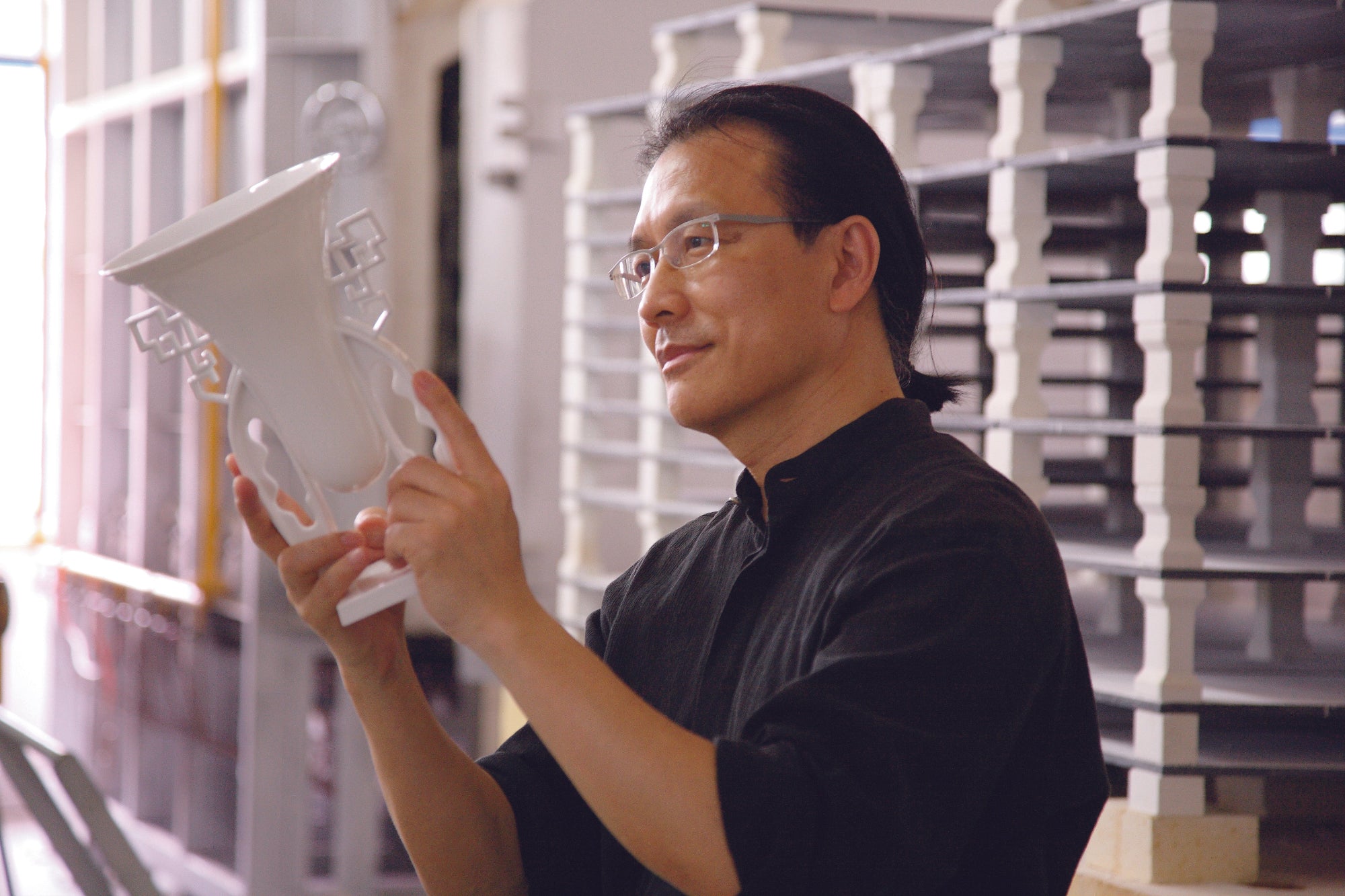
八方新氣與琉園創辦人王俠軍

About the Artist | Heinrich Wang

Heinrich Wang, founder of NewChi Porcelain and Tittot, is one of Taiwan’s most representative contemporary artists in white porcelain and liuli glass. Renowned for infusing philosophy and poetry into object design, his works have been exhibited at the National Museum of History in Taiwan, the Taiwan Craft Research and Development Institute, and the Triennale di Milano, earning recognition from collectors worldwide. Every porcelain piece is personally overseen by Wang, offering an aesthetic choice that unites artistry, cultural depth, and practical function.

FAQs

Where do the motifs of In Bloom come from? Who was Giuseppe Castiglione?

The motifs in In Bloom draw from Lily and Peony Entwined by Qing dynasty court painter Giuseppe Castiglione (郎世寧, 1688–1766). An Italian Jesuit missionary, Castiglione served as court artist across the reigns of three Qing emperors, renowned for fusing Western realist technique with Eastern aesthetics. He is among the most significant artists in the Palace Museum's collection. Heinrich Wang extracted the uninhibited, fully blooming lily motifs from this work, deconstructing the original's complex composition to let imperial art breathe again within a refined contemporary vessel form.

Why do the lily motifs wrap around the vessel rather than sit on a flat surface?

This is the defining design decision of In Bloom. Heinrich Wang arranged the lily motifs to follow the rounded curves of the teapot and cup bodies, composing them in three-dimensional space rather than on a flat surface — turn the teapot and different lilies come into bloom at every angle, a new scene on every face. This means the vessel is no longer merely a surface that carries the motifs; it becomes the space in which they exist and grow, realizing what Wang describes as "immersive and three-dimensional, pervading every elegant moment of our refined taste."

What do the lilies in In Bloom symbolize?

The lily carries associations of purity, beauty, and blessing. In In Bloom, the lily specifically embodies life in its most ardent and radiant state of opening — bold, free, "overflowing with a radiant, innocent vitality."

Is In Bloom for daily use or for collecting?

Both — and Heinrich Wang has always believed that objects are meant to be used. When brewing flower tea, "one need only quietly observe the florals on the teaware, and the mind naturally conjures the image of petals slowly turning and freely unfurling in the water." The lilies wrapping the vessel correspond to the fragrance of the tea — sight and scent working as one. For collecting: the 188-piece worldwide limit, each with an edition number, and the historical significance of the Palace Museum collaboration, give In Bloom an irreplaceable collectible position. The teapot is limited to 188 pieces, with edition number, and is only available as part of the complete set — for collectors, the complete set is the definitive choice; for daily use, the cup-and-saucer pair carries the full aesthetic of Castiglione's lilies in equal measure.
What occasions is In Bloom suited for as a gift?

In Bloom is suited to graduation, career promotion, a new home, a new venture, and any threshold moment in life — carrying the wish for what lies ahead, and the image of life at its most radiant opening.

Creativity

Keeping pace with modern style, crafting moving stories of our era through contemporary aesthetics and emotion.

Craftsmanship

Exquisite mastery shapes each piece into a refined creation that carries both tradition and innovation.

Poetry

With symbolic blessings and a sense of solemn ceremony, exploring an aesthetic dialogue that unites body and soul.