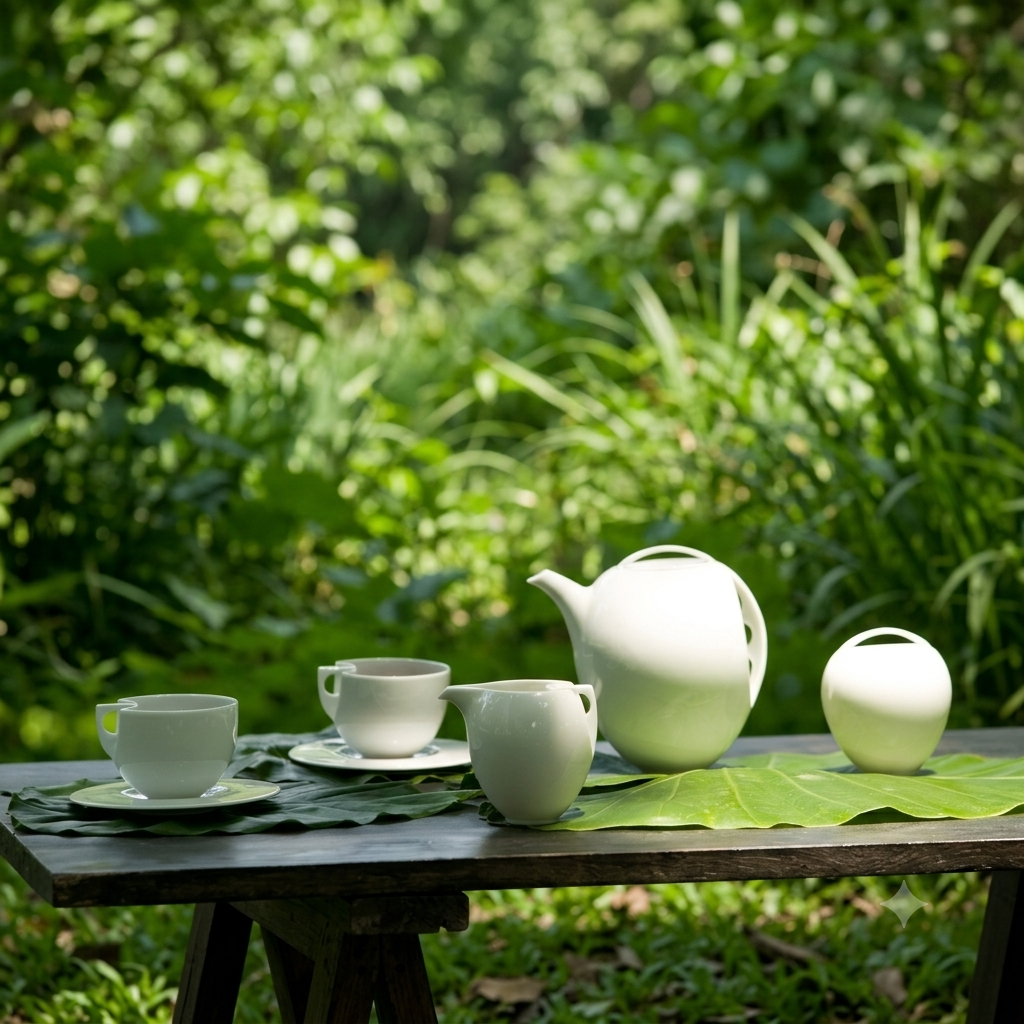
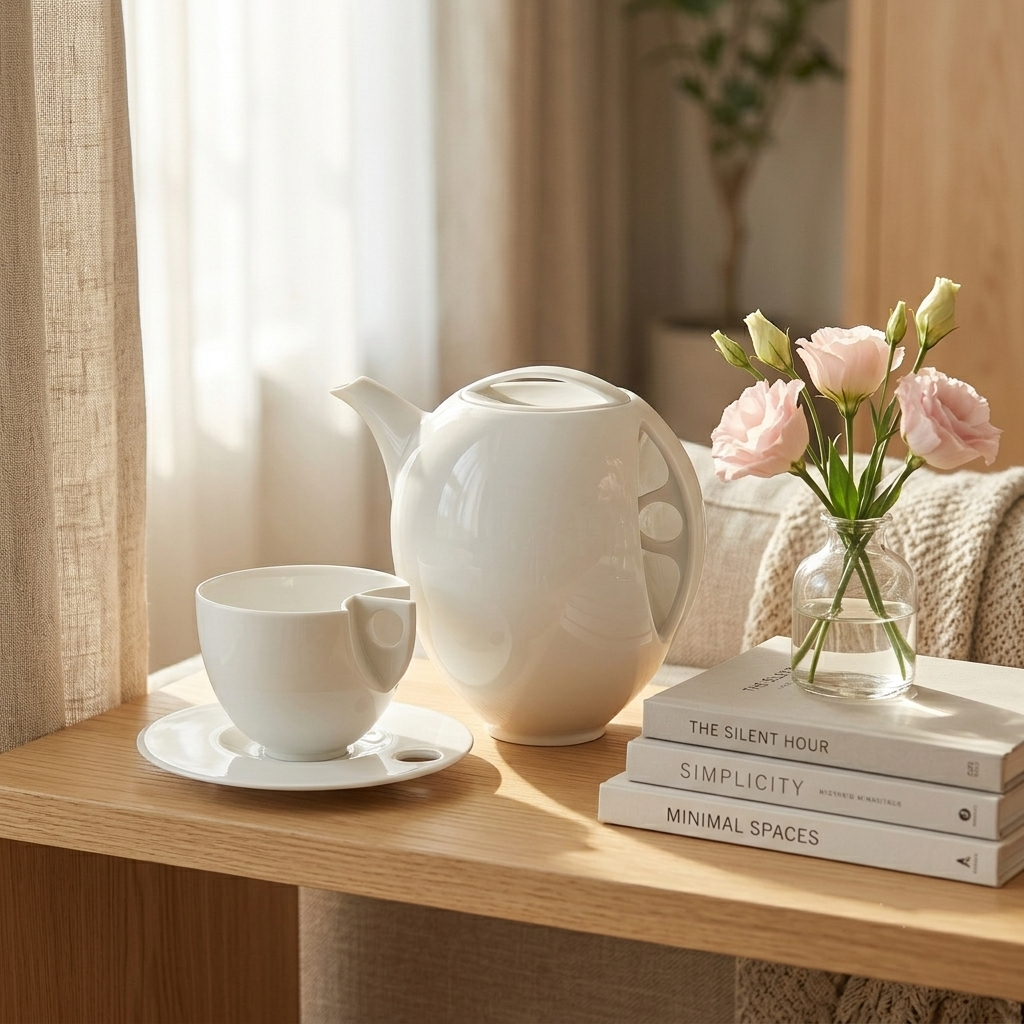
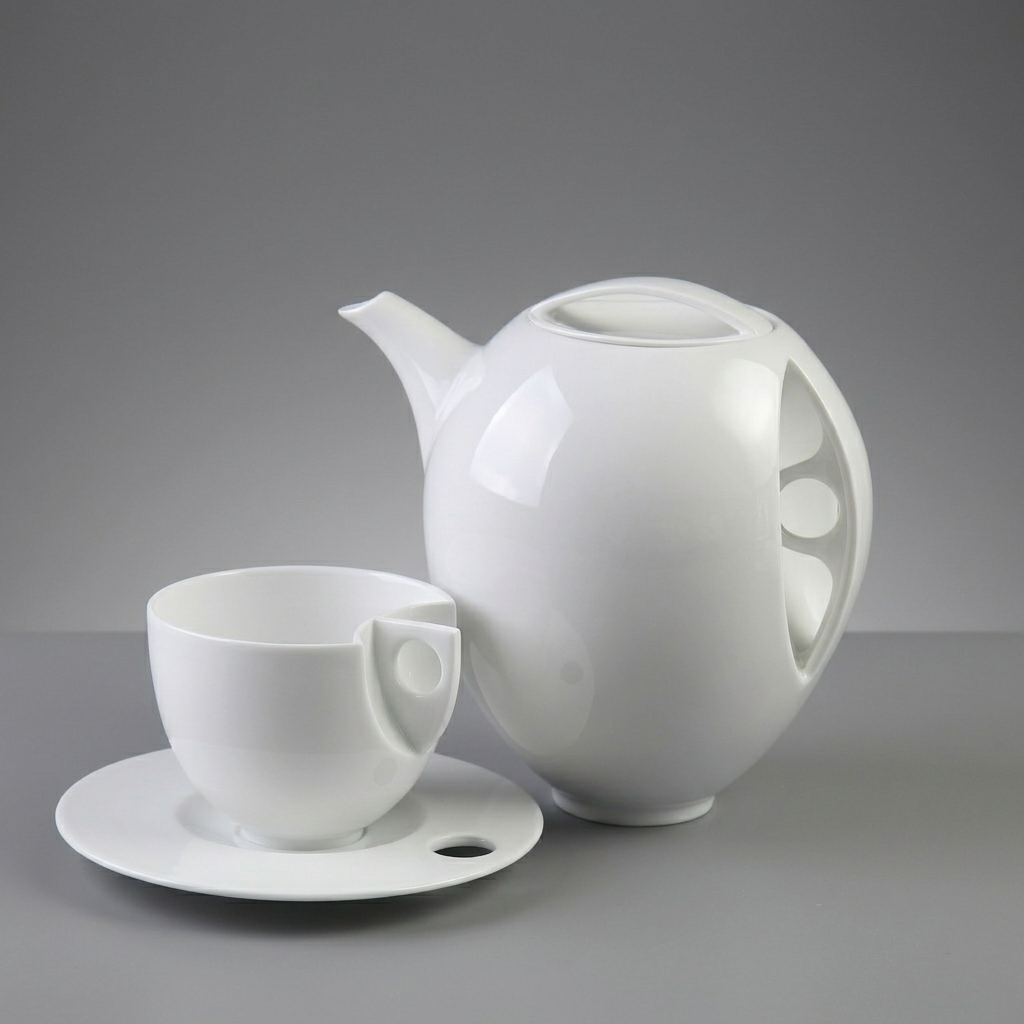
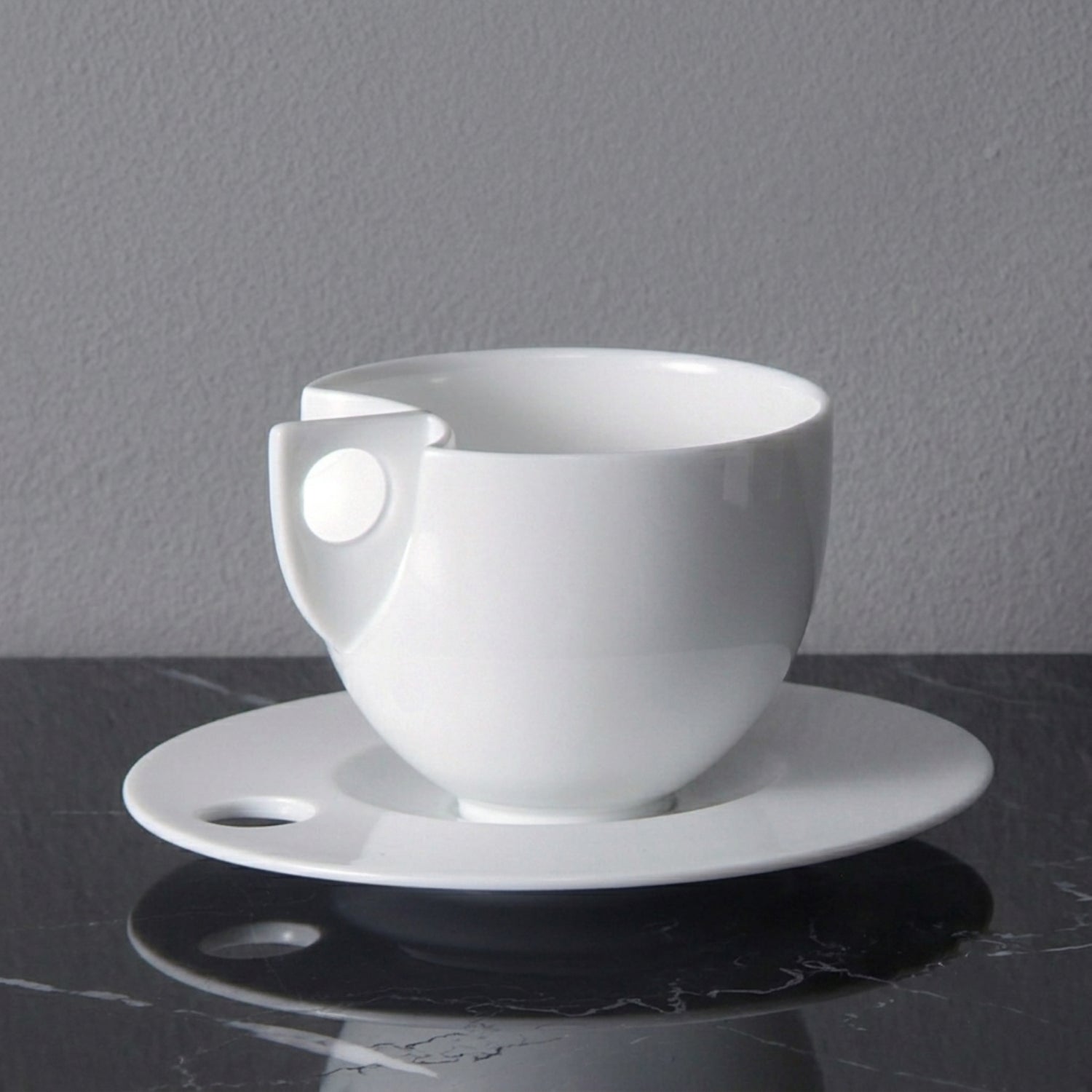
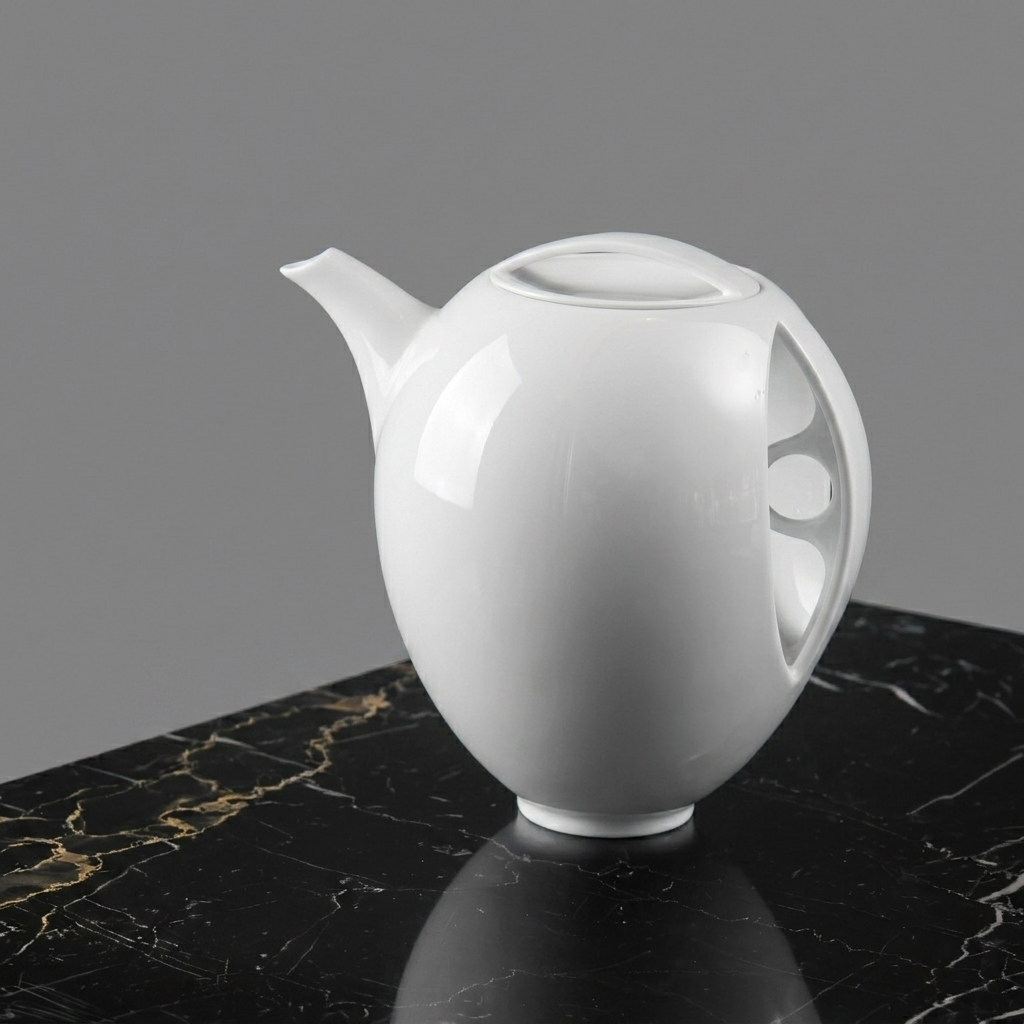
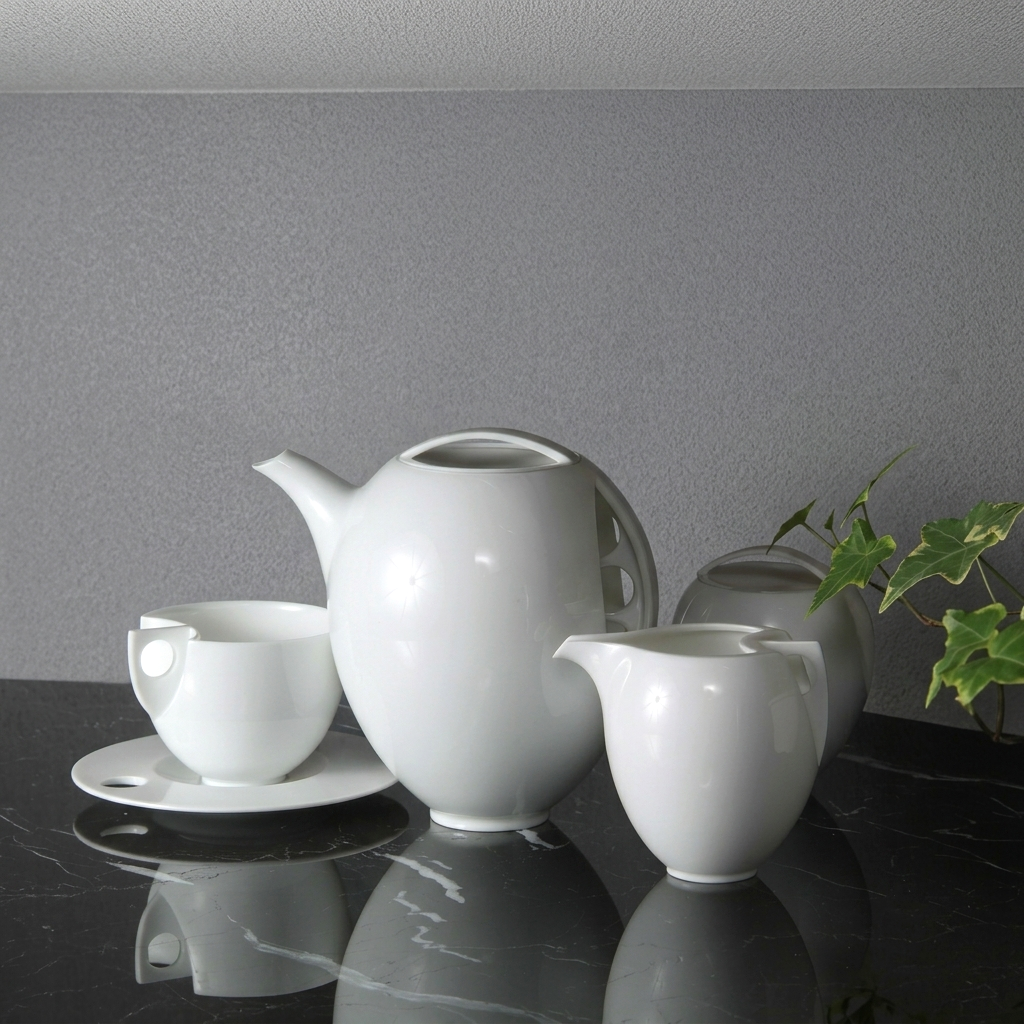
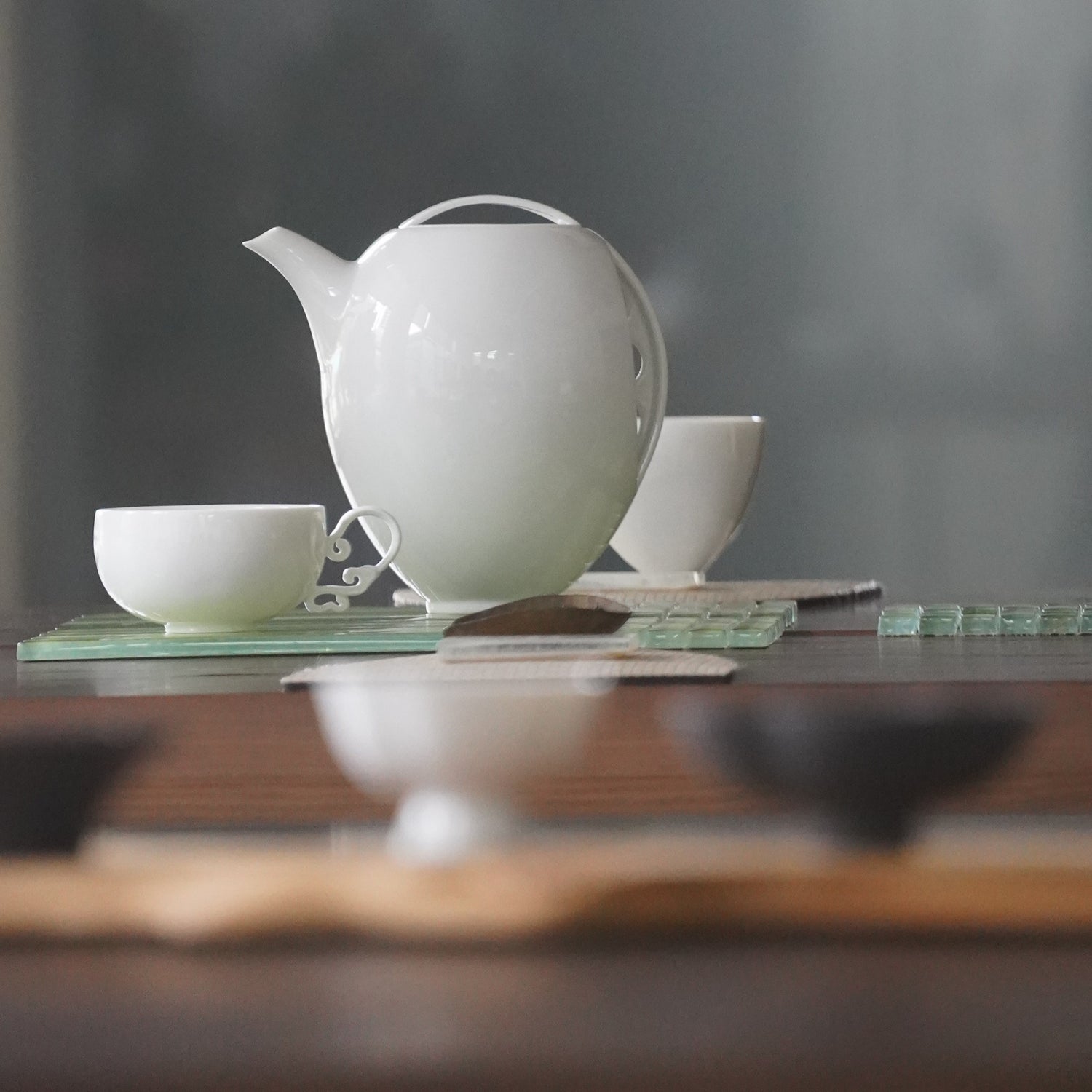
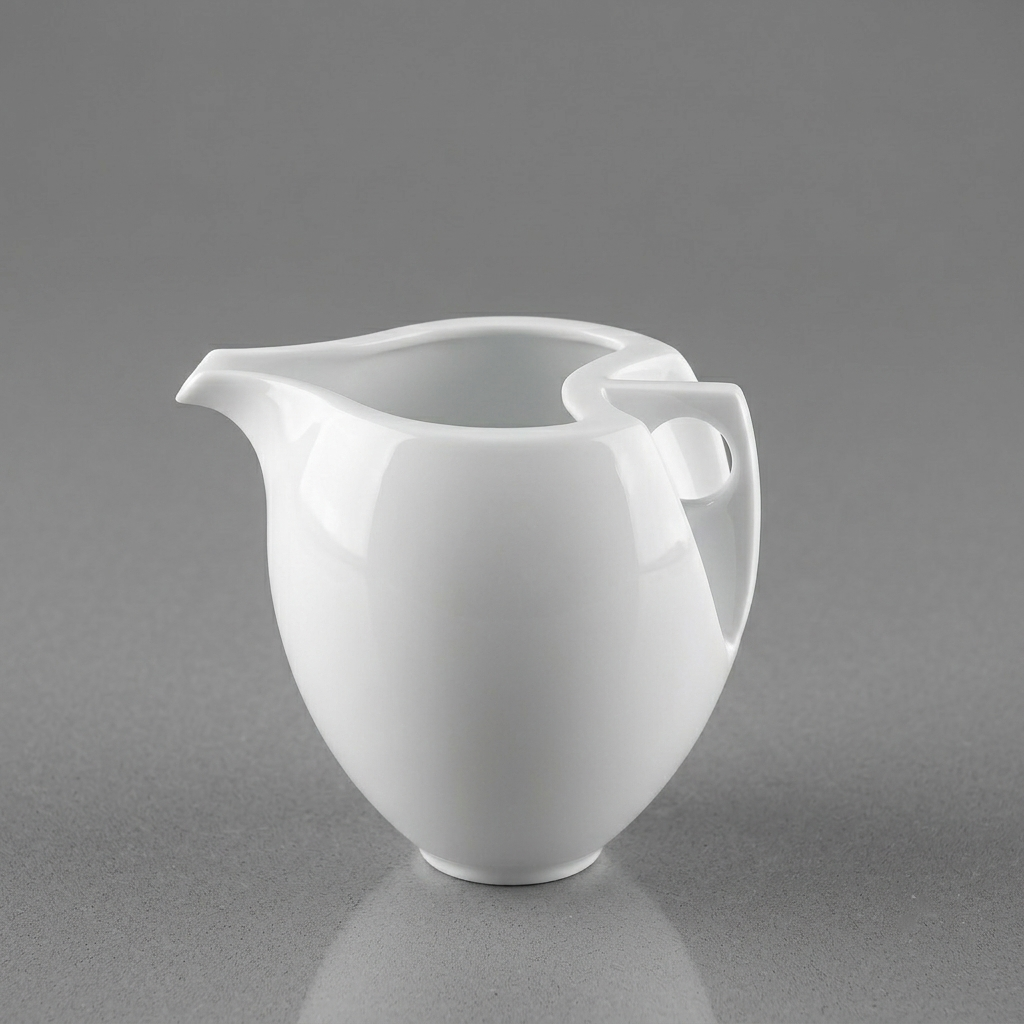
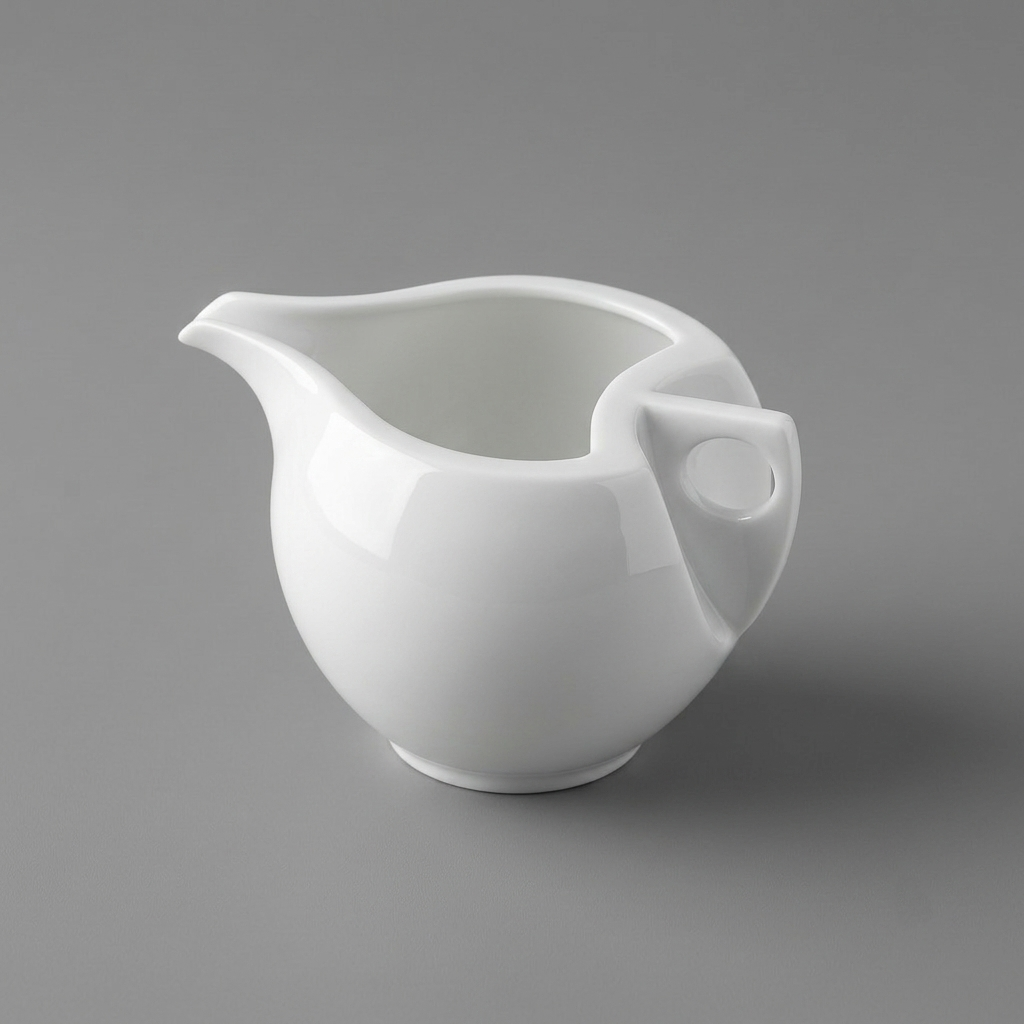
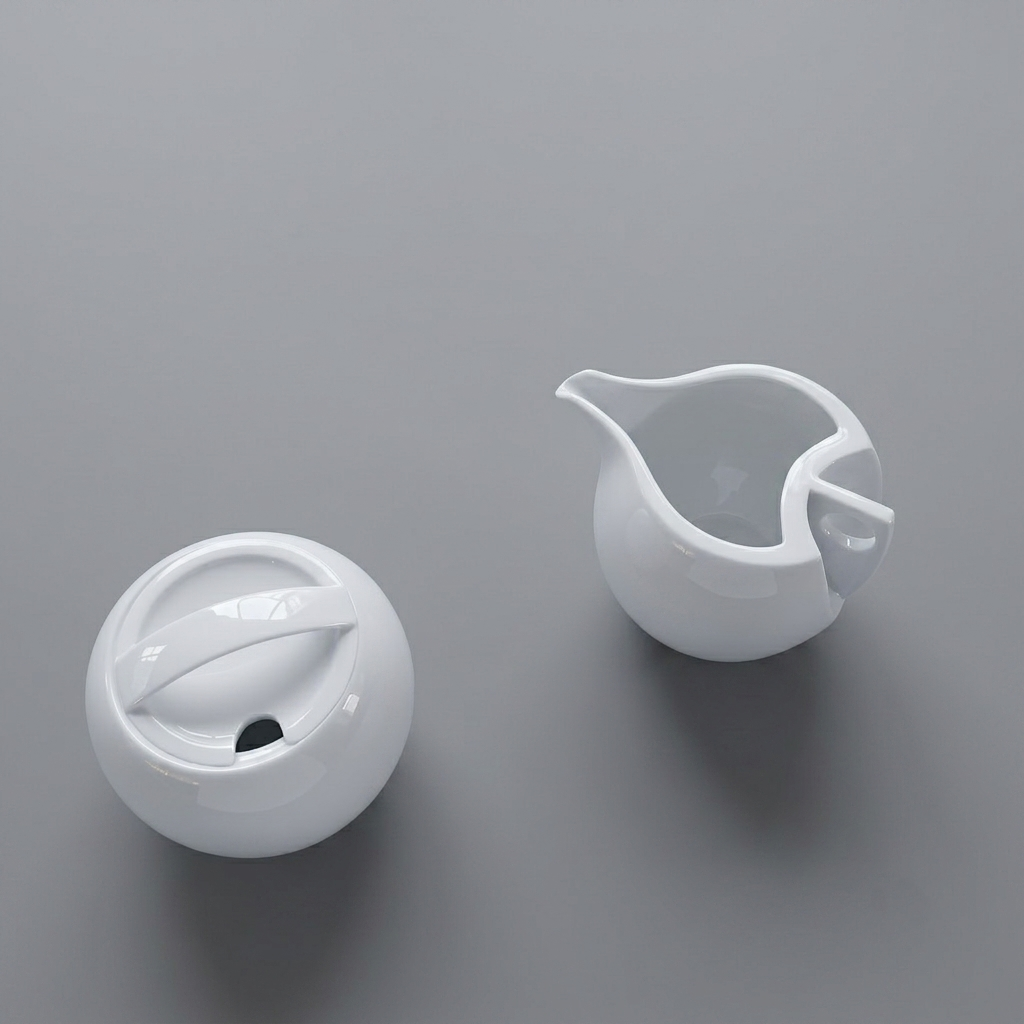
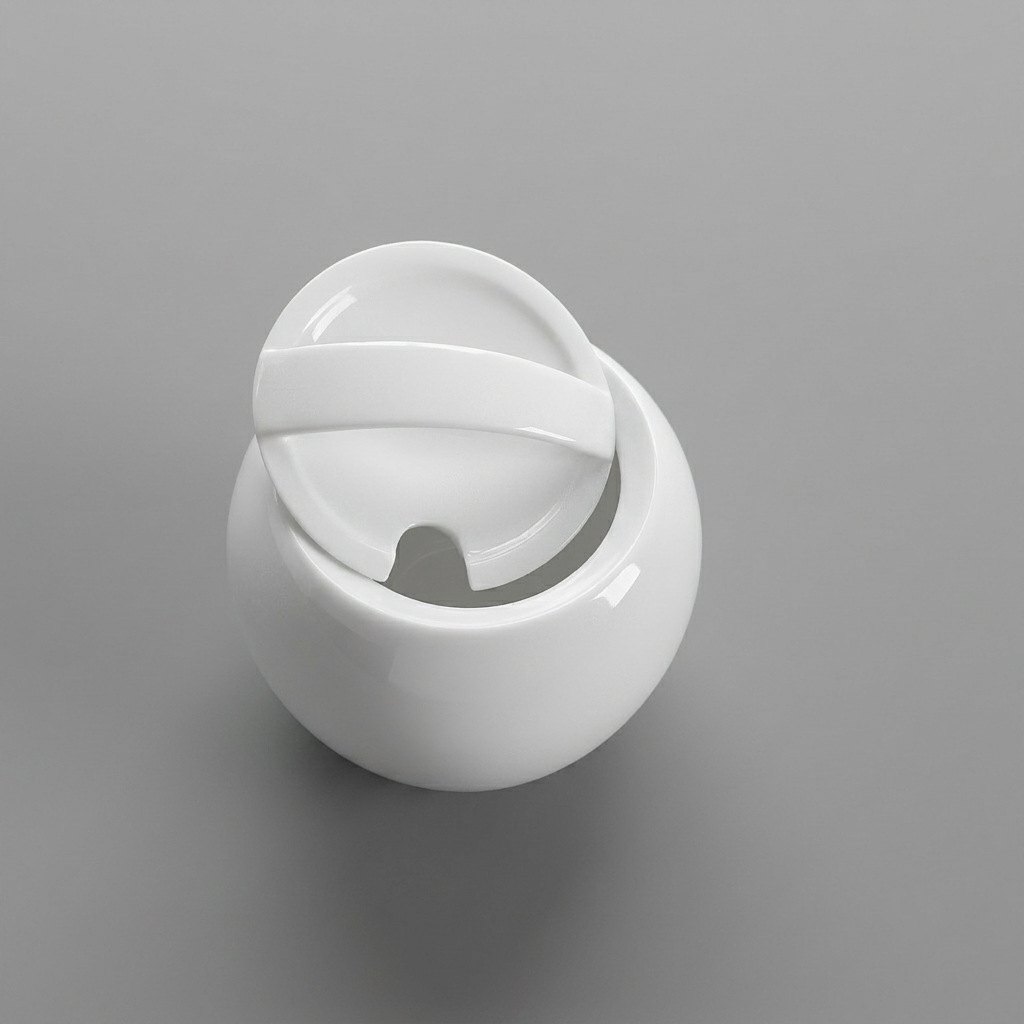
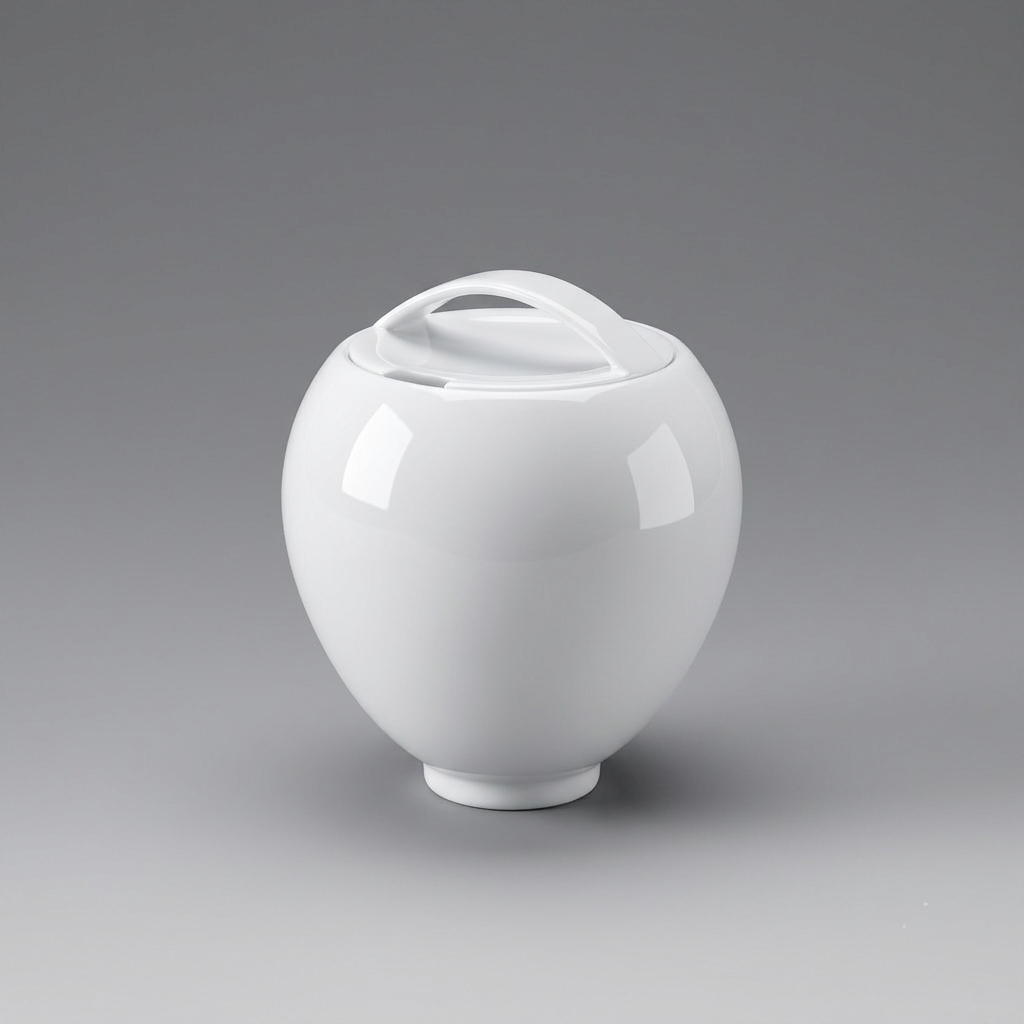
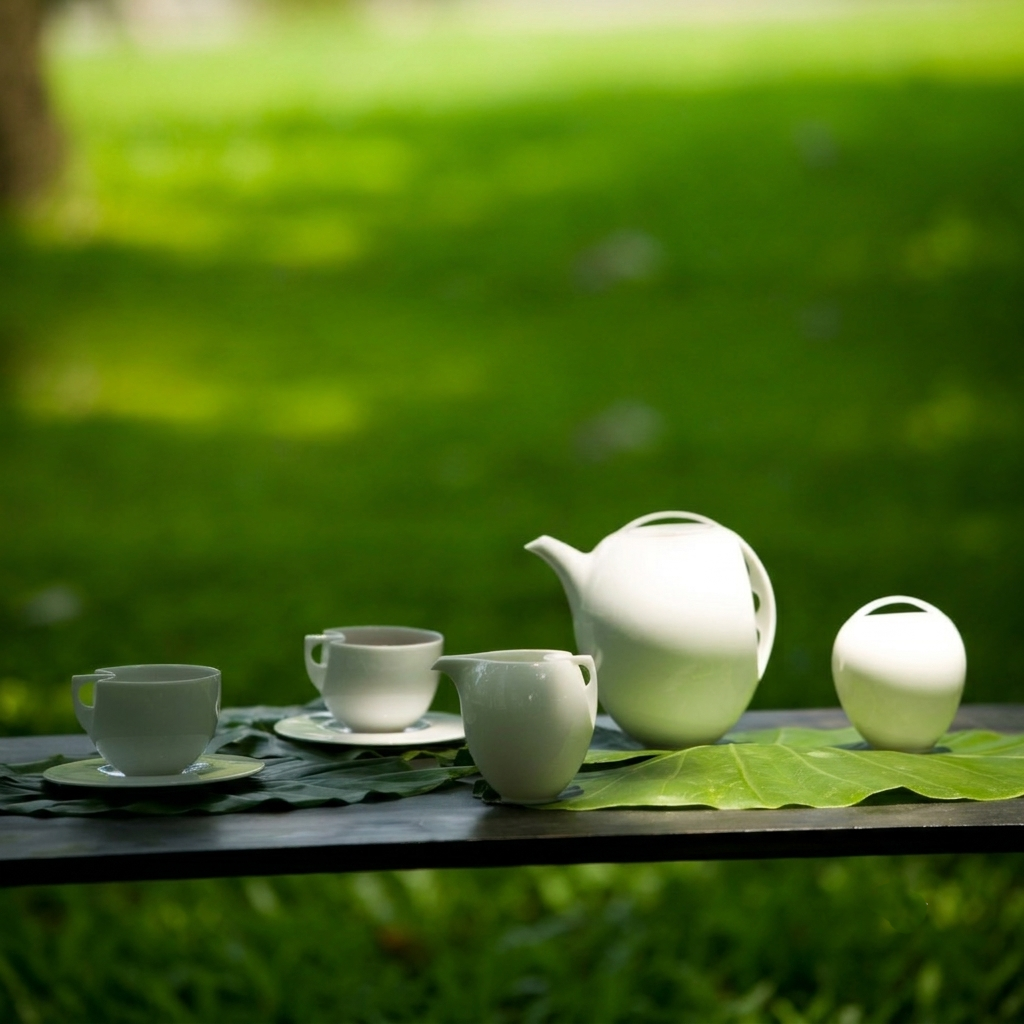
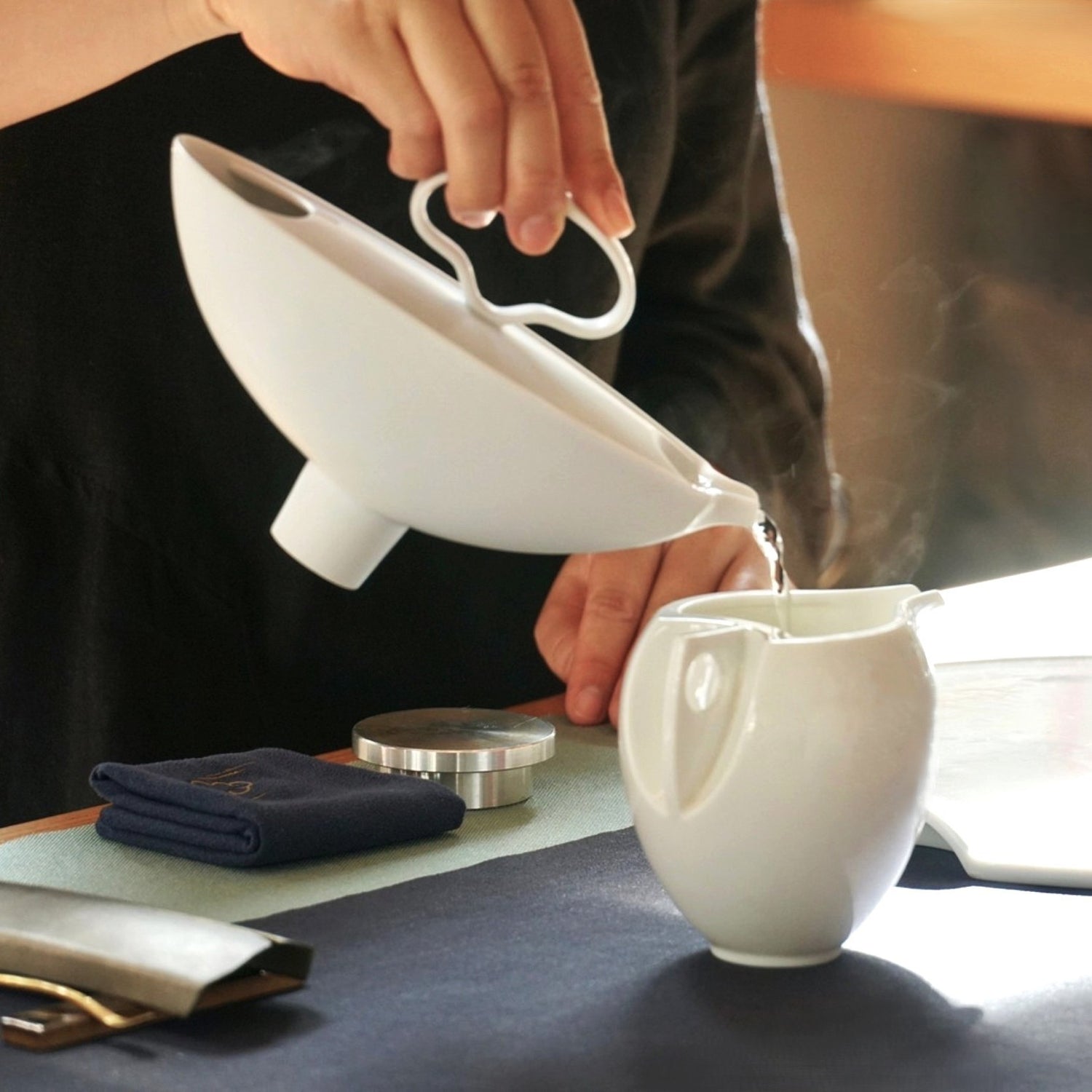
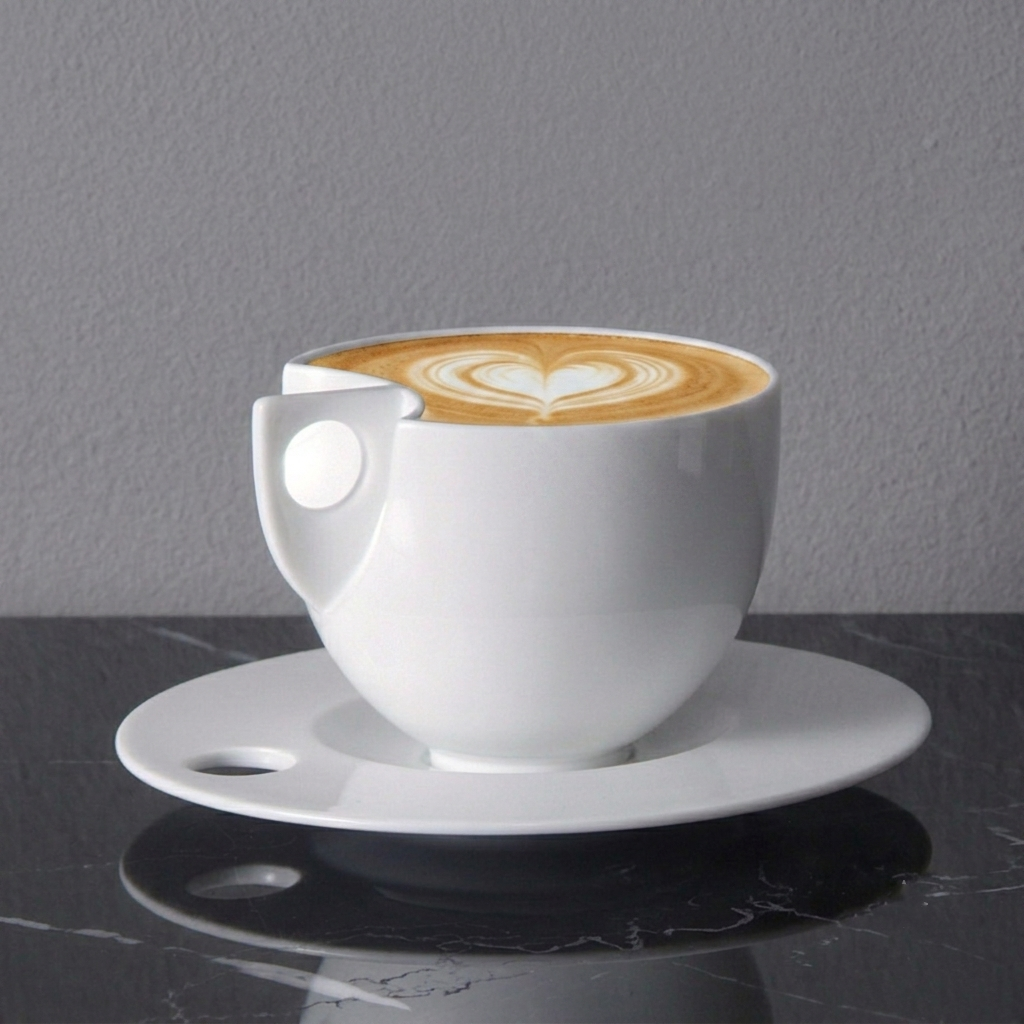
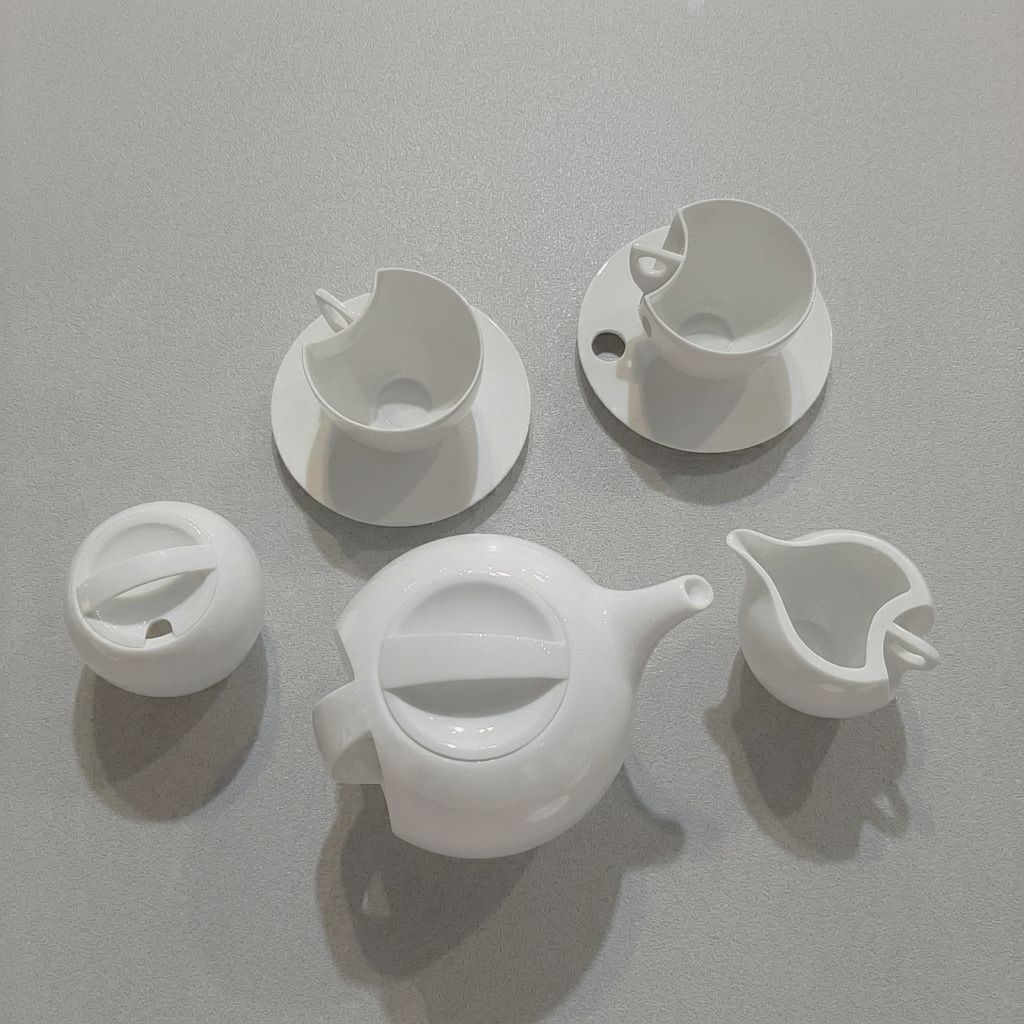
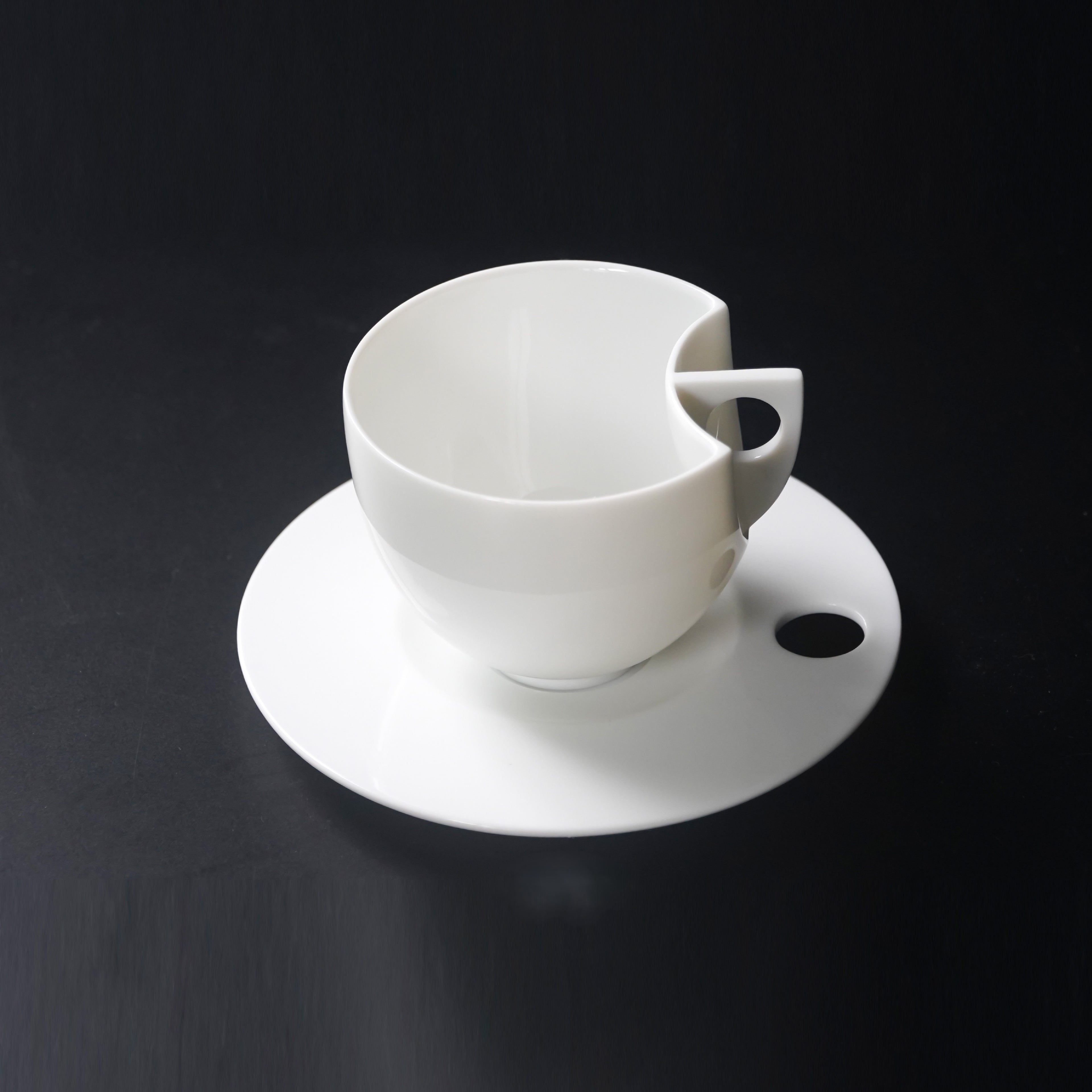
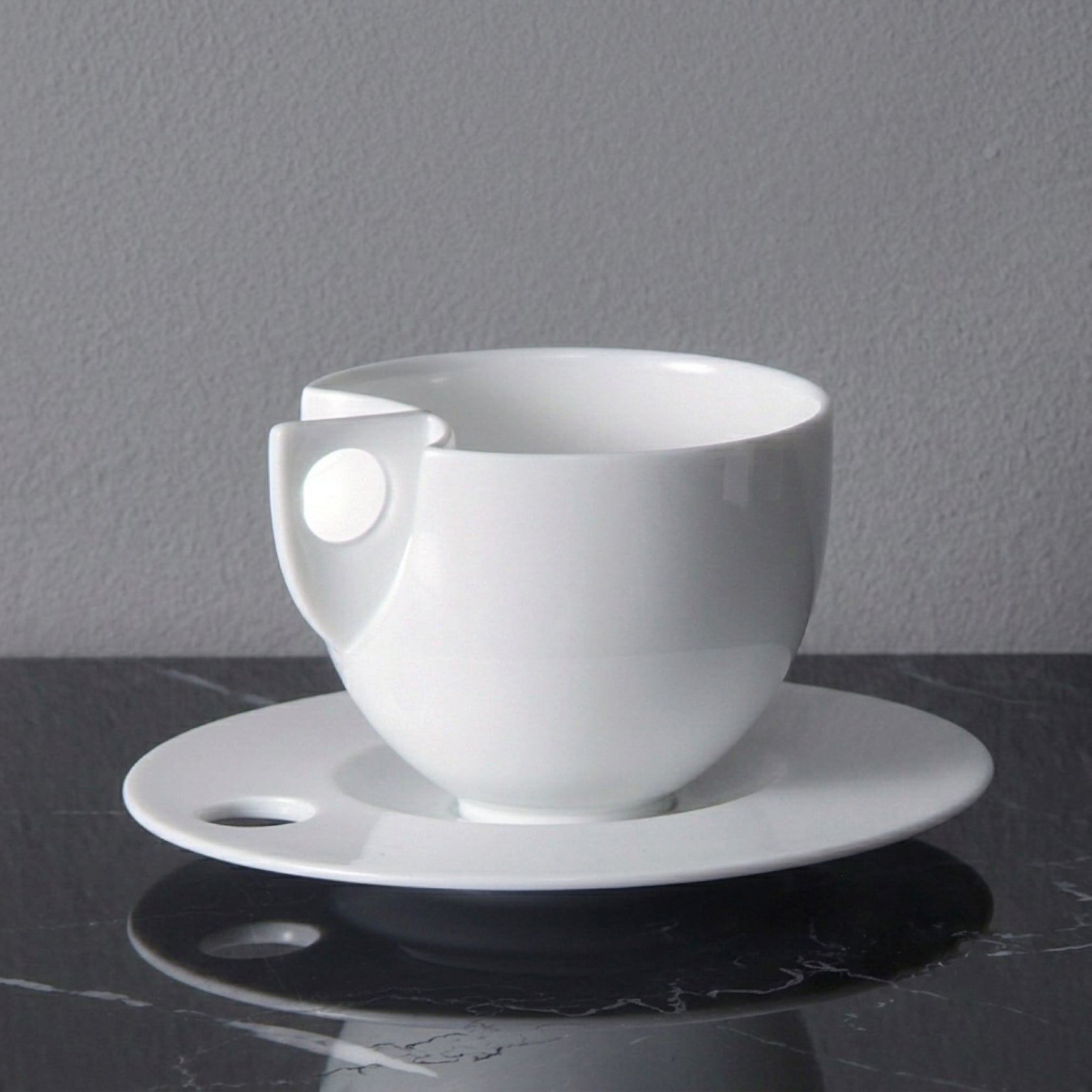
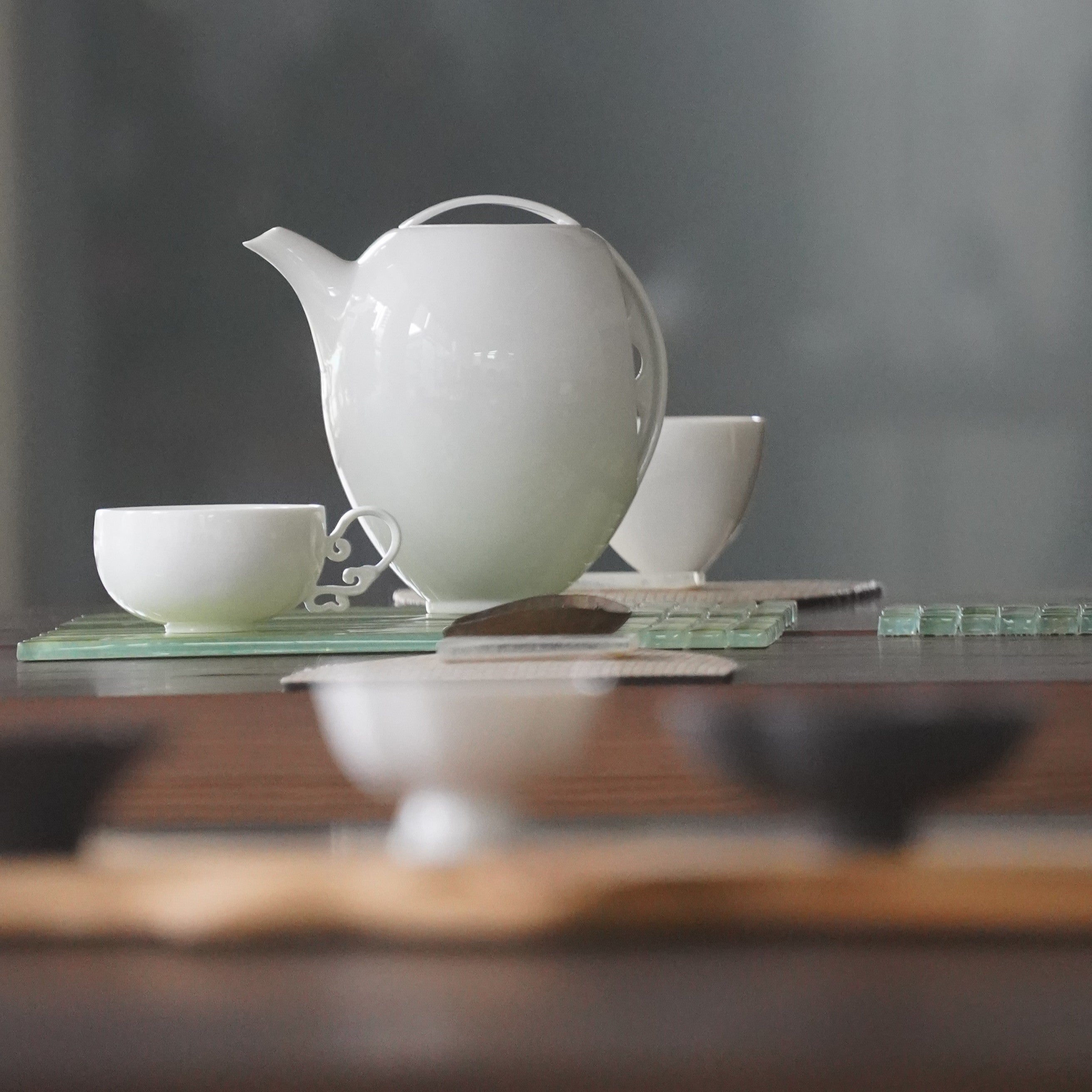
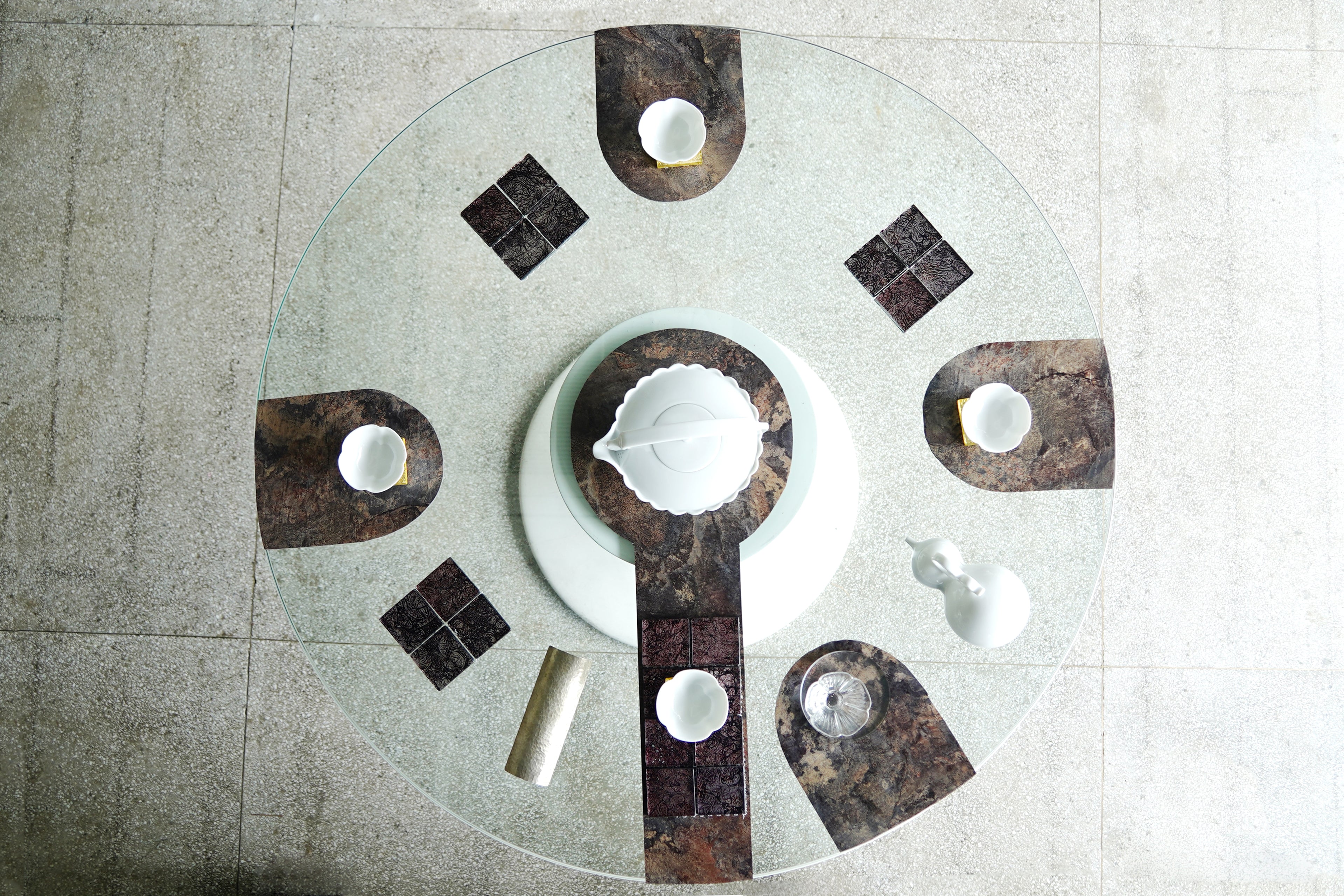
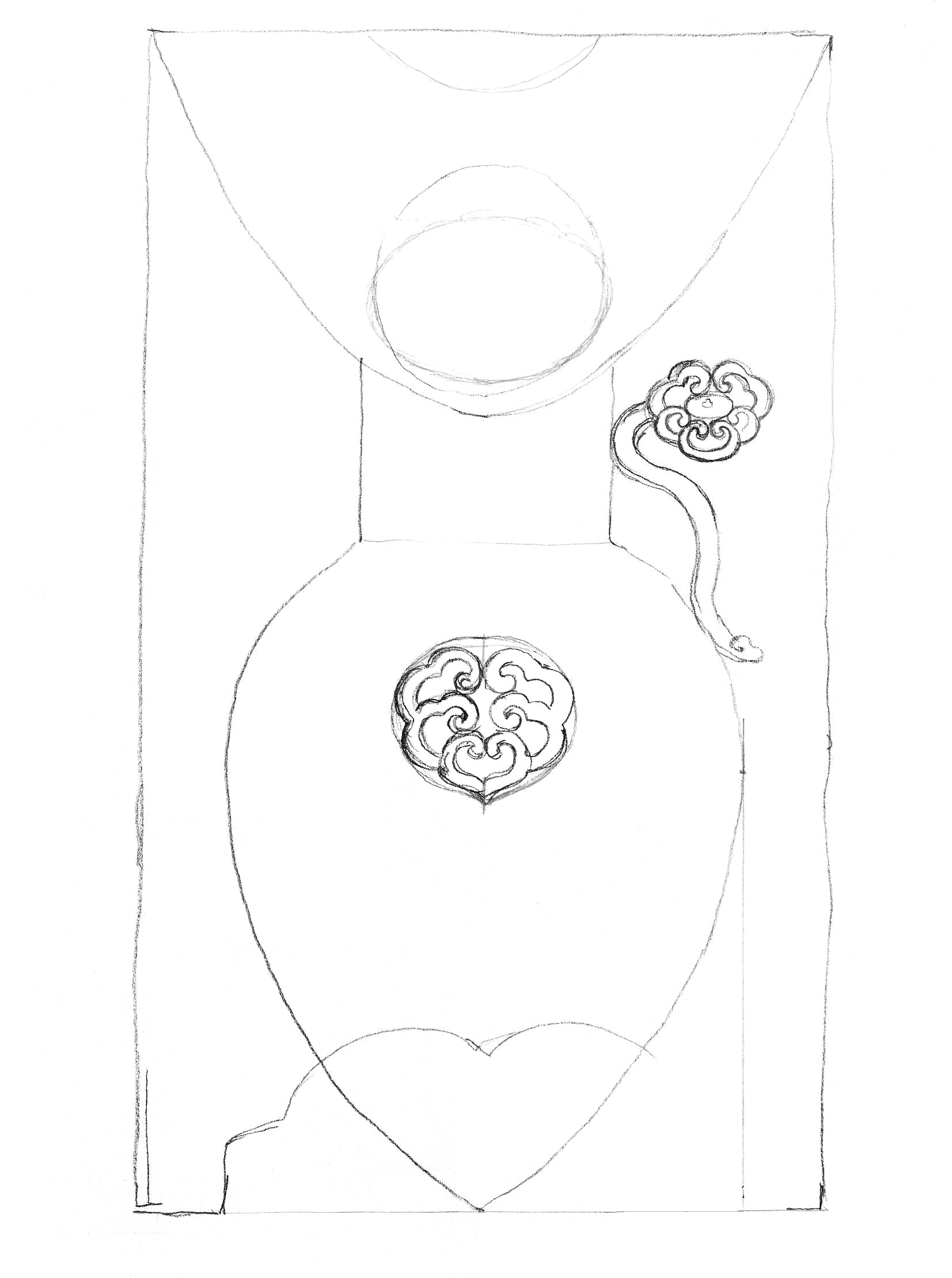
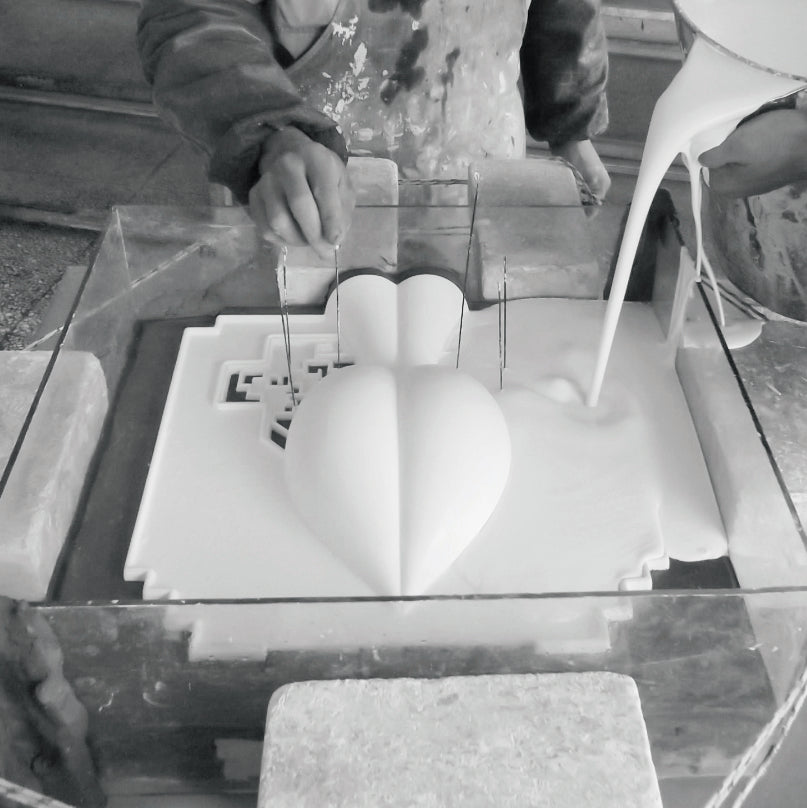
Radiant Sun is a signature piece in the NewChi Porcelain classic range, and Heinrich Wang's most complete statement of what he calls the Philosophy of the Circle (yuán de shèjì zhéxué, 圓的設計哲學).
In Chinese cultural tradition, the circle (yuán, 圓) carries a weight that is difficult to overstate. It is among the oldest and most resonant symbols in the culture — without beginning, without end, holding everything within it, setting no boundary, excluding nothing. The character yuán (圓) is a near-homophone of yuán (緣, fate, connection) and shares its pronunciation with yuán mǎn (圓滿, completeness and fulfillment) — the Chinese blessing for a marriage, a new home, a life well-lived. When something is described as yuán, it is not merely round in shape. It is whole.
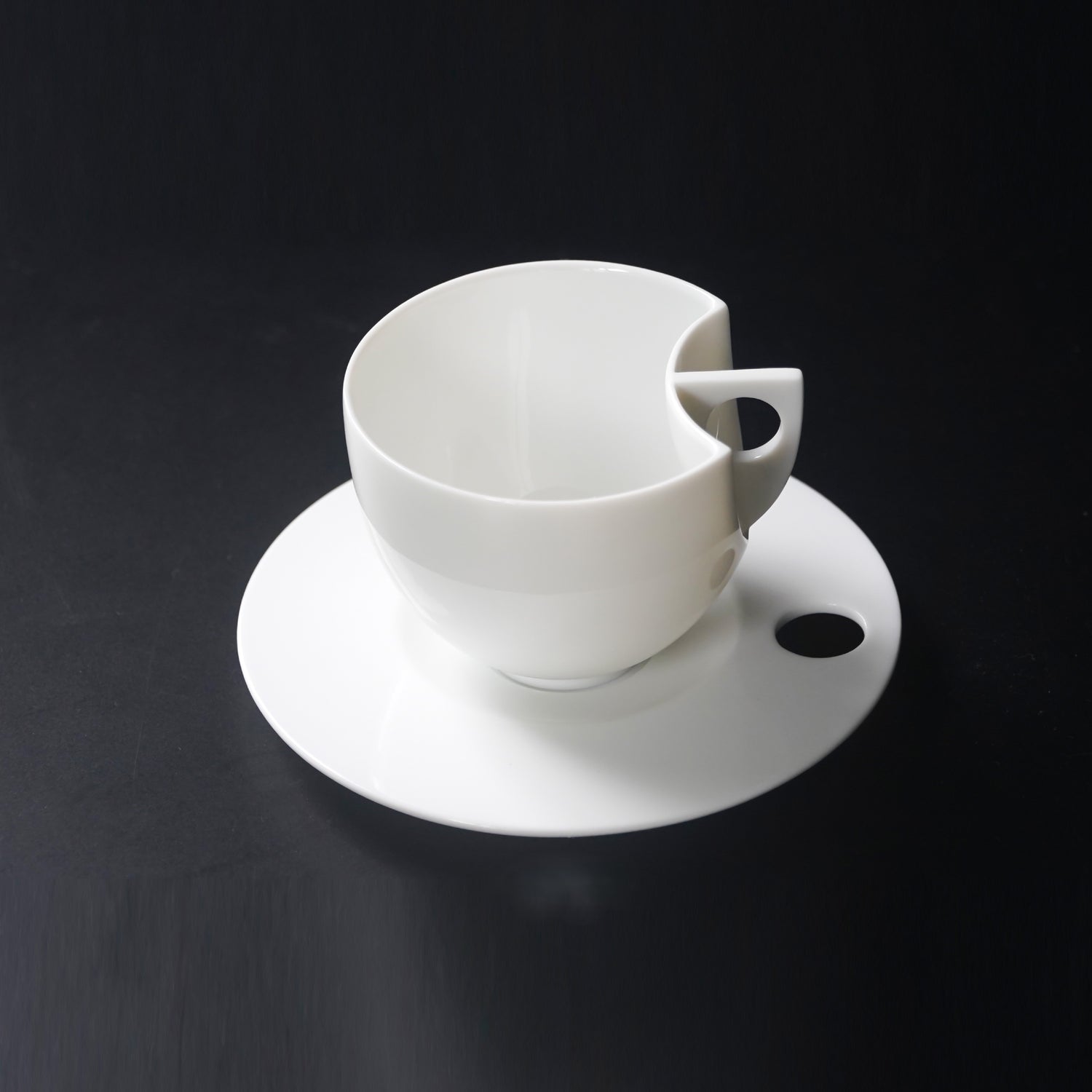
Heinrich Wang took this symbol — ancient, universal, immediately understood — and made it the only design language of Radiant Sun. Not as decoration, but as philosophy embodied in form: a way of holding all things generously, without resistance, without edges.
Wang believes the circle is not softness. It is the strength that comes after maturity. Radiant Sun does not depict a blazing, harsh sun. It depicts the quality of a person who has been through enough, and still holds warmth — "the summer sun blazing with vitality, the winter sun fresh and reassuring, the full round body like a steadfast confidence, at home in the open sky." Summer and winter, heat and clarity, the two qualities are held in the same form.
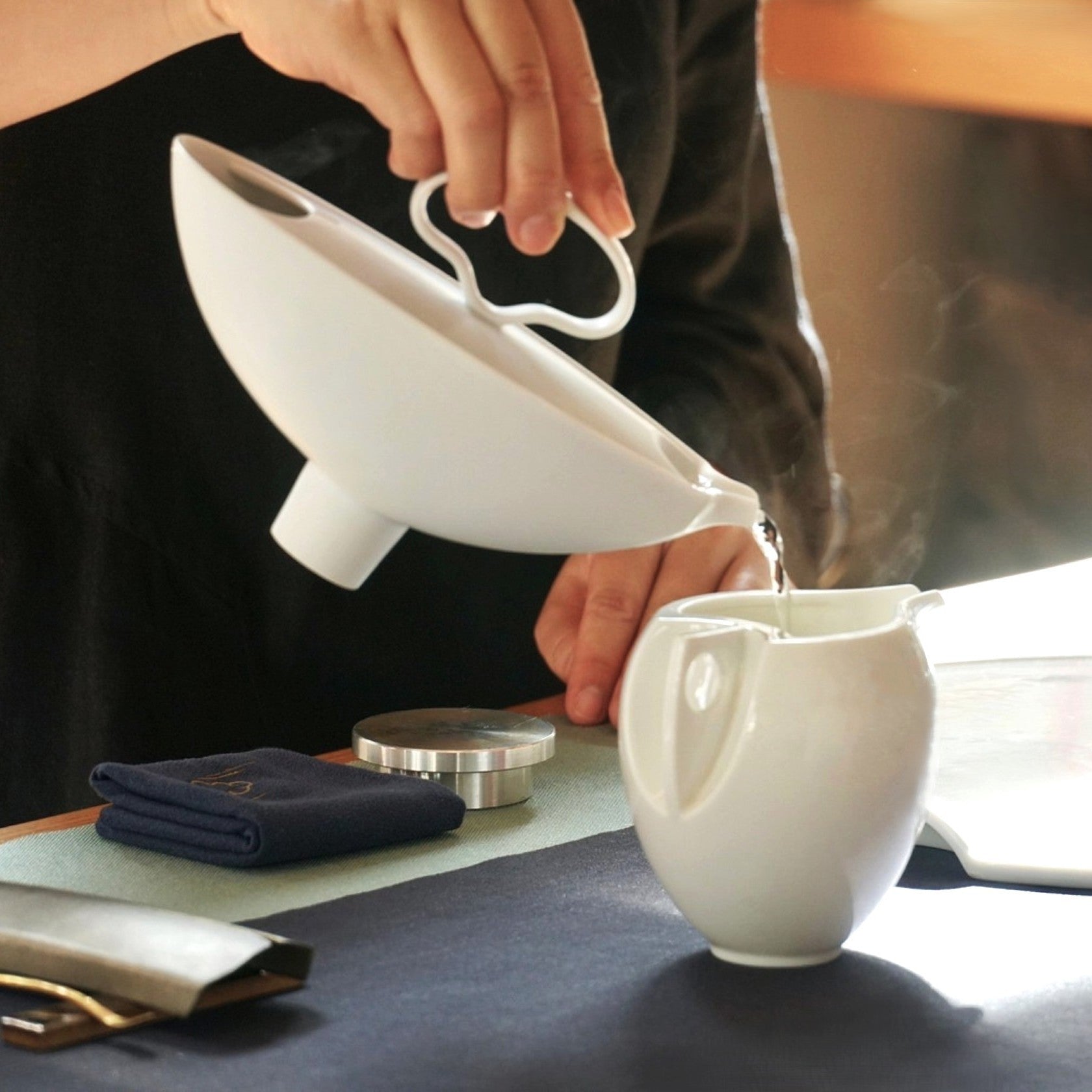
Wang writes in Ming Bai Xue (明白學 — The Art of Clarity): "The conservative traditional form that once simply sat on the table must now defy gravity — extend its legs and stand tall with the spirit of the age, just as this work's handle extends into the air with its unhurried declaration. This is an evolution of form, and of intention." The large arc handle of Radiant Sun is exactly this: not an attachment added to the pot body, but the circular philosophy growing outward from it — the circle completing itself in three dimensions.
Brand philosophy context drawn from Heinrich Wang, Ming Bai Xue, Da Kuai Publishing.