
Editor’s Note
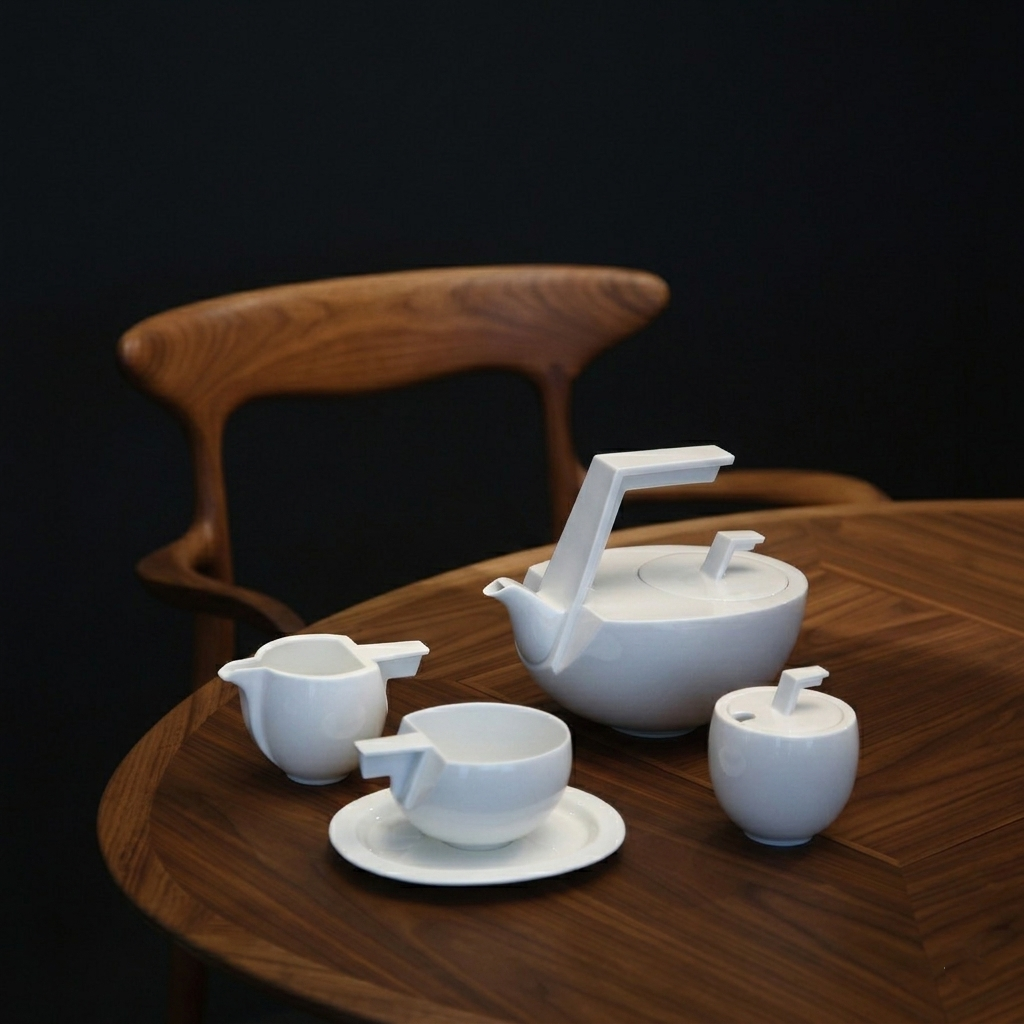
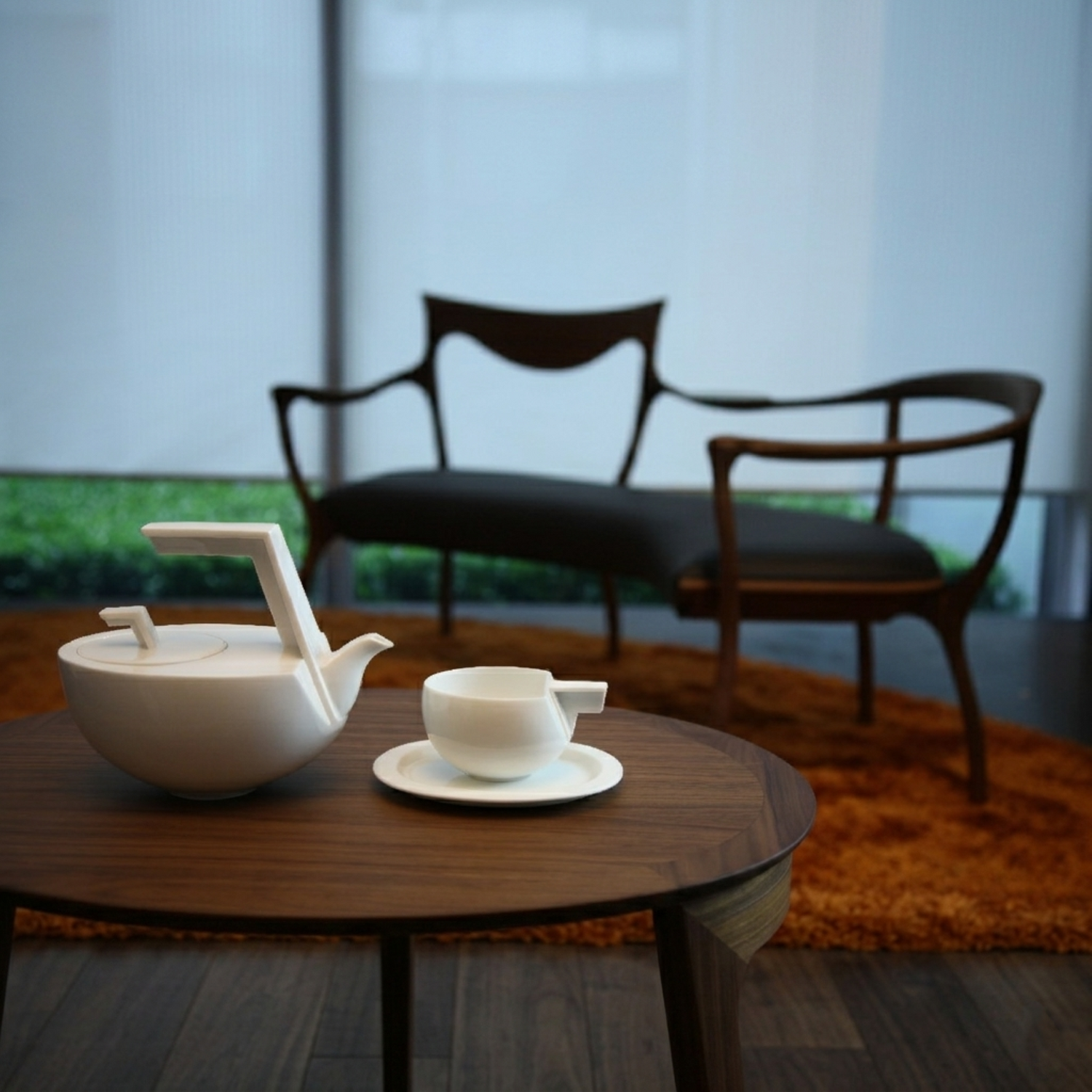
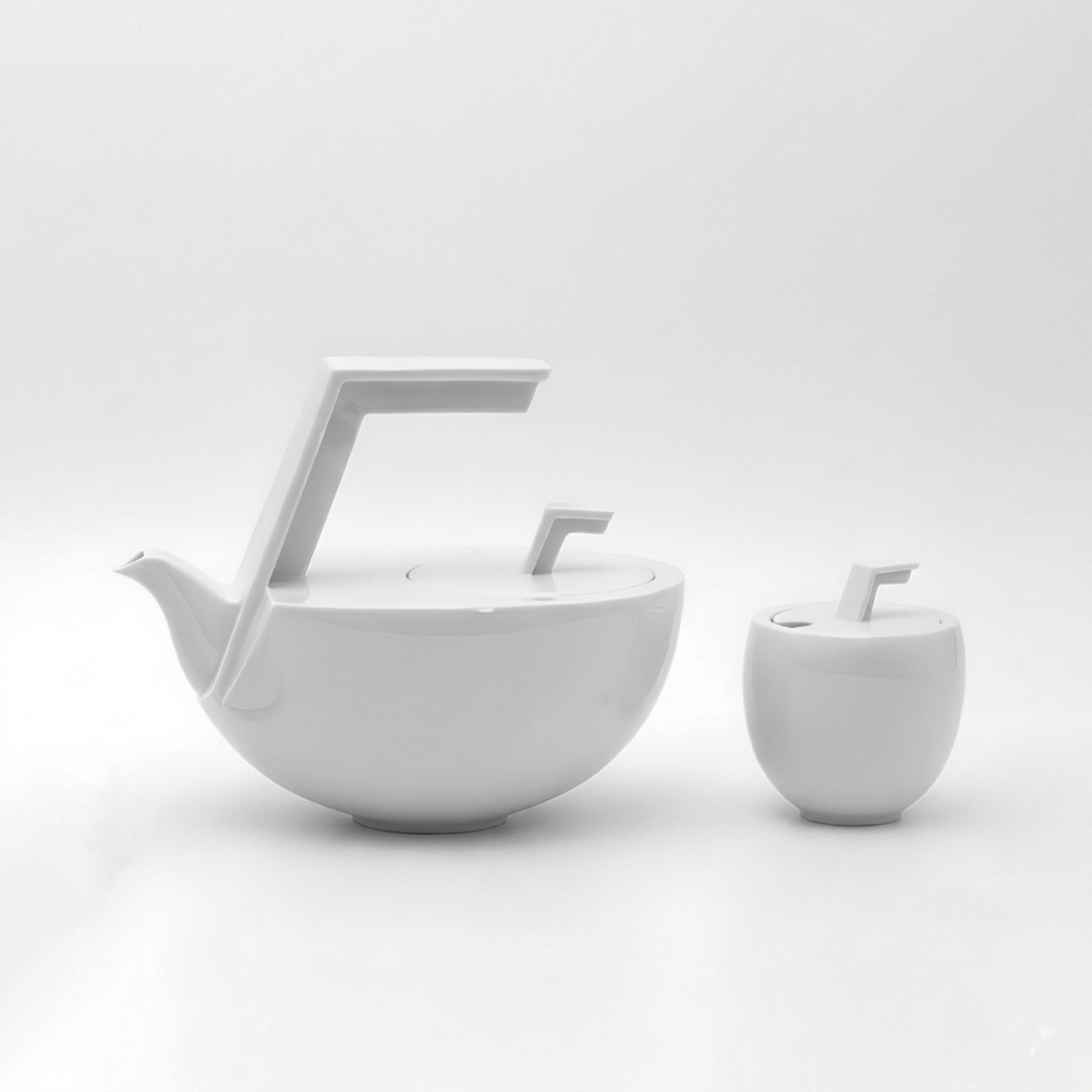
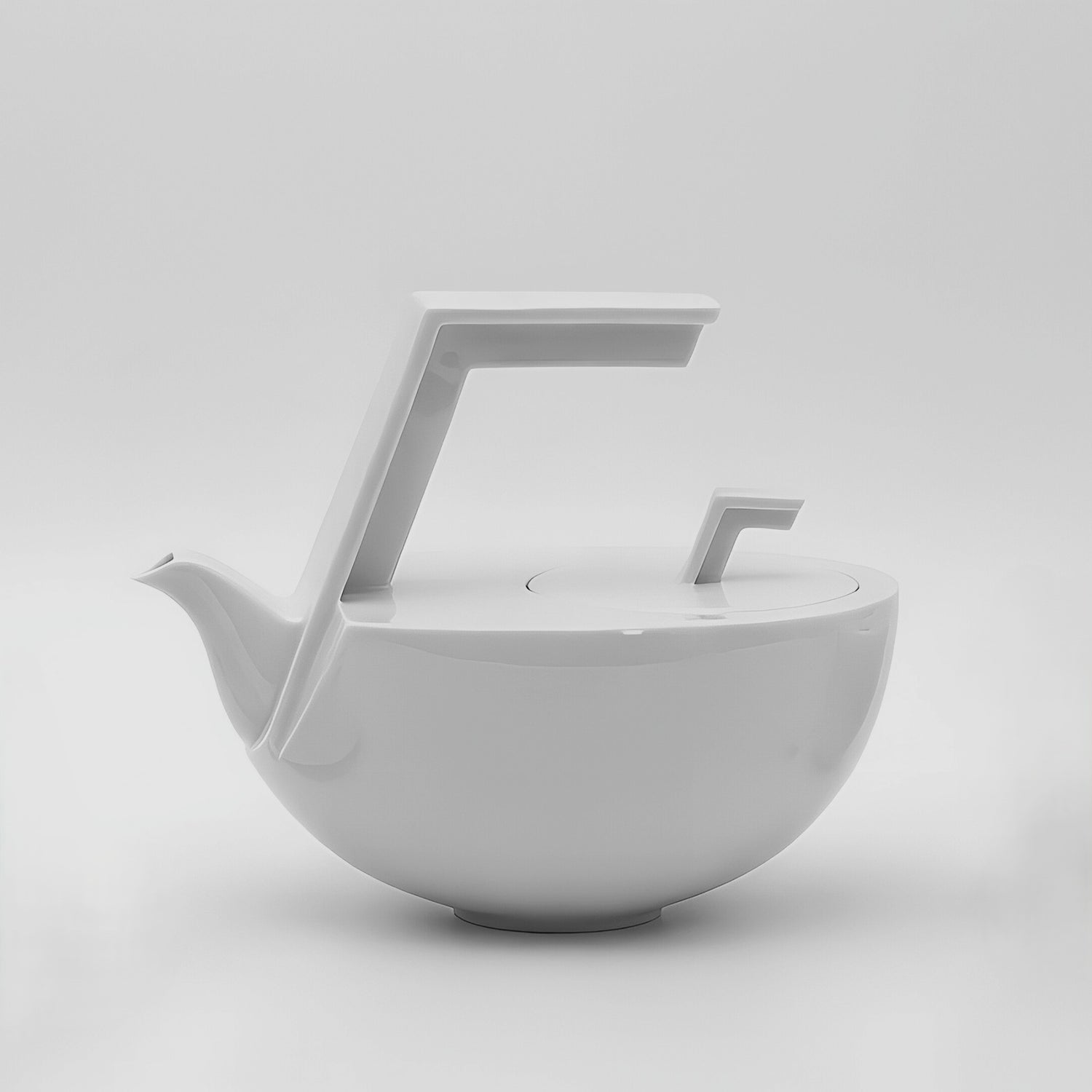
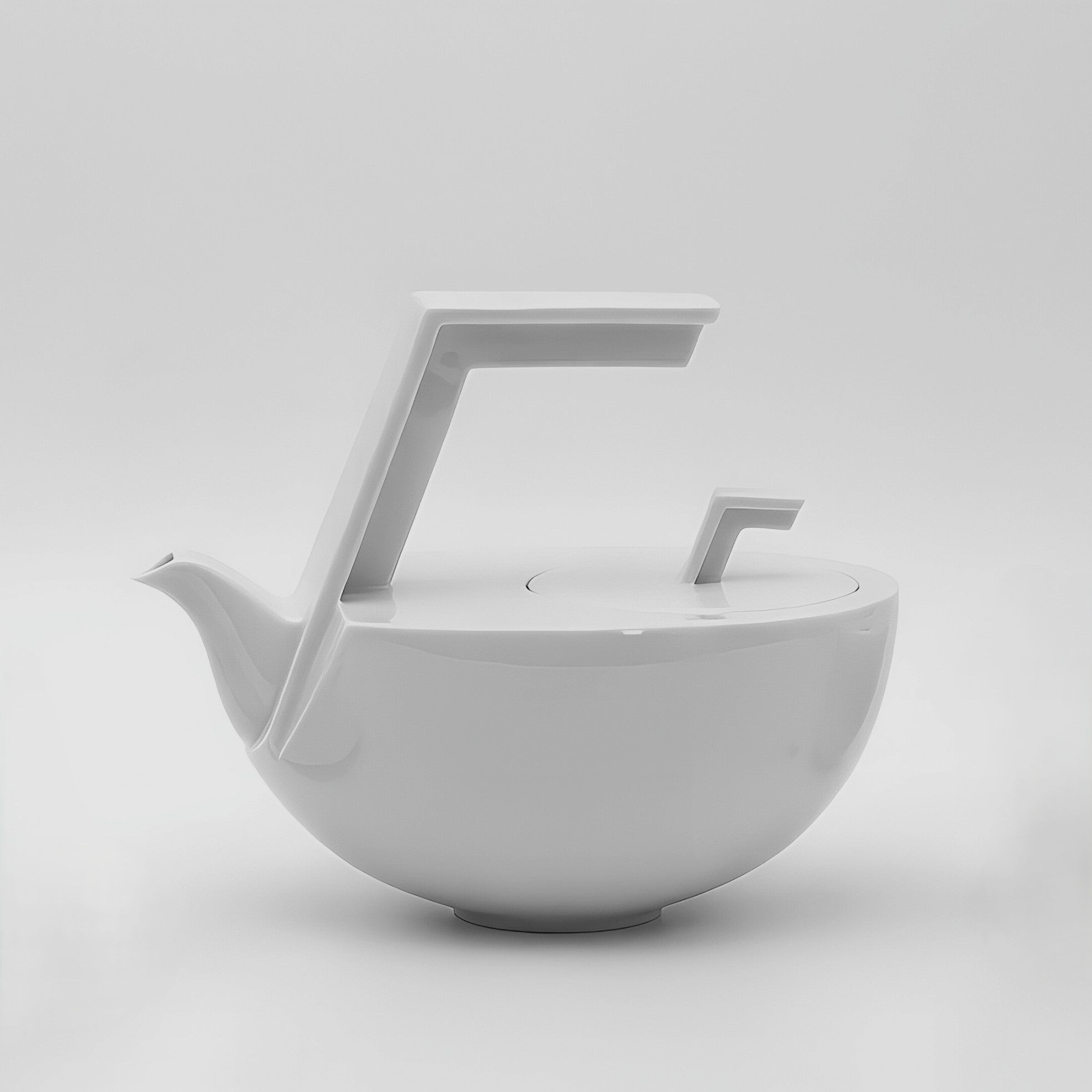
By the Measure of the Sea is one of the representative works from Heinrich Wang’s Vessel & Measure collection.
In this design note, Wang reflects on geometry, generosity, and the culture of sharing through tea. Rather than describing a teapot, he explores how contemporary design can embody an open state of mind—expressing the philosophy of “measuring the heart through the form of a vessel.”
By the Measure of the Sea
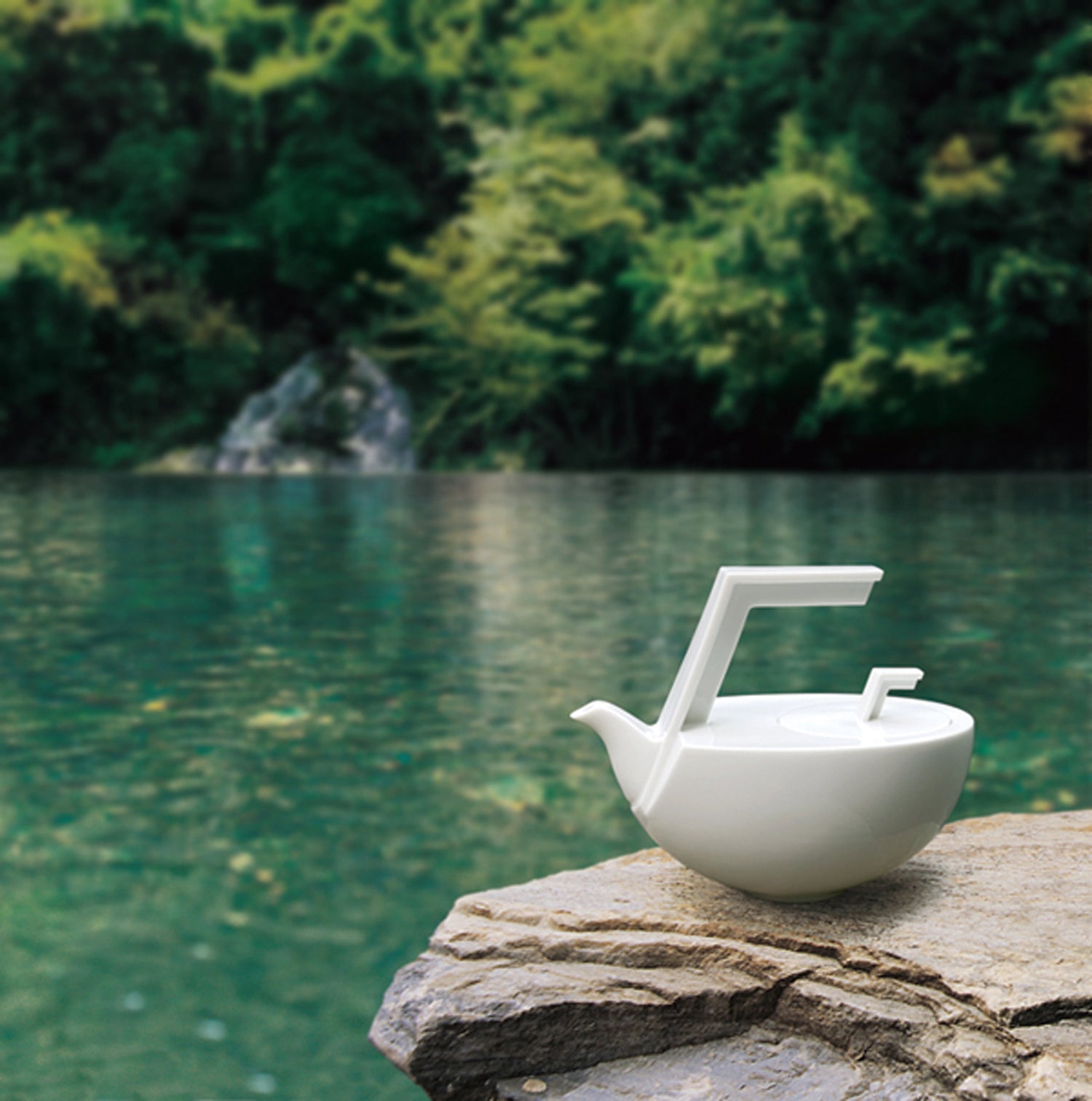
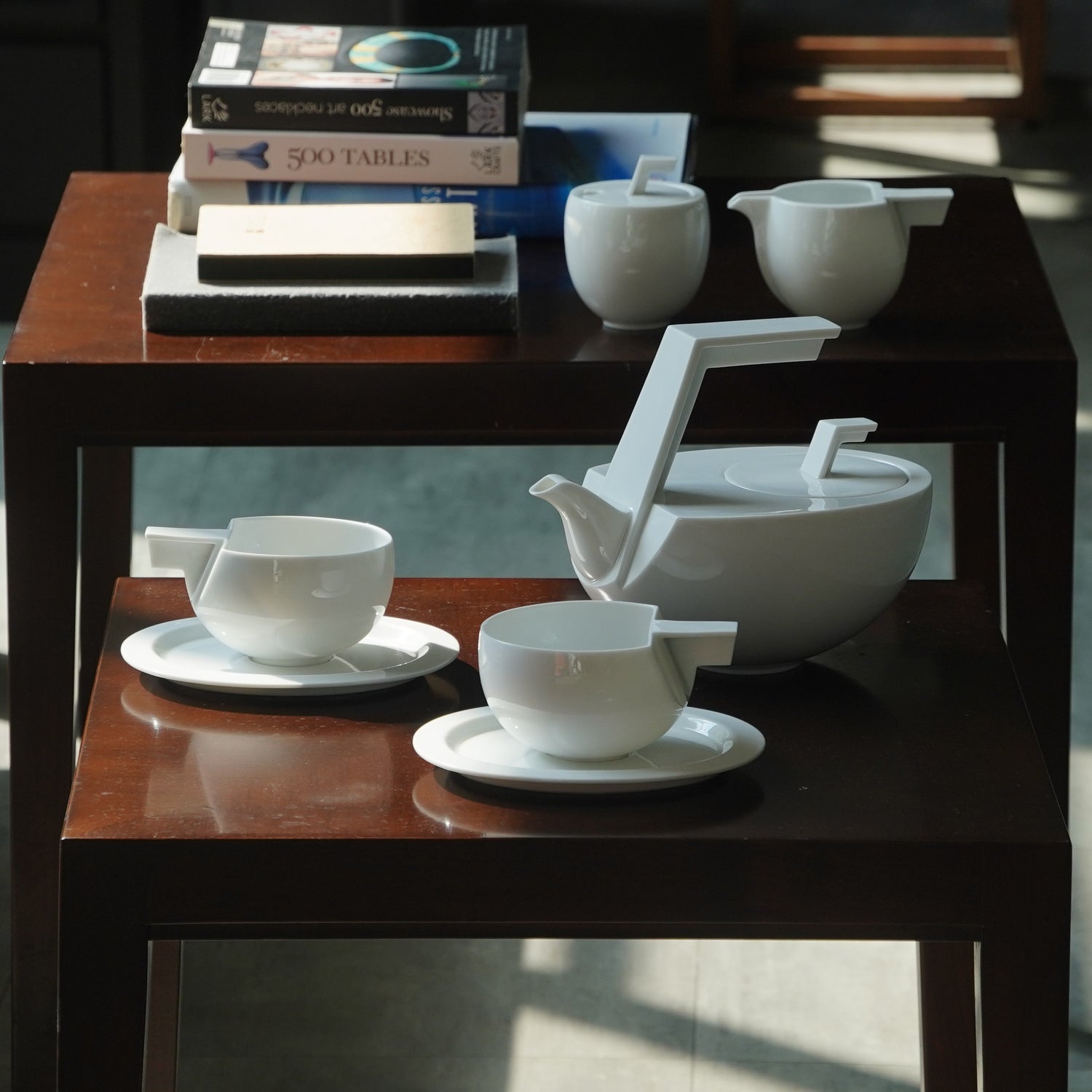
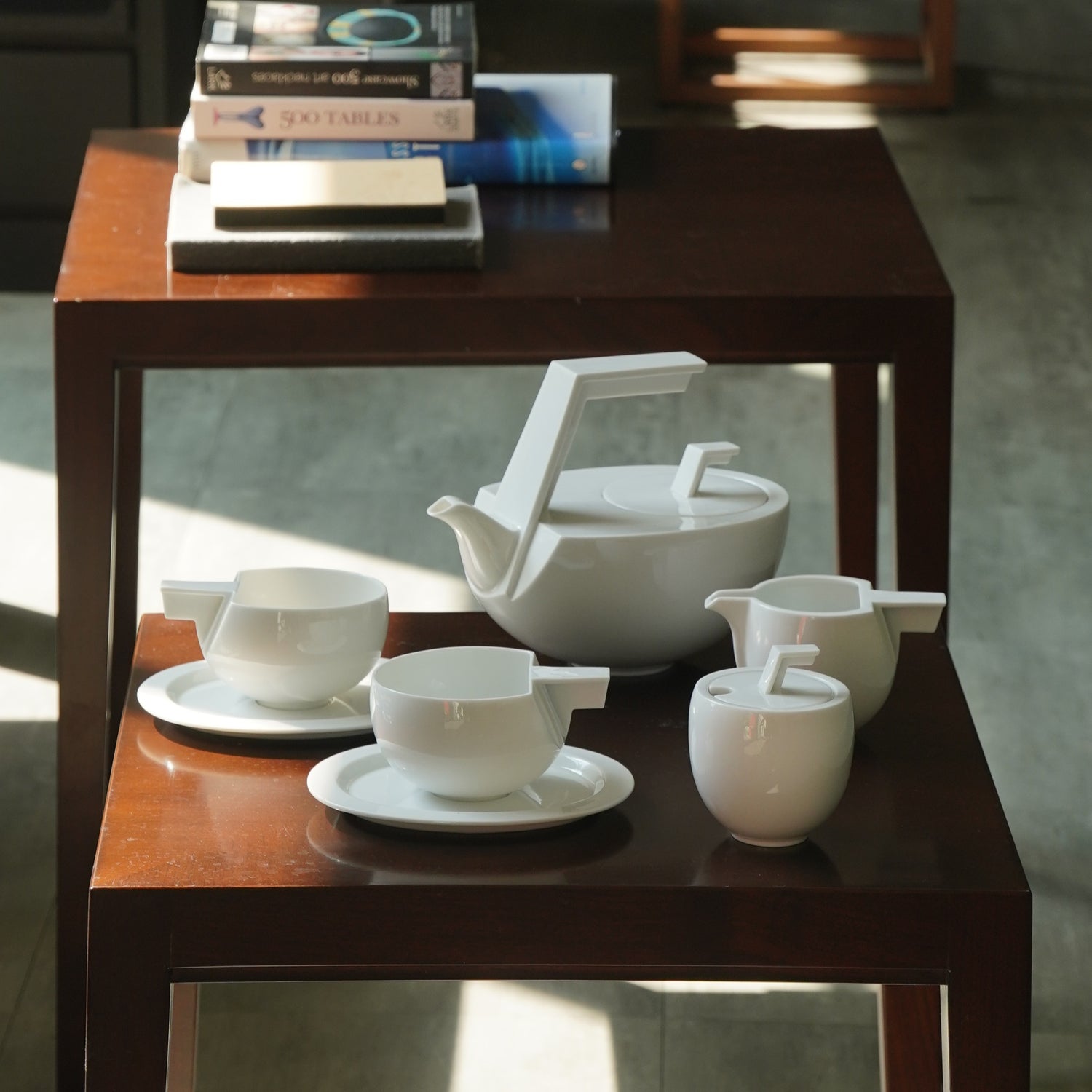
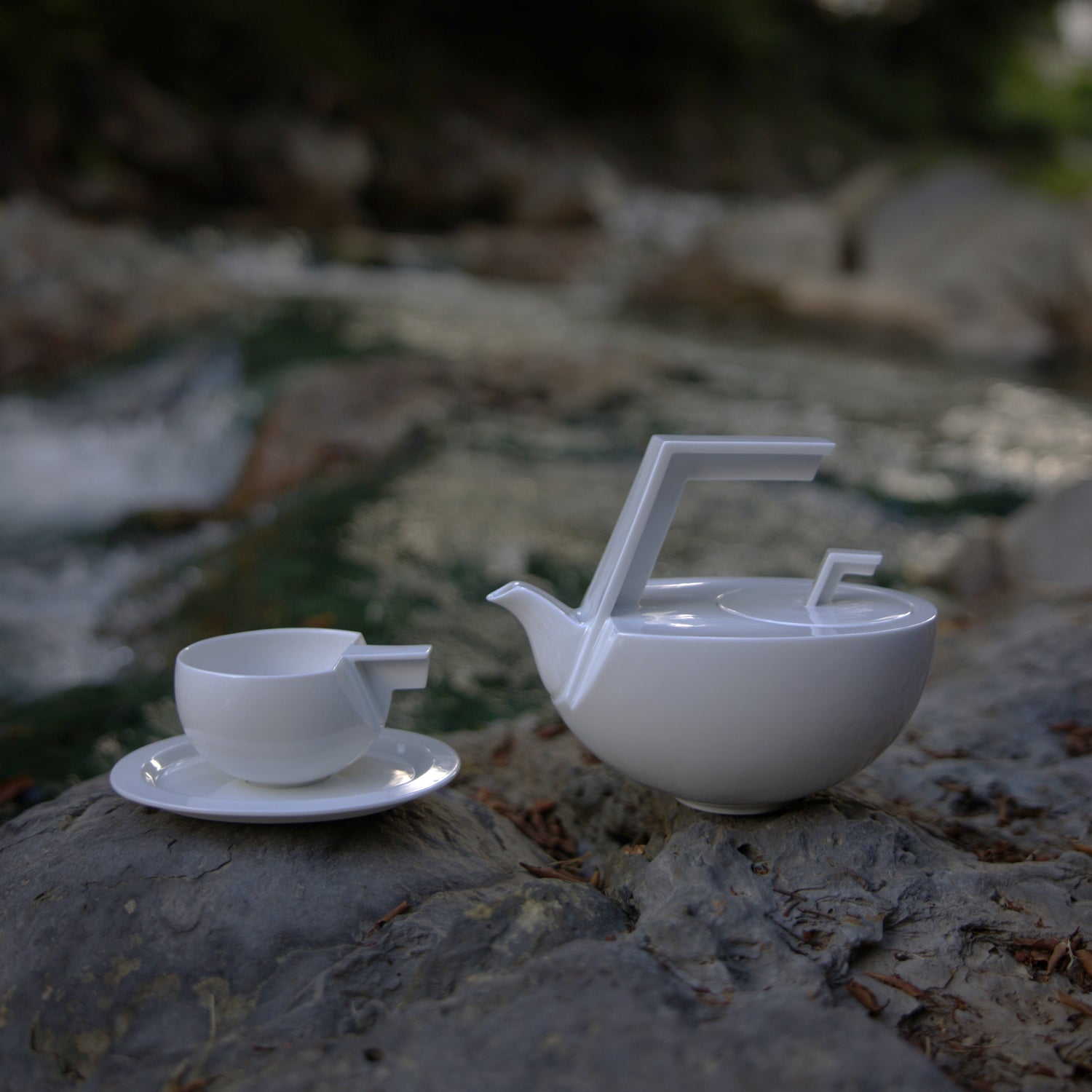
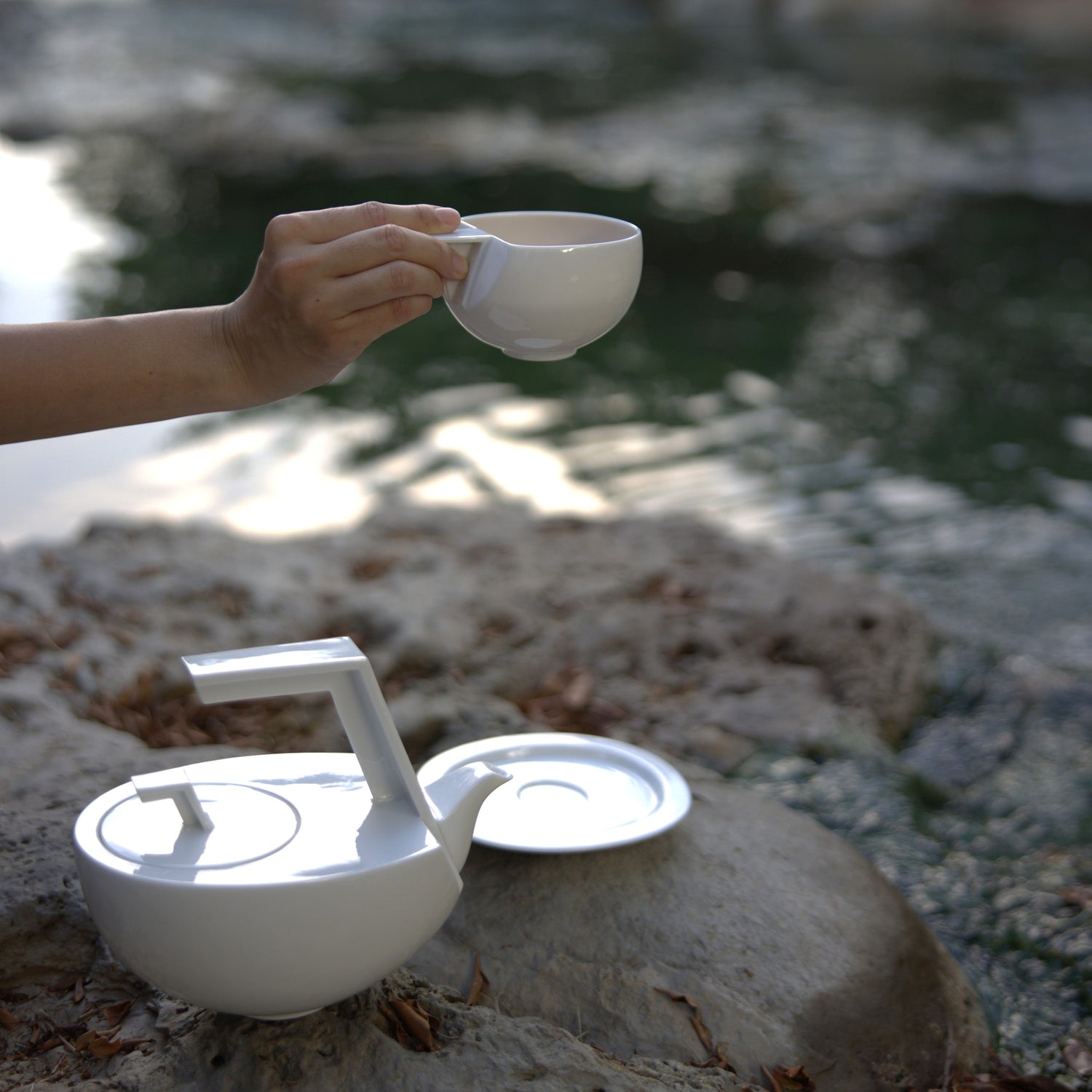
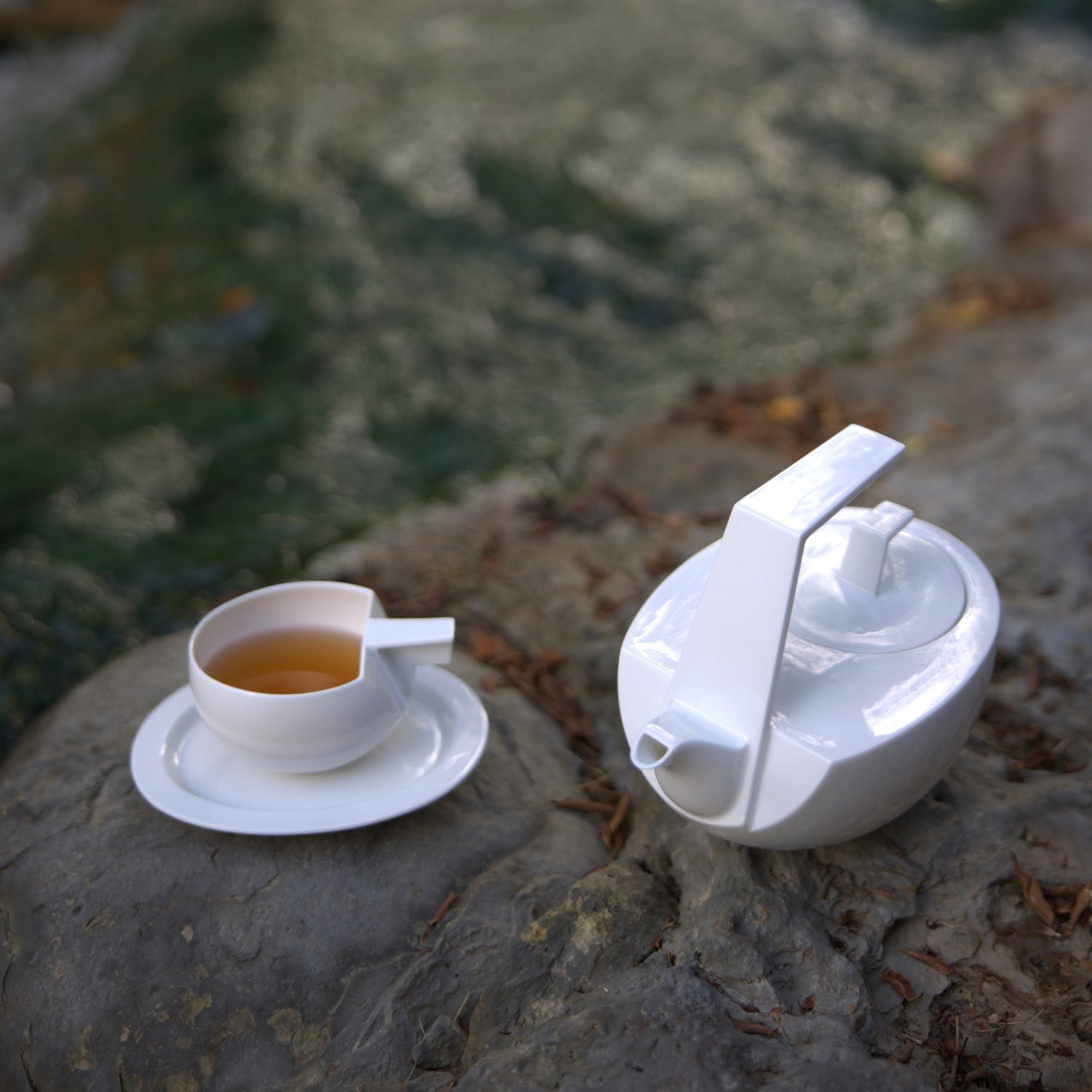
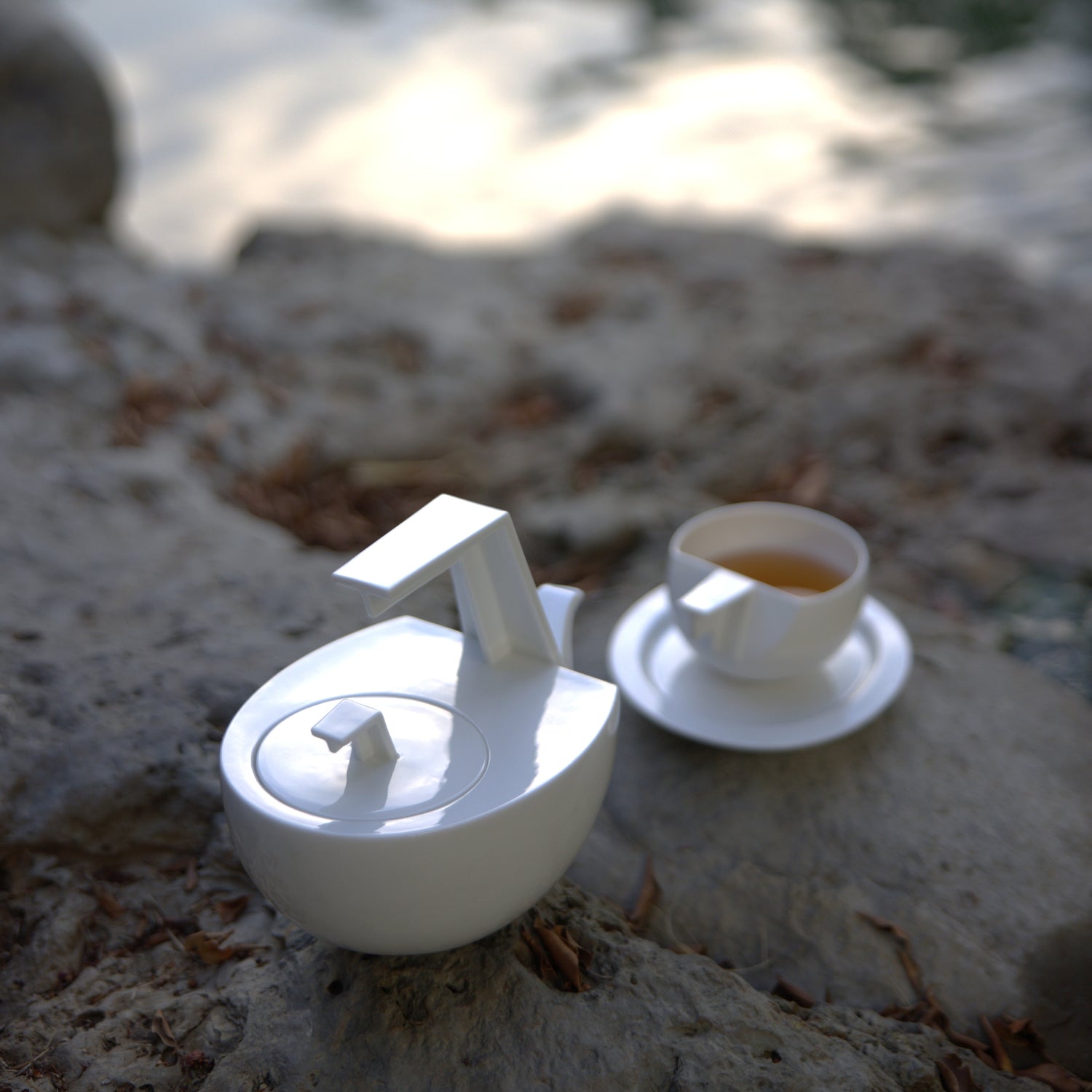
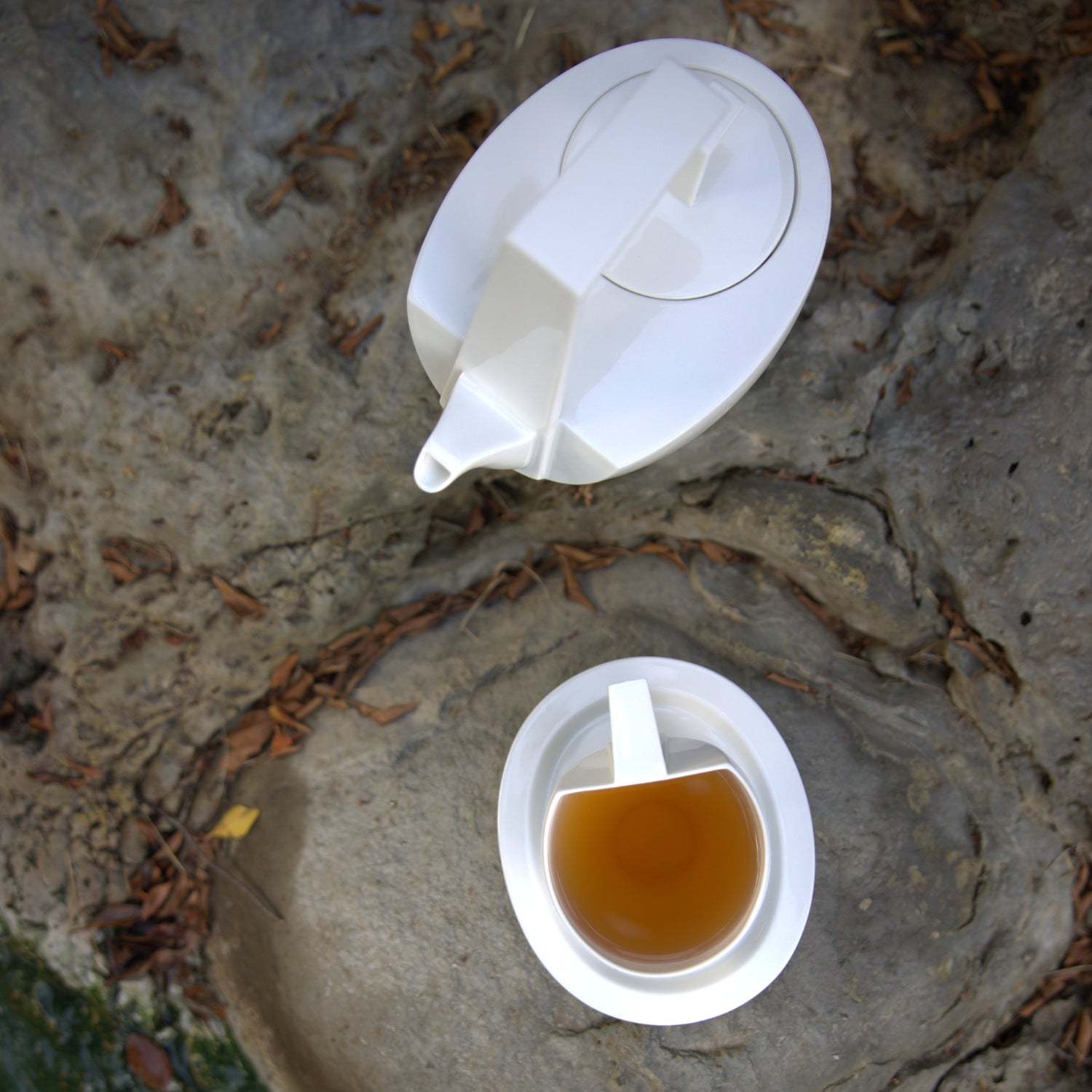
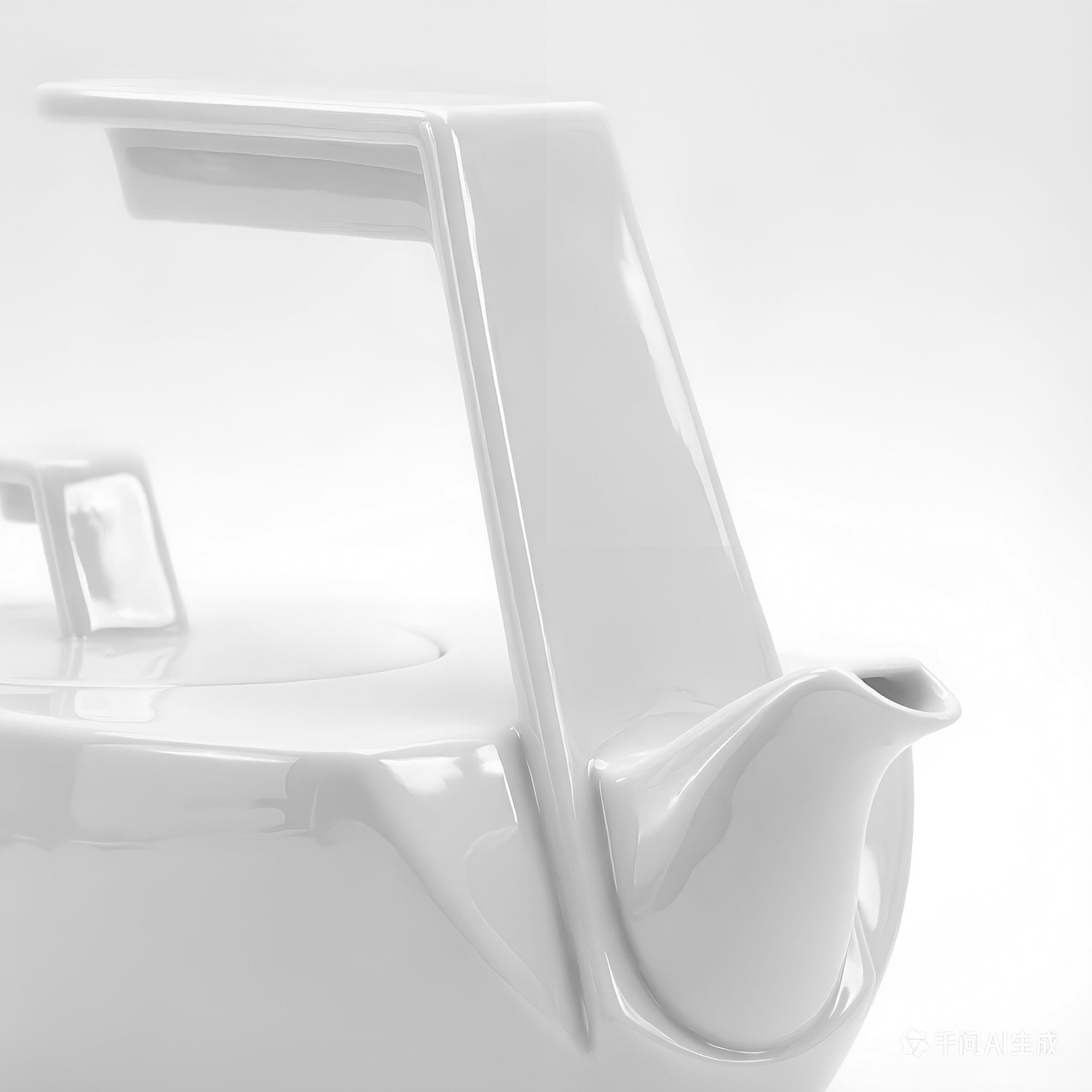
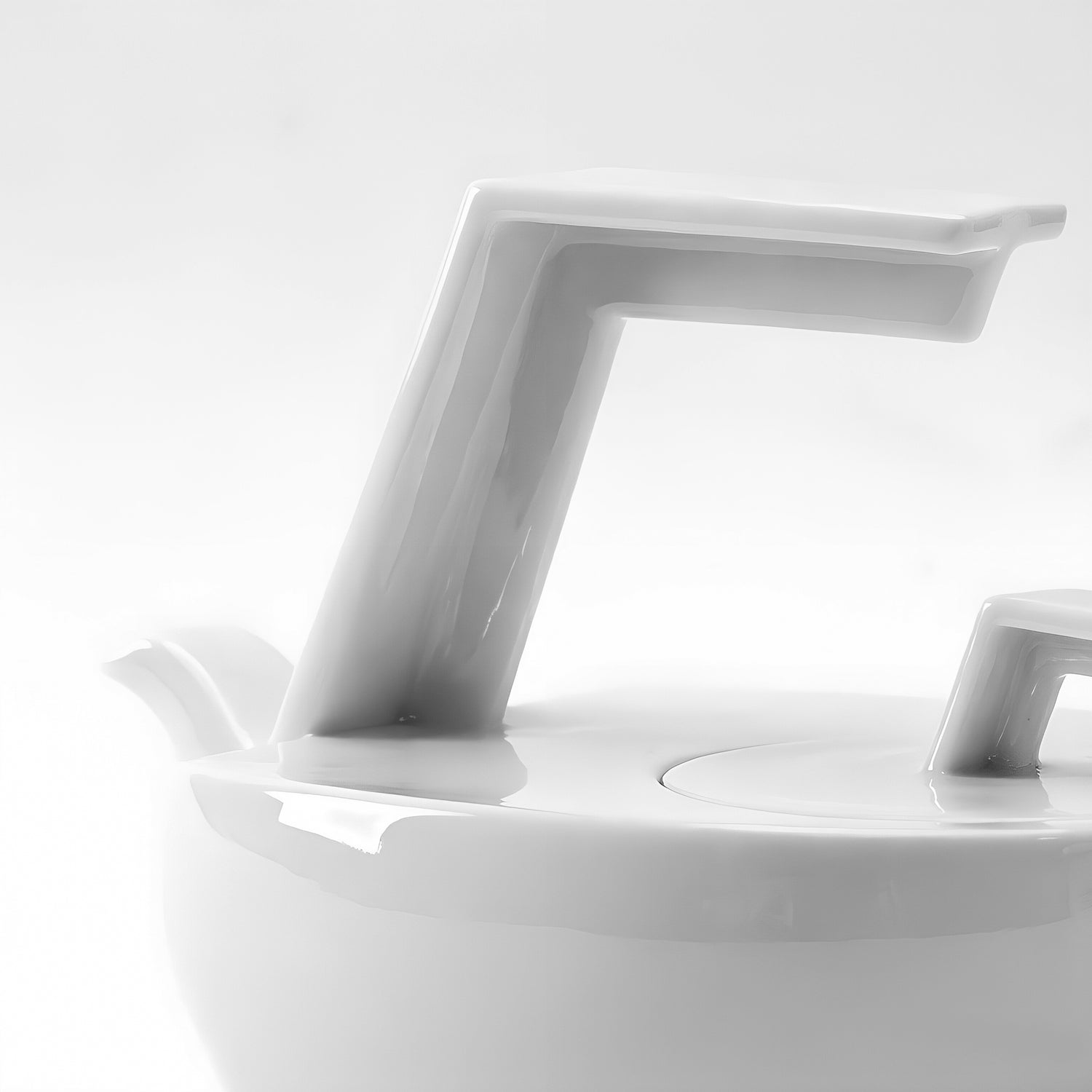
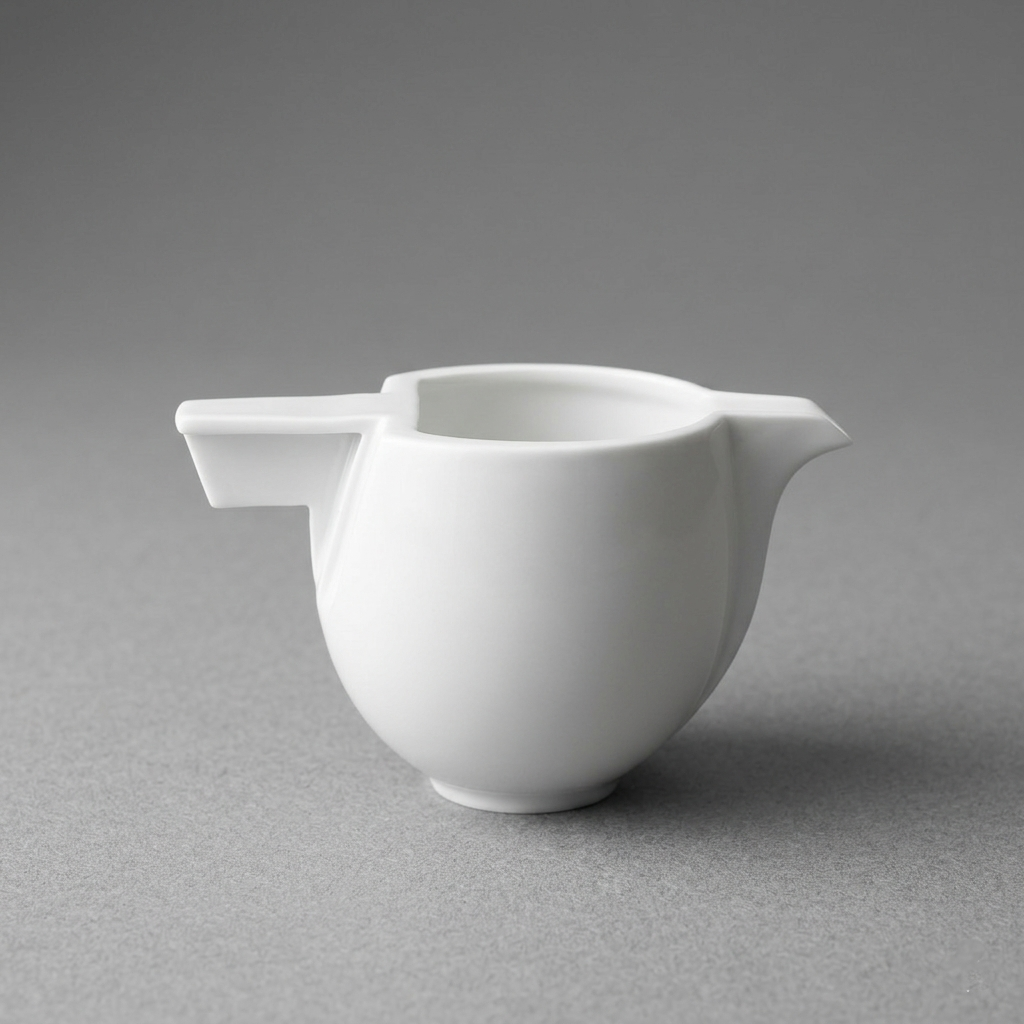
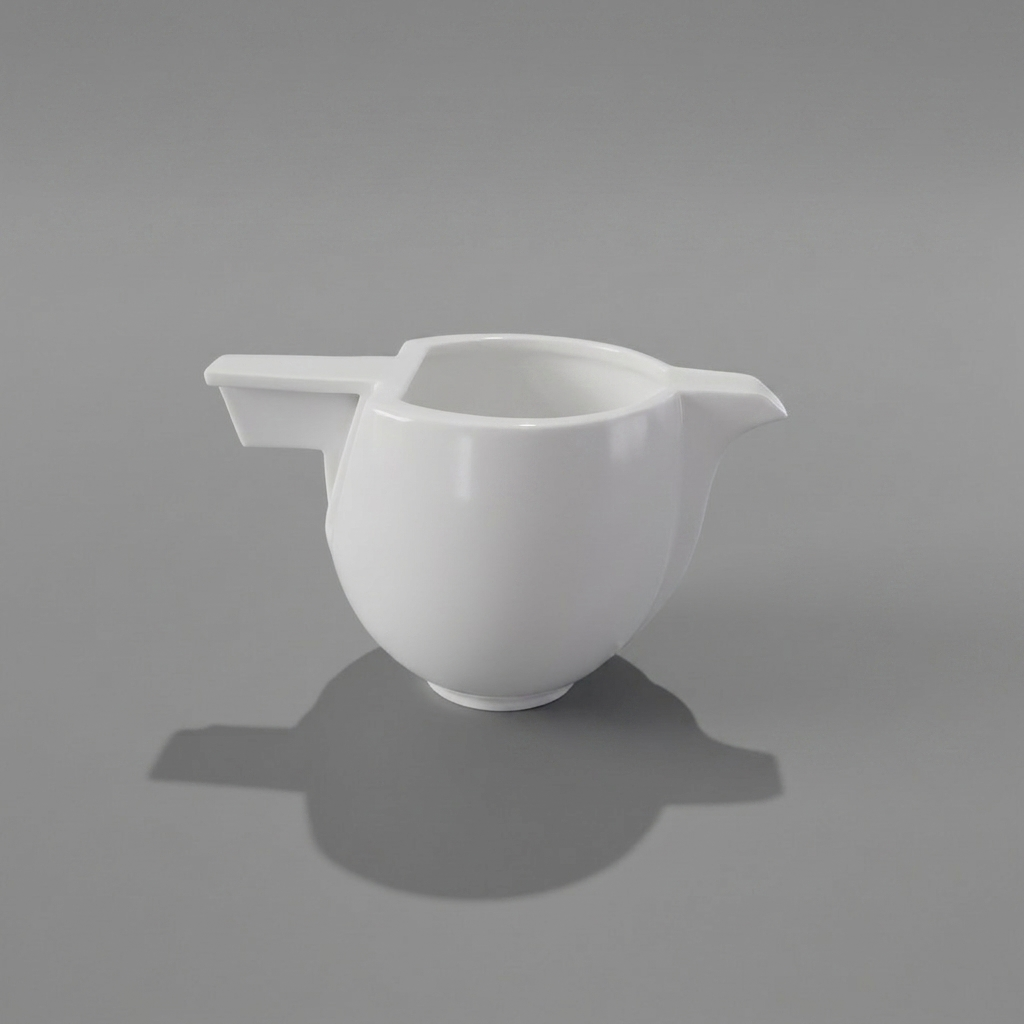
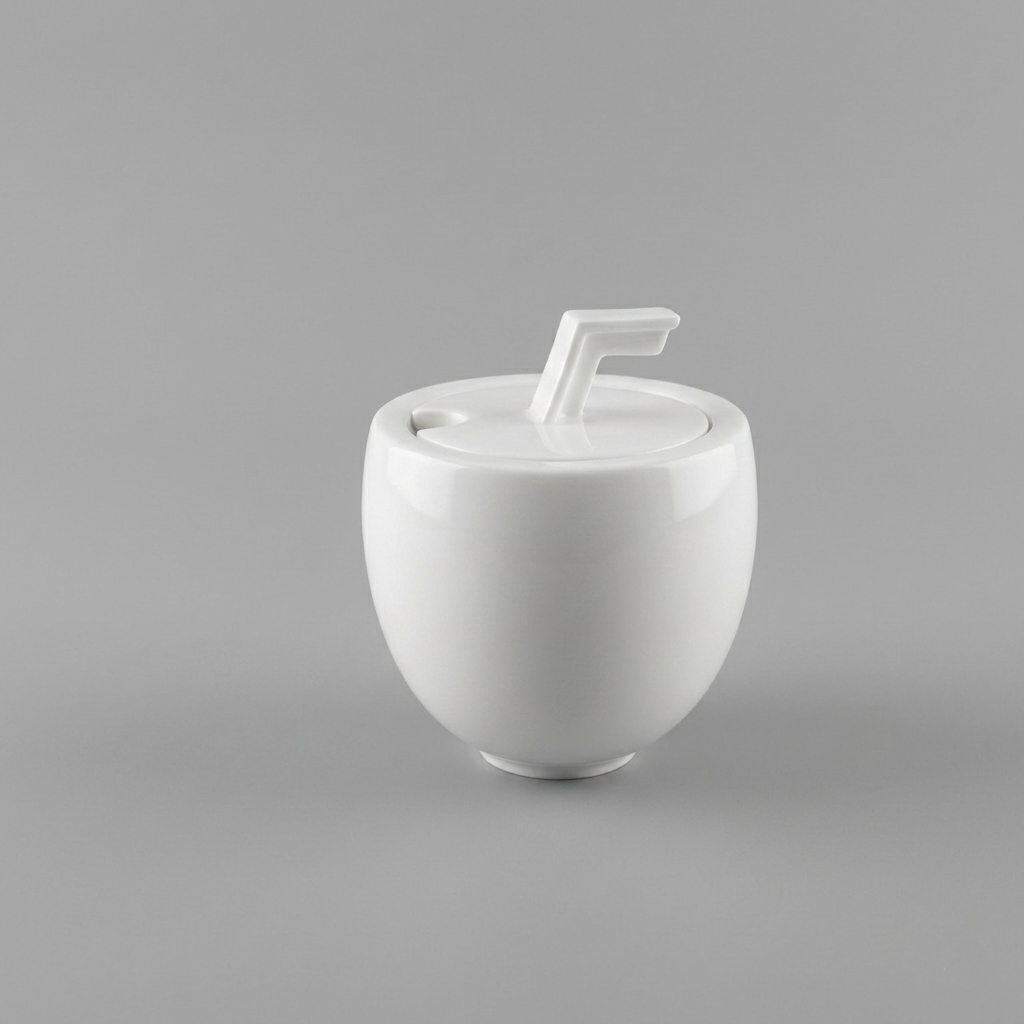
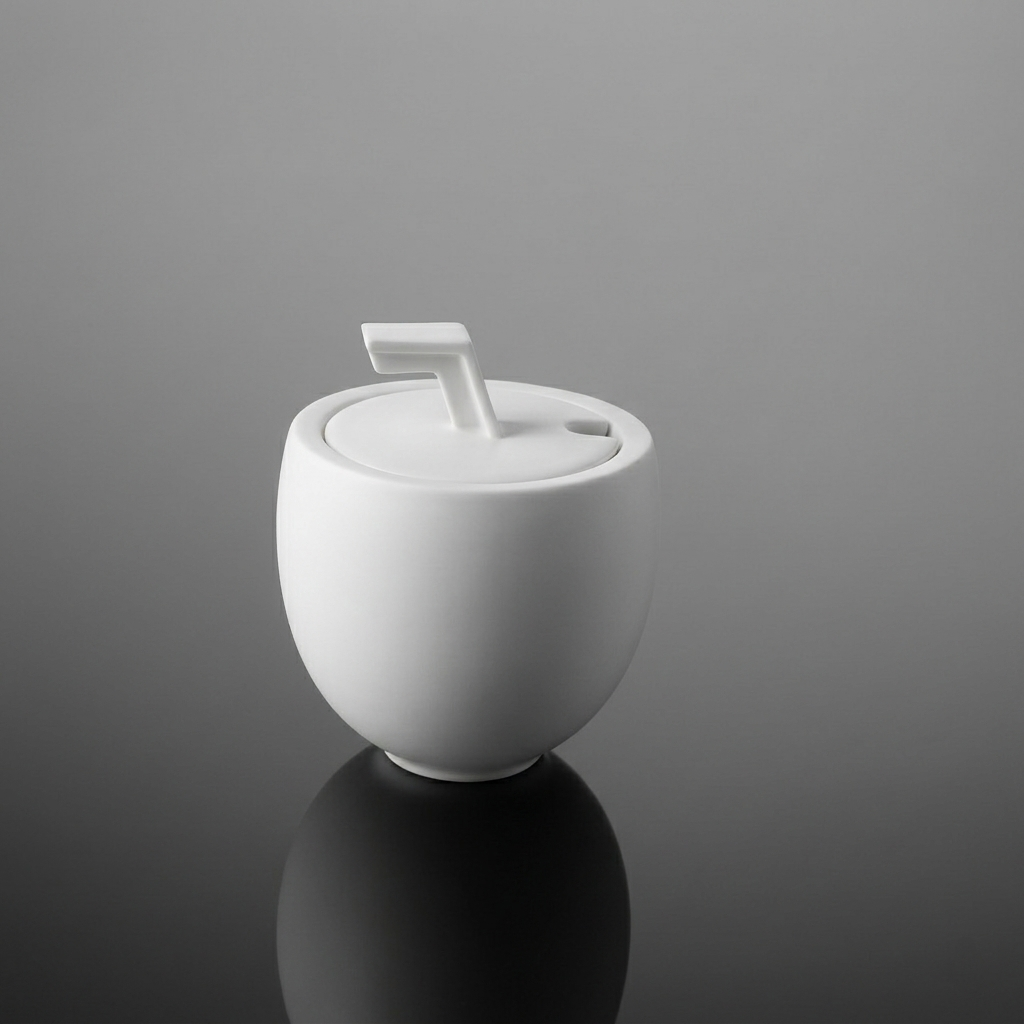
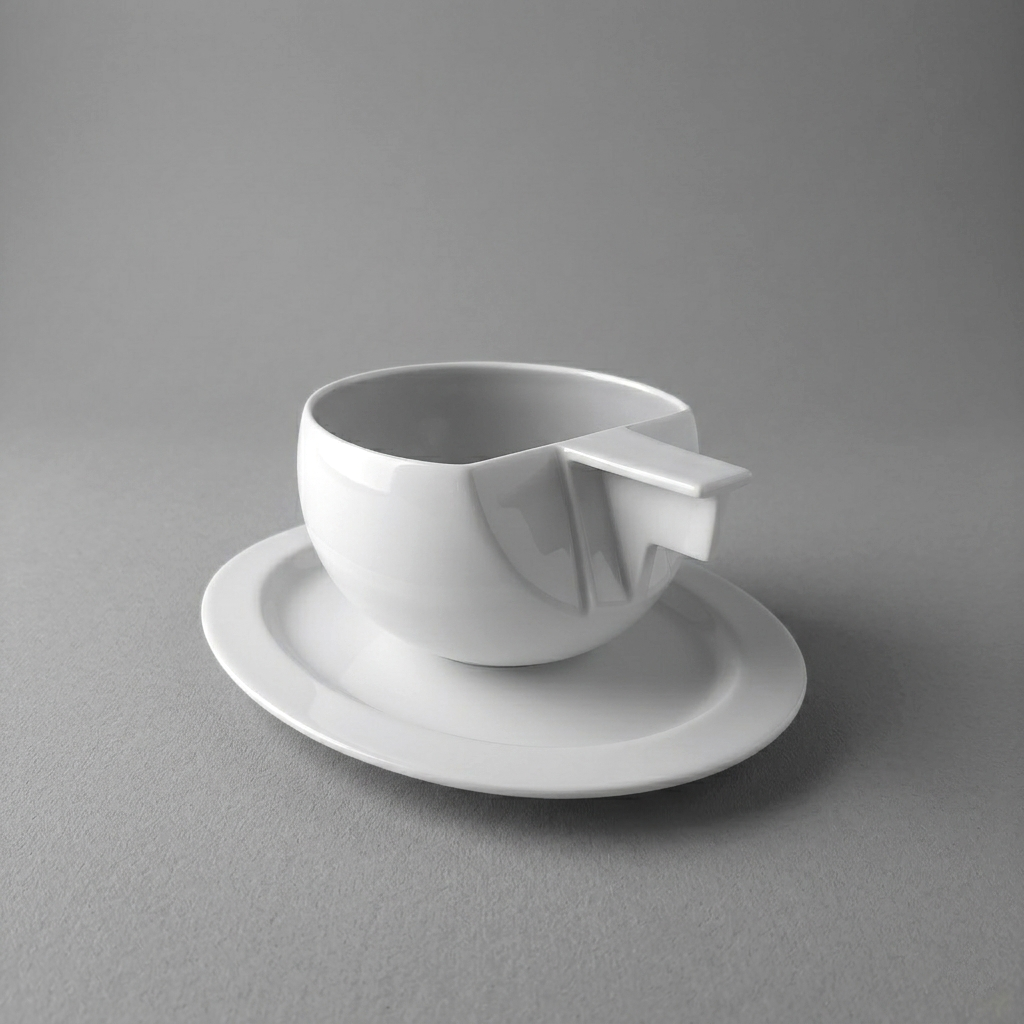
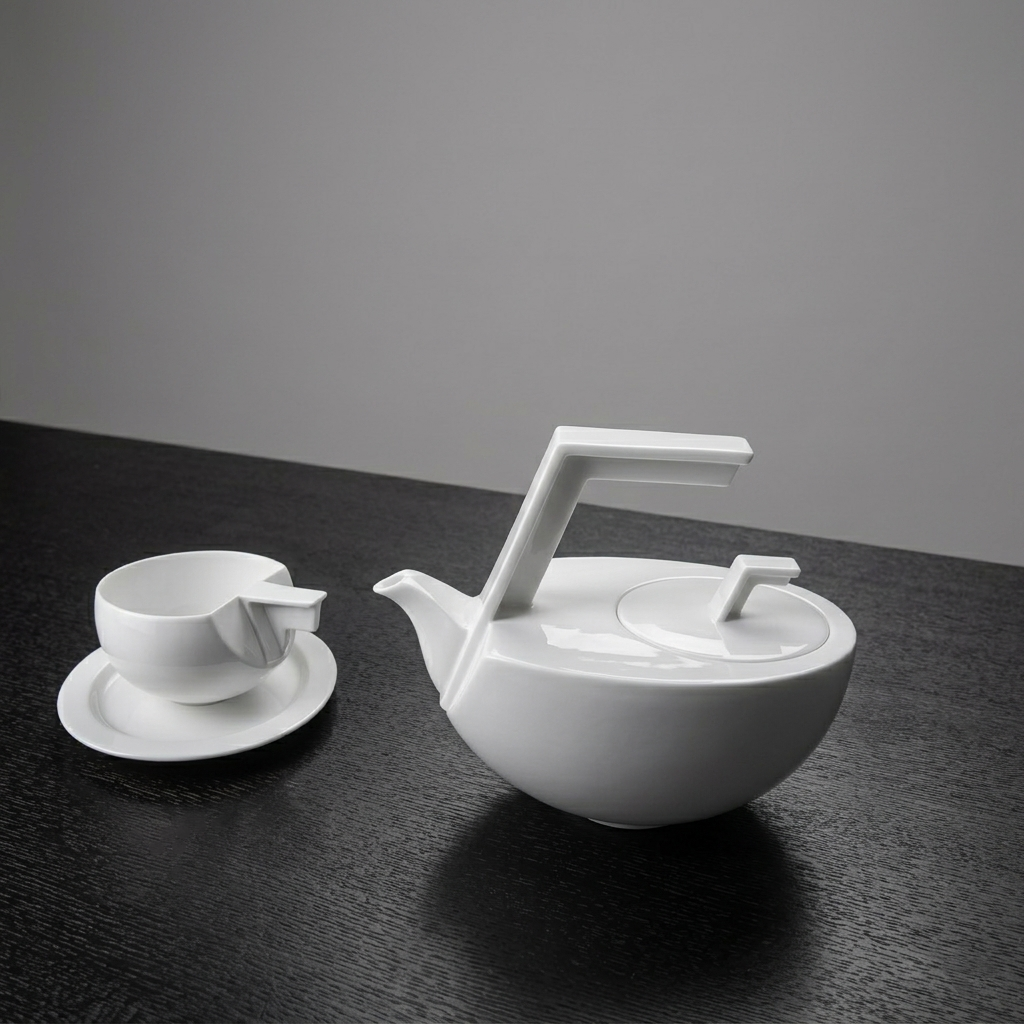
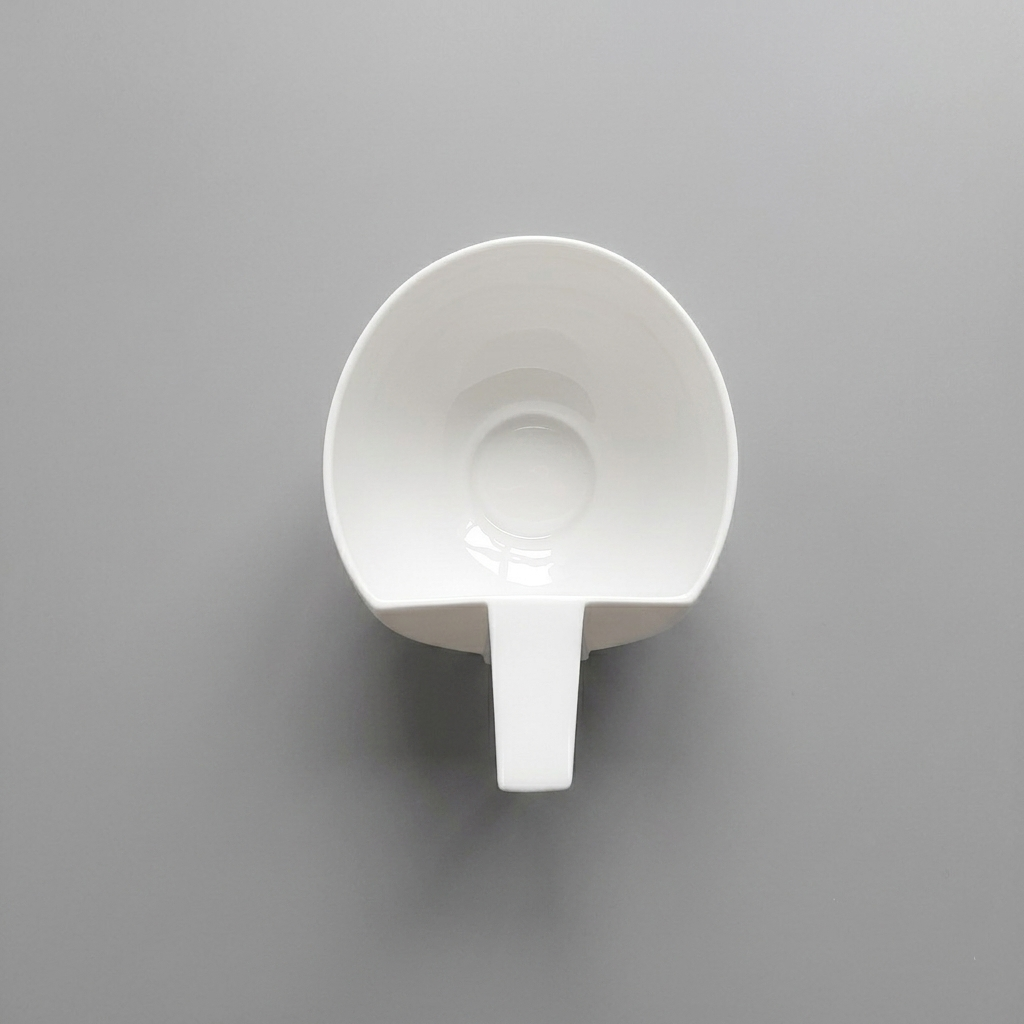
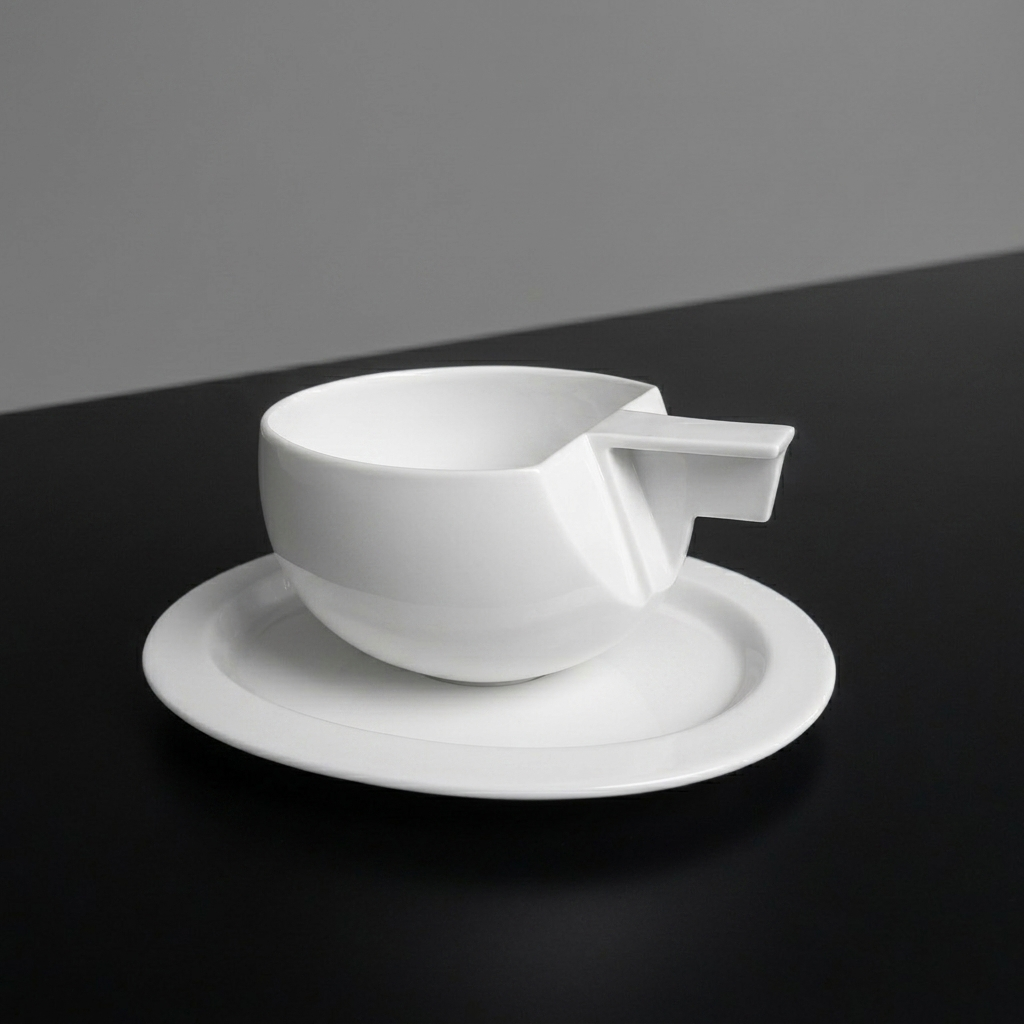
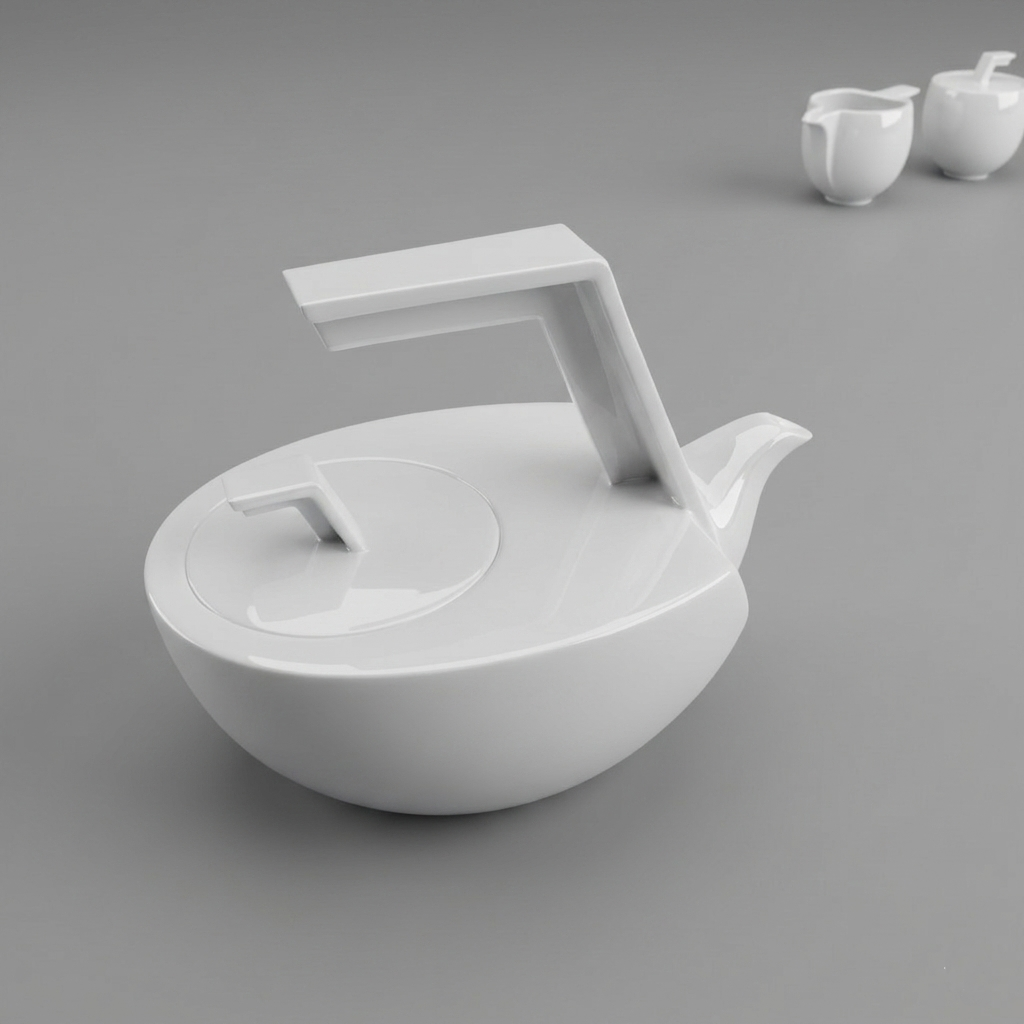
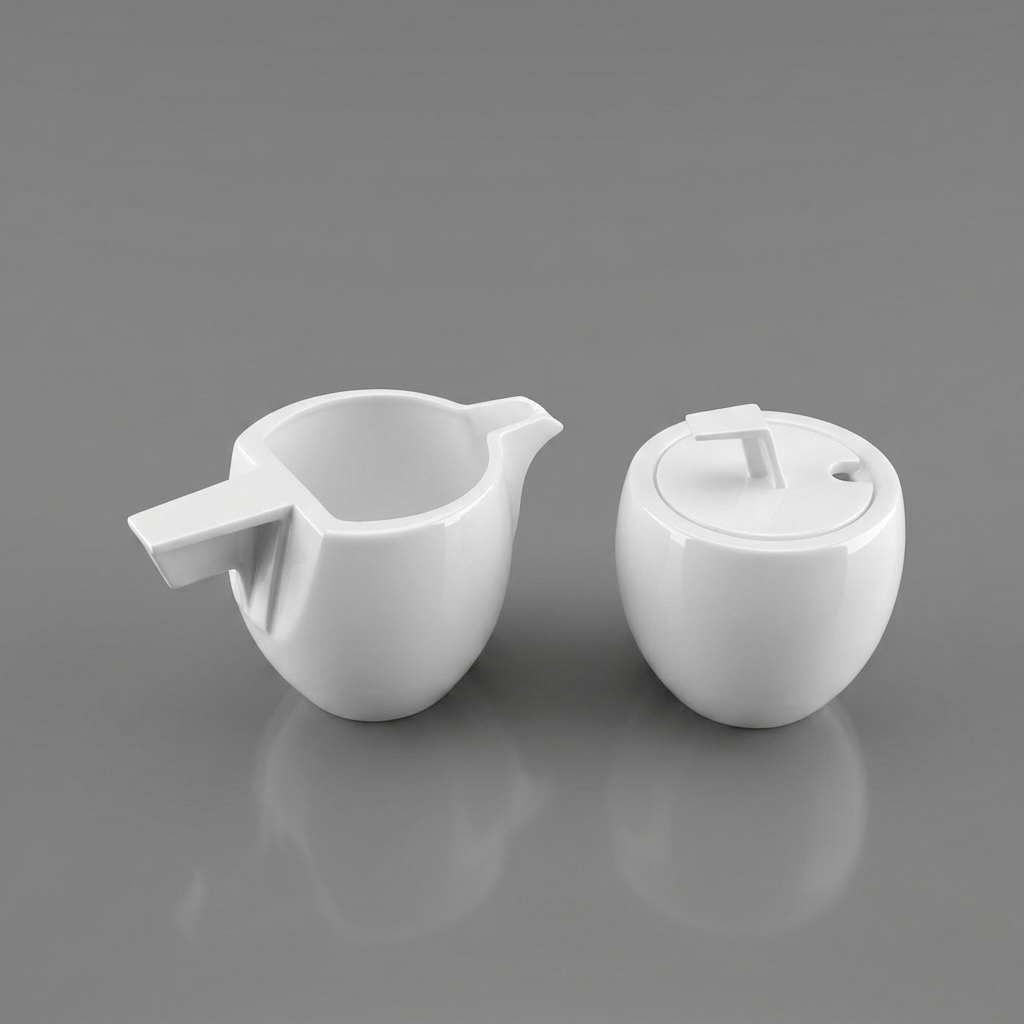
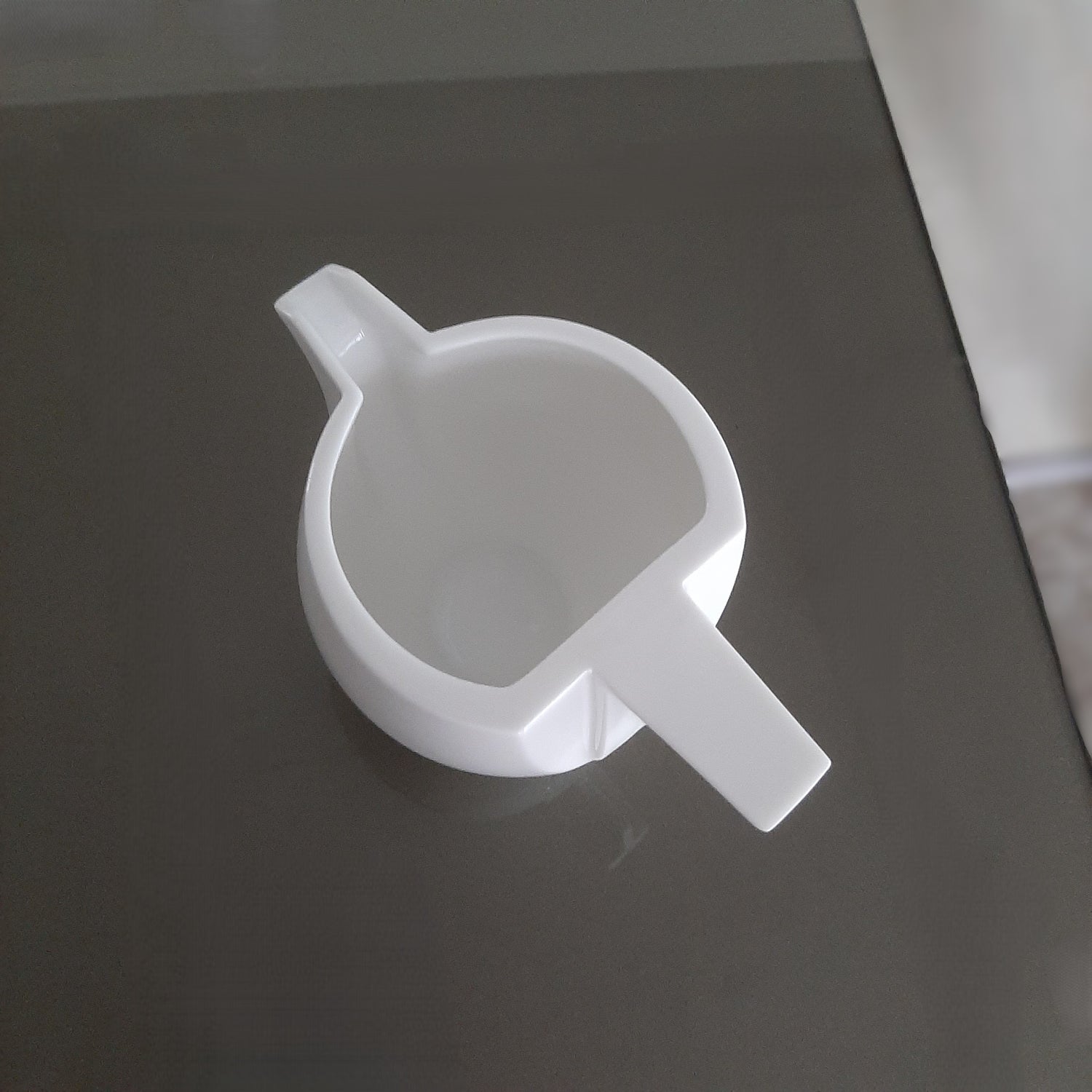
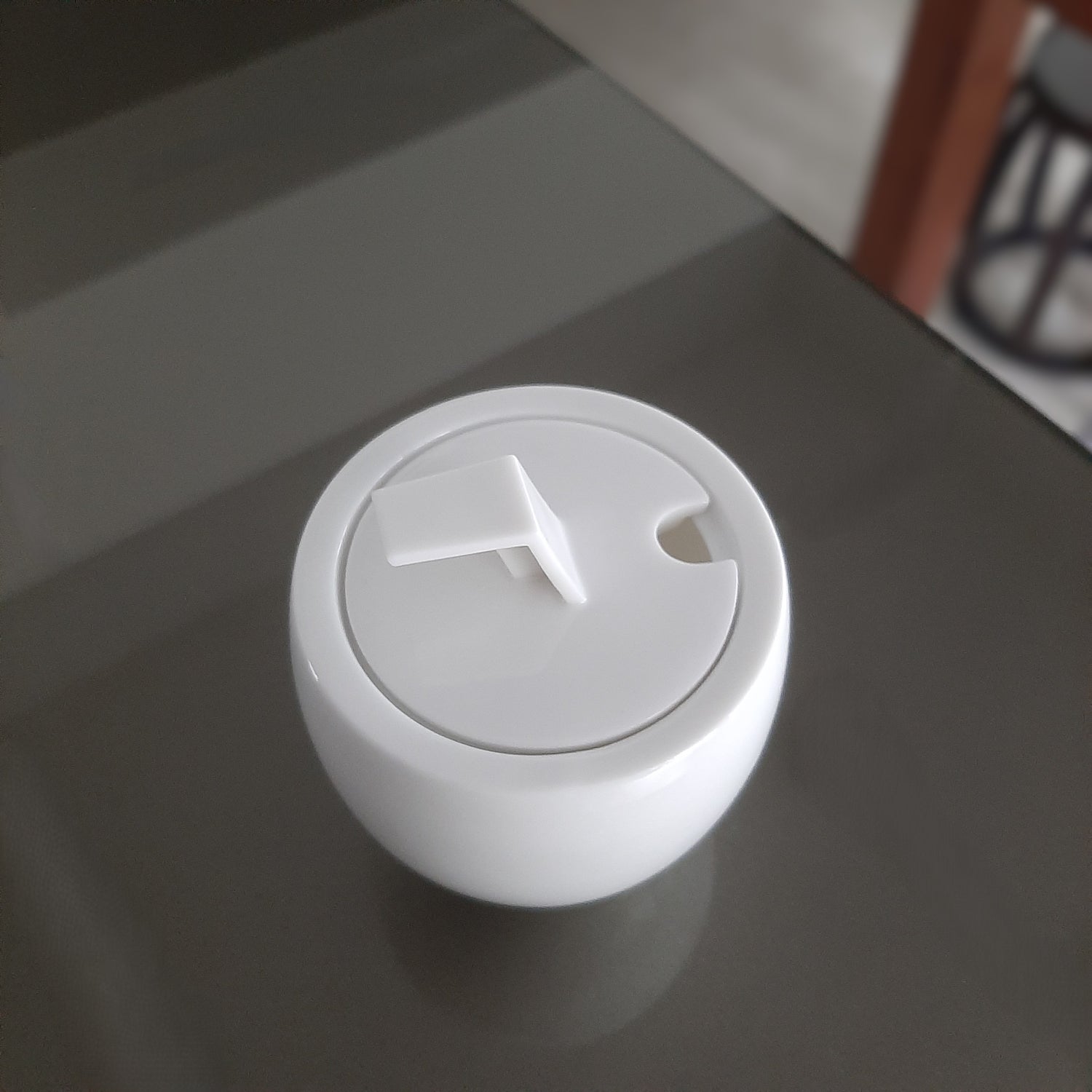
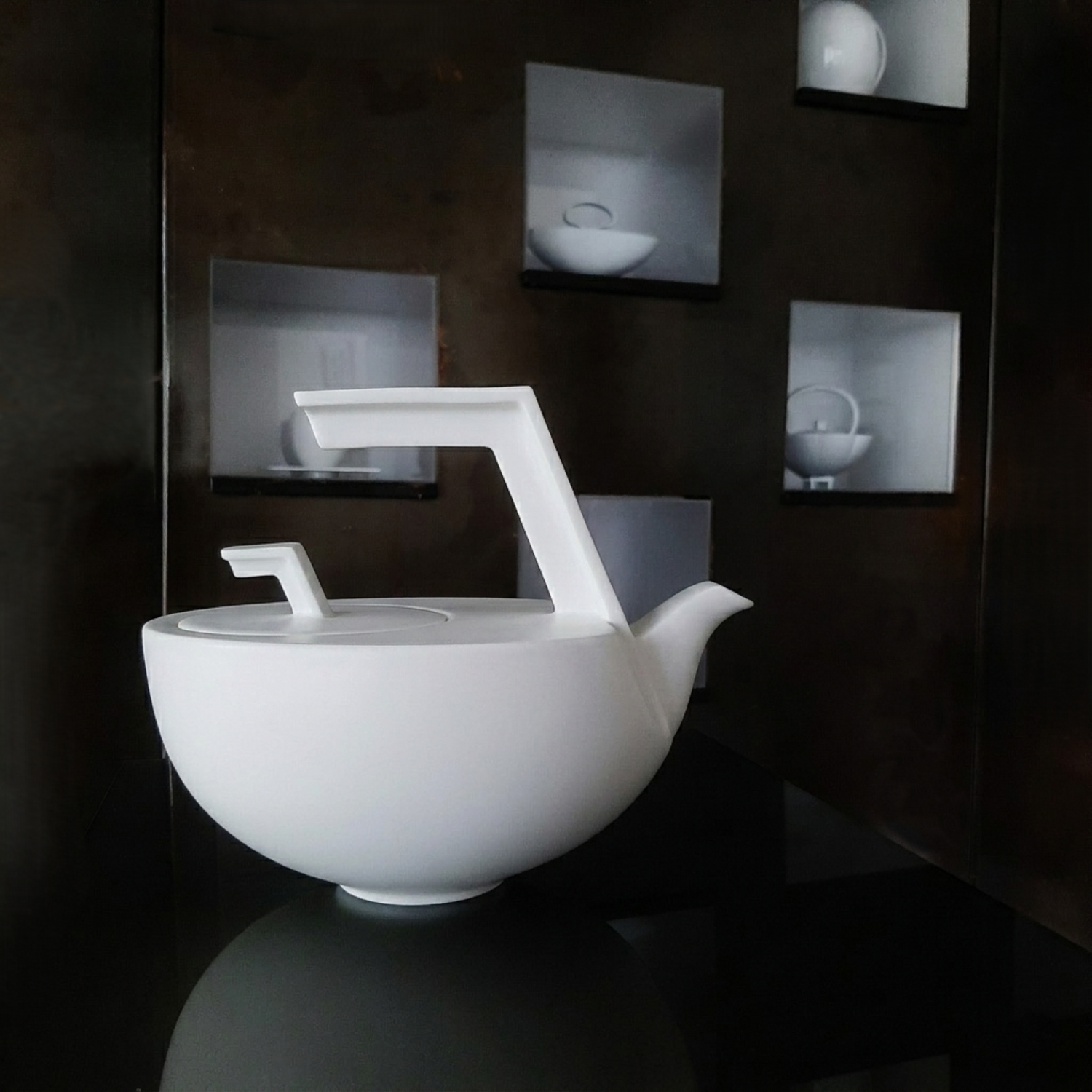
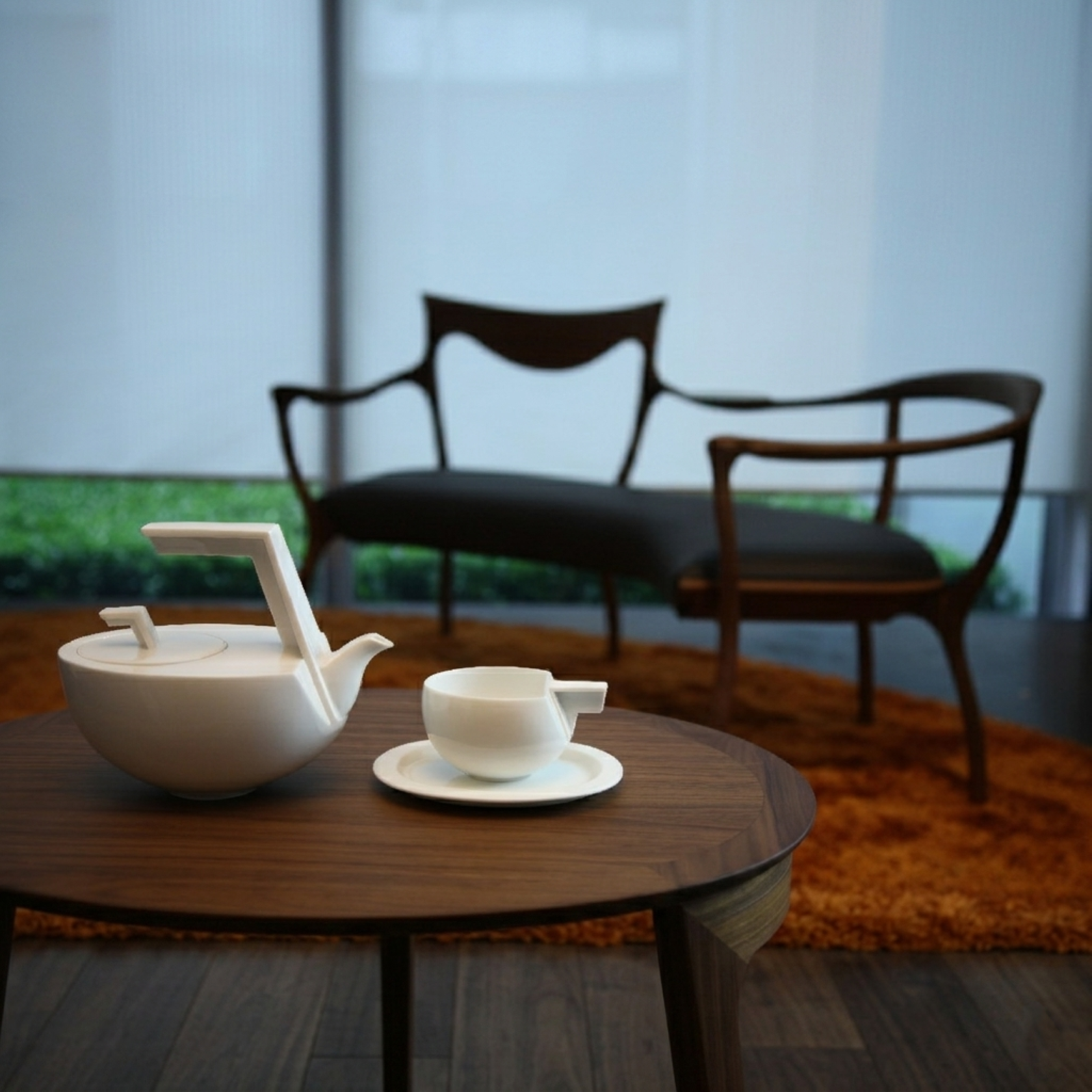
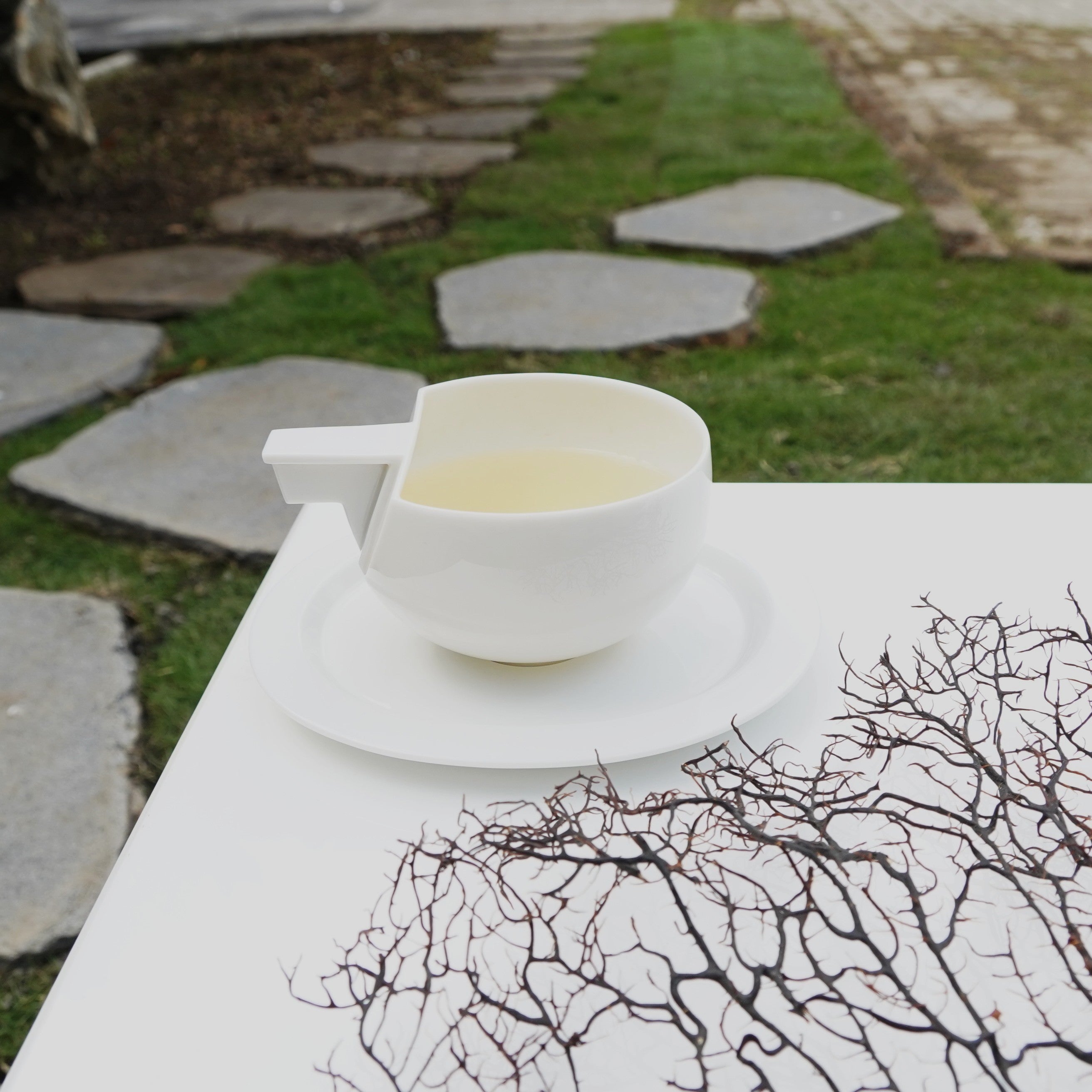
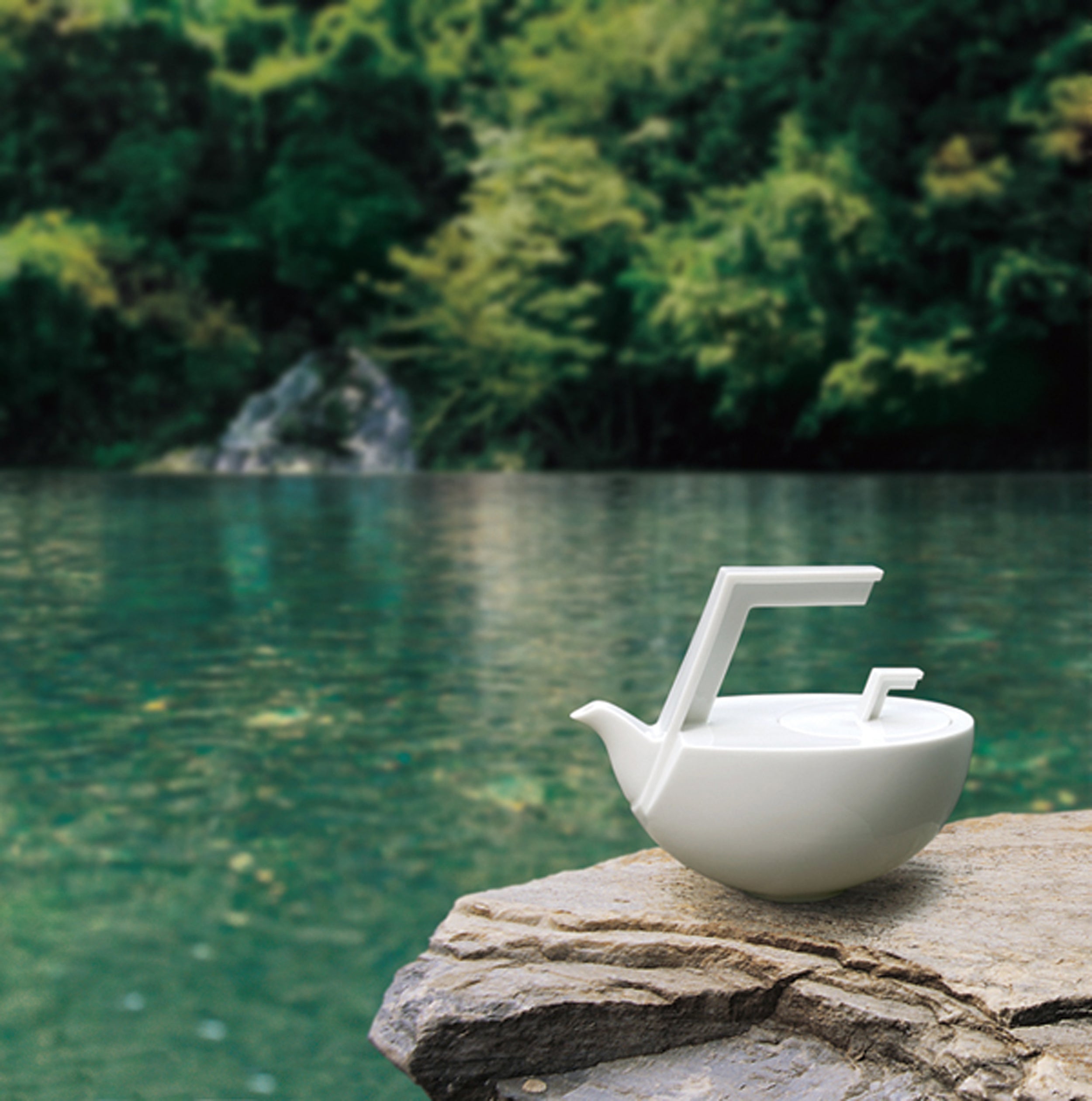
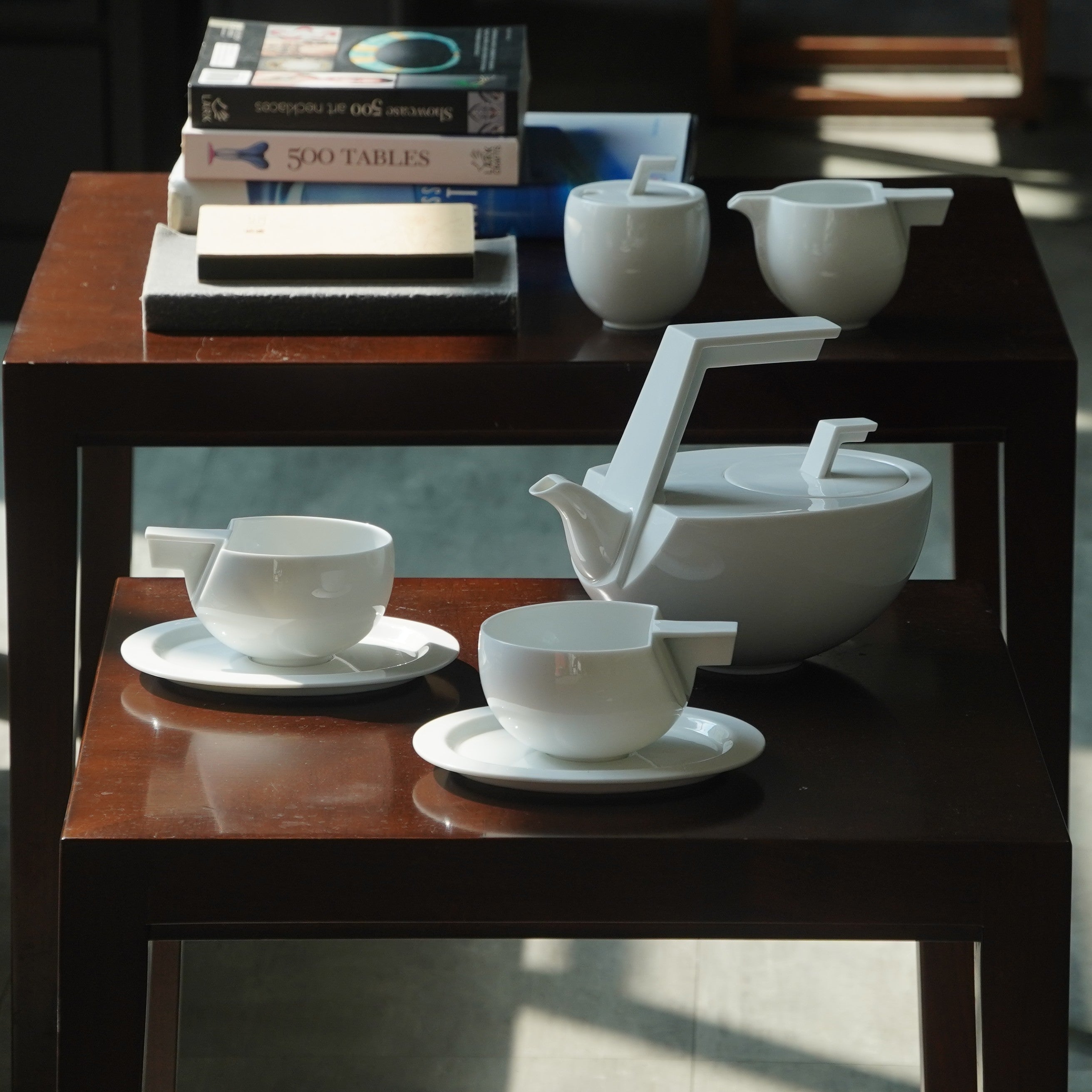
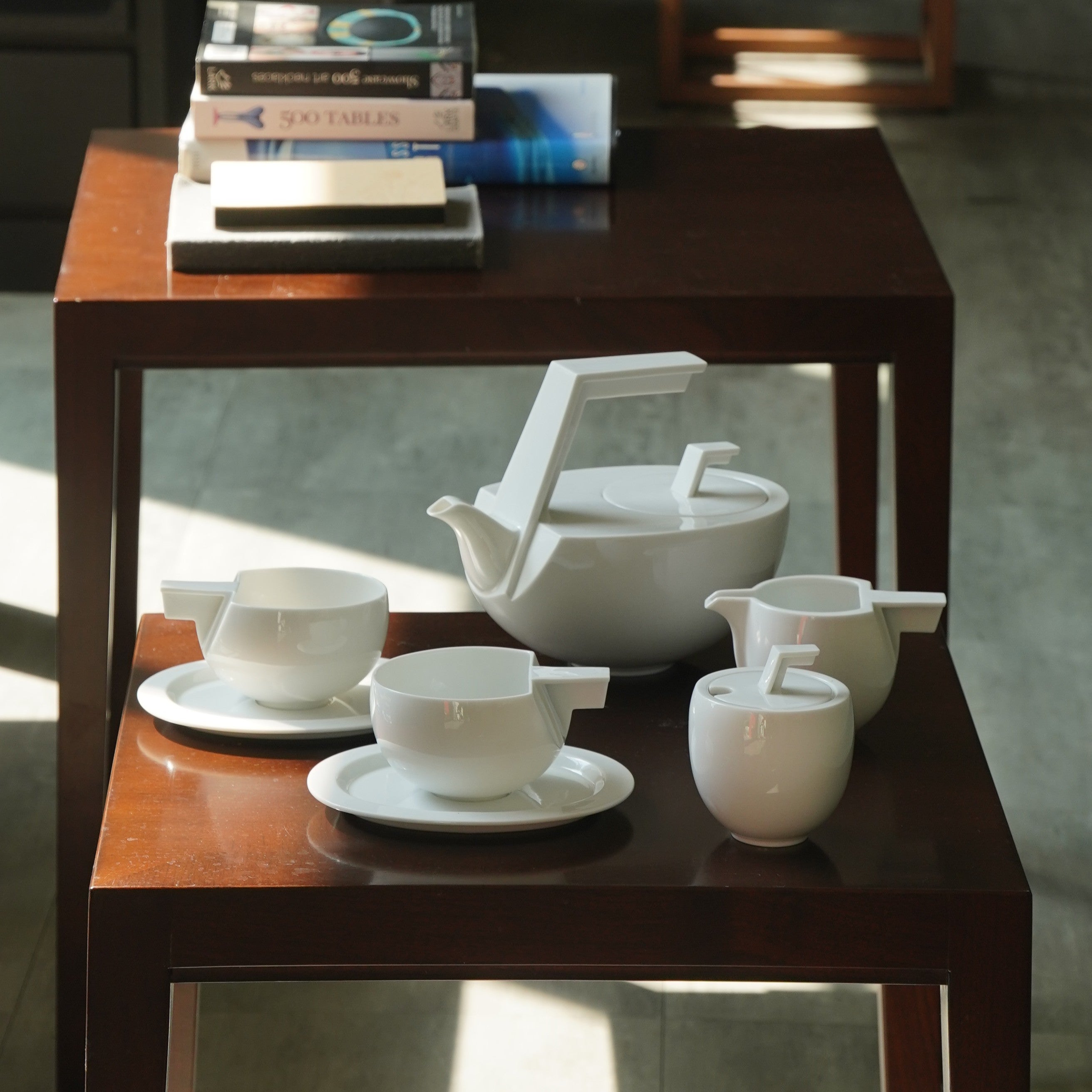
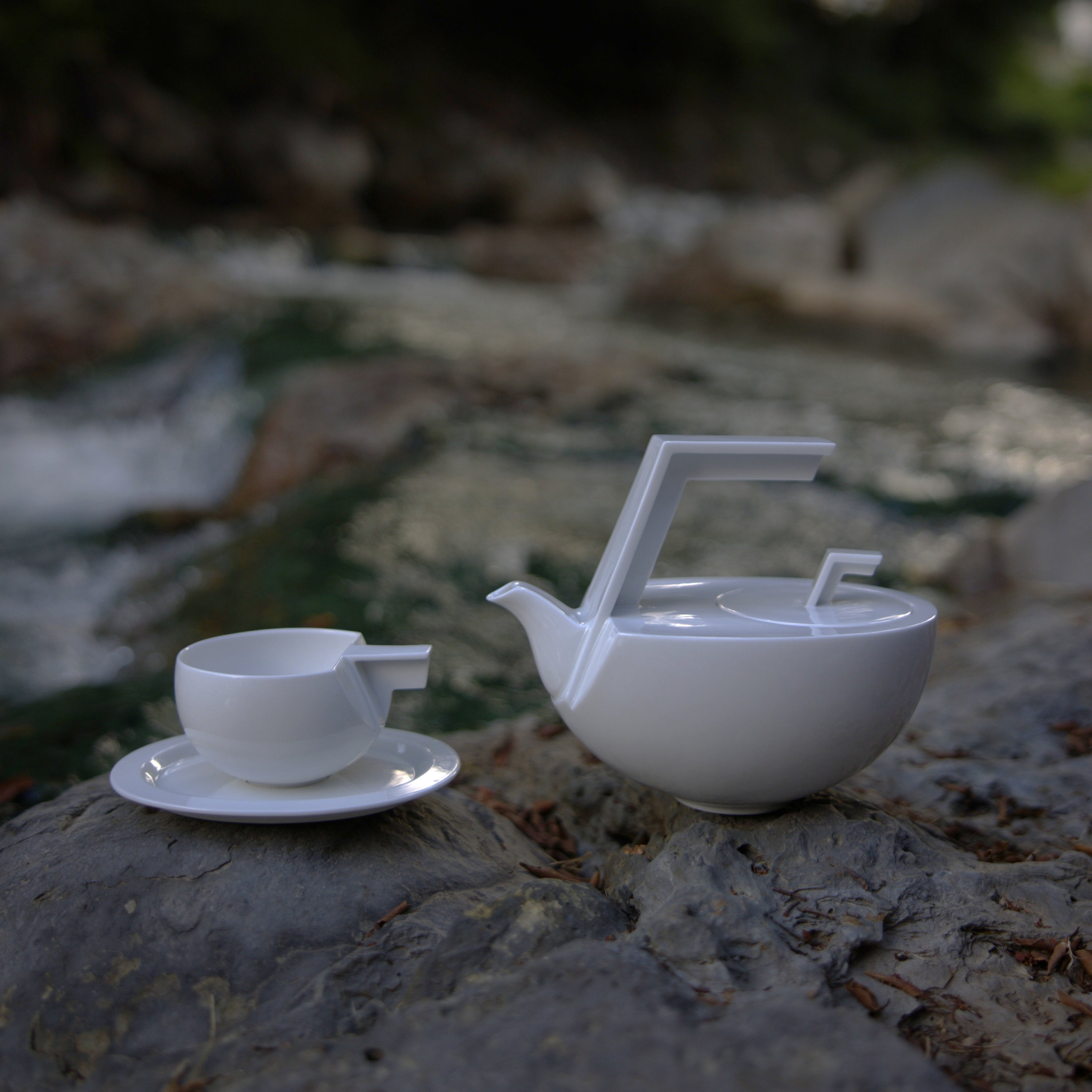
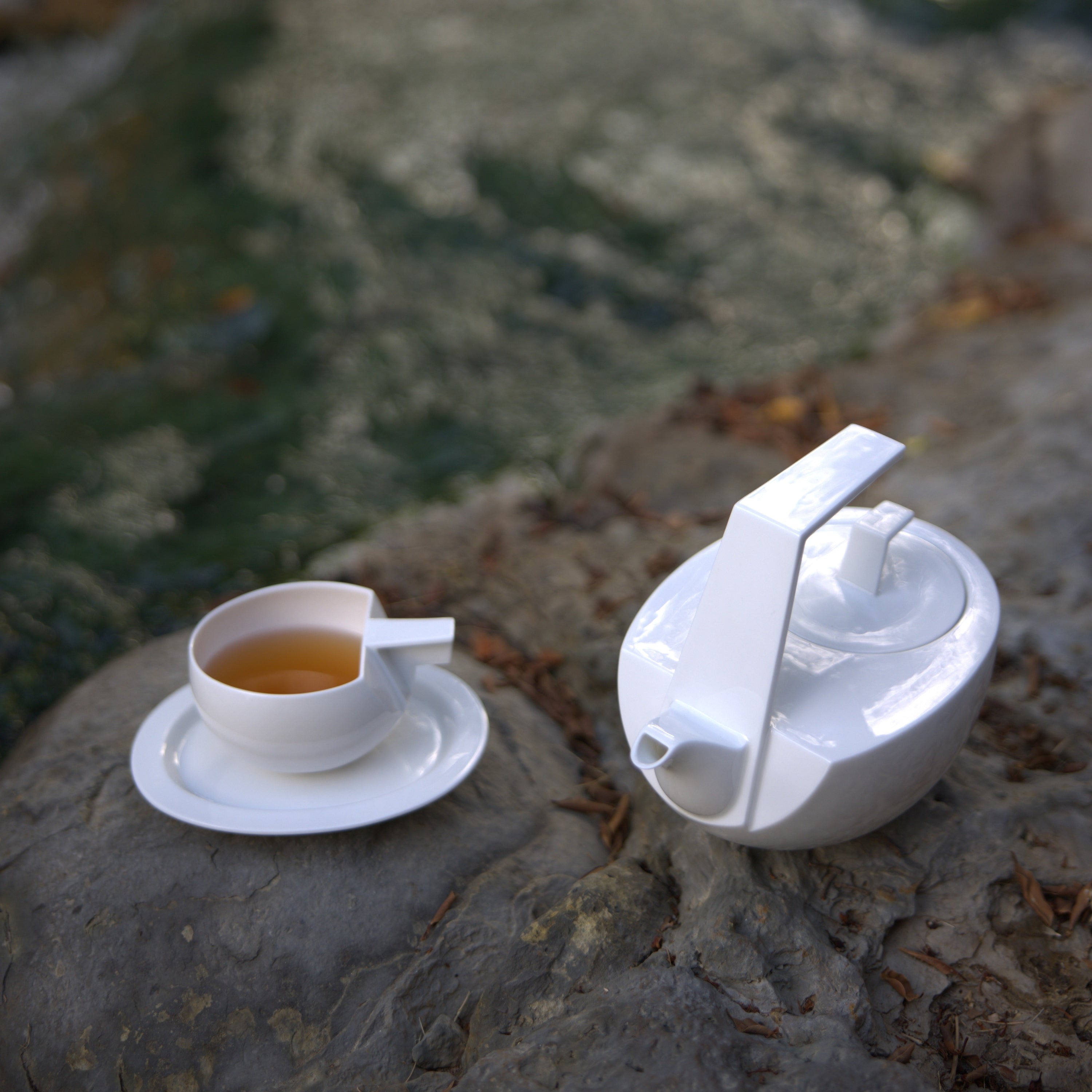
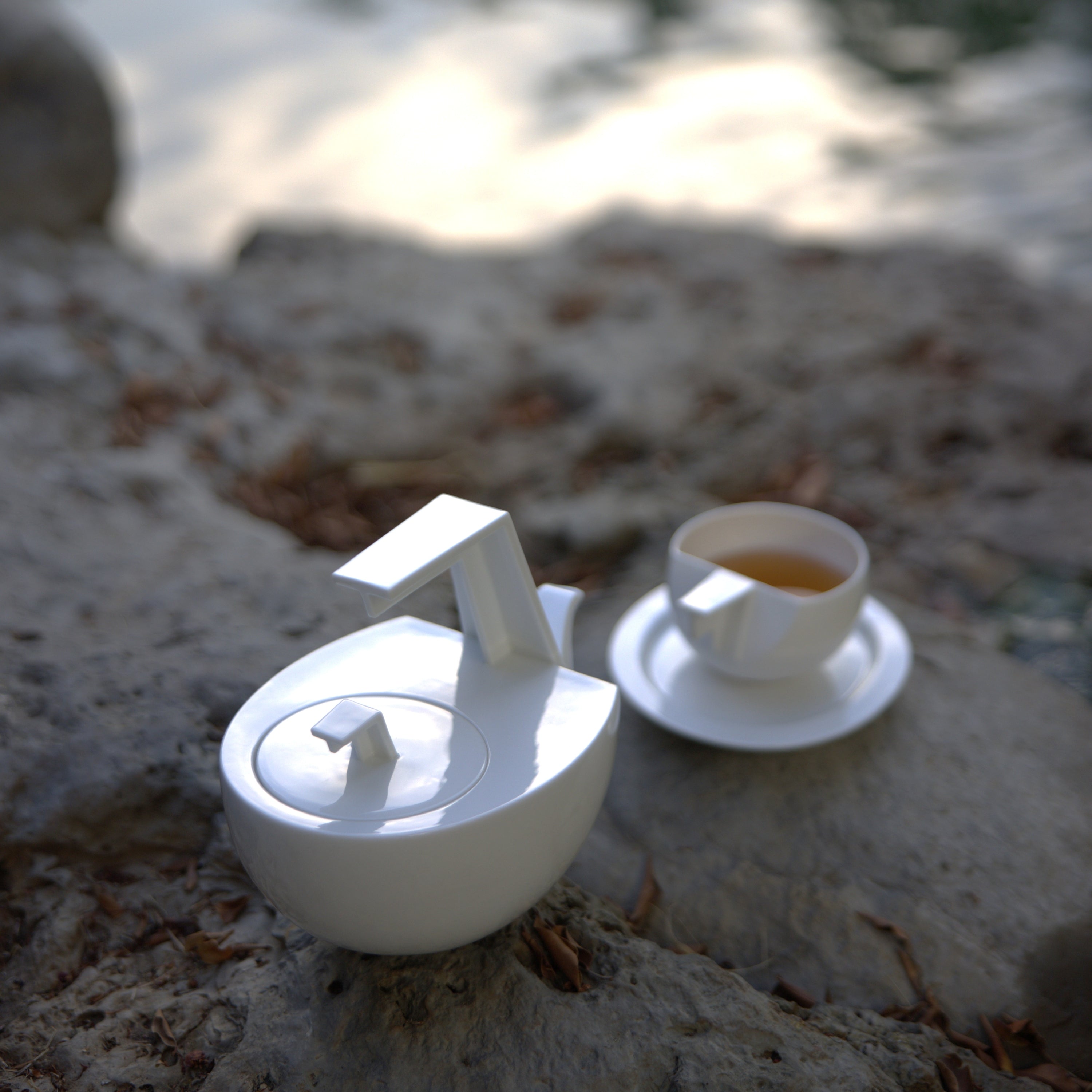
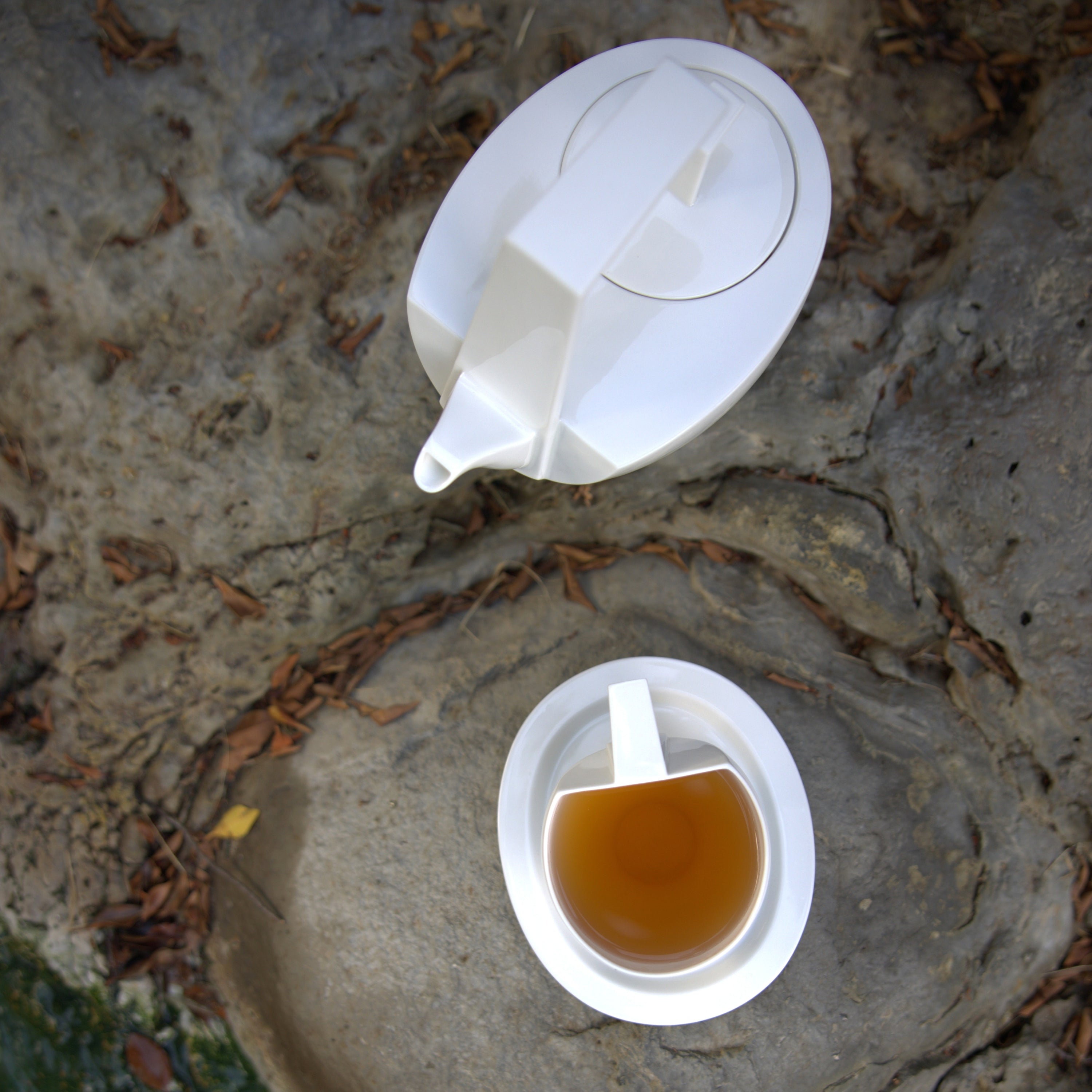
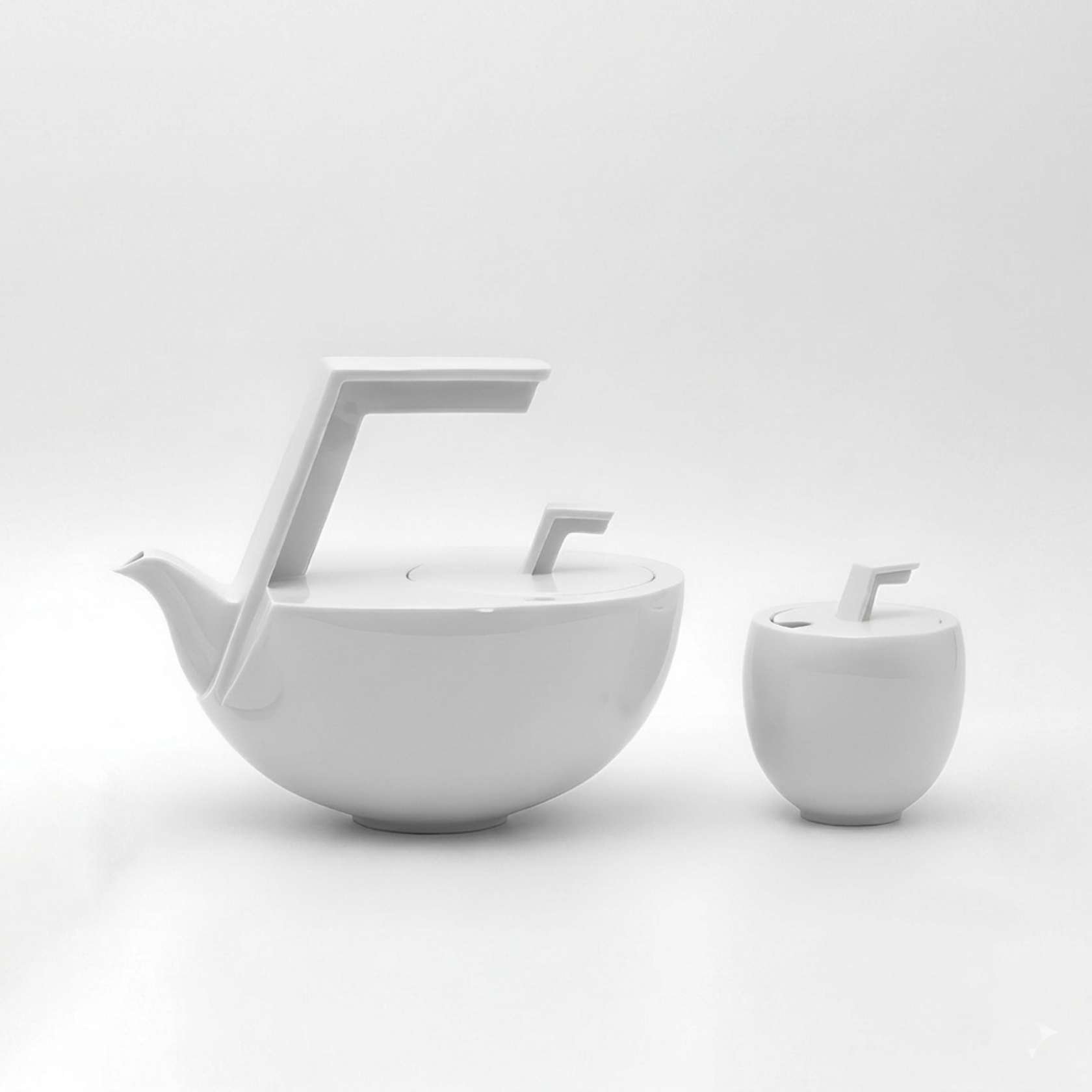
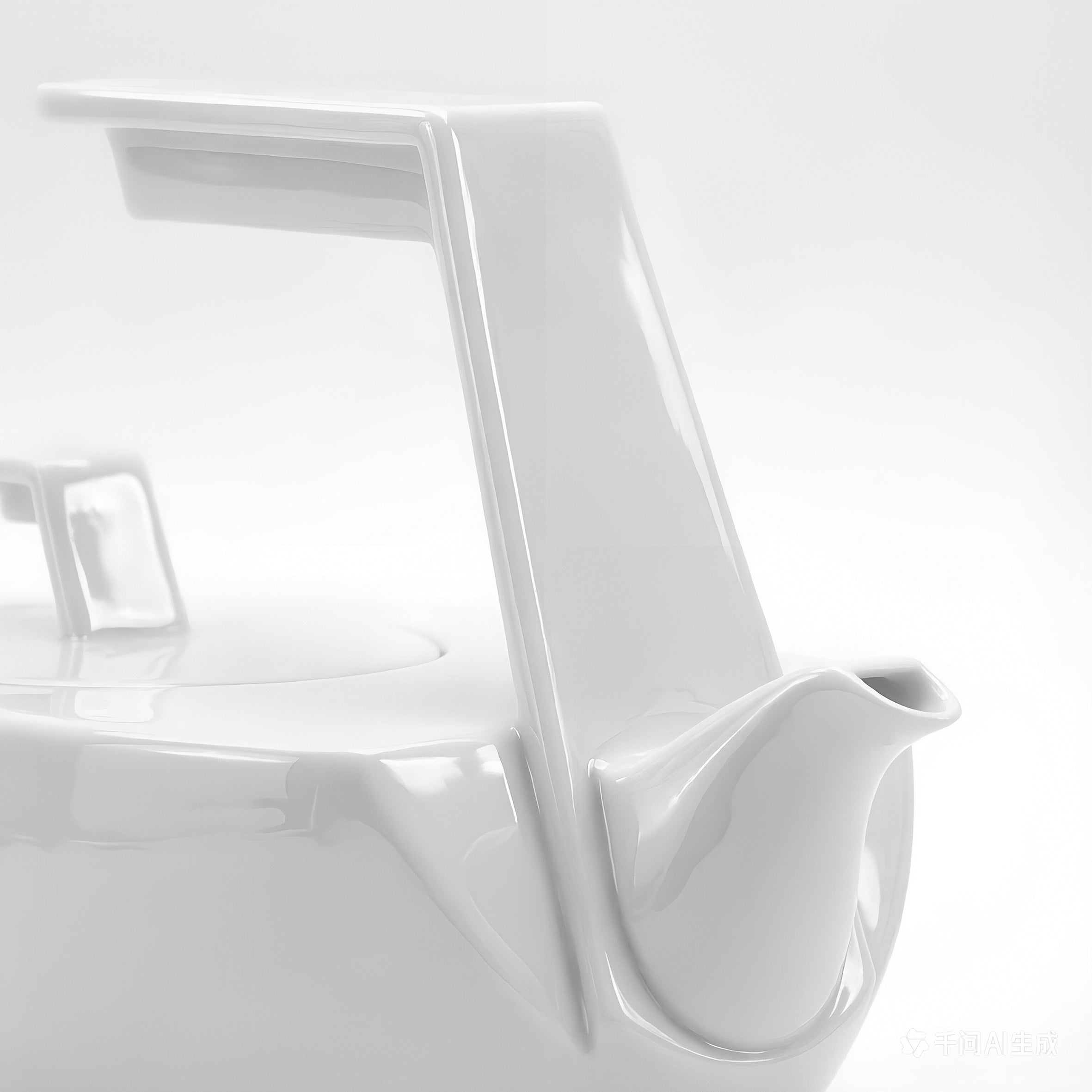
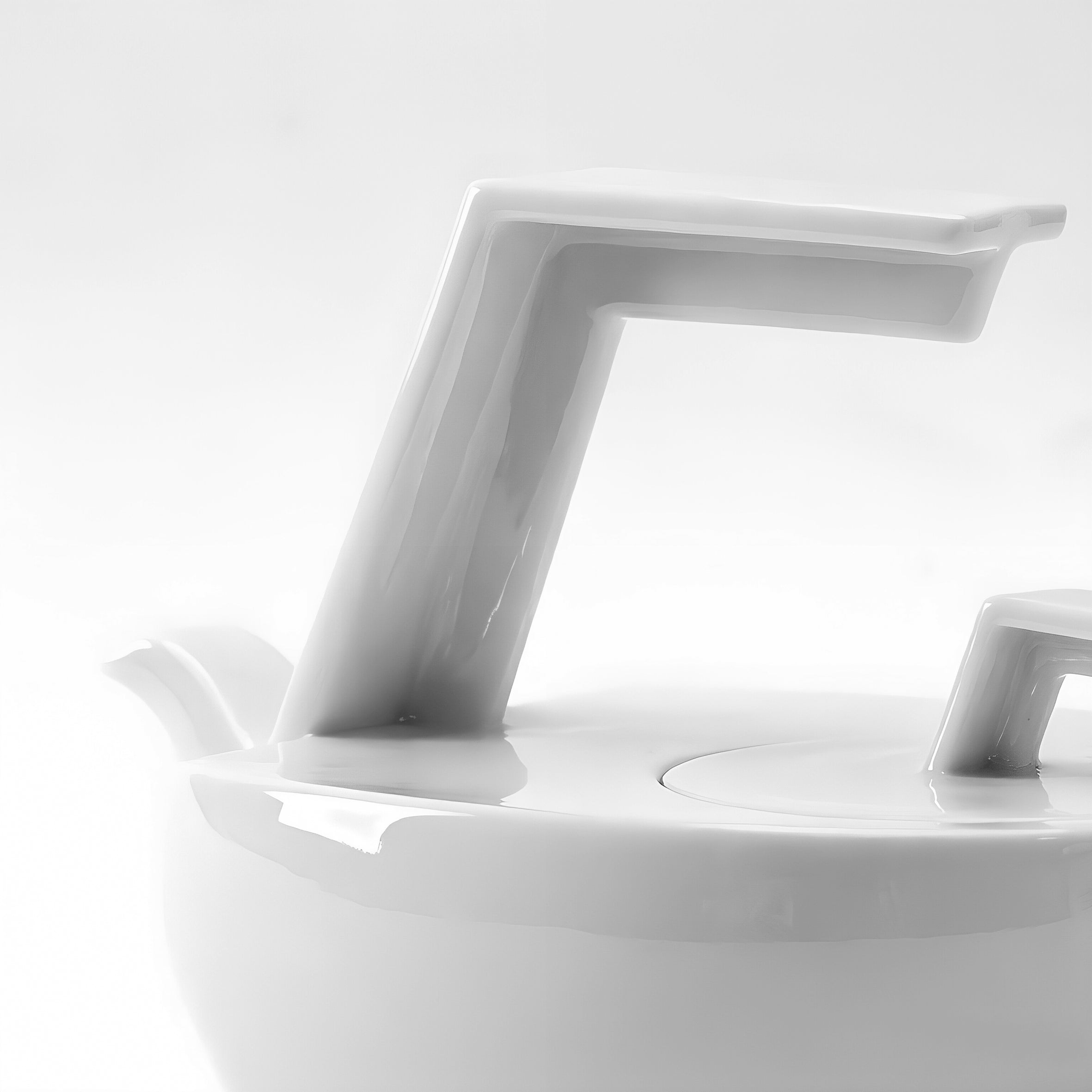
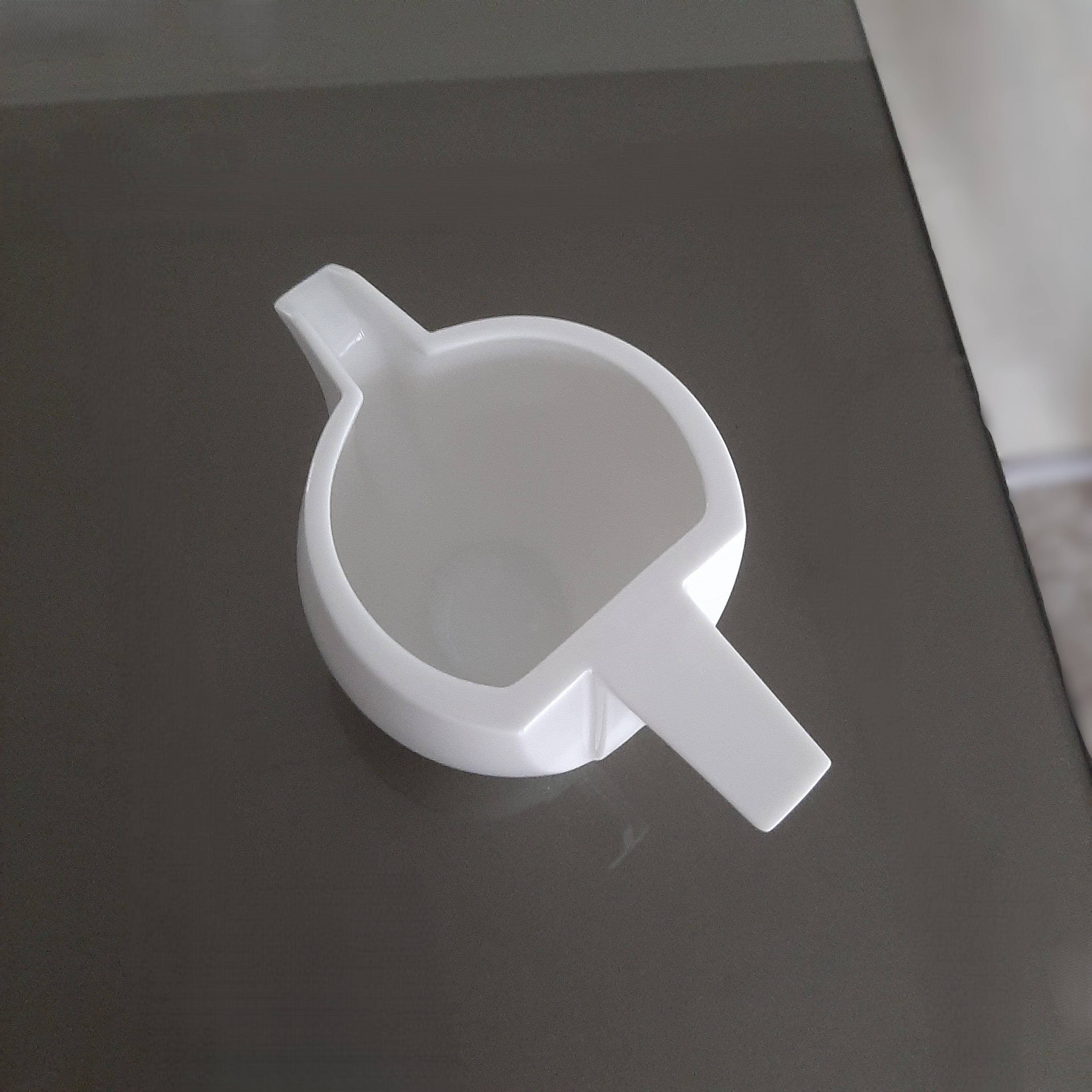
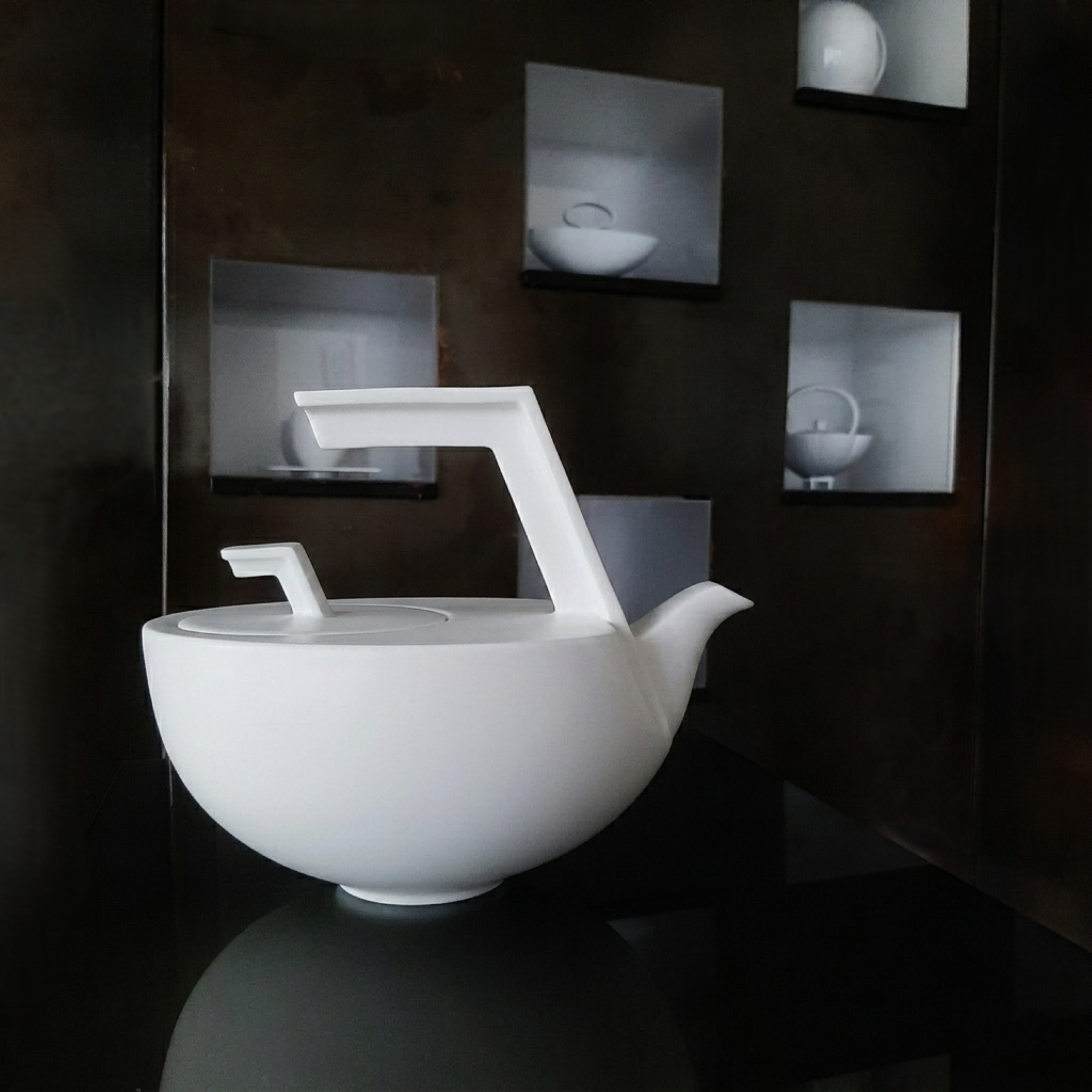
The form of By the Measure of the Sea is built upon a language of minimalist geometry. Clean lines and a clearly defined structure create a balanced relationship between the handle and the spout, unfolding outward like a sail catching the wind or a vessel breaking through the waves. Rather than imitating nature, the design abstracts the order of strength—using rational construction to express emotional freedom.
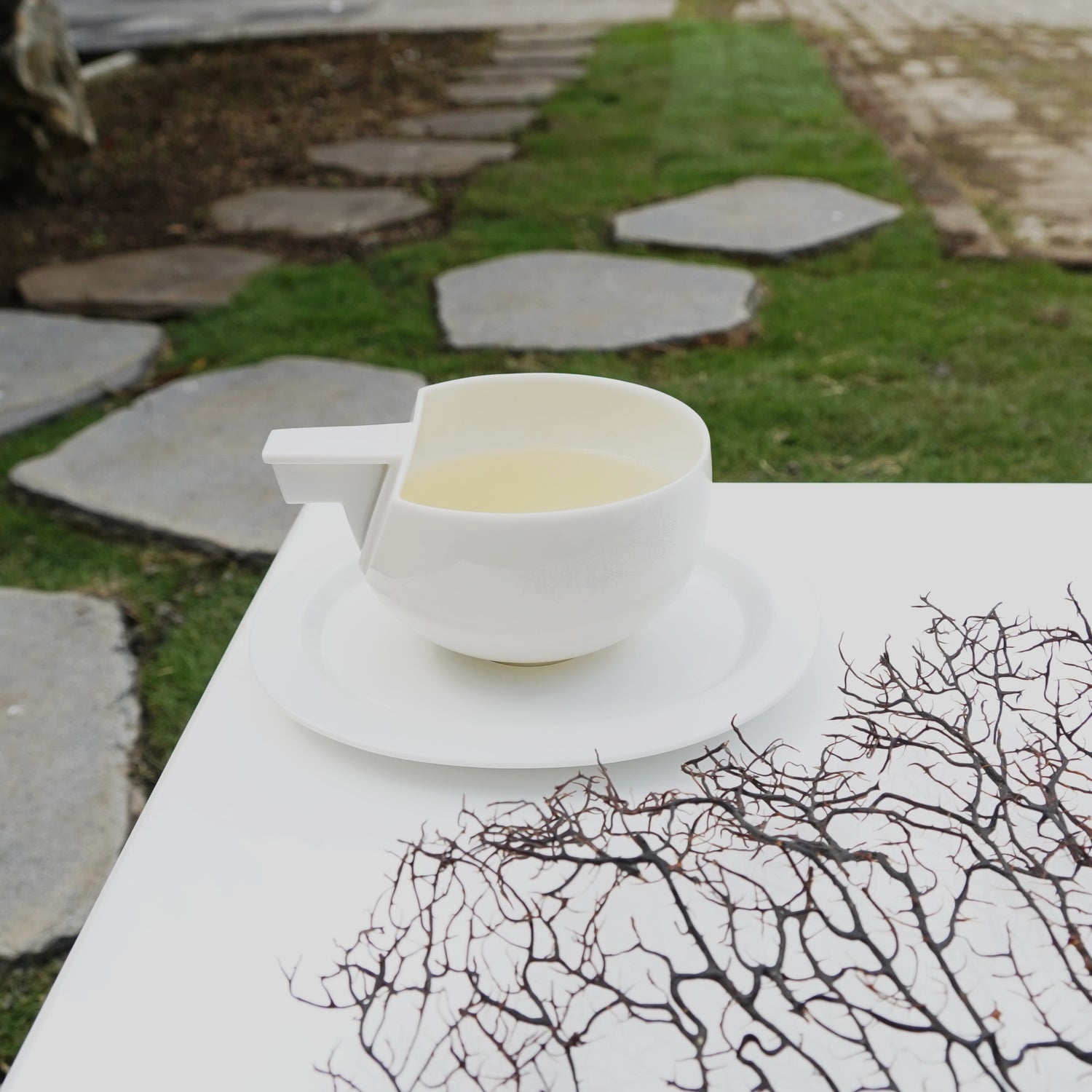
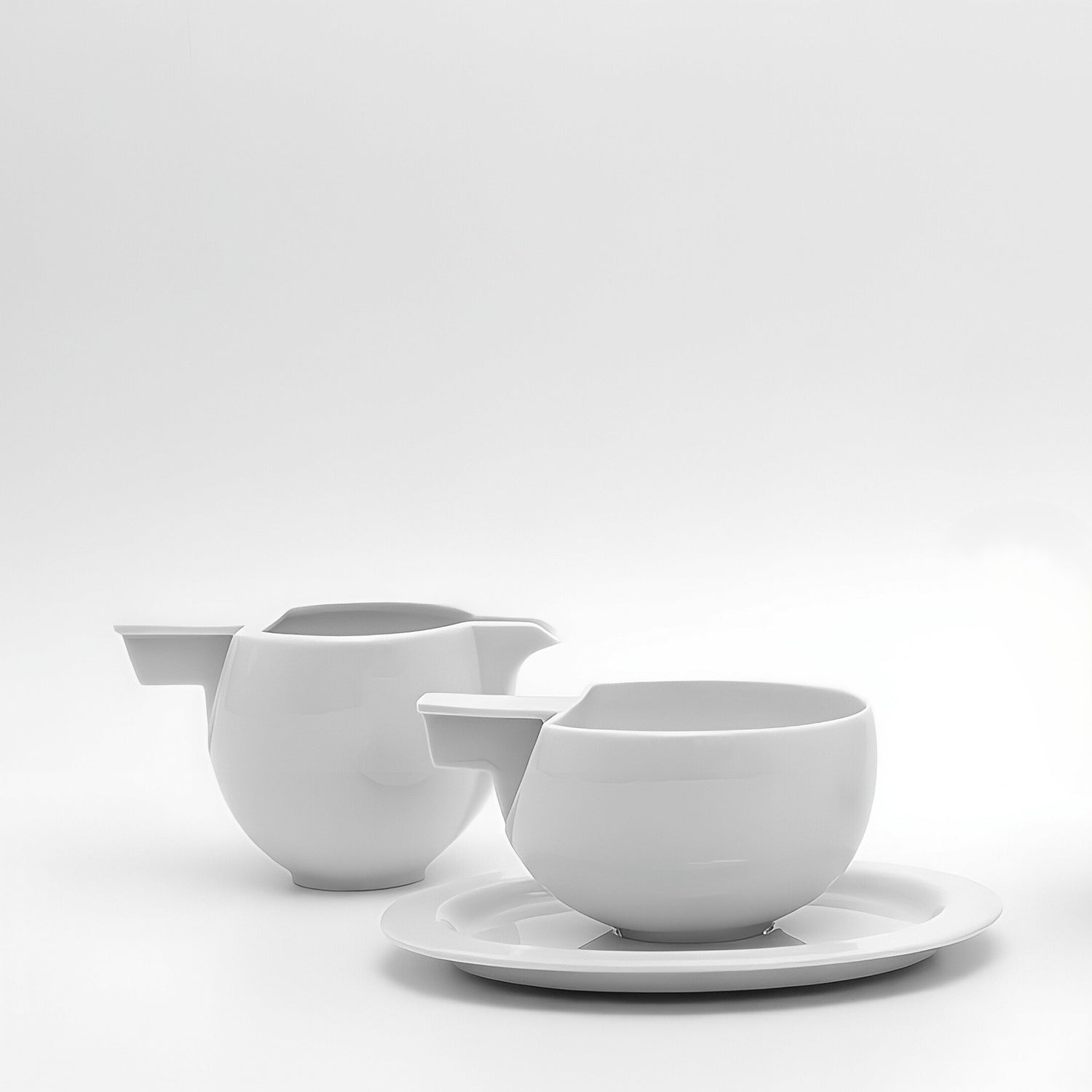
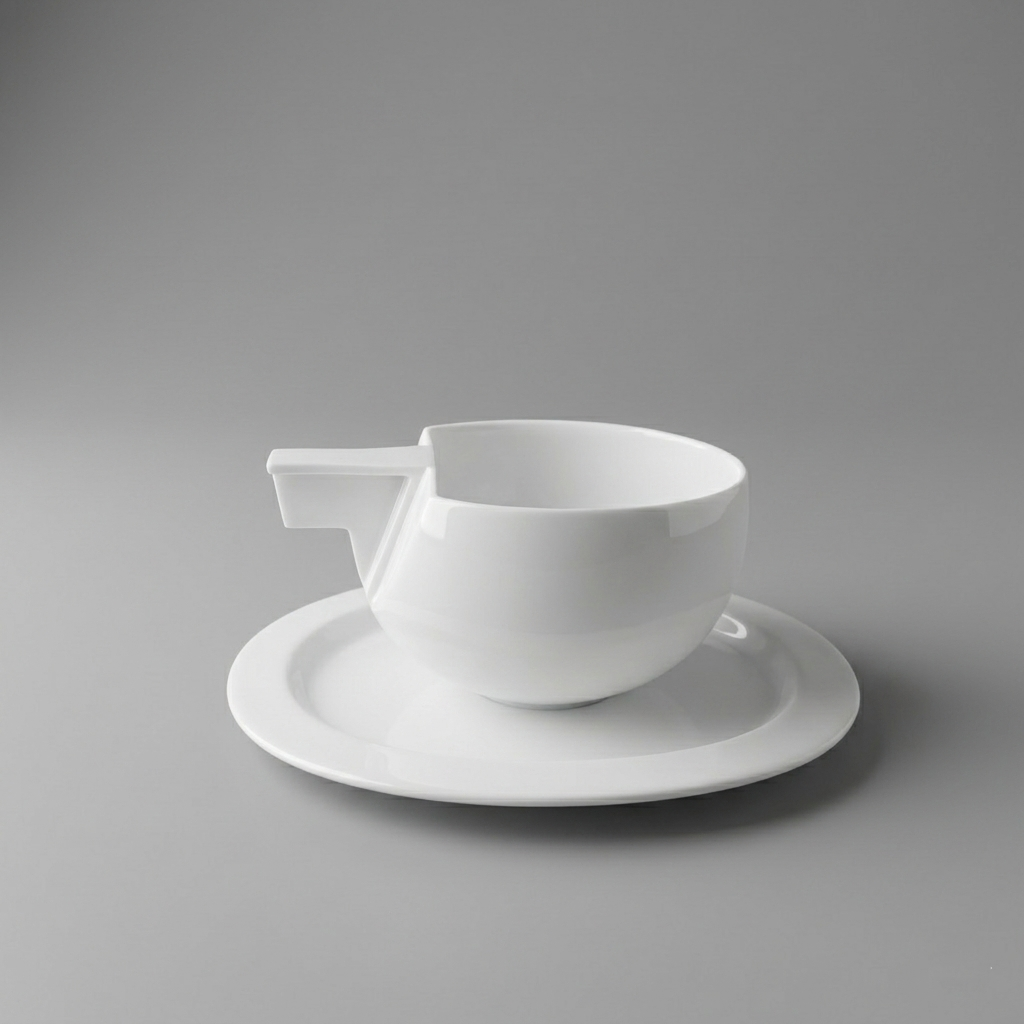
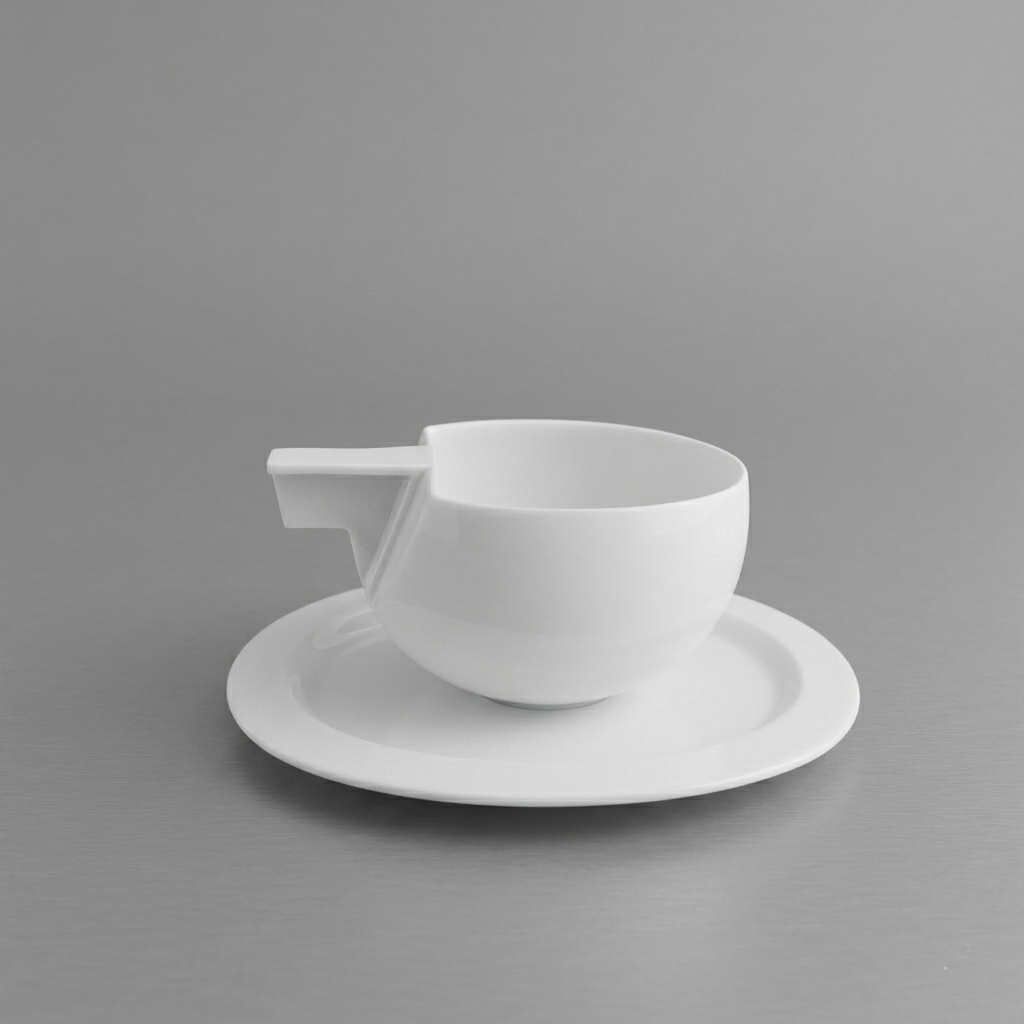
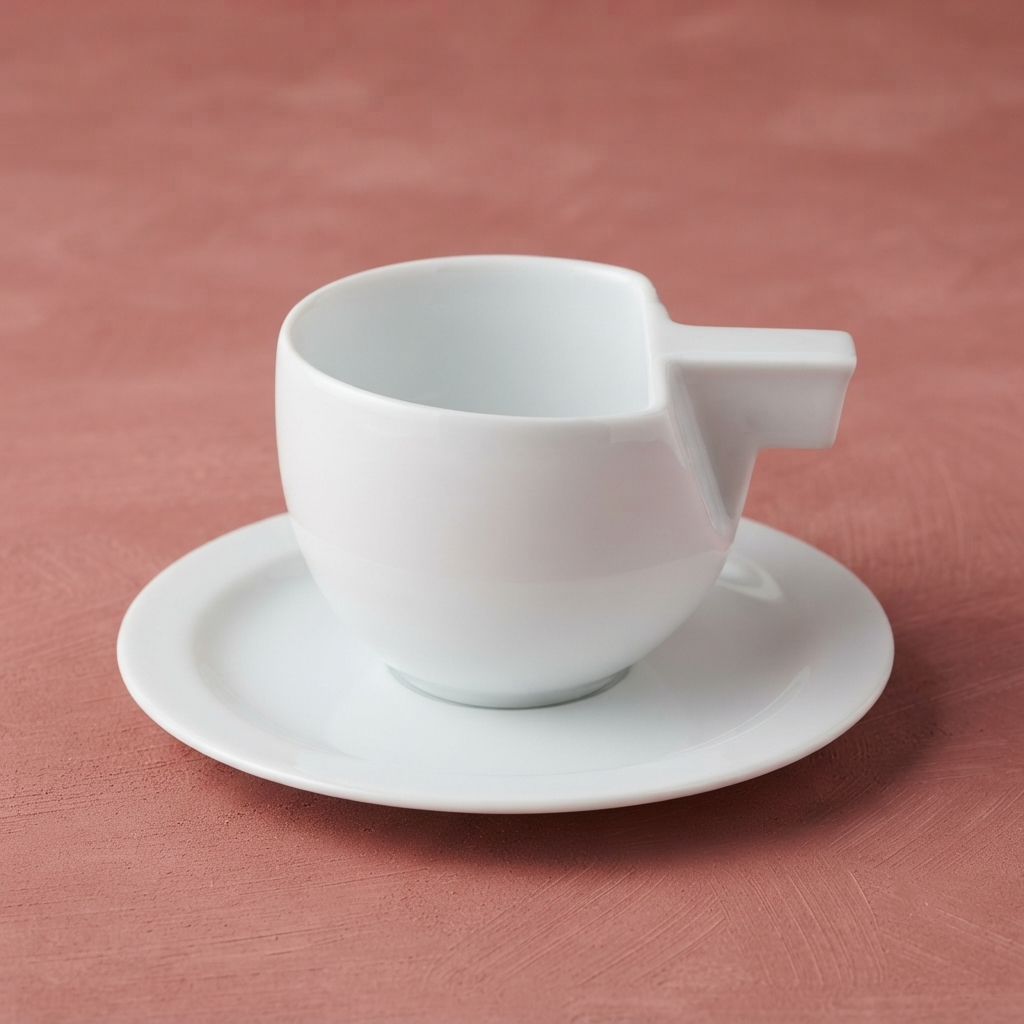
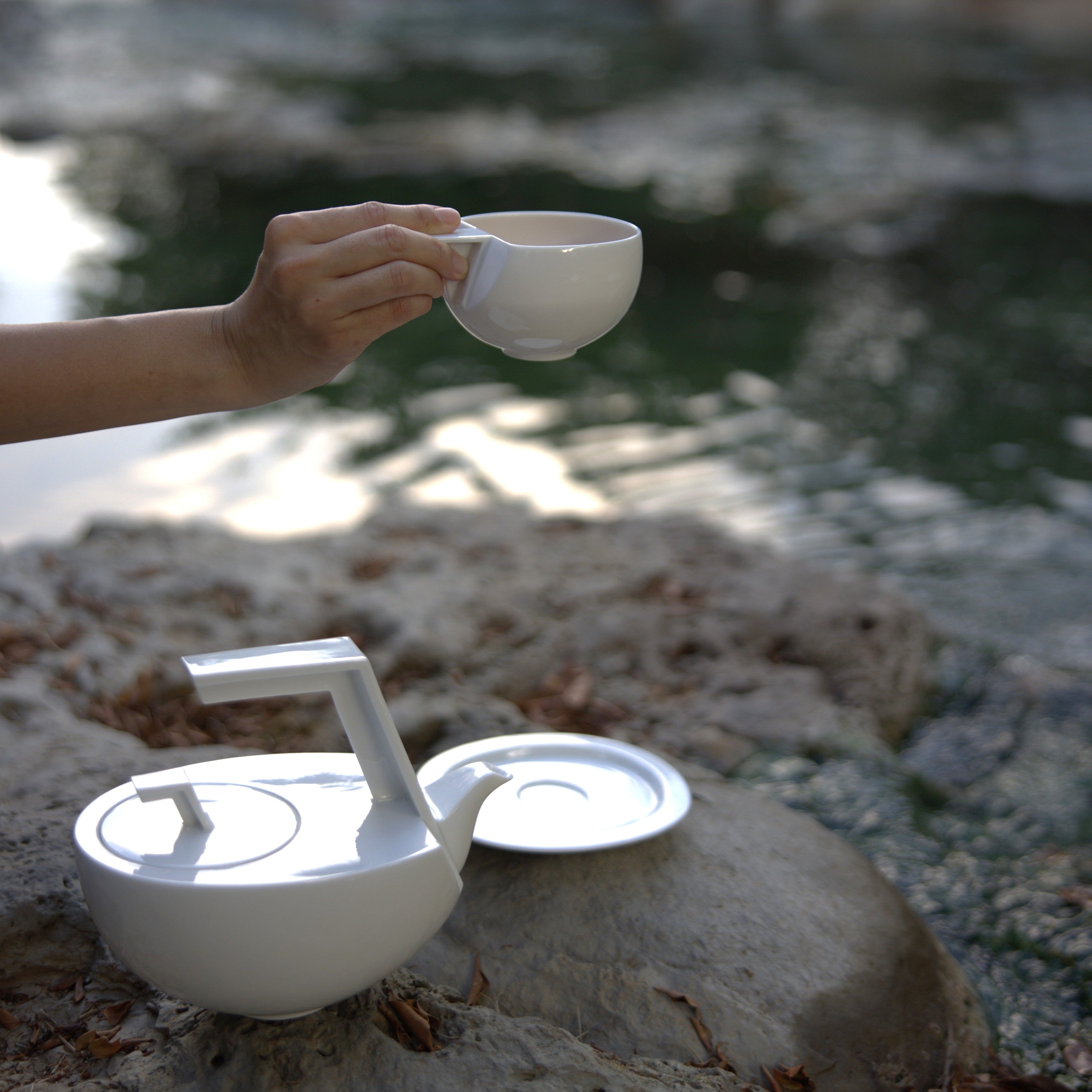
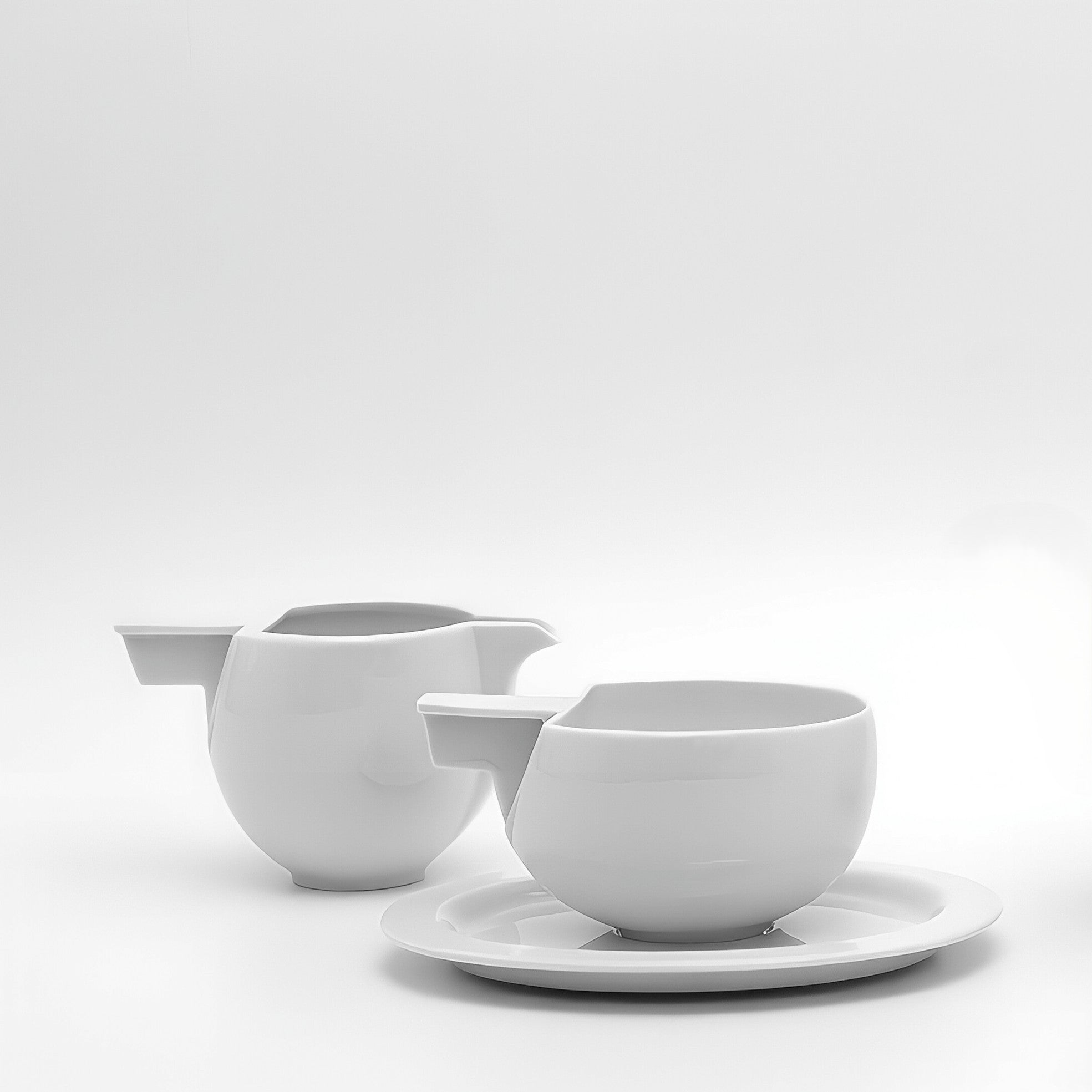
The teapot and cups share an interplay of vertical and horizontal forms. Firmness gives rise to softness, creating a contemporary presence that is at once stable and fluid.
This “wave-breaking posture” is not intended as dramatic symbolism, but as a quiet metaphor for the human spirit. It speaks of setting forth with purpose—unbound by limitations and unafraid of the unknown. Through restrained geometric transitions, the design suggests the unfolding of intention and the circulation of inner energy. Square and circle, expansion and restraint coexist in harmony, allowing the vessel to embody both disciplined reason and graceful emotion.
This is the essence of By the Measure of the Sea: finding balance between stillness and movement, intellect and feeling, while expressing the confidence and openness of the contemporary tea drinker.
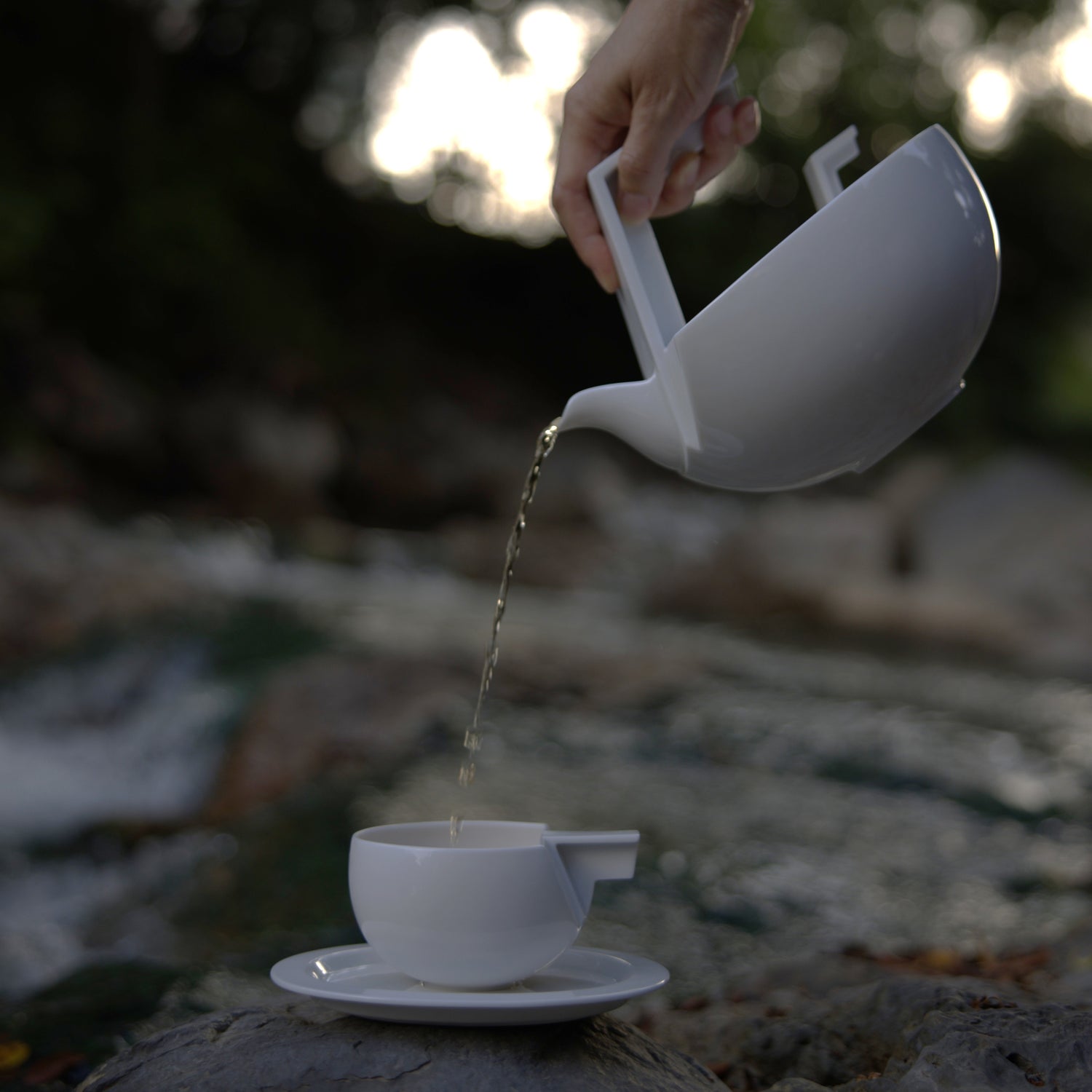
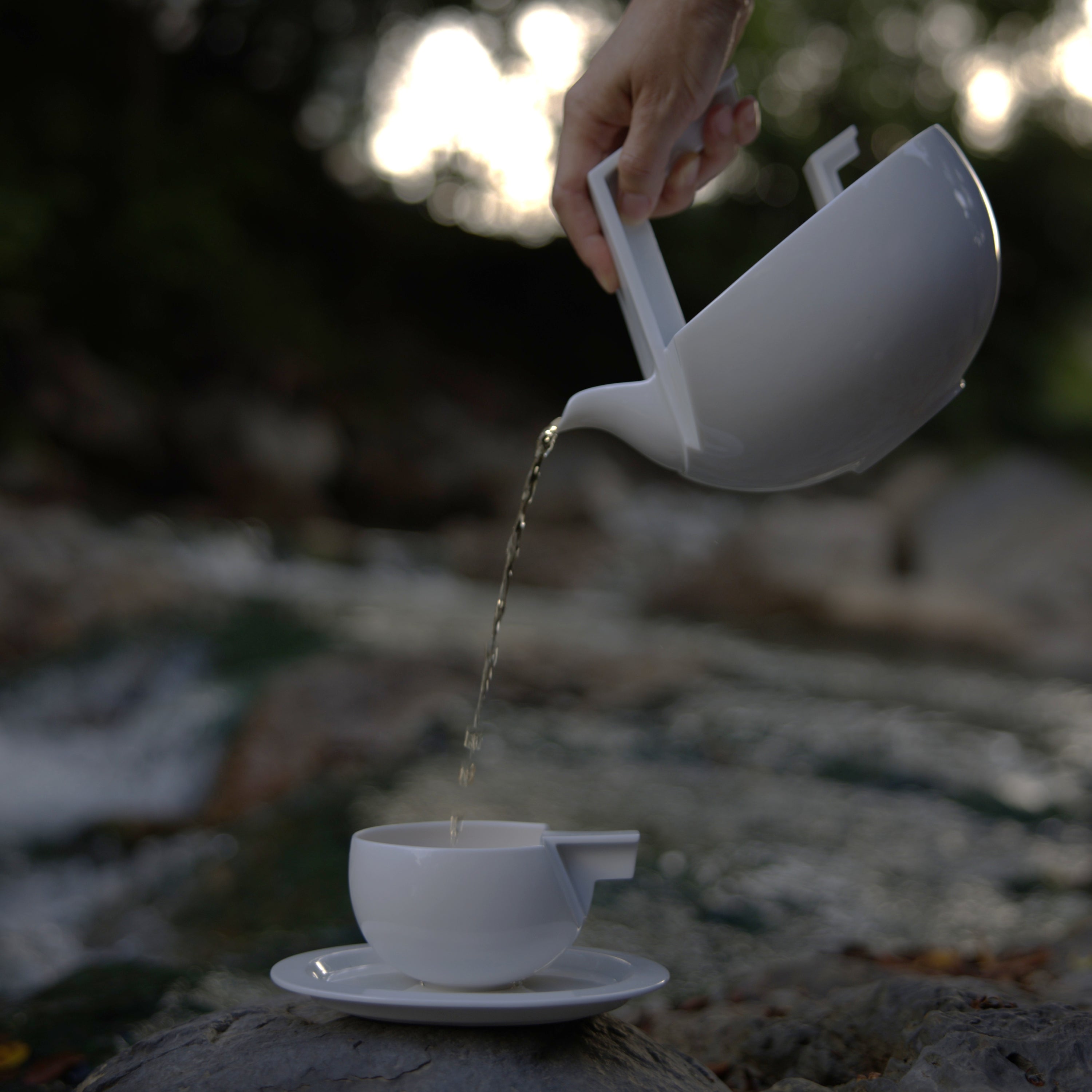
Seen through the ritual of tea, By the Measure of the Sea is more than a teapot and cups. It is a symbol of sharing and generosity of spirit. It invites people to discover, within each pour and every sip, a heart as expansive as the sea.
This vastness is inspired by the idea of “the four seas”—not as a geographical concept, but as an extension of one’s inner landscape. As tea flows from the vessel, its graceful movement becomes a metaphor for life itself: composed yet spirited, disciplined yet free.
“Measuring the heart through the form of a vessel” captures the philosophy behind Measure of the Sea. Through restrained forms, the work offers a contemporary expression of boldness—not through spectacle or ornament, but through an enterprising attitude toward life, where reason and emotion meet in quiet equilibrium.
This is also the true meaning of Vessel & Measure: within a single teapot and a single cup, one discovers a sense of measure as vast as the ocean itself.