



A Father's Character and Legacy: A Tribute to the One Who Steers the Family Forward
A father's love runs as deep as the sea, and as warm as the rising sun. His whole life may well have been spent bringing "daybreak" to his family —...
Wherever It Drifts, That Is the Encounter
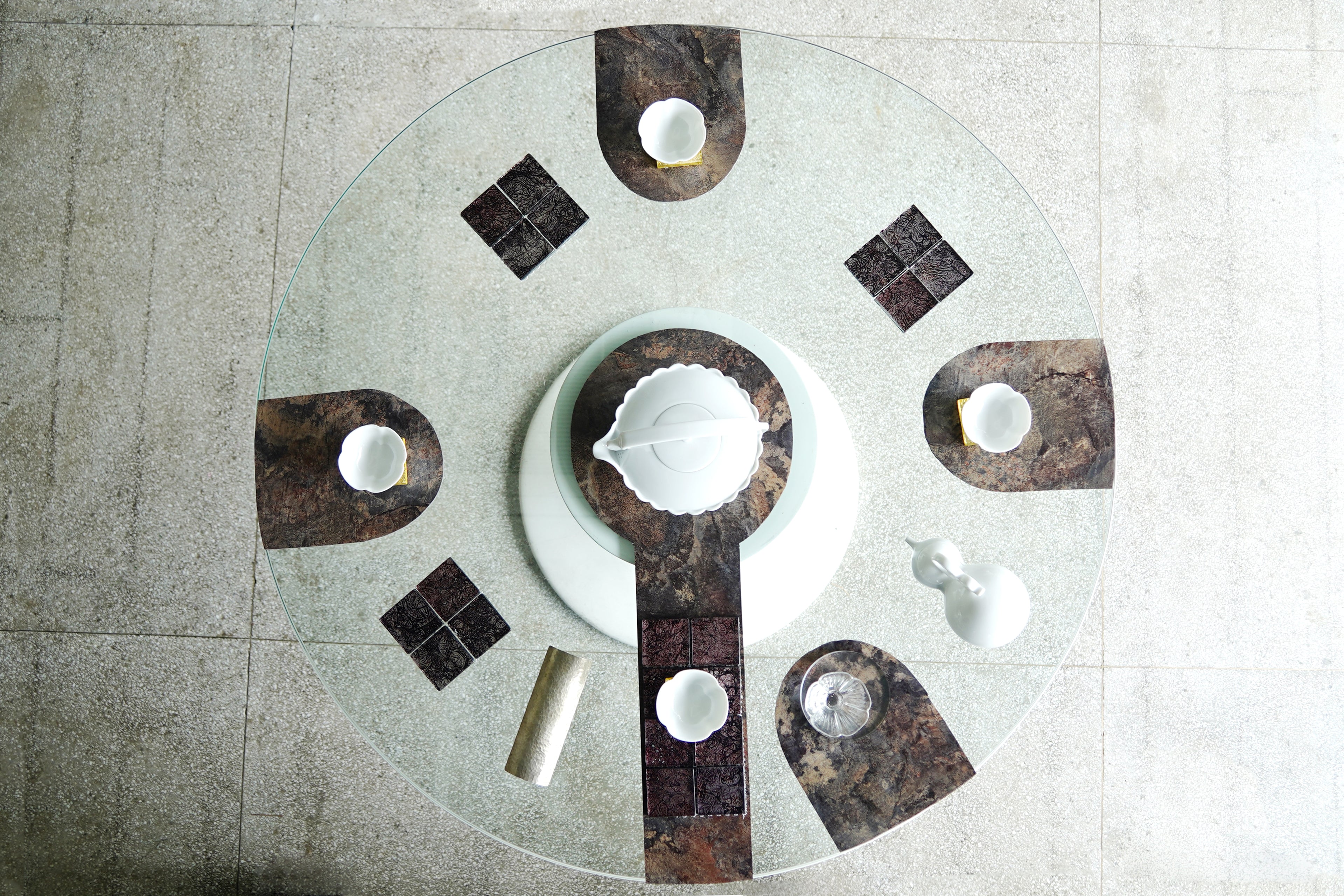
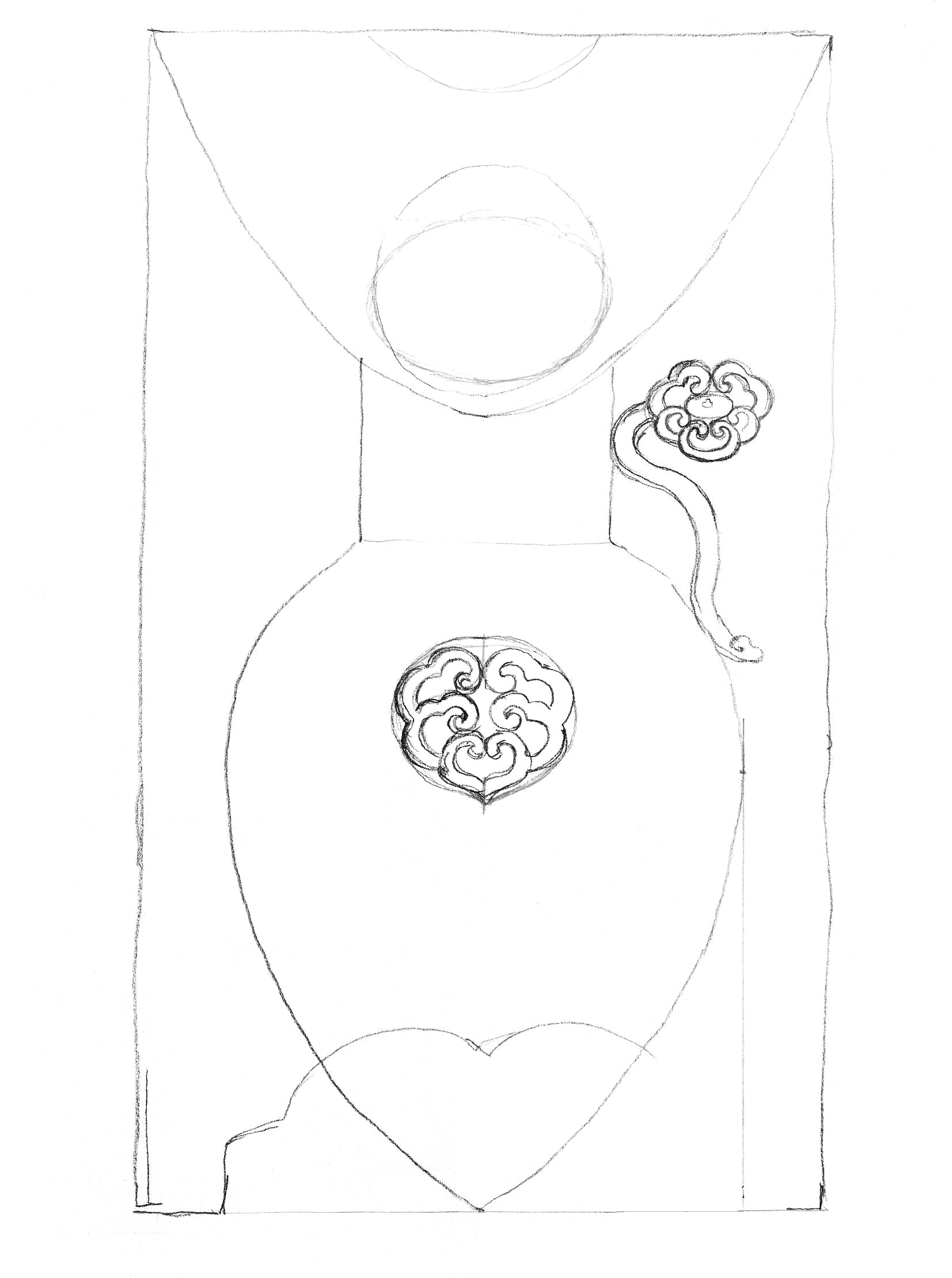
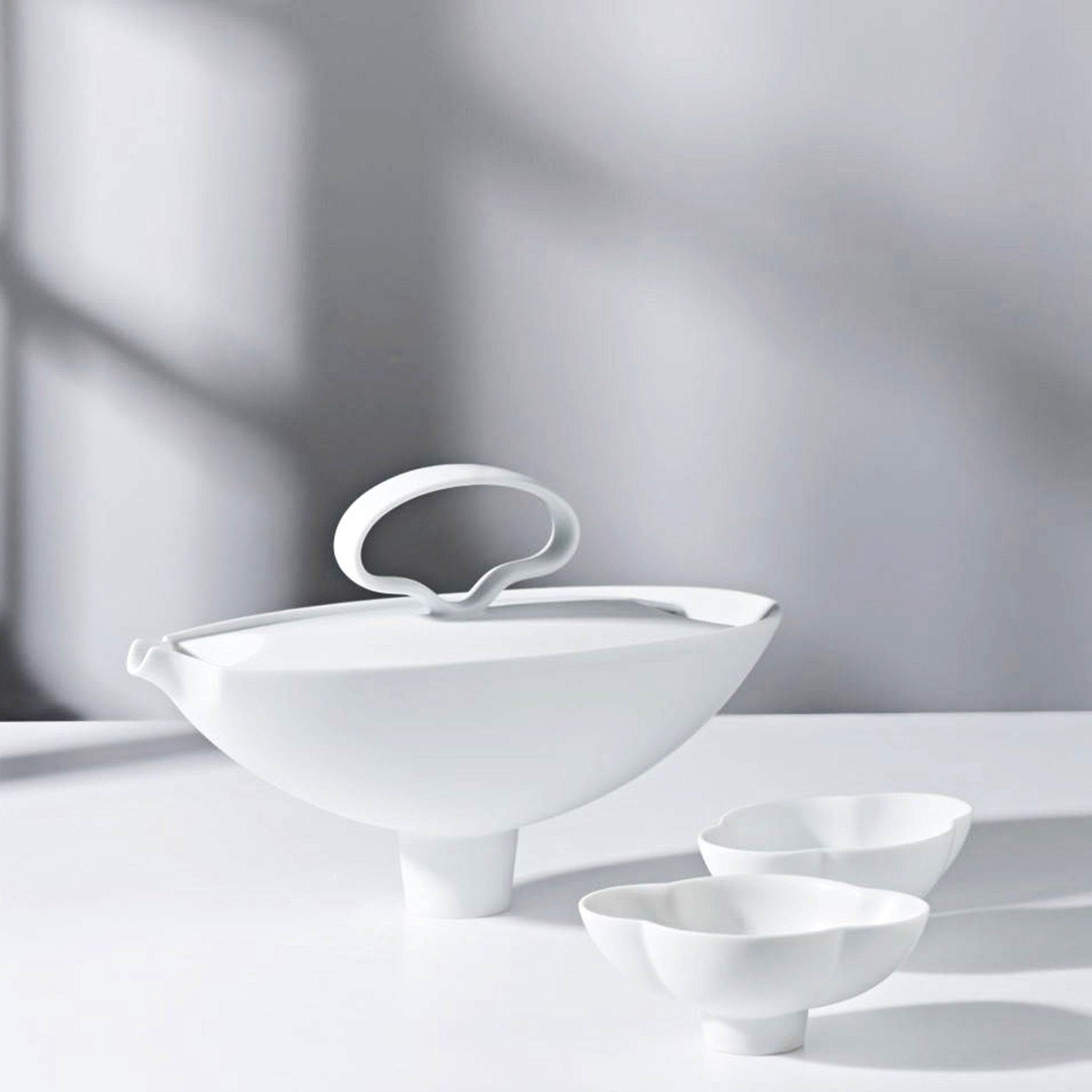
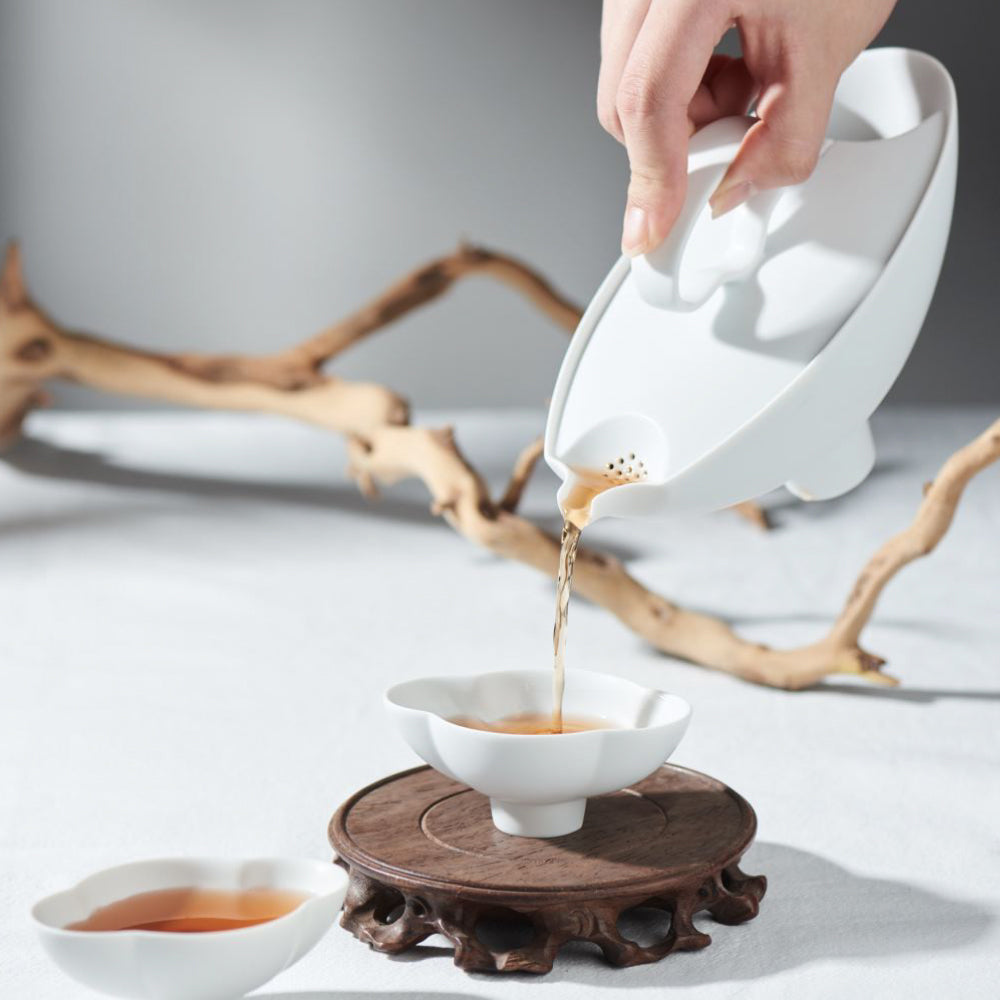
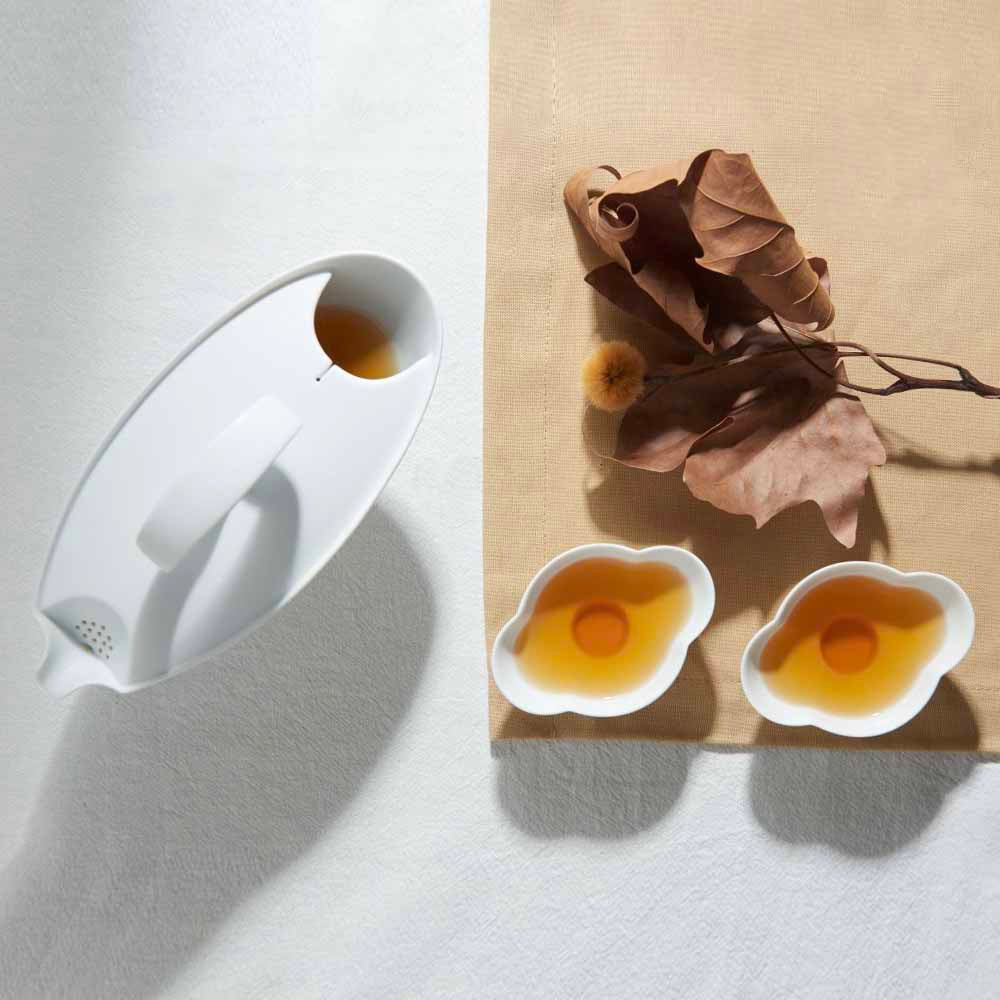
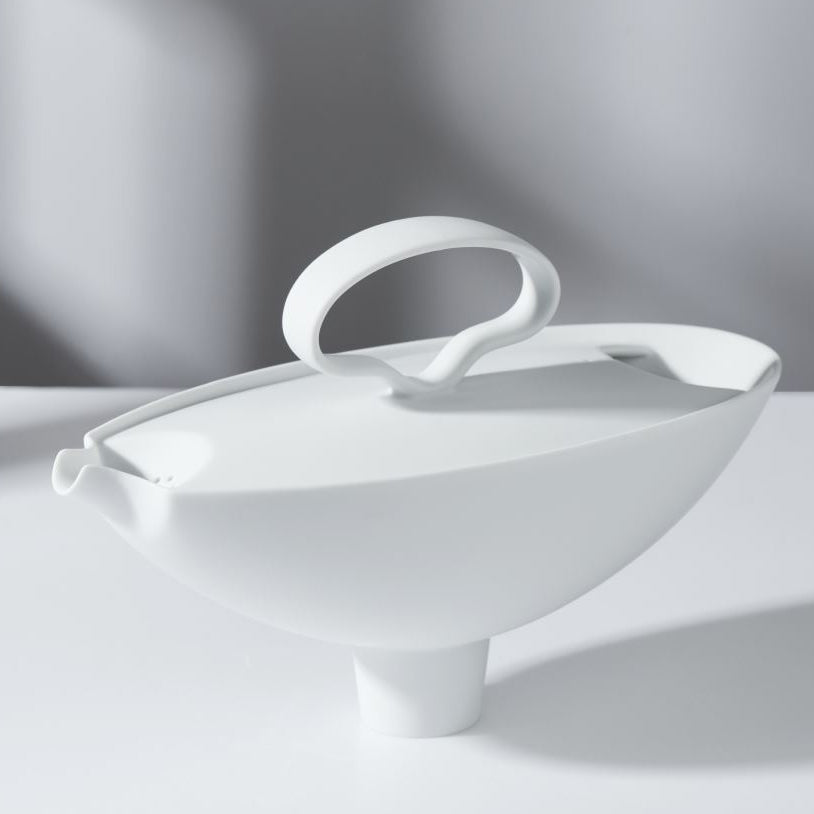
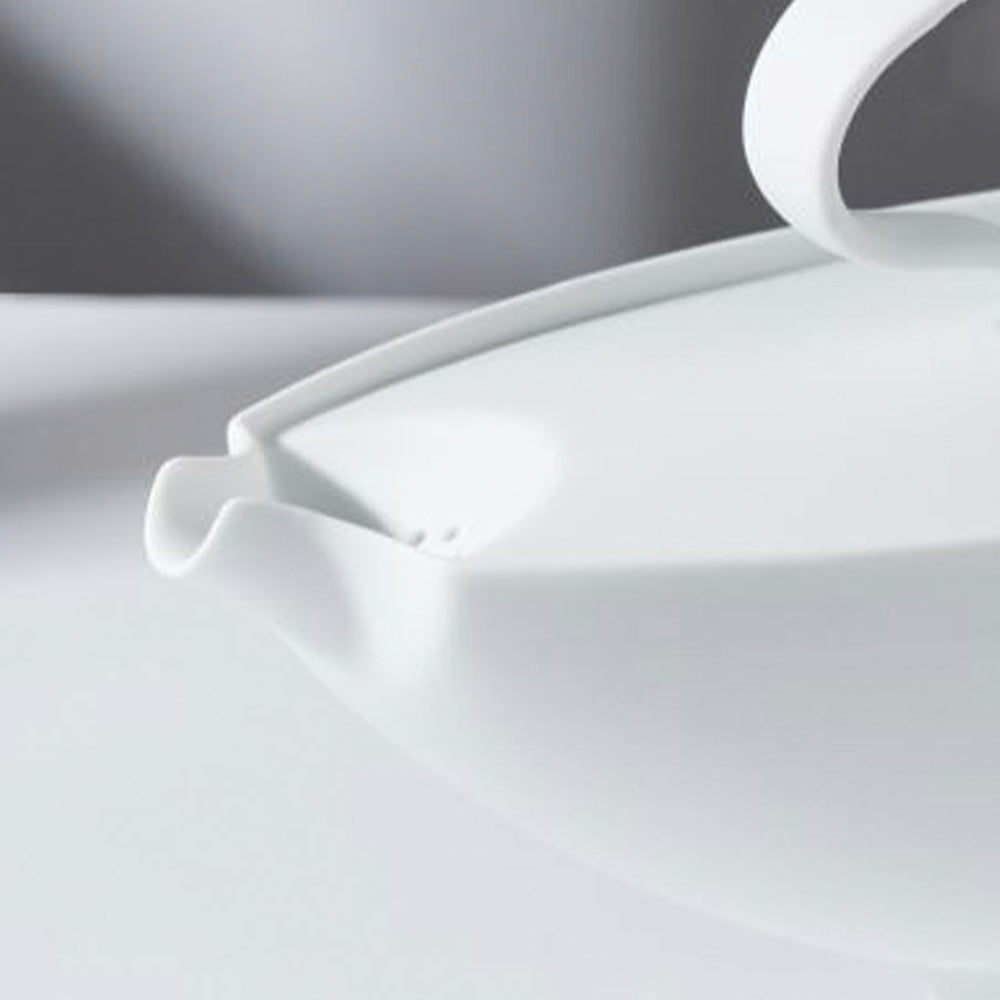
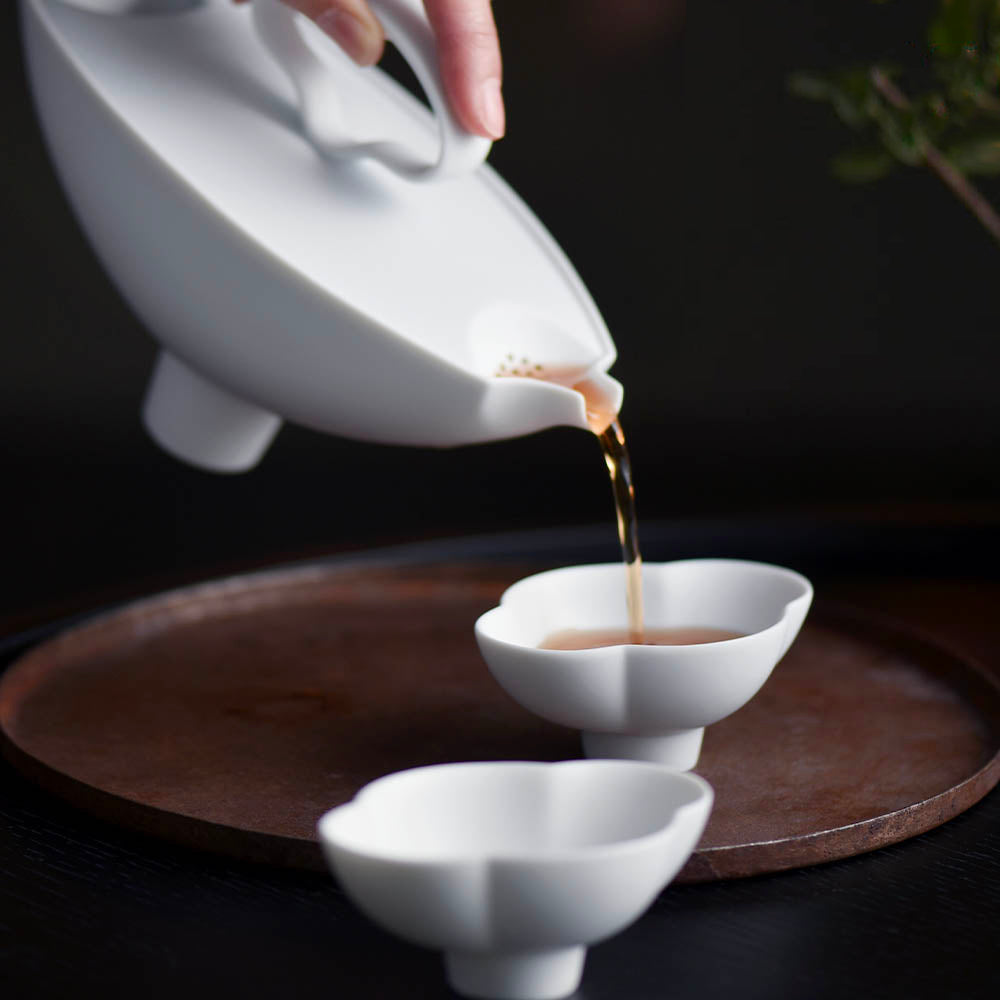
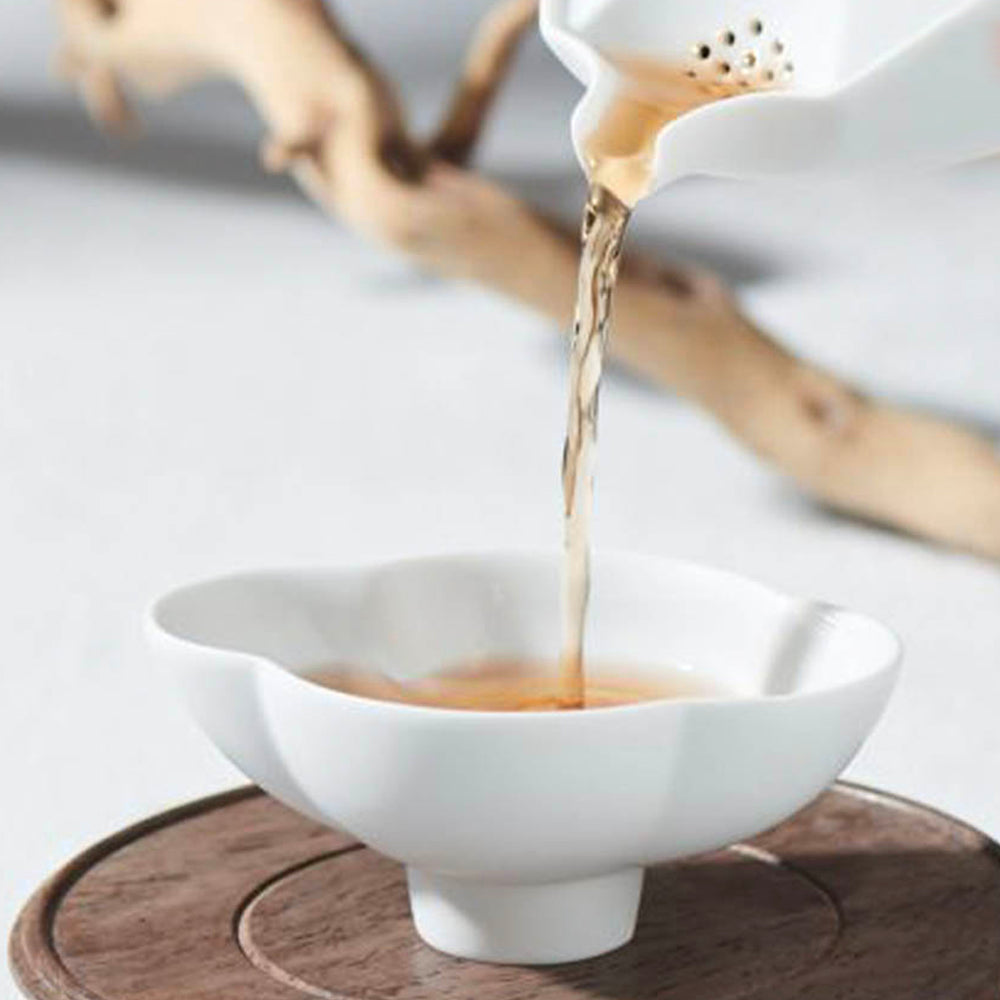
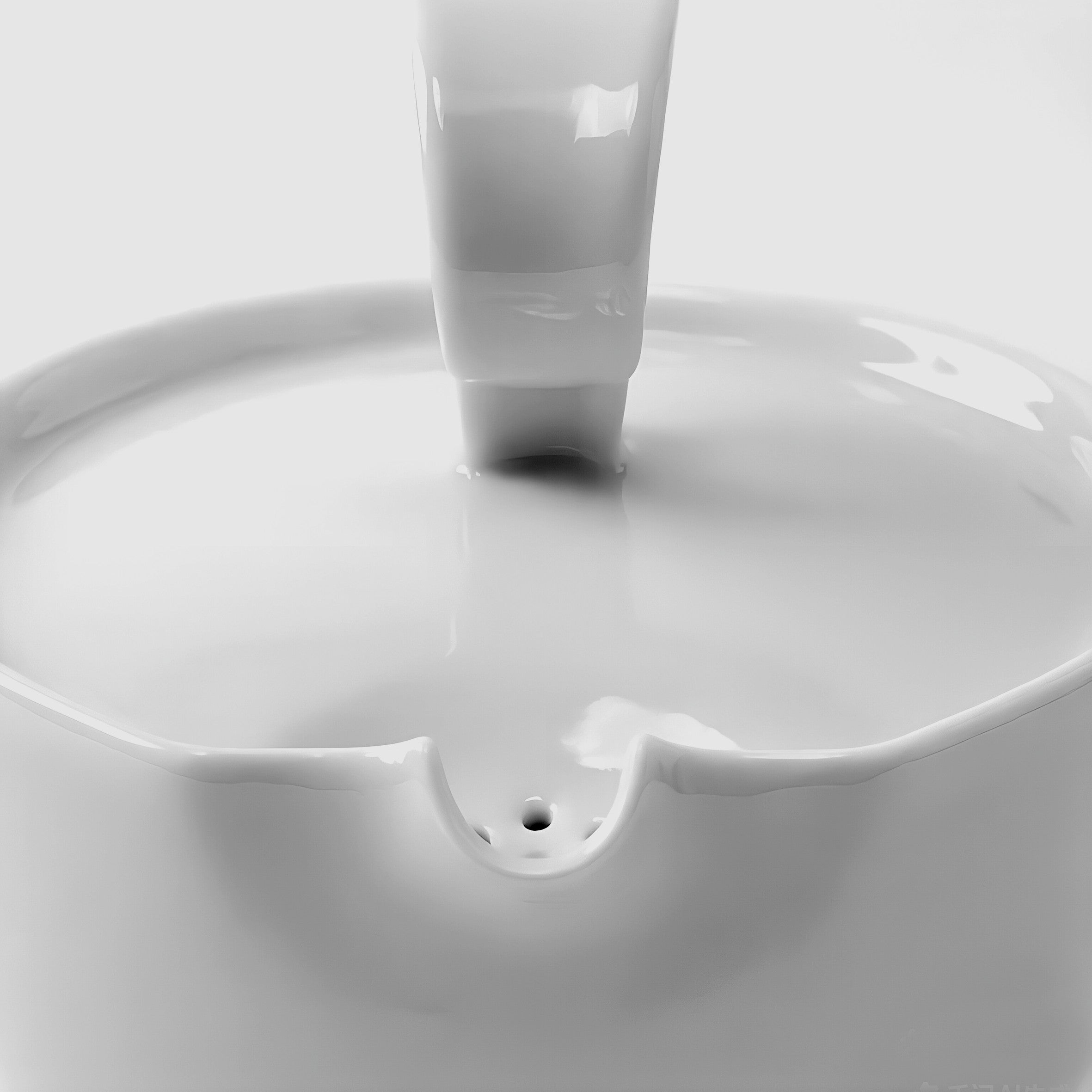
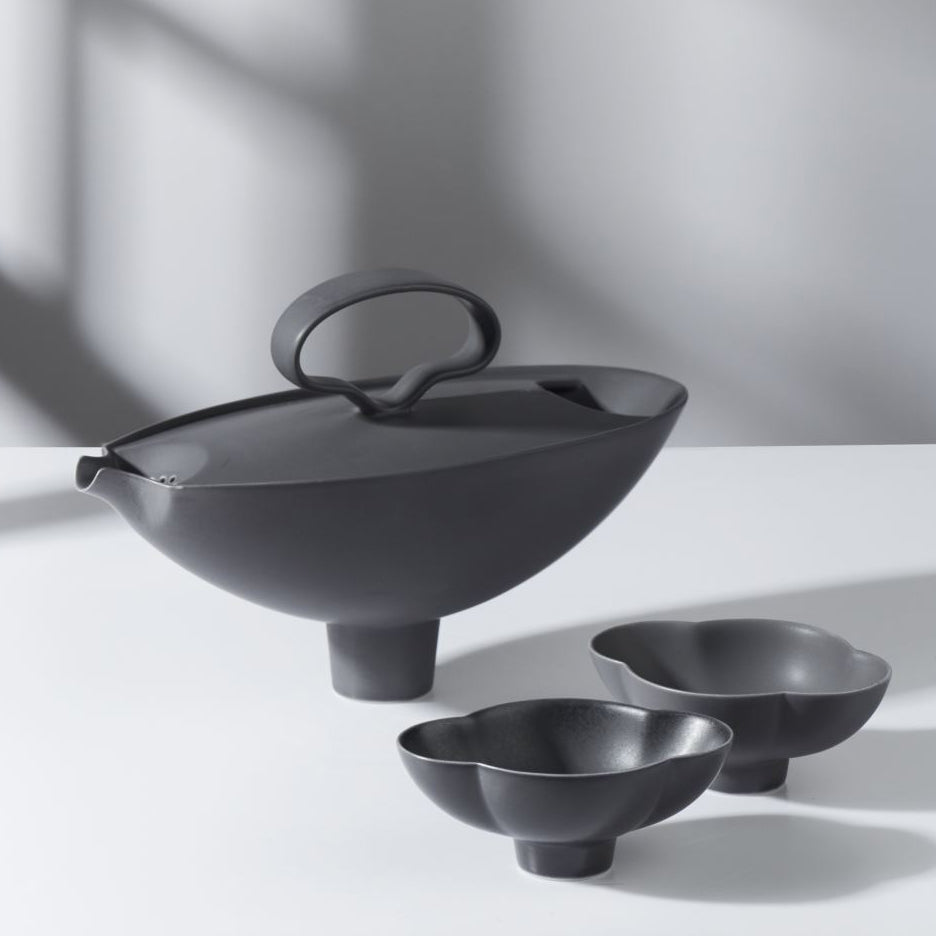
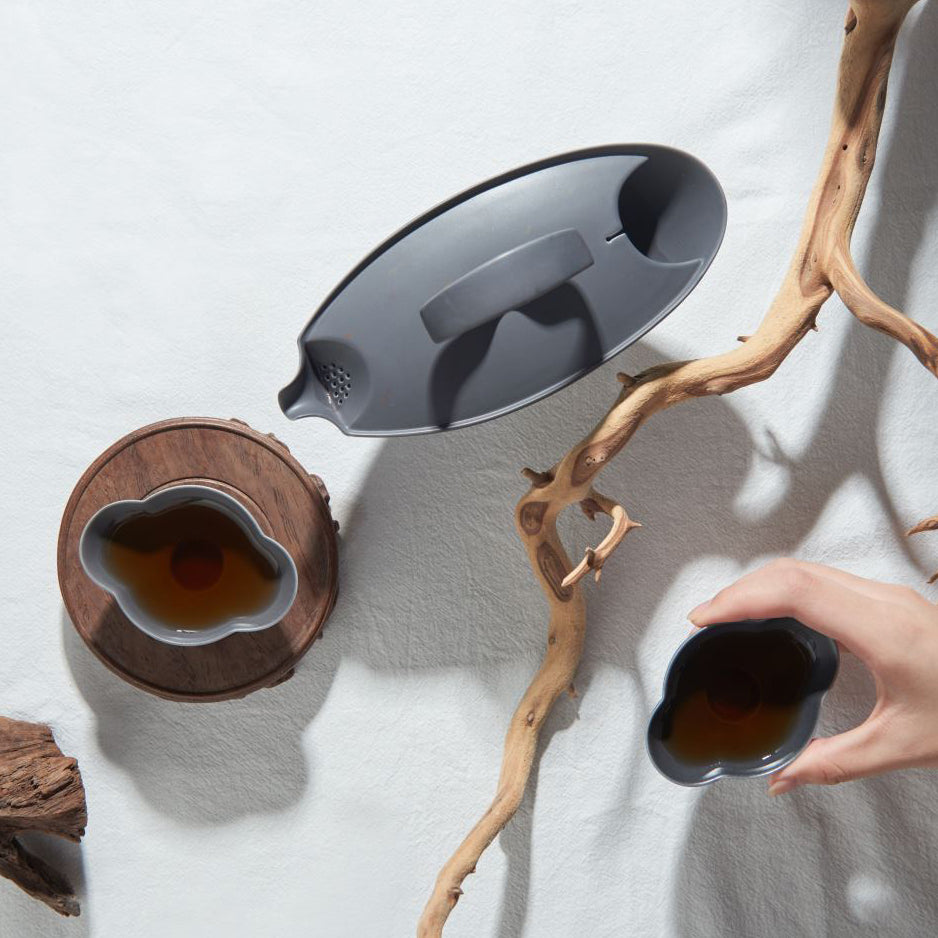
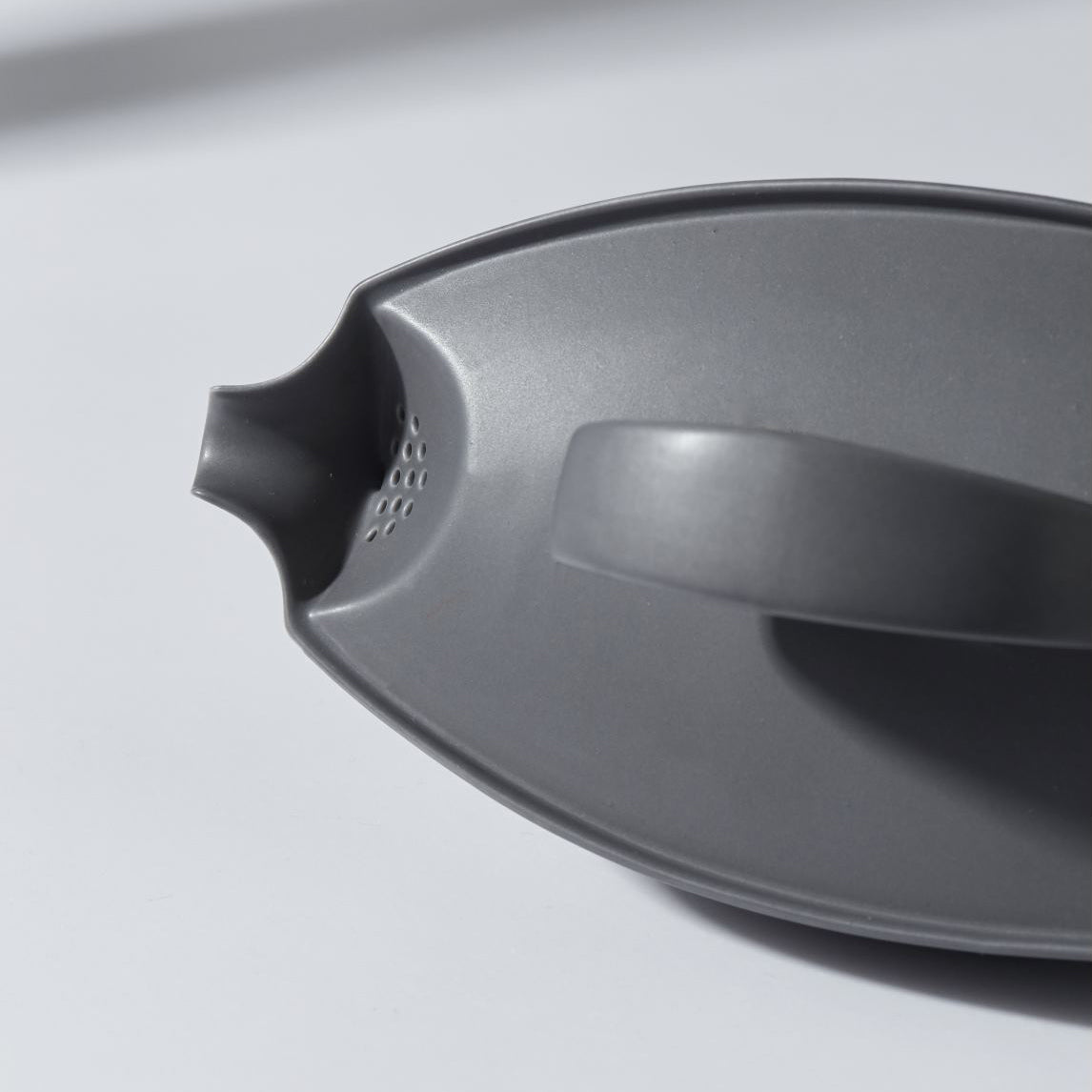
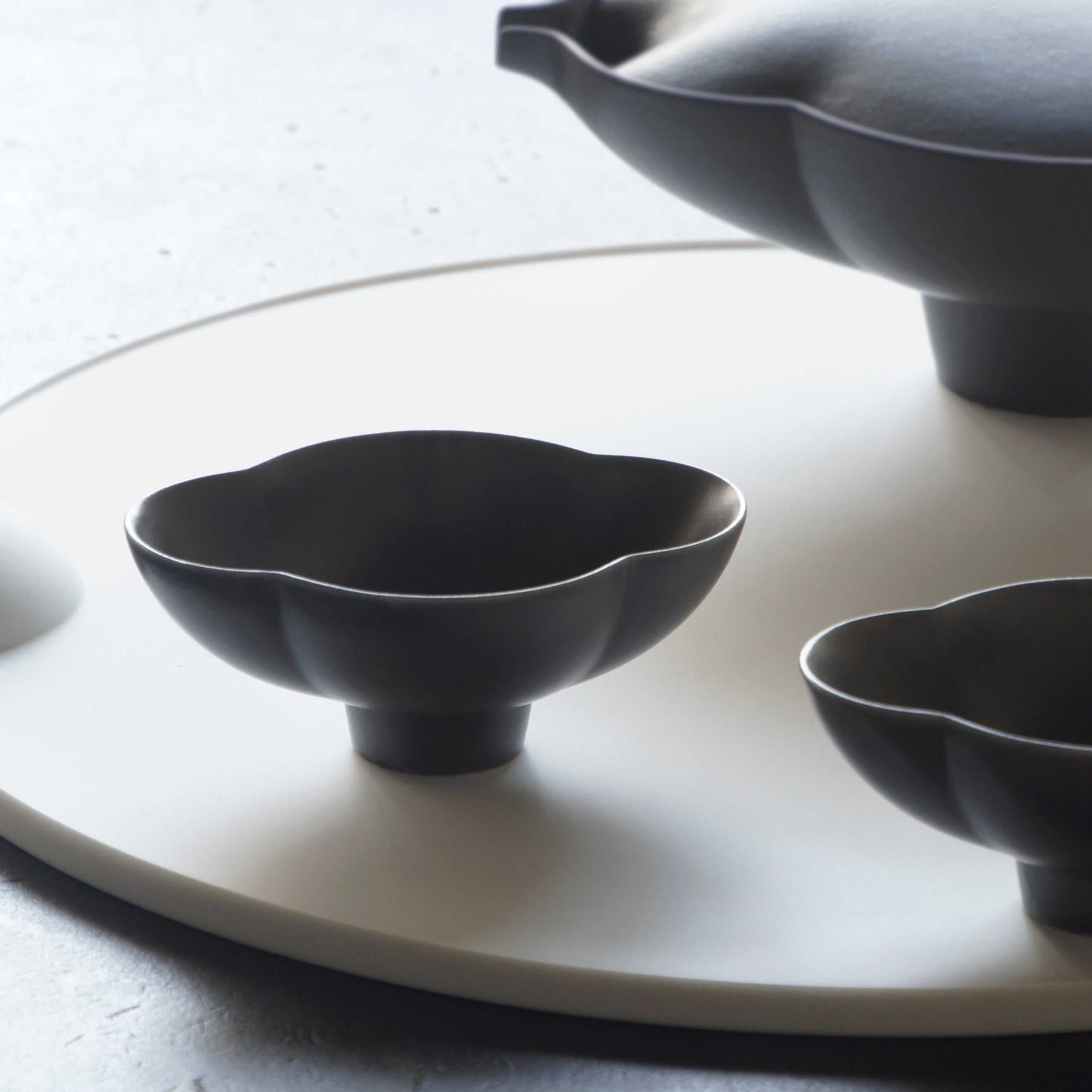
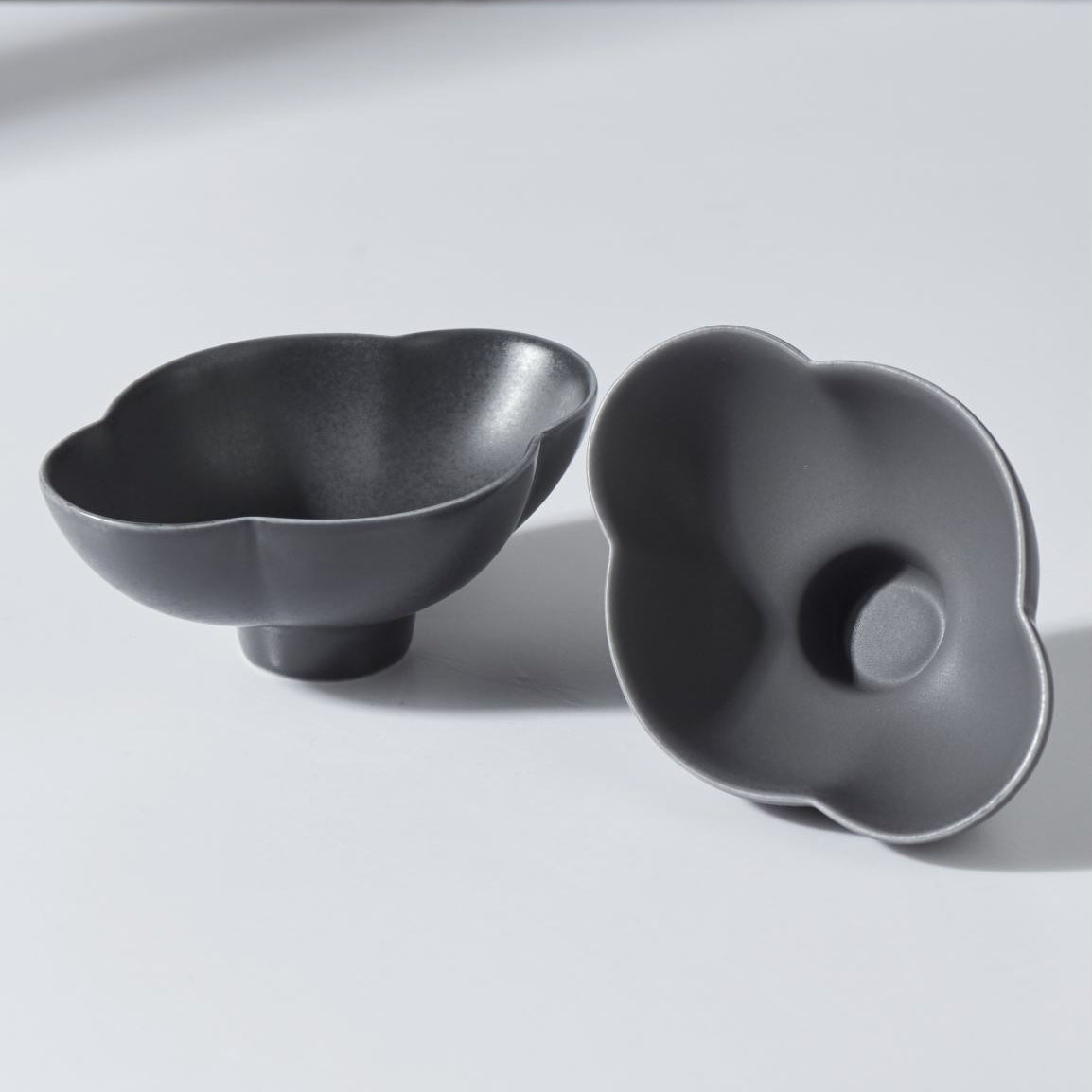
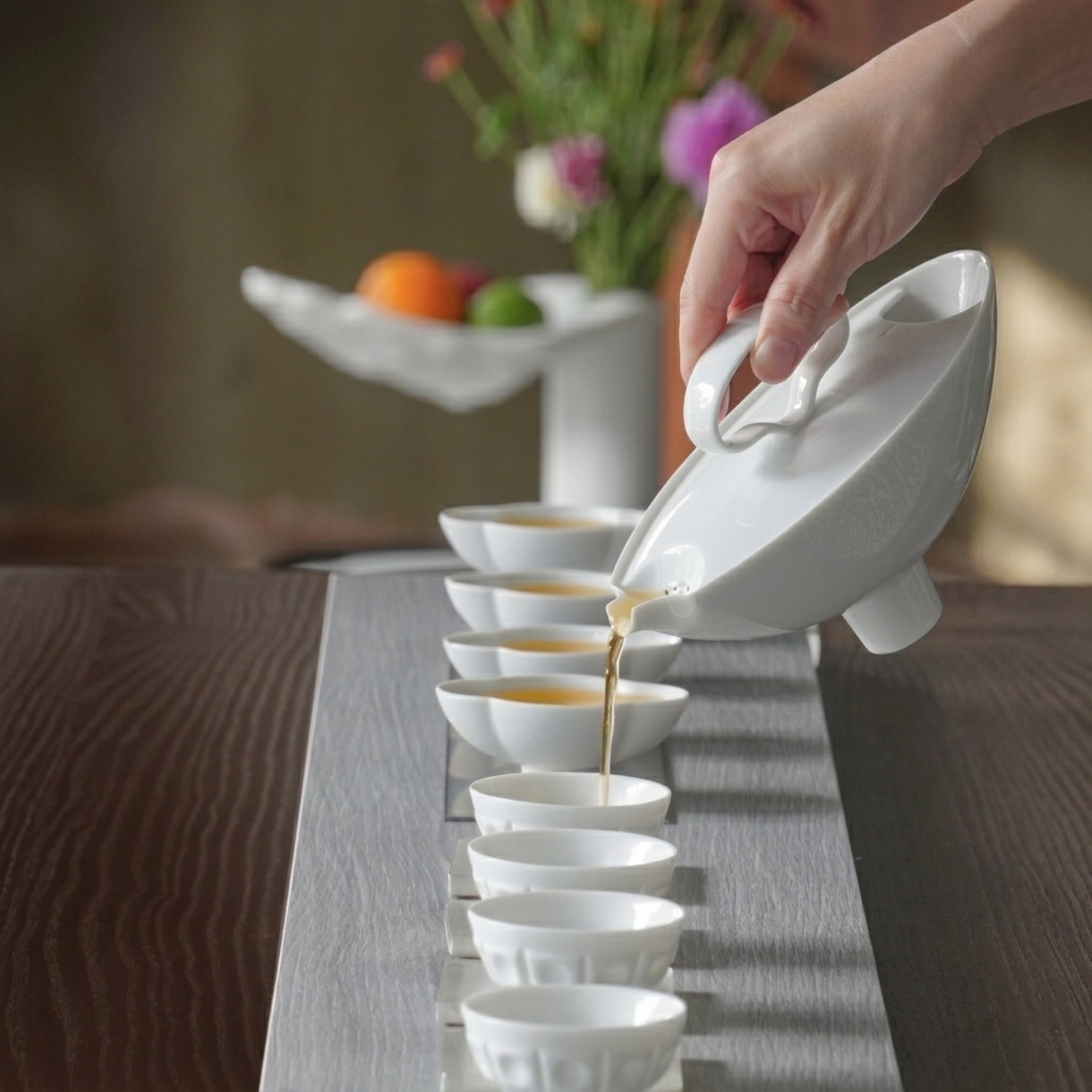
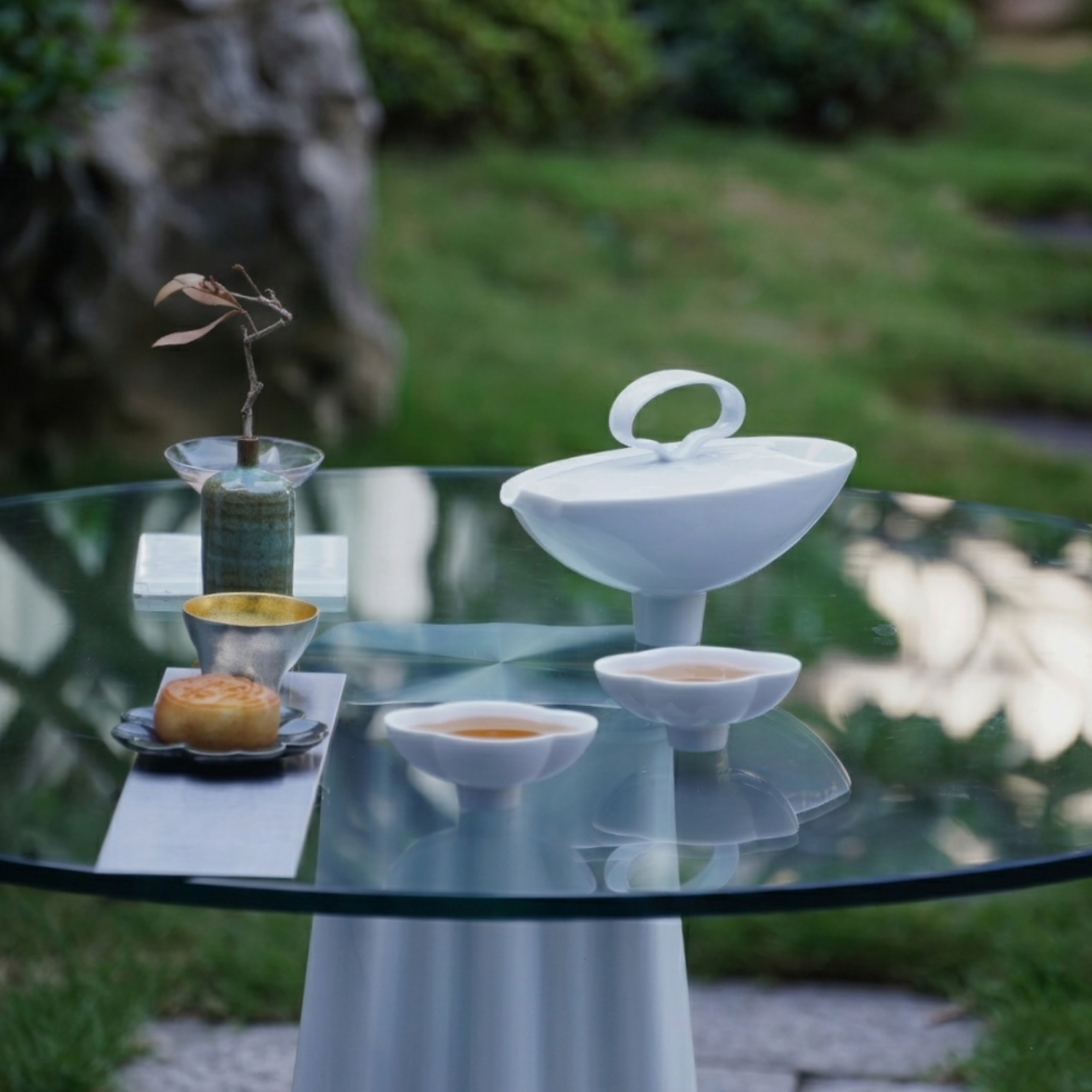
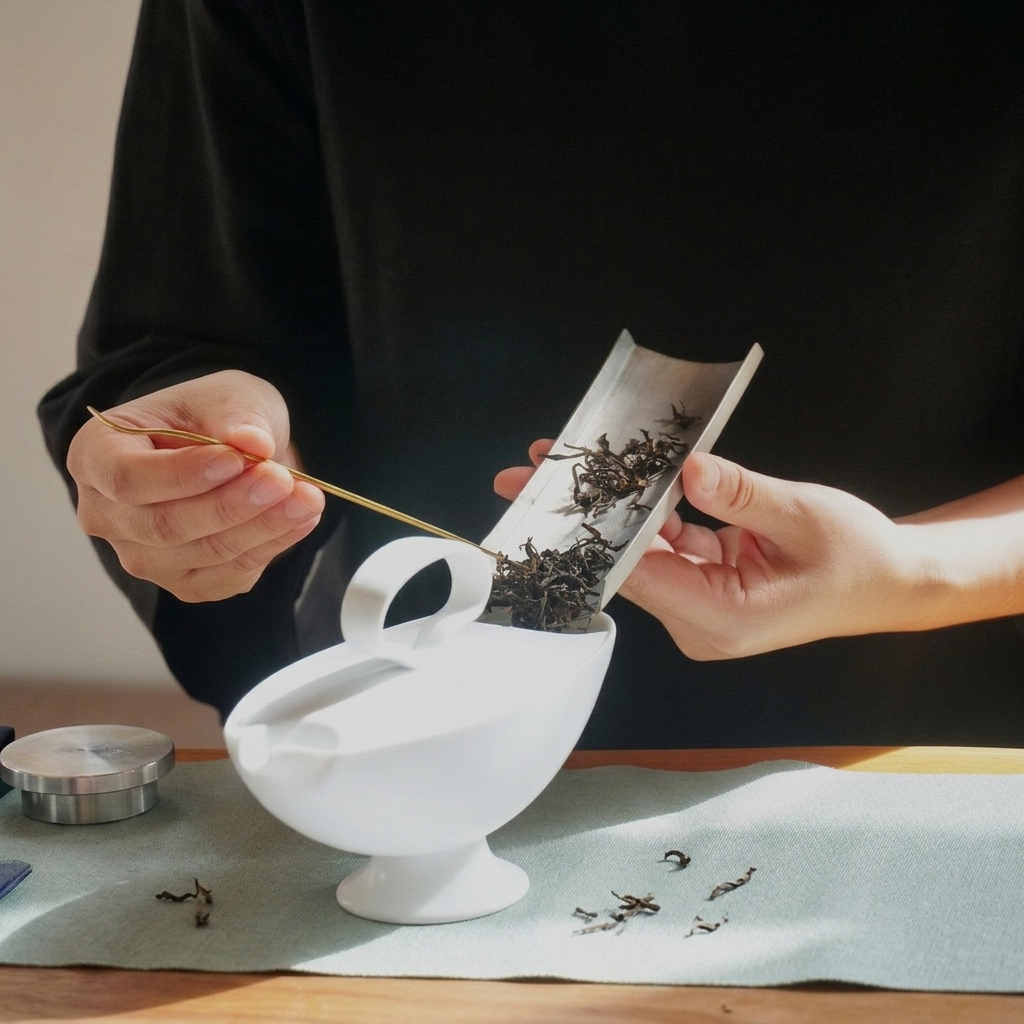
Drifting Clouds is part of Heinrich Wang's Mountain Water Line series — and among his most cherished works. The body is long and lean like a shuttle; the base rises like a mountain; the handle is a small circle of cloud, placed at the center rather than the sides. Light as a cloud, weighty as a ritual: this contrast is the piece's design statement. The lidless opening lets tea leaves breathe freely — and means the pot is always ready, without preparation. Teapot (350cc) and cups (50cc) are available individually or as a set.
Couldn't load pickup availability
Contemporary White Porcelain Craft · Fired at 1300°C
Designed by contemporary white porcelain artist Heinrich Wang, each piece embodies Eastern philosophy and contemporary form.
Transforming life philosophy into functional art, conveying a Zen-inspired modern aesthetic.
Crafted with a transparent glaze technique, revealing the pure beauty of porcelain’s natural white after firing.
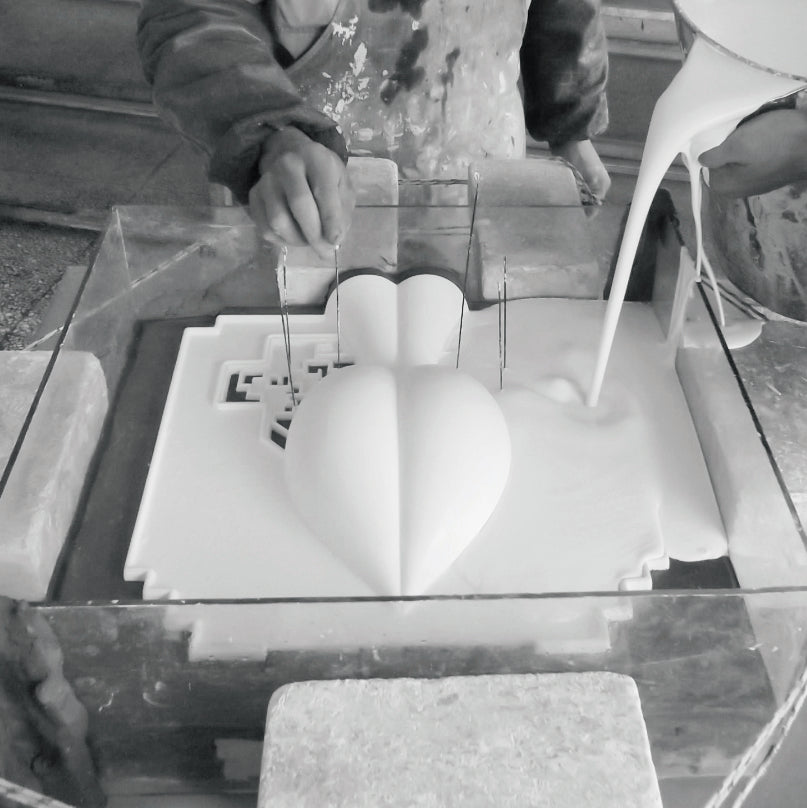
Only human hands can convey their warmth — every NewChi Porcelain piece is handmade, embracing the challenges of fine porcelain craftsmanship.
Perfect for important festivals, greetings to elders, corporate gifting, and art collections — conveying taste and blessings. If you would like a handwritten all-occasion card, please note your request in the remarks field at checkout.
For custom wooden or acrylic bases, please contact customer service.
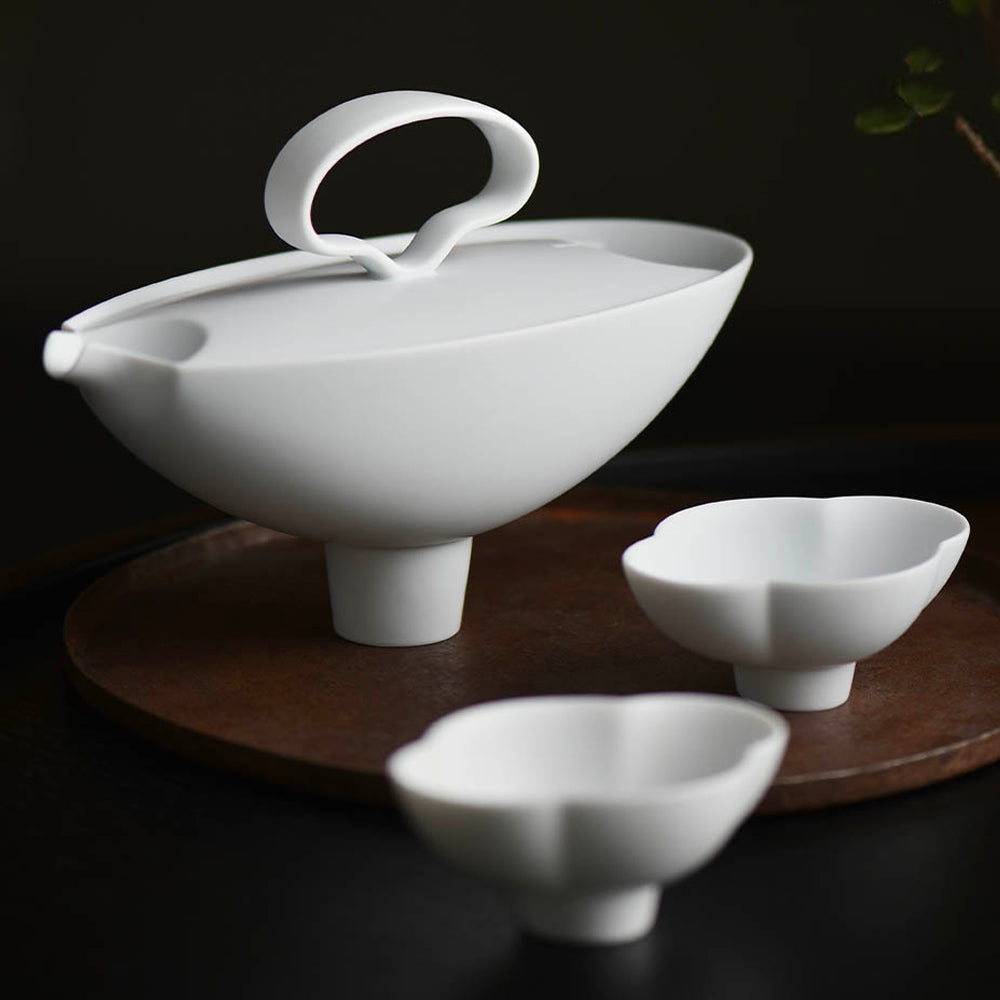

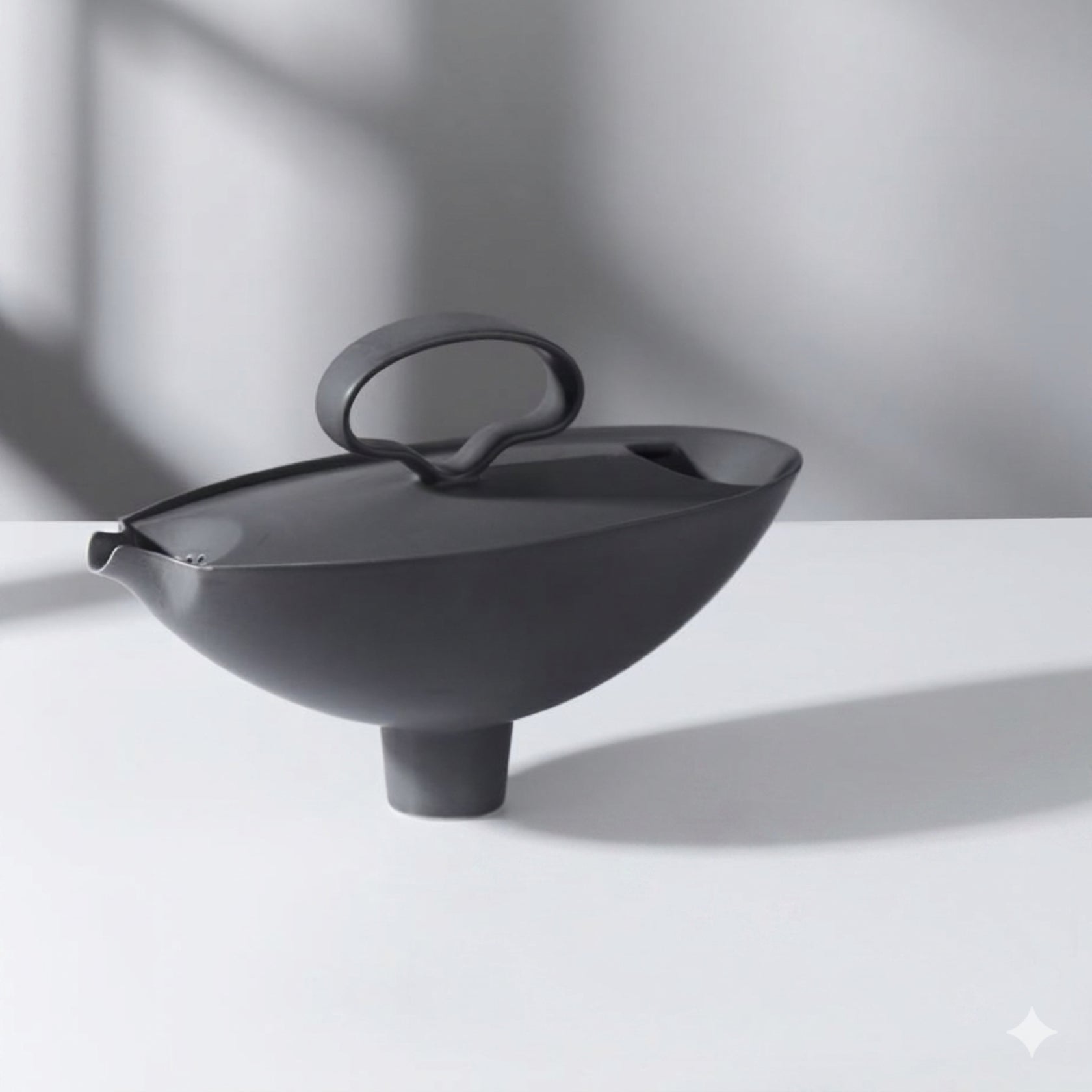
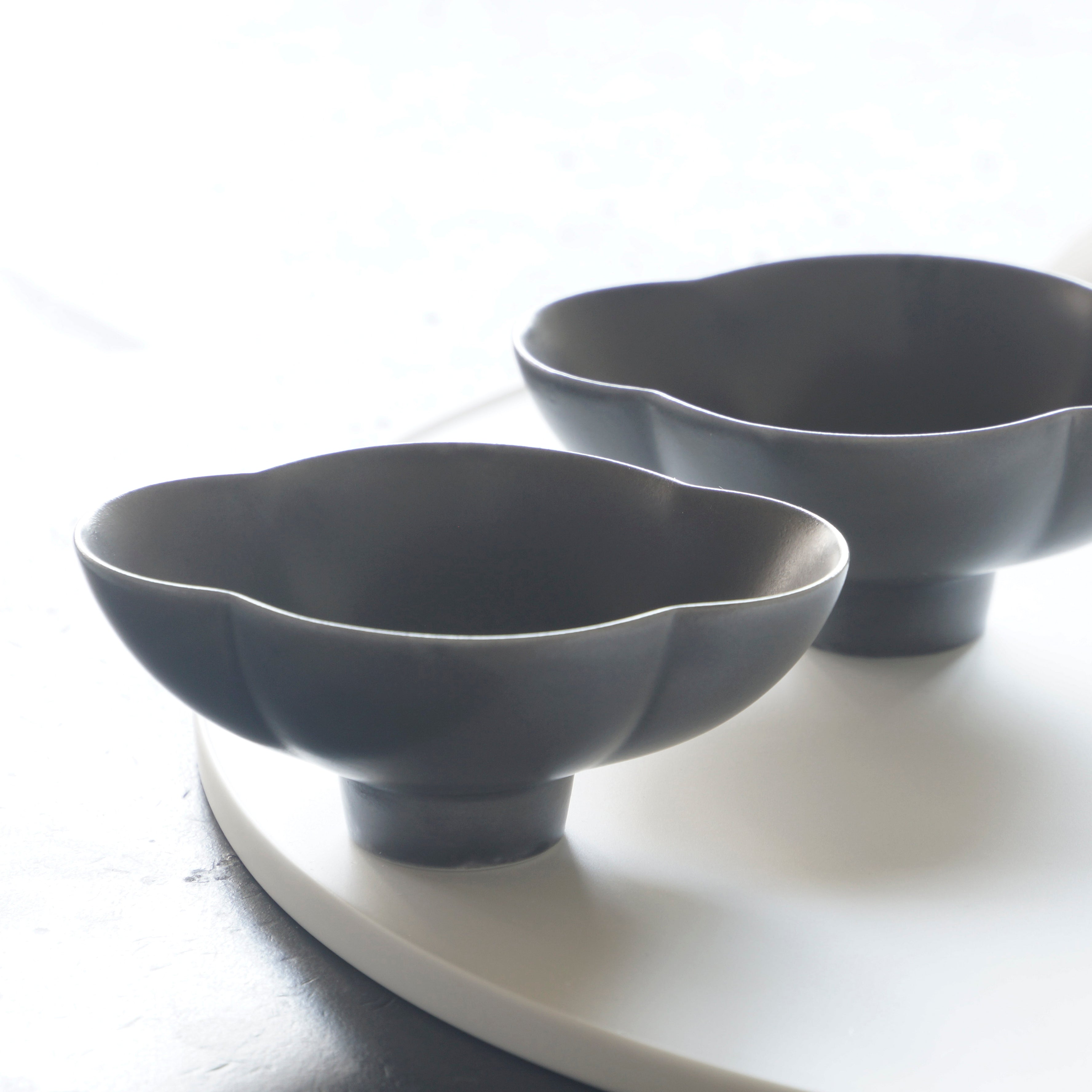
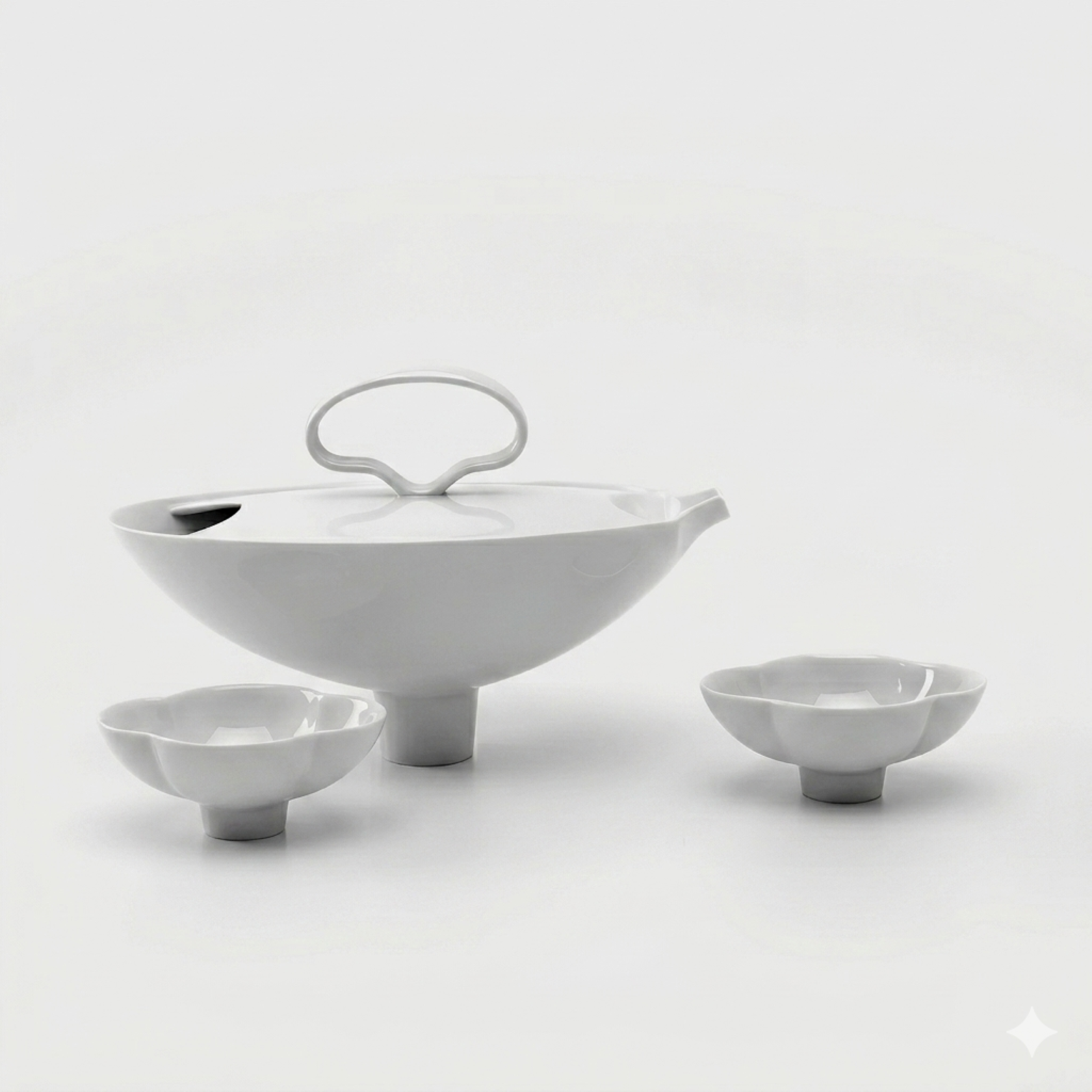
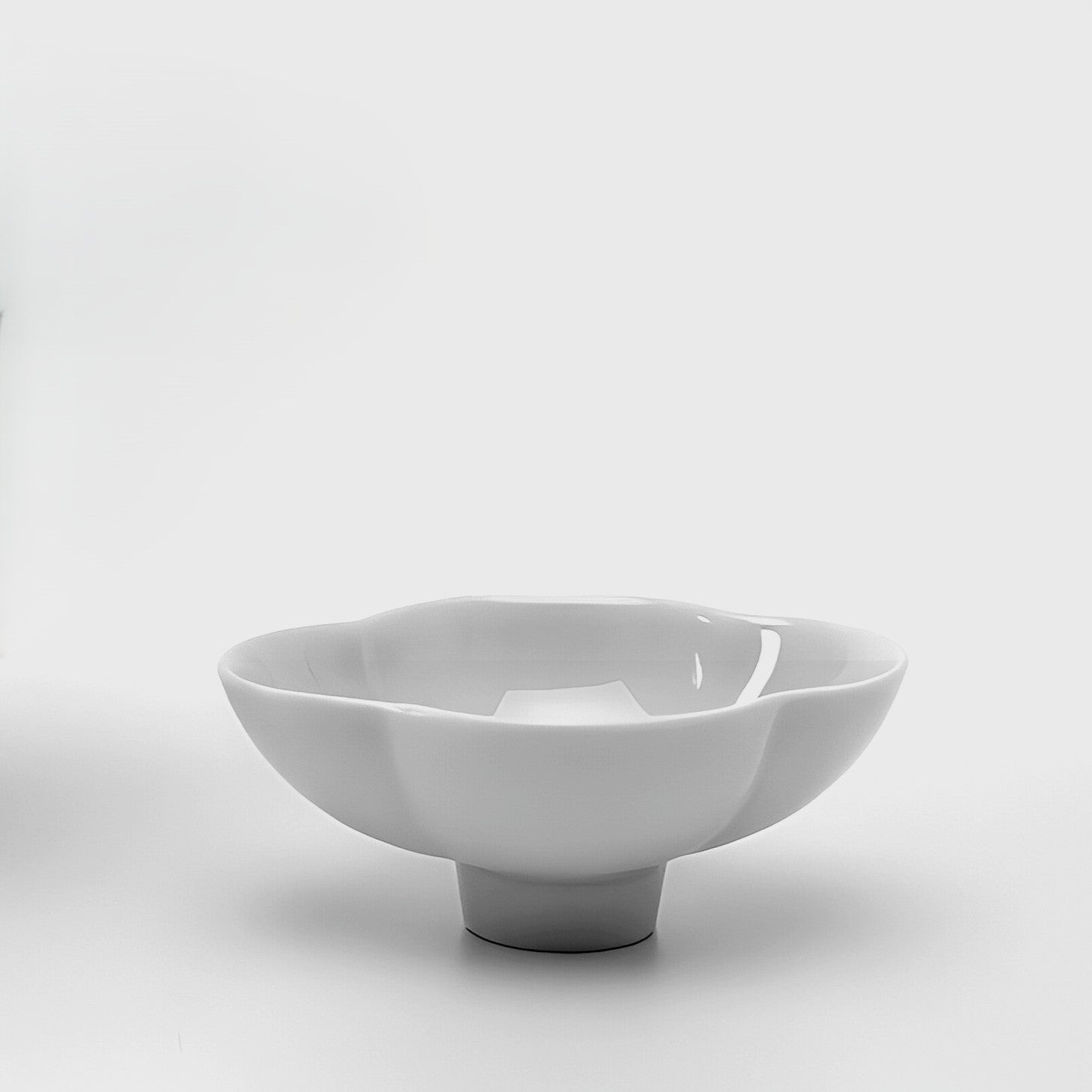
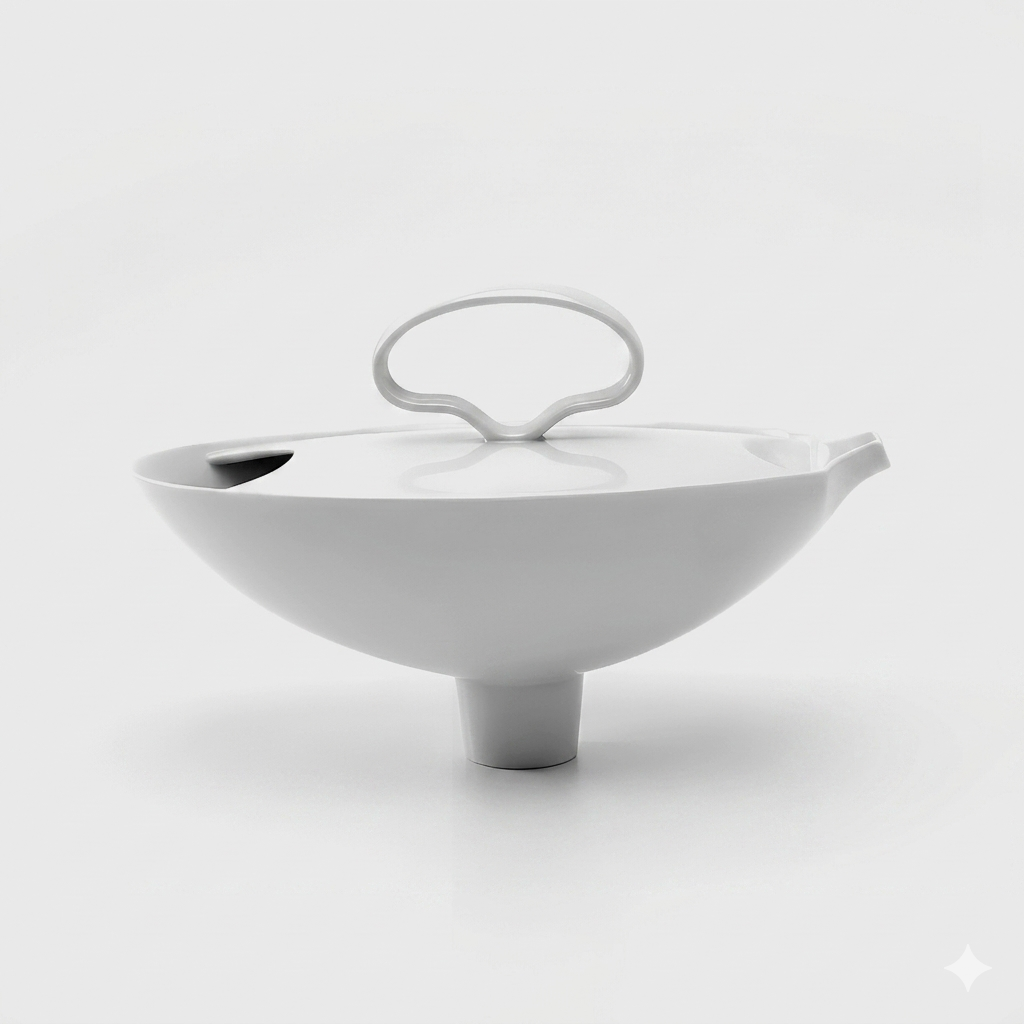
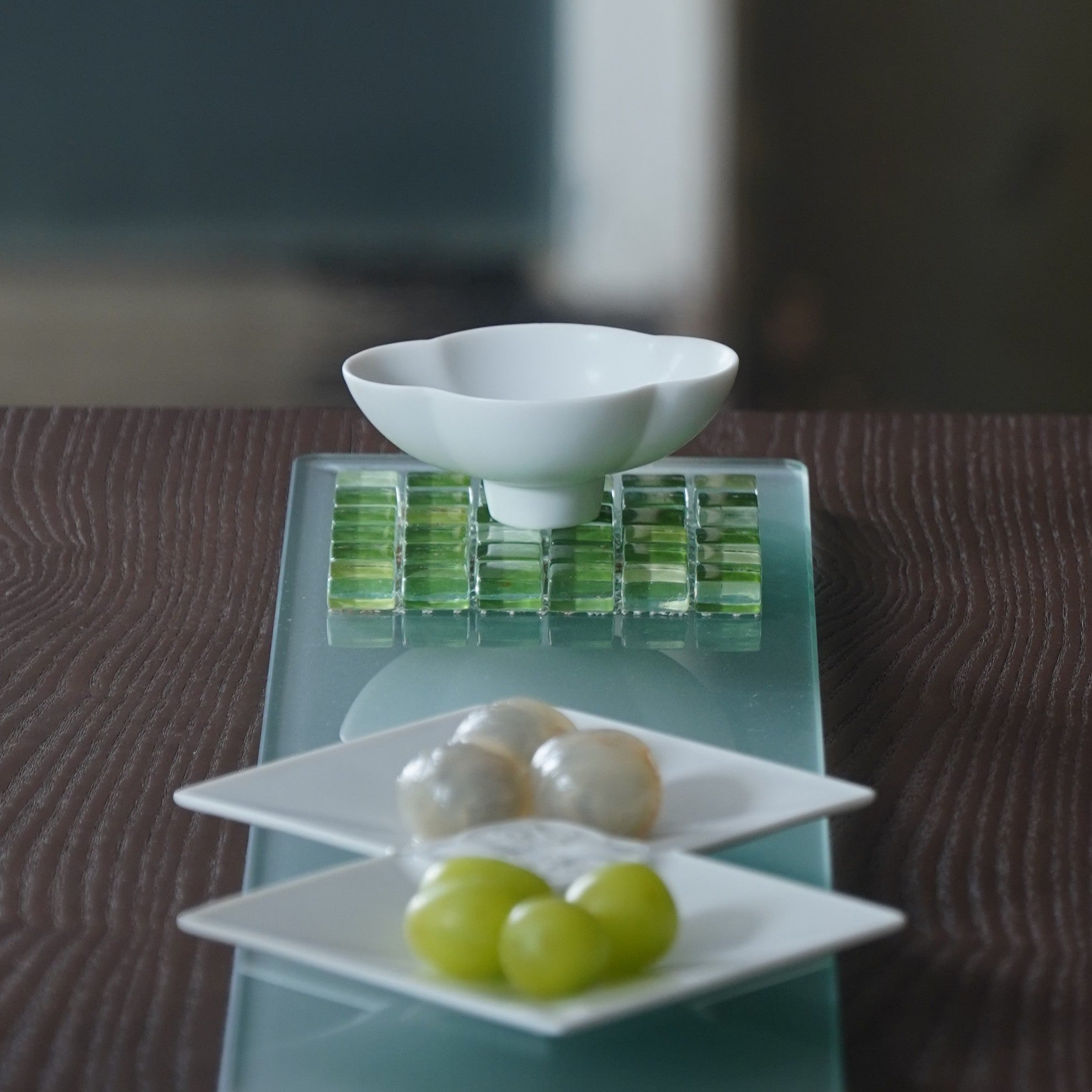
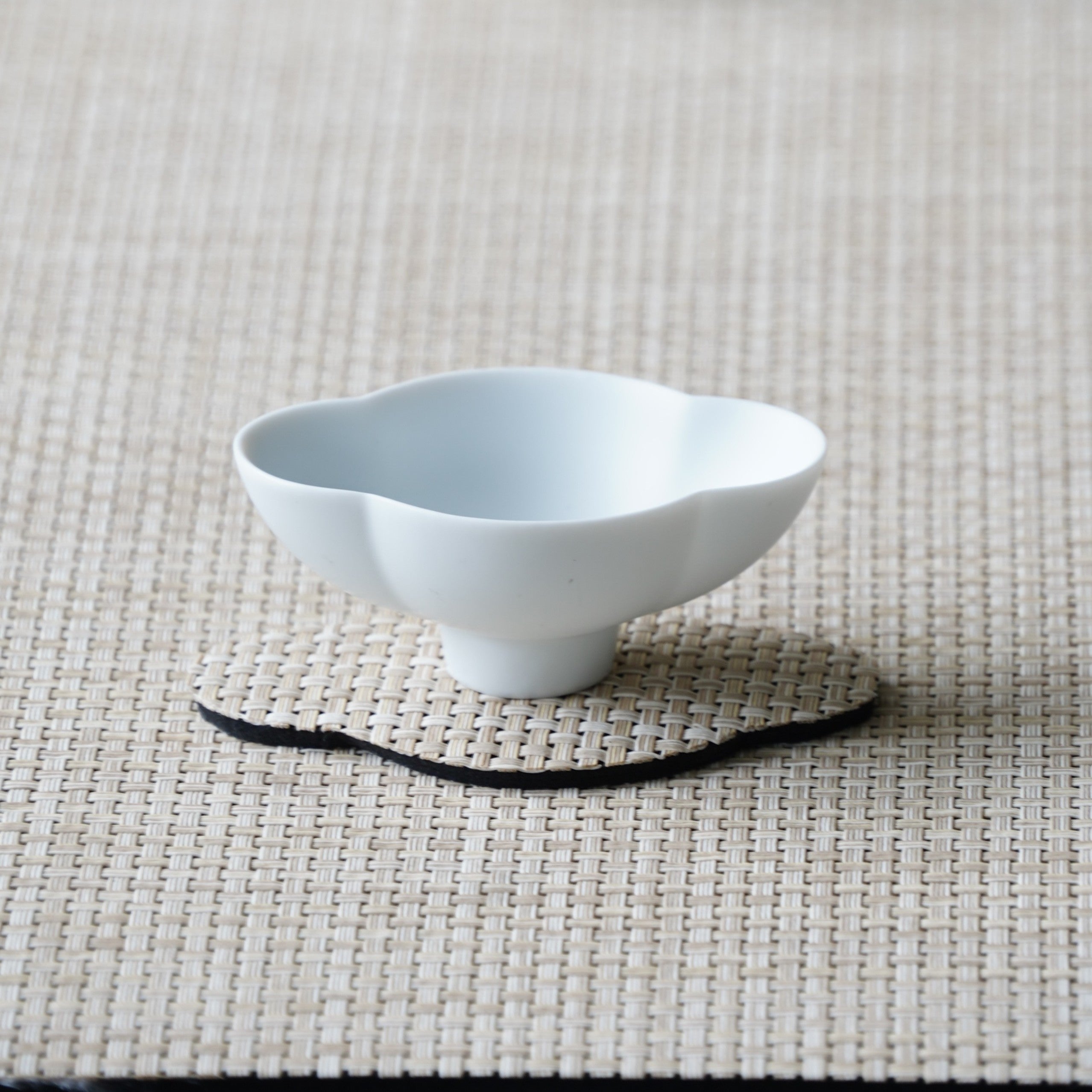
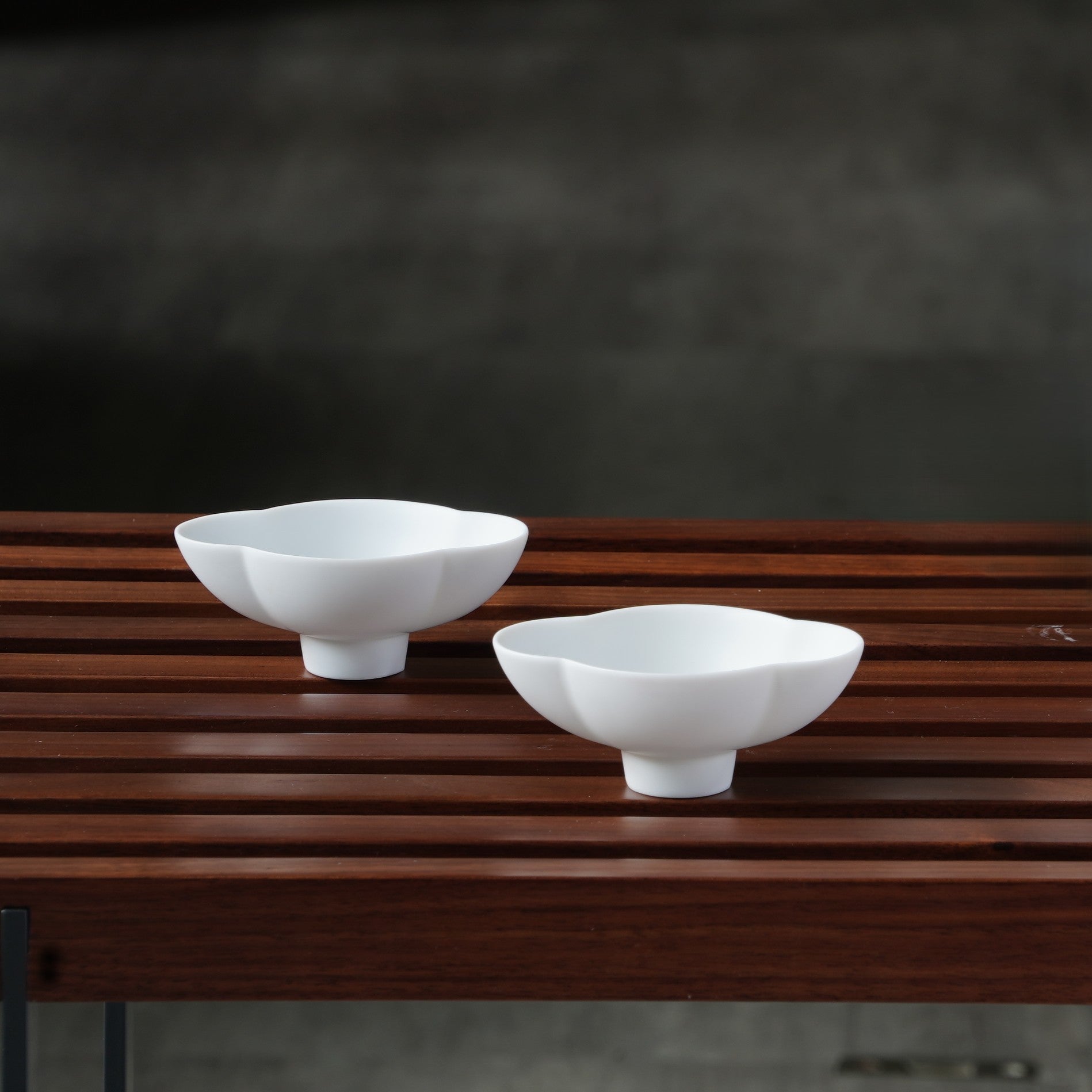
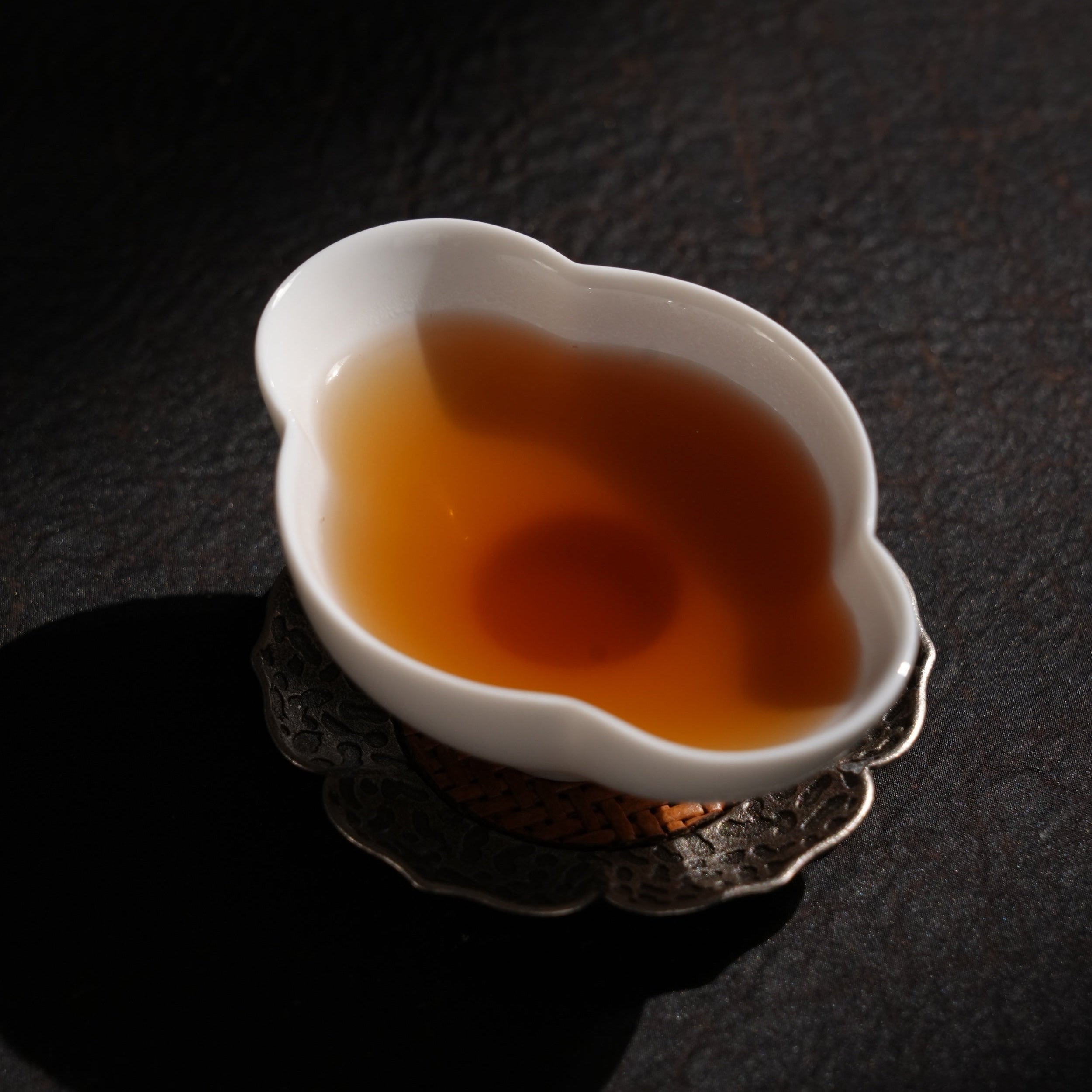

One or two people, an afternoon
Wang once wrote of sharing Dongding oolong with a friend using Drifting Clouds — on a glass table in a bright, spare room, the tea's layers emerging clearly in the clean environment. "Between the two of us, the friendship felt more solid." The 350cc volume is exactly right for this: enough for several rounds, unhurried.

Any time, without preparation
The lidless pot is always ready. There is no searching for the lid, no additional step before the water goes in. This is one of the things the piece is quietly proposing: that the ritual of a good cup of tea does not need to be organized. It just needs to begin.

A considered gift for someone who takes tea seriously
Drifting Clouds ships in a gift box. Teapot and cups are available individually or together — suited to the recipient's existing set, or as a complete beginning.
Design Concept
Occasions or Usage
Ideal For
Dimension
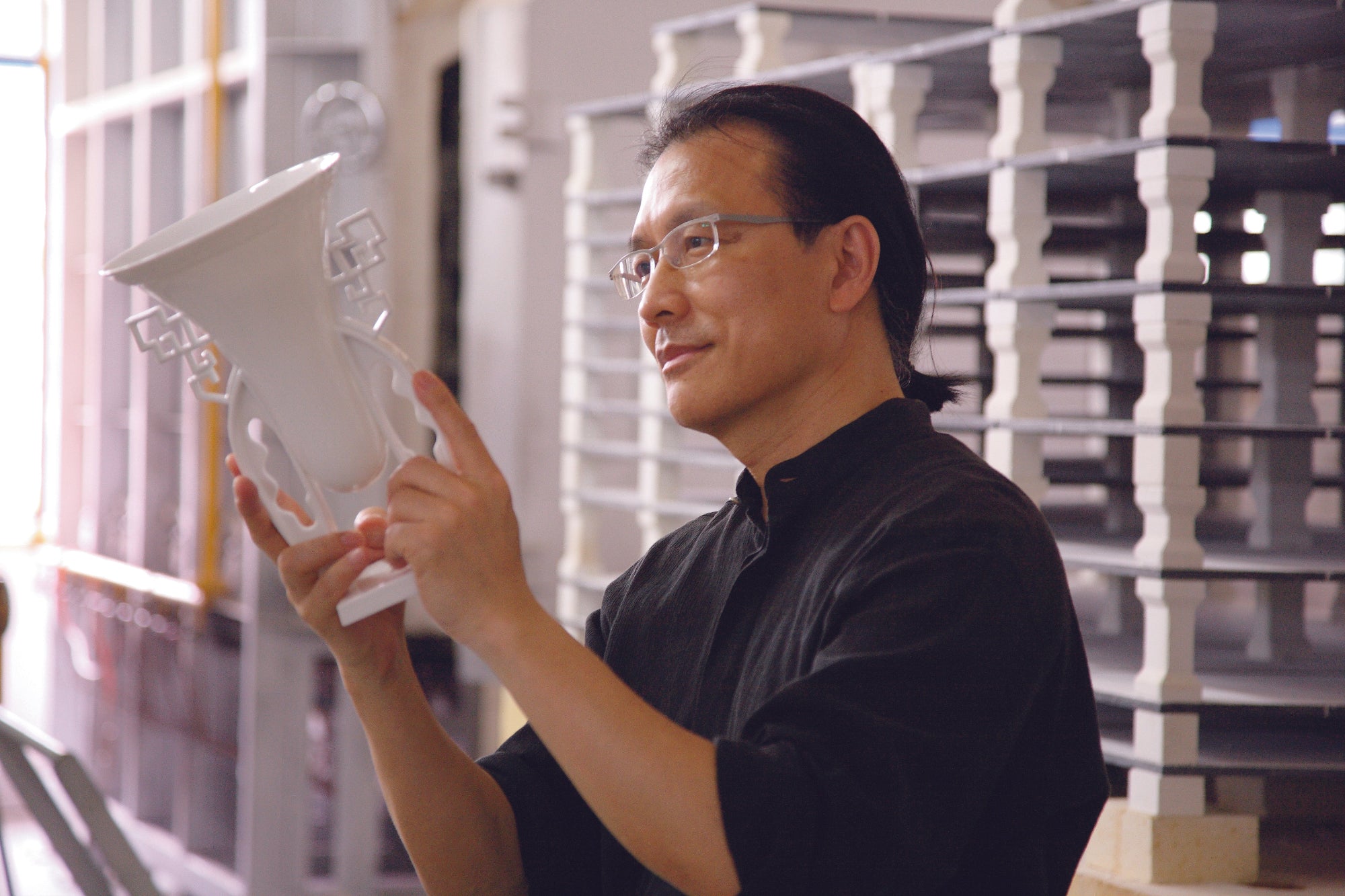
Heinrich Wang, founder of NewChi Porcelain and Tittot, is one of Taiwan’s most representative contemporary artists in white porcelain and liuli glass. Renowned for infusing philosophy and poetry into object design, his works have been exhibited at the National Museum of History in Taiwan, the Taiwan Craft Research and Development Institute, and the Triennale di Milano, earning recognition from collectors worldwide. Every porcelain piece is personally overseen by Wang, offering an aesthetic choice that unites artistry, cultural depth, and practical function.
A father's love runs as deep as the sea, and as warm as the rising sun. His whole life may well have been spent bringing "daybreak" to his family —...

What do you give a father who has spent a lifetime quietly giving? This Father's Day, NewChi presents four porcelain works — Dawn Rising, By the Measure of the Sea,...